Wildlife Photography Skills for Yellowstone 2026
Master your camera gear for wildlife photography skills for Yellowstone 2026. Learn how to track animals and capture sharp, stunning shots.
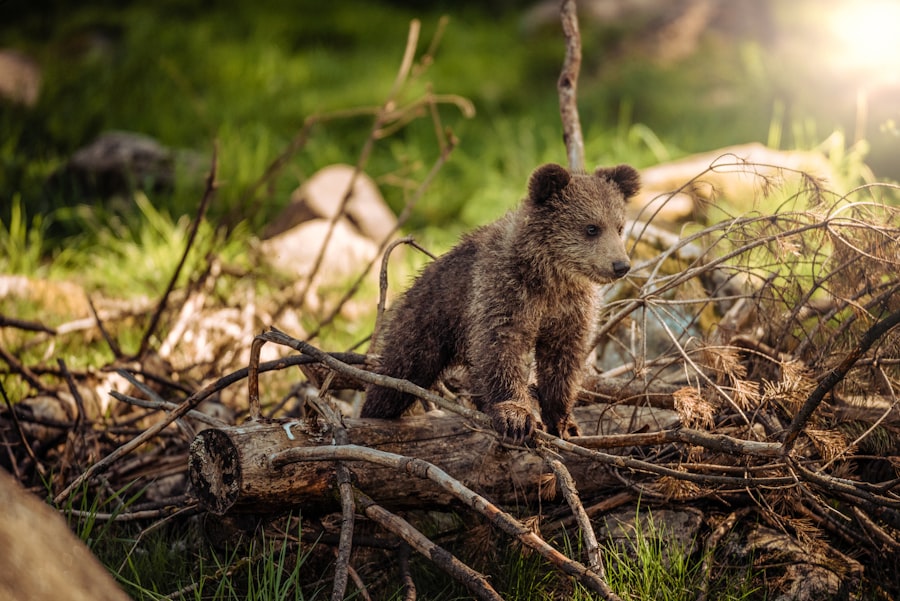
Wildlife photography skills for Yellowstone 2026 are the key to capturing the magic of the American West.
Planning a trip to the world's first national park is an exhilarating experience, but capturing the raw beauty of its inhabitants requires more than just a camera and a dream. If you want your portfolio to stand out, you need to master specific techniques before you arrive. I have spent years roaming the Lamar and Hayden Valleys, and I want to help you refine your wildlife photography skills for Yellowstone 2026 so you can return home with professional-grade shots.
The Mindset of a Yellowstone Photographer
The secret is patience. I remember my first trip back in 2018; I was so excited to see a grizzly bear that I jumped out of my car and snapped a blurry photo while shaking with adrenaline. The bear was a tiny speck in the frame, and the focus was completely off. I learned then that wildlife photography is not about luck; it is about preparation. When you focus on your wildlife photography skills for Yellowstone 2026, you transition from a tourist with a camera to a true photographer.
First, let's look at the gear. You do not need a ten-thousand-dollar lens, but you do need reach. Wildlife in Yellowstone is often hundreds of yards away. A lens with at least 400mm of zoom is standard. If you want to dive deeper into the technical side of your equipment, check out the latest camera reviews and guides at DPReview to ensure your body can handle the harsh conditions of the park.
Must-have Gear for the Trail
When you are hiking through the backcountry, weight matters. However, you cannot compromise on your ability to reach your subject. Here is a list of what should be in your bag:
- A telephoto lens (400mm minimum) to compress the background.
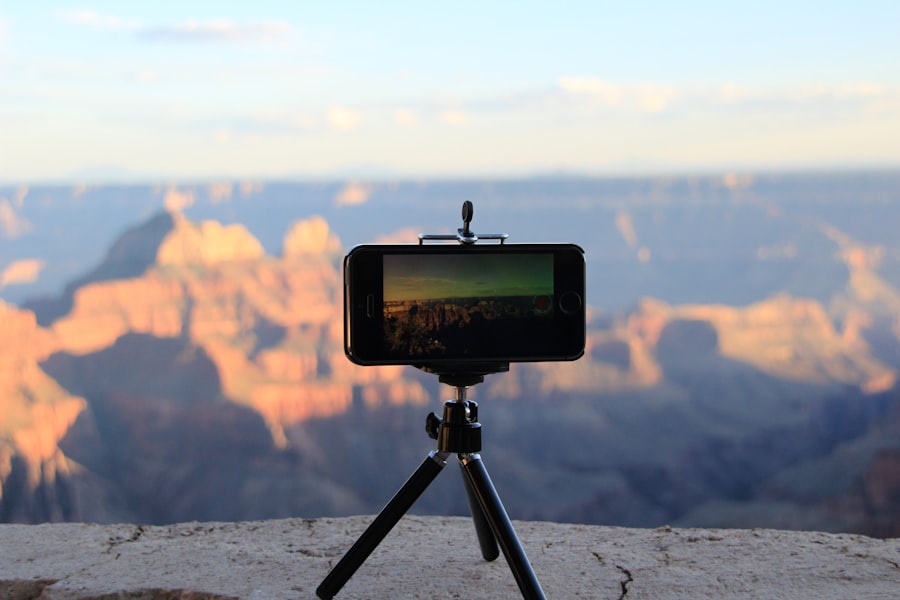
- A sturdy tripod or monopod for stability during long waits.
- Extra memory cards; always shoot in RAW, never JPEG, to preserve maximum detail for post-processing.
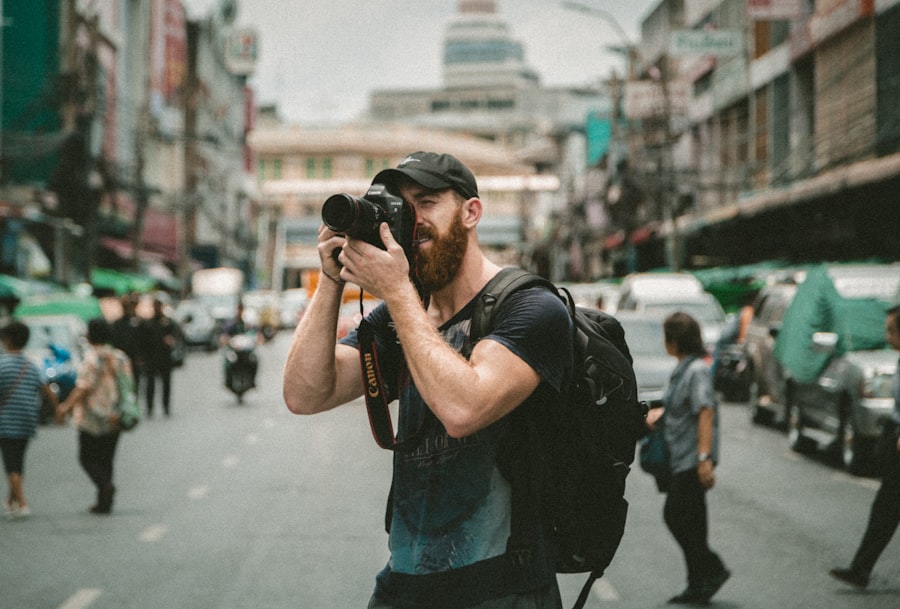
- A comfortable camera strap to prevent neck strain during long days of scouting.
Understanding Your Camera's Brain
To really excel, you need to master your settings. Many beginners struggle with lighting because the sun in Yellowstone can be brutal. If your subject is backlit, use Exposure Compensation. This allows you to tell the camera to make the image brighter or darker than the automatic setting dictates. Also, consider your ISO. This is your camera's sensitivity to light. On a cloudy day, bump your ISO up to 800 or 1600 to ensure your shutter speed stays fast enough to freeze that elk in motion. Remember, higher ISO creates digital noise, but a noisy photo of a wolf is better than a blurry photo of a ghost.
Step-by-Step: Capturing the Perfect Portrait
Follow this routine to sharpen your wildlife photography skills for Yellowstone 2026:
- Scan the horizon using your binoculars first. Do not use your camera viewfinder to scout; it limits your field of view.
- Once you spot your subject, set your camera to Aperture Priority mode. Aim for the lowest F-stop your lens allows to create beautiful Bokeh, which is the soft, blurry background that makes your animal pop.
- Use the Rule of Thirds. Do not put the animal in the dead center of the frame. Imagine a grid over your screen and place the eye of the animal on one of the intersecting lines.
- Lock your focus on the eye. If the eye is sharp, the photo is a success. If the nose is sharp but the eye is soft, the photo is a failure.
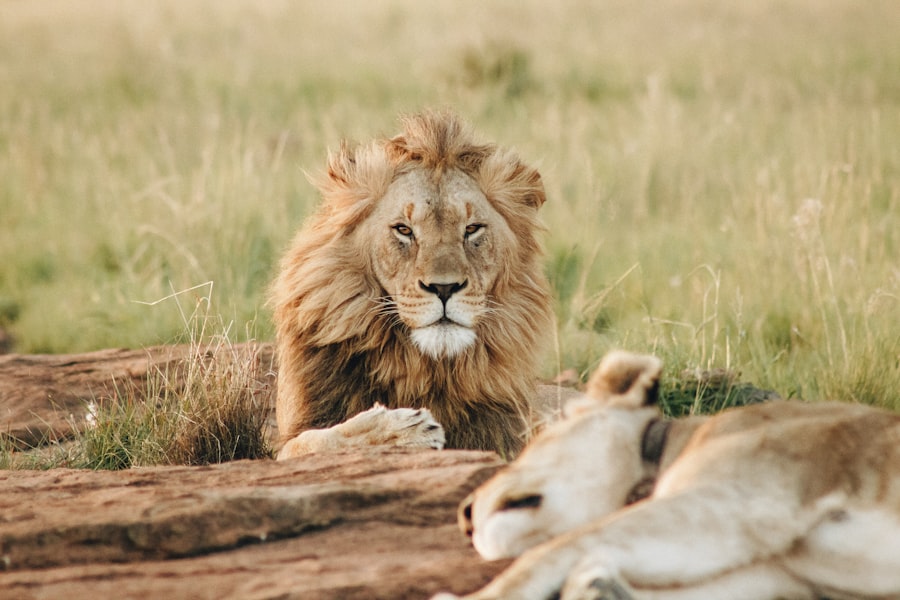
GOLDEN RULE: The best wildlife photos tell a story. Do not just photograph an animal; photograph the animal in its environment. Capture the steam rising from the bison in the winter or the elk grazing against the backdrop of the Absaroka Range.
Advanced Techniques to Elevate Your Work
As you continue to build your wildlife photography skills for Yellowstone 2026, start experimenting with light. Golden hour, the time just after sunrise and just before sunset, offers the softest, most flattering light. During midday, the light is harsh and creates deep, unflattering shadows under the eyes of your subjects. If you must shoot at noon, look for animals in the shade of the forest canopy.
One of the most important concepts to grasp is RAW vs JPEG. Always choose RAW. Think of a JPEG as a pre-baked cake; the camera has already decided how the colors and brightness should look. A RAW file is like a box of ingredients. It gives you the power to adjust the highlights and shadows in software like Adobe Lightroom, which you can learn more about through official Adobe tutorials. This is vital when you are trying to pull detail out of a dark bear's fur.
Common Mistakes and How to Fix Them
Don't forget to watch your shutter speed. If you are shooting a moving target, your shutter speed should be at least 1/1000th of a second. If you are shooting a resting animal, you can drop down to 1/250th to let more light in. If you find your photos are consistently blurry, you might be suffering from "camera shake." Using a tripod helps, but if you are handheld, ensure your "Image Stabilization" feature is turned on.
Recommended Settings for Success
- Mode: Aperture Priority (A or Av)
- File Type: RAW
- Focus Mode: Continuous AF (Servo) for moving subjects
- White Balance: Auto, but be ready to shift to "Cloudy" if the light gets moody
As you prepare for your upcoming journey, remember that your growth as a photographer is a marathon, not a sprint. Every time you head out, aim to improve one specific aspect of your technique. Whether it is mastering the Rule of Thirds or finally understanding how to balance your ISO, these wildlife photography skills for Yellowstone 2026 will serve you for years to come. Practice in your local parks, photograph birds in your backyard, and get comfortable with your gear. By the time you reach the gates of Yellowstone, your camera will feel like an extension of your own body.
Final tip: keep your batteries warm. Yellowstone can be cold, even in the summer mornings. Battery life drains rapidly in the cold, so keep a spare in an inner pocket close to your body heat. With your gear ready and your mind focused on these wildlife photography skills for Yellowstone 2026, you are going to capture images that tell a powerful story of the wild. See you in the valley!
Frequently Asked Questions
What is the best camera lens for photographing wolves and bears in Yellowstone?
A telephoto lens with a focal length of 400mm to 600mm is ideal for capturing these animals from a safe distance.
How can I avoid camera shake when shooting in early morning light?
Use a tripod or a monopod, and enable image stabilization if your lens has it.
What camera settings work best for capturing bison in low light?
Wide aperture (like f/2.8 if possible) and slightly higher ISO to maintain a fast shutter speed for freezing motion.
Are there any special permits needed for wildlife photography in Yellowstone?
General park entry is required; commercial or extensive tripod setups may need a permit, so check NPS guidelines.
What is the single best tip for photographing elk during the 2026 rut?
Arrive at Lamar Valley before sunrise to catch the elk in soft, golden light and active behavior.
Matthias Weber digs into the craft of travel photography, from camera settings to editing. He explains the technical side in plain language so you can spend less time fiddling with dials and more time shooting.
💬 Comments (0)
No comments yet. Be the first!