Sossusvlei landscape photography 2026 guide
Master Sossusvlei landscape photography 2026 with our expert guide to capturing Namibia’s iconic red dunes and surreal clay pans.
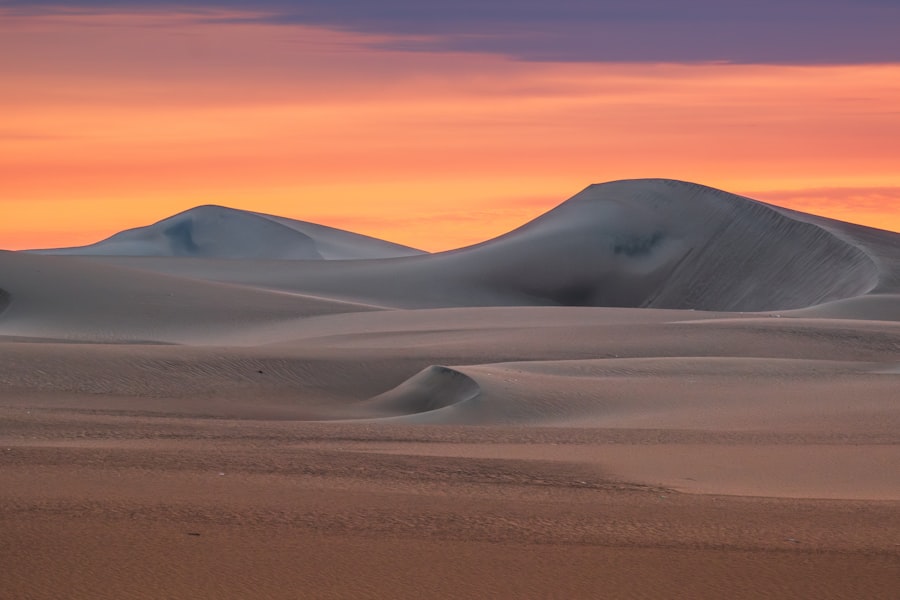
If you want to capture the ultimate desert masterpiece, this Sossusvlei landscape photography 2026 guide will show you how to turn shifting sands into fine-art prints. Sossusvlei is a photographer's dreamland, where towering, rust-red sand dunes meet a cracked white clay pan and a stark blue sky. But capturing this majestic Namibian landscape is not as simple as pointing your camera and pressing the shutter. In 2026, with advanced camera sensors and new creative techniques, you need a solid plan to truly do this wonderland justice.
I still remember my first morning at Dune 45 years ago. I was so excited that I set my camera to automatic, stood on the crest, and pressed the shutter. The result? A flat, bright orange blob with no texture, no depth, and a completely blown-out sky. I had made the classic mistake of letting the camera decide the exposure in high-contrast light. Once I learned how to control my settings and read the desert light, my images transformed from basic vacation snapshots into dramatic, gallery-worthy art. Let me coach you through the exact steps so you can master your own Sossusvlei landscape photography 2026 adventure.
Understanding the Light and Landscape of Sossusvlei
The secret is all in the timing. In Sossusvlei, the landscape changes by the minute. During midday, the sun is directly overhead, casting harsh shadows and washing out the rich orange hues of the dunes. Your photos will look flat and lifeless if you shoot during these hours. To get those iconic, split-tone images where one side of a dune is glowing orange and the other is cast in deep, cool shadow, you must shoot during the golden hours: just after sunrise and just before sunset.
First, let's look at how light interacts with the sand. The sand dunes of Sossusvlei get their vibrant red color from iron oxide that has oxidized over millions of years. When the low-angled sun hits this iron-rich sand, it creates a warm, intense glow. On the opposite side of the dune crest, the sand falls into shadow, reflecting the blue sky above. This creates a stunning contrast of warm and cool tones that is a signature look of Sossusvlei landscape photography 2026.
The Golden Rule of Desert Exposure: When shooting high-contrast sand dunes, always expose for the highlights. It is much easier to recover shadow details in post-processing than it is to fix a blown-out, pure white sky or glowing dune crest.
Essential Camera Settings for the Desert
Now try this: step away from Auto mode and take control of your camera settings. To get the sharpest possible images of these massive dunes, you need to understand how your camera sees the light. We will be using some basic photography jargon, but I will break it down so it is easy to master.
- File Format: RAW vs JPEG. Always shoot in RAW. A JPEG file compresses your image and throws away valuable color data. A RAW file preserves all the data captured by your sensor, giving you the dynamic range needed to recover shadows and highlights during editing. You can learn more about this on the Adobe tutorials portal.
- ISO: Keep your ISO as low as possible, ideally ISO 100. ISO controls your camera sensor's sensitivity to light. A higher ISO lets you shoot in darker conditions, but it introduces digital noise (graininess). Since we want clean, crisp sand textures, keep it low.
- Aperture: Use an aperture between f/8 and f/11. This is the sweet spot for most lenses, ensuring your entire landscape from the foreground clay cracks to the distant dunes remains tack-sharp.
- Exposure Compensation: The bright desert sand can trick your camera's light meter into thinking the scene is too bright, causing it to underexpose your shot. Use your Exposure Compensation dial to dial in +0.3 or +0.7 exposure to keep the sand looking bright and vibrant.
Your Step-by-Step Guide to Shooting Deadvlei
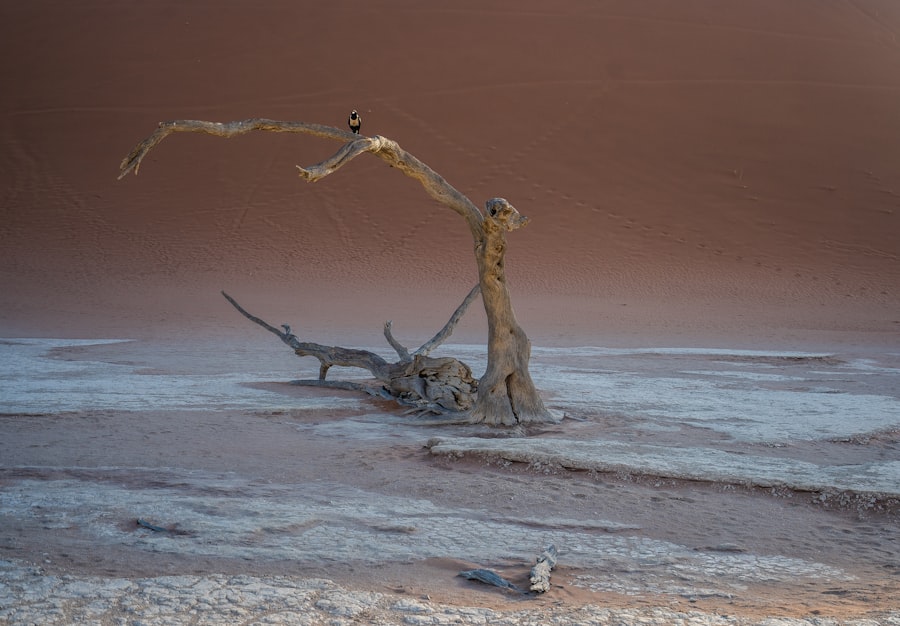
Deadvlei is the crown jewel of Sossusvlei landscape photography 2026. It is a clay pan where 900-year-old dead camel thorn trees stand frozen against a backdrop of the highest sand dunes in the world. Here is how to capture it step-by-step.
Step 1: Arrive Before the Sun Rises
Don't forget to check the park gate opening times. You want to be at the Deadvlei parking lot while it is still dark. Pack your gear, headlamps, and plenty of water. The walk from the parking lot to the clay pan takes about 20 to 30 minutes over soft sand. Arriving early ensures you are set up and ready before the first light hits the dunes.
Step 2: Look for Your Composition
As the twilight glows, scout the pan for a compelling subject. Look for a dead tree that stands apart from the others to avoid a cluttered frame. Apply the Rule of Thirds here: imagine your viewfinder is divided into a 3x3 grid. Place your main tree along one of the vertical grid lines, and place the horizon along the bottom third line. This simple rule instantly creates balance and guides the viewer's eye through your Sossusvlei landscape photography 2026 masterpiece.
Step 3: Capture the Abstract Contrast
The magic moment happens when the sun begins to rise over the surrounding dunes. For a brief 15-minute window, the background dunes will be bathed in bright morning light while the clay pan and the trees remain in deep shadow. This creates an abstract, painting-like effect. Set your camera on a sturdy tripod, use a telephoto lens to zoom in on a single tree, and watch the contrast unfold.
Before: You stand at the edge of Deadvlei at 10:00 AM. The sun is high, casting short, messy shadows. The white clay pan is blindingly bright, and the trees look like flat, gray sticks against a washed-out orange hill.
After: Guided by this Sossusvlei landscape photography 2026 plan, you shoot at 6:45 AM. The background dune is a glowing crimson wall, while the pan is in cool, blue shadow. The ancient tree stands out as a sharp, black silhouette. Your image looks like a surrealist oil painting.
Must-Have Gear for Sossusvlei Landscape Photography 2026
The desert is a beautiful but hostile environment for camera gear. Dust and wind are your biggest enemies here. To protect your investment and get the best results, make sure you pack the right equipment before you head out.
- A Weather-Sealed Camera Body: Modern mirrorless cameras from top brands like those featured on DPReview offer incredible weather sealing to keep fine dust out of the internal electronics.
- A Versatile Zoom Lens: A 24-70mm lens is perfect for wide landscapes, while a 70-200mm lens allows you to compress the perspective of the distant dunes, making them look even more massive.
- A Circular Polarizer Filter: This filter helps reduce glare from the bright white clay pan and increases the contrast between the deep blue sky and the orange dunes.
- A Sturdy Tripod: The desert wind can blow hard, especially in the mornings. A heavy, stable tripod is essential for keeping your camera perfectly still during long exposures.
- A Rocket Blower: Never change your lenses in the open desert. Keep a rocket blower handy to gently blow away any sand particles that land on your lens element.
Creative Techniques to Elevate Your Images
If you want your Sossusvlei landscape photography 2026 portfolio to stand out, try playing with depth of field. While most landscape photos use a narrow aperture for maximum sharpness, you can create a dreamy, intimate portrait of the desert by opening your aperture to f/2.8 or f/4. This creates a beautiful bokeh, where the foreground sand ripples are sharp, but the background dunes dissolve into a soft, creamy blur.
Another technique is to focus on minimalist patterns. Zoom in on the ridges of the dunes where the wind has created perfect, repeating ripples in the sand. Use the leading lines of the dune crests to draw the viewer's eye from one corner of your frame to the other. Sossusvlei landscape photography 2026 is as much about the quiet, small details of the desert as it is about the grand, sweeping vistas.
Remember, the desert is a living, shifting canvas. No two days in Sossusvlei are ever the same because the wind constantly reshapes the dunes. Take your time, enjoy the silence of the Namib desert, and let your creativity guide you. With these tips, your Sossusvlei landscape photography 2026 photos will be absolutely breathtaking. Happy shooting!
Frequently Asked Questions
What is the best time of year to photograph Sossusvlei in 2026?
The best time is from May to September, during the dry winter months, when the skies are clear, temperatures are moderate, and the contrast of the red dunes is at its peak.
What camera settings are ideal for capturing the dunes at sunrise or sunset?
Use a low ISO (100-200), a narrow aperture (f/11 to f/16) for depth of field, and a shutter speed that balances exposure, often with a polarizing filter to enhance colors.
Do I need a permit to photograph in Sossusvlei in 2026?
Yes, a valid entry permit for Namib-Naukluft Park is required, which you can obtain at the park gate or online in advance, and it's same for photography.
What essential gear should I pack for landscape photography in this region?
Bring a sturdy tripod, a wide-angle lens, extra batteries (cold nights drain them), and a zoom lens for compressed dune shots, plus lens cleaning gear for sand protection.
Are there any unique drone restrictions for shooting aerial photos in Sossusvlei?
Drones are strictly prohibited inside the national park without special permission, so plan for ground-level compositions or apply well in advance for a permit.

Camille Bernard shares travel photography tips for every kind of traveller, from phone snapshots to full kits. She breaks down light, composition and timing so you come home with photos that actually capture how a place felt.
💬 Comments (0)
No comments yet. Be the first!