RAW vs JPEG 2026: Best Travel Format?
Deciding between RAW vs JPEG 2026 for your trip? Learn when to use each format to capture stunning, high-quality photos.
Deciding between RAW vs JPEG 2026 is one of the most important choices you will make before boarding your next flight. As travel photographers, we often get just one chance to capture a perfect moment. Imagine standing in front of a glowing sunset in Kyoto or watching the mist rise over Machu Picchu. You press the shutter button, but did you choose the right format to bring those memories home? In 2026, camera sensors and smartphone image processing are more advanced than ever, making this debate more exciting than before.
I will show you how to navigate this choice so your travel photos will look absolutely spectacular. Whether you want to share your photos instantly on social media or print them large for your living room wall, understanding the power of these formats is your key to success. Let us dive in and demystify the technology together.
Understanding the Basics: What Are RAW and JPEG?
First, let us look at what actually happens inside your camera when you press the shutter. When you take a picture, your camera sensor gathers raw data about light and color. How the camera handles this data determines your file format.
What is a RAW File?
A RAW file is not actually an image yet; it is uncompressed, unprocessed data. Think of it as the raw ingredients for a gourmet meal. It contains the maximum amount of information your camera sensor can capture, including deep shadow details and bright highlights. Because it preserves all this data, the file sizes are massive, but they give you ultimate control in editing software like Adobe Lightroom.
What is a JPEG File?
A JPEG is a finished, compressed image file. Your camera takes that raw sensor data, applies its own internal settings (like contrast, saturation, and sharpening), compresses the file, and discards the leftover data. It is like ordering a meal at a restaurant: it is ready to serve immediately, but you cannot easily change the ingredients after it is cooked.
Photography Golden Rule: RAW is for creative control in editing; JPEG is for speed, convenience, and instant sharing. Choose the tool that matches your ultimate goal for the journey.
RAW vs JPEG 2026: Why This Choice Matters More Than Ever
The landscape of travel photography has shifted dramatically. In our current era of RAW vs JPEG 2026, artificial intelligence and advanced computational engines inside modern cameras have changed the rules of the game. Brands like Sony, Canon, and Nikon now offer incredible in-camera processing that makes JPEGs look better than they ever did in the past.
At the same time, RAW files have also evolved. Modern compressed RAW formats allow you to keep all that beautiful dynamic range without completely filling up your memory cards. When you are traveling, managing storage space is always a challenge. That is why understanding the balance of RAW vs JPEG 2026 is so crucial for your workflow.
If you are shooting high-contrast scenes, like a dark cave looking out into a bright sunny beach, JPEG compression will often clip your highlights to pure white or muddy your shadows to pure black. A RAW file keeps that hidden data alive, waiting for you to rescue it during post-processing.
A Personal Story: The Ruined Taj Mahal Sunset
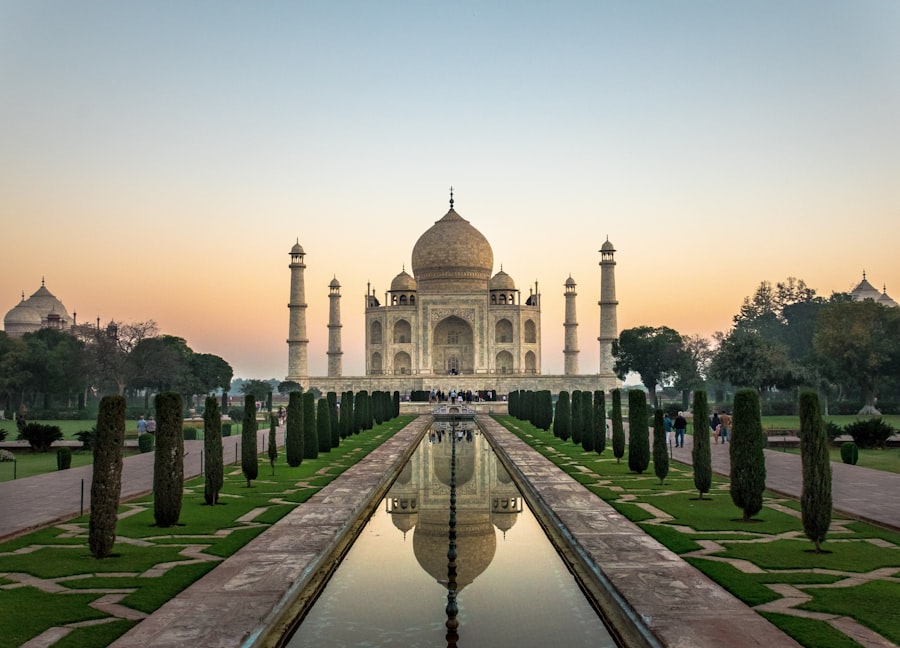
Let me share a quick story about a mistake I made early in my career, and how it taught me the true value of RAW vs JPEG 2026 principles. I was standing across the river from the Taj Mahal at sunset. The sky was a brilliant orange, but the monument itself was falling into deep shadow.
I was shooting in JPEG because I wanted to save space on my memory card. I set my ISO to 100 to keep the image clean, framed the shot using the Rule of Thirds, and captured what I thought was a masterpiece. When I got back to my hotel room and opened the photo, I was devastated. The sky was beautiful, but the Taj Mahal was just a black silhouette. When I tried to brighten the shadows in editing, the image fell apart into ugly, blocky noise.
If I had shot that image in RAW, I could have easily used Exposure Compensation in post-processing to bring back all the beautiful marble details of the monument. That day, I learned my lesson. Now, whenever I travel to once-in-a-lifetime destinations, I always rely on the safety net of RAW data.
Step-by-Step Guide to Choosing Your Format
Now try this simple decision-making process next time you pack your bags. This step-by-step guide will help you select the perfect format for any travel scenario.
Step 1: Assess Your Travel Style
Are you on a fast-paced backpacking trip where you want to post updates to your blog daily? Or are you on a slow, deliberate photography expedition? If speed is your priority, JPEG is your friend. If artistic perfection is your goal, stick to RAW.
Step 2: Evaluate the Lighting Conditions
Look at the weather and the time of day. Overcast, flat lighting is very forgiving and looks great in JPEG. However, if you are shooting during golden hour, sunrise, or indoors with harsh artificial light, you will need the high dynamic range of a RAW file to balance the exposure.
Step 3: Determine Your Editing Commitment
Be honest with yourself. Are you actually going to sit down with your laptop or tablet and edit hundreds of photos after your trip? If the answer is no, then shooting in RAW will only waste your storage space. JPEGs look great straight out of the camera.
Recommended Camera Settings for Travel
To get the absolute best results on your next adventure, I recommend setting up your camera with these specific parameters. Don't forget to adjust these based on your environment!
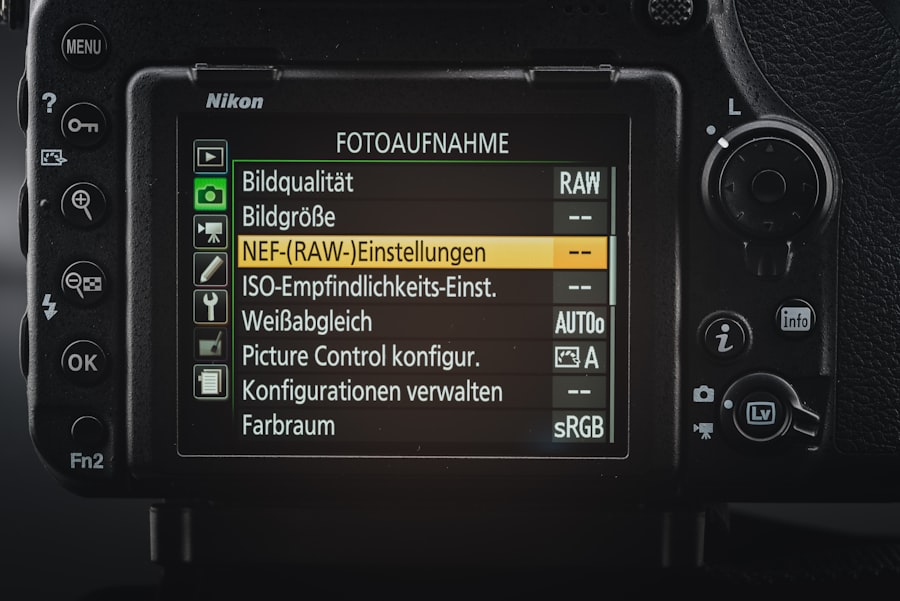
- Image Quality: RAW + JPEG (The ultimate safety net, giving you both files instantly)
- Color Space: sRGB for JPEGs (best for web sharing), AdobeRGB for RAW (best for printing)
- White Balance: Auto White Balance (AWB)
- Focus Mode: Continuous AF with eye tracking turned on
- Drive Mode: Single shot for landscapes, low continuous for street photography
The Secret to Beautiful Travel Photos: Practical Tips
The secret is knowing how to balance your camera settings to maximize your chosen format. For example, if you are shooting JPEG, you must get your exposure right in the camera. Use your Exposure Compensation dial to make sure you do not overexpose bright skies. If you want that beautiful, blurry background background known as Bokeh, use a wide aperture like f/1.8 or f/2.8.
If you are shooting RAW, do not worry if the photos look a bit flat or desaturated on your camera screen. This is completely normal! RAW files are meant to look flat so that you have a neutral canvas to edit later. You can learn more about how to handle these files by visiting the Adobe Lightroom Tutorial Hub or checking out the latest sensor performances on DPReview.
To help you decide which side of the RAW vs JPEG 2026 debate you land on for your next trip, here is a quick summary of the gear you should pack to support your workflow.
Must-Have Travel Gear
- High-Speed SD Cards: At least 128GB with V60 or V90 write speeds to handle large RAW files.
- Portable External SSD: For backing up your heavy RAW images on the road.
- Extra Batteries: Processing RAW images and using electronic viewfinders drains battery life quickly.
- Lens Cleaning Kit: Because dust on your sensor is much harder to edit out of a JPEG than a RAW file.
Conclusion: The Verdict on RAW vs JPEG 2026
Ultimately, the choice of RAW vs JPEG 2026 comes down to your personal workflow and creative goals. If you want to capture the world in all its raw, unfiltered glory and have the patience to polish those files into masterpieces, RAW is the undisputed king. If you want to live in the moment, travel light, and share your stories instantly with the world, modern JPEG engines will serve you beautifully.
Whatever you choose, get out there, explore this beautiful world, and keep capturing those unforgettable visual travel spots!
Frequently Asked Questions
Is RAW still the best travel format in 2026 for professional editors?
Yes, RAW offers maximum editing flexibility and dynamic range, ideal for pro-level post-processing.
Does JPEG in 2026 provide faster sharing for travelers?
Absolutely, JPEG files are smaller and instantly ready for social media or cloud uploads.
What storage advantages does JPEG offer over RAW for travel in 2026?
JPEG occupies 3-5 times less space than RAW, allowing more photos on limited camera memory.
Can modern cameras' JPEG quality rival RAW for non-editing travelers?
Yes, 2026 JPEG engines produce excellent colors and sharpness—ideal for most travel snapshots.
Which format should tourists choose to prioritize battery life?
JPEG uses less processing power for fast saves, extending battery life during long travel days.

Camille Bernard shares travel photography tips for every kind of traveller, from phone snapshots to full kits. She breaks down light, composition and timing so you come home with photos that actually capture how a place felt.
💬 Comments (0)
No comments yet. Be the first!