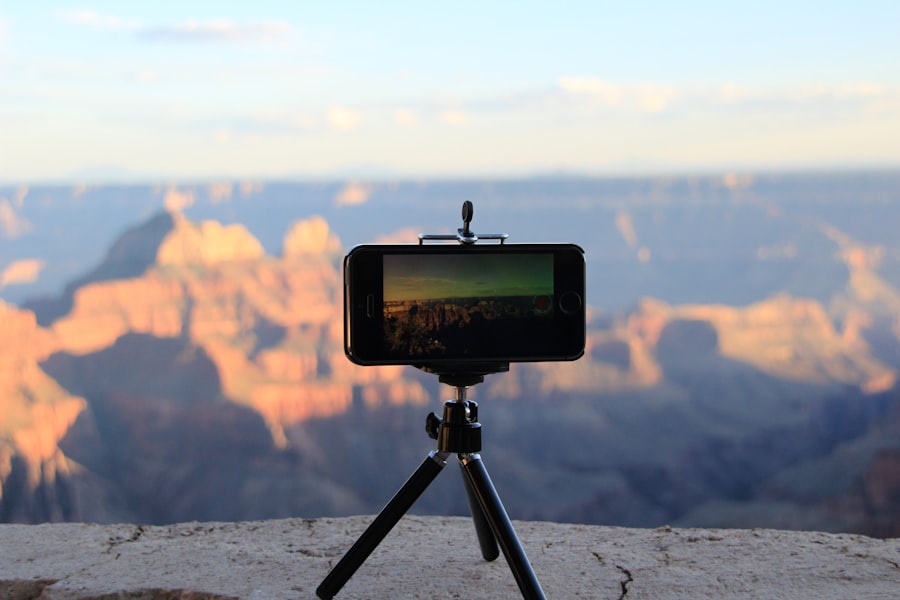
Oregon waterfall photography 2026 guide
Master Oregon waterfall photography 2026 with our expert guide to capturing silky water shots in the Pacific Northwest.
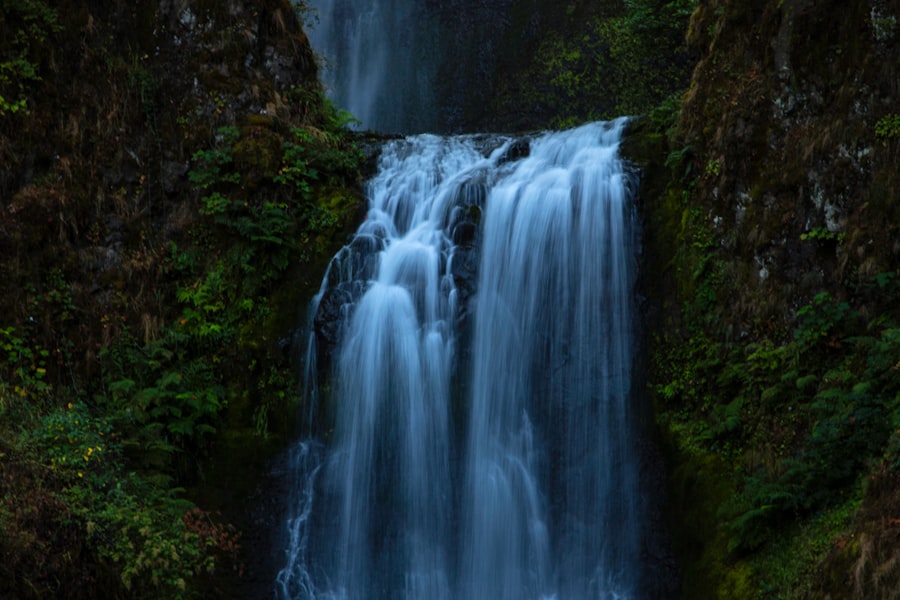
If you want to master Oregon waterfall photography 2026, you have come to the right place to elevate your landscape portfolio this year. Oregon is home to some of the most dramatic cascades on Earth, from the towering giants of the Columbia River Gorge to the hidden gems of the Silver Falls State Park. But capturing that perfect, silky water motion while keeping the surrounding moss sharp requires more than just pointing and shooting. As your photography coach, I am going to guide you through the essential techniques, gear choices, and settings to make your images stand out this season. Whether you are a beginner or looking to refine your skills, let us dive into the magic of the Pacific Northwest.
Why Oregon Waterfall Photography 2026 is Your Next Big Adventure
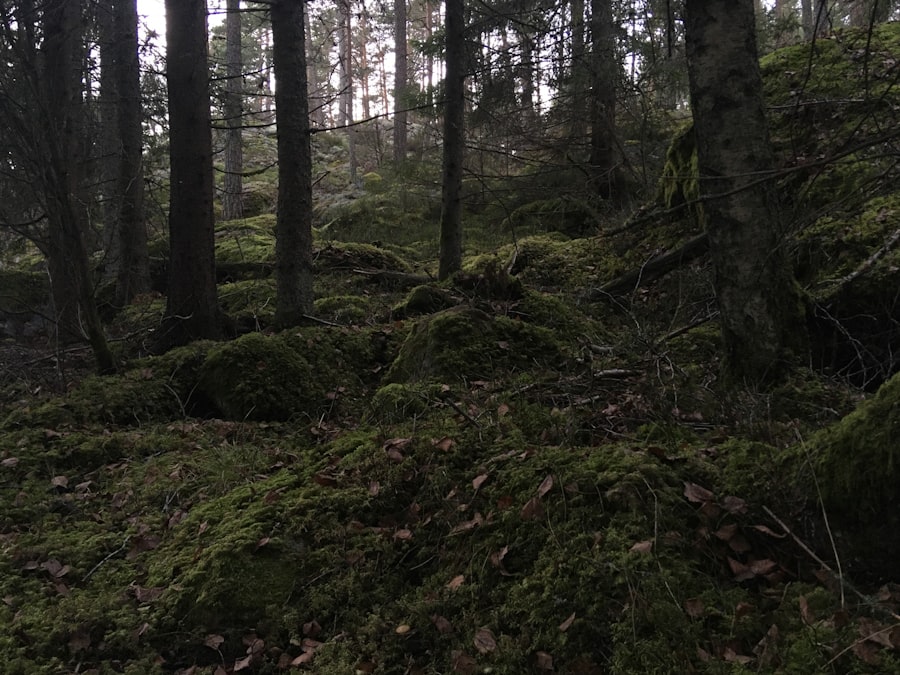
There is a unique magic to the Pacific Northwest, especially in 2026. With wetter winter seasons behind us, the rainforests are more vibrant, lush, and mossy than ever before. Your photos will look absolutely electric if you know how to balance the deep greens of the forest with the stark white of rushing water. But capturing this beauty comes with its own set of challenges, from managing wet mist on your lens to handling tricky, high-contrast forest light.
I remember a trip to Abiqua Falls a few years ago that taught me a valuable lesson. I arrived in the middle of a sunny day, thrilled to see the sunbeams piercing through the trees. I set up my tripod, clicked the shutter, and ended up with a complete mess. The water was a blown-out white stripe with zero detail, and the rocks were shrouded in pitch-black shadows. I made the classic mistake of shooting in harsh, direct light without understanding how to manage my camera settings. Once I learned to embrace overcast days and use a polarizing filter, my images transformed completely. I want to save you from that frustration so your journey into Oregon waterfall photography 2026 is a resounding success from day one.
The Gear You Need for Pristine Forest Shots
The secret is that you do not need the most expensive camera on the market to capture professional-grade images. However, having the right accessories will make a night-and-day difference in your final results. Let us look at the essential gear you should pack in your camera bag before heading out into the damp Oregon woods.
Must-Have Gear for Waterfall Adventures
- A Sturdy Tripod: This is non-negotiable. To get that silky, smooth water effect, you will be using slow shutter speeds. Any camera shake will ruin the sharpness of your image.
- Circular Polarizing Filter (CPL): This is your secret weapon. A polarizer cuts down on the glare reflecting off wet rocks and leaves, boosting the natural saturation of the green moss.
- Neutral Density (ND) Filters: These act like sunglasses for your lens, allowing you to use longer exposure times even during the brighter parts of the day.
- Lens Cloths and a Rocket Blower: Oregon waterfalls create a massive amount of mist. You will be wiping your lens constantly to avoid water spots on your sensor.
Now try this: when you are setting up your tripod, make sure it is anchored securely in the gravel or shallow water. Even a tiny vibration from the rushing stream can soften your focus. For high-quality gear specs and recommendations, you can check out the latest camera bodies on the Canon Official Site or read up-to-date optical reviews on DPReview.
The Golden Rule of Waterfall Photography: Always shoot in RAW format rather than JPEG. RAW files preserve all the data captured by your sensor, giving you the ultimate control to recover shadow details in dark canyon walls and tone down highlights in the rushing water during post-processing.
Mastering the Camera Settings
To get the most out of your Oregon waterfall photography 2026 experience, you need to step away from Auto mode and take control of your exposure. Let us break down the jargon and look at the key settings you need to adjust.
First, let us look at ISO, which measures your camera sensor's sensitivity to light. For clean, noise-free images, you want to keep your ISO as low as possible, ideally at ISO 100. Next is aperture, which controls your depth of field. To keep the entire landscape sharp from the foreground pebbles to the distant waterfall, use an aperture between f/8 and f/11. This range also helps you avoid lens diffraction while maximizing sharpness.
Now, let us talk about shutter speed. This is where the magic happens. If you want that classic, dreamy water look, you will want a shutter speed between 0.5 seconds and 2 seconds. If you want to freeze the powerful crash of the water, speed things up to 1/500th of a second or faster.
Recommended Settings Cheat Sheet
- Shooting Mode: Manual (M) or Aperture Priority (Av/A)
- ISO: 100 (for maximum image quality and minimal noise)
- Aperture: f/8 to f/11 (for sharp details throughout the frame)
- Shutter Speed: 1/2 second to 2 seconds (for smooth, silky water)
- File Format: RAW (to maximize your dynamic range during editing)
Step-by-Step Guide to Capturing the Perfect Shot
Now that your gear is packed and your settings are ready, let us walk through the process of composing and capturing your first masterpiece. This step-by-step method will ensure you do not miss a single detail when practicing your Oregon waterfall photography 2026 skills.
Step 1: Compose Using the Rule of Thirds
Do not just place the waterfall dead center in your frame. Use the Rule of Thirds to create a more dynamic composition. Imagine your screen is divided into a 3x3 grid. Try placing the main flow of the waterfall along one of the vertical grid lines, and position the pool at the bottom along the lower horizontal line. This guides the viewer's eye naturally through the scene.
Step 2: Find a Creative Foreground
The secret to a truly immersive landscape photo is depth. Look for interesting elements to place in the foreground, like a colorful autumn leaf, a mossy log, or wet river stones. By using a wider lens and getting close to these foreground elements, you create a beautiful sense of scale that makes the viewer feel like they are standing in the canyon with you.
Step 3: Dial in Your Exposure Compensation
Because waterfalls are bright white, your camera's light meter might get confused and try to underexpose the image, making the surrounding forest look too dark. Don't forget to use your Exposure Compensation dial. Dialing it up by +0.3 or +0.7 can brighten the dark areas of your frame. Just keep an eye on your histogram to ensure you are not clipping your highlights!
Step 4: Use a Remote Shutter or Self-Timer
When you press the shutter button with your finger, you introduce tiny vibrations into the camera. To prevent this, set a 2-second self-timer on your camera or use a remote shutter release. This ensures the camera is completely still when the shutter opens, resulting in tack-sharp leaves and tack-sharp rocks contrasting against the moving water.
Advanced Techniques: Bokeh and Contrast
Once you have mastered the basics of Oregon waterfall photography 2026, you can begin experimenting with advanced artistic techniques. One fun way to shoot is to create a soft, blurry background or foreground, known as Bokeh. By opening your aperture to a wide setting like f/2.8 or f/4 and focusing on a close-up leaf with the waterfall in the distance, you can create a beautiful, dreamy atmosphere.
You can learn more about managing these complex lighting situations and perfecting your post-processing workflow by exploring digital imaging guides on the Adobe Lightroom Tutorials page. Remember, editing is half the fun! Raising the shadows and lowering the highlights in post-processing will bring out the rich textures of the Oregon basalt cliffs.
Before and After: The Power of Technique
Let us picture a quick before and after scenario. Imagine a photographer standing at Latourell Falls in the Columbia River Gorge. In the "Before" shot, they shoot on Auto mode, handheld, in the middle of a bright afternoon. The result is a harsh, grainy photo with distracting glare on the wet rocks, a frozen and chaotic waterfall, and washed-out colors.
Now, let us look at the "After" shot using our 2026 guide techniques. The photographer waits for an overcast morning. They mount their camera on a sturdy tripod, screw on a circular polarizer to eliminate rock glare, set the ISO to 100, and use a 1-second shutter speed. The final image is a breathtaking masterpiece: the moss-covered basalt columns glow with a deep emerald hue, and the waterfall cascade looks like a soft, elegant silk ribbon flowing through a pristine, untouched paradise.
With a little patience and the right techniques, your photos will look exactly like that "After" shot. Oregon's forests are waiting for you, so grab your gear, head out into the mist, and make Oregon waterfall photography 2026 your most creative and successful photography year yet!
Frequently Asked Questions
What is the best time of year for waterfall photography in Oregon in 2026?
Spring and early summer (April to June) offer peak flows from snowmelt, but fall provides vibrant foliage contrasts. Check specific waterfall conditions before your trip.
What gear do I need for photographing waterfalls in Oregon?
A sturdy tripod, wide-angle lens, polarizing filter, and a reliable rain cover are essential for long exposures and misty conditions. Neutral density filters help achieve silky water effects in bright light.
Are permits required for photography at popular Oregon waterfalls?
Most public waterfalls like Silver Falls State Park do not require permits for personal photography. Commercial or drone photography may need special permits from managing agencies.
How can I avoid crowds at Oregon's iconic waterfalls?
Visit on weekdays, arrive early (before 9 AM) or late (after 4 PM), and consider lesser-known trails off the Columbia River Gorge. Spring and fall weekdays are less crowded.
What are the top waterfall photography locations in Oregon for 2026?
Multnomah Falls, Proxy Falls, and Toketee Falls are iconic. For variety, try Silver Falls State Park's Trail of Ten Falls or Emerald Creek's hidden gems.

Matthias Weber digs into the craft of travel photography, from camera settings to editing. He explains the technical side in plain language so you can spend less time fiddling with dials and more time shooting.
💬 Comments (0)
No comments yet. Be the first!