Na Pali Coast seascape photography 2026 Tips
Master Na Pali Coast seascape photography 2026 with our pro guide to capturing Kauai's dramatic cliffs and golden ocean light.
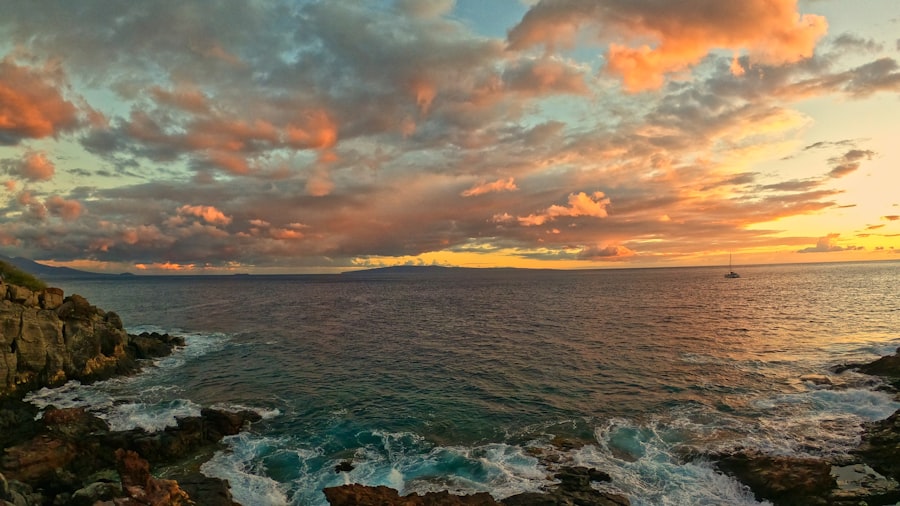
Mastering Na Pali Coast seascape photography 2026 is the ultimate dream for many outdoor photographers, and I am here to help you turn that dream into stunning gallery prints. There is something truly magical about the way the Pacific Ocean crashes against the towering, emerald-green cliffs of Kauai. But let me tell you a secret: capturing that magic requires more than just pointing your camera and pressing the shutter. In this guide, I will coach you through the essential gear, the perfect camera settings, and the creative compositions you need to make your images stand out this year.
The Magic of Kauai: Why This Coastline Demands Your Best
The sheer scale of the Garden Isle is humbling. When you stand on the shoreline or look out from a boat, the towering cliffs rise thousands of feet straight out of the water. This dramatic landscape is the perfect playground for Na Pali Coast seascape photography 2026, but it also presents unique challenges. The light changes rapidly, the salt spray can ruin your gear, and the extreme contrast between dark volcanic rock and bright white ocean foam can trick your camera sensor.
To succeed here, you must think like a visual storyteller. We are not just taking snapshots; we are capturing the raw, untamed energy of Hawaii. Whether you are shooting from the famous Kalalau Trail, a catamaran at sunset, or a doors-off helicopter, I want to help you capture the emotion of the landscape. Let us dive into the gear and techniques that will elevate your portfolio this year.
My Biggest Mistake: A Before and After Story
First, let us look at a mistake I made during my very first trip to Kauai, so you do not have to repeat it. I remember standing on a rocky ledge near Kee Beach at sunset. The sky turned an incredible shade of magenta, and the waves were crashing violently against the rocks. I was so excited that I kept my camera on full automatic mode, shooting basic JPEGs.
The result? A total disaster. My camera got confused by the bright sky and underexposed the dark green cliffs, turning them into solid black blobs. Because I shot in JPEG, the camera compressed the file, throwing away valuable shadow detail. The beautiful white sea foam was completely blown out into a solid, textureless white mess. It was a classic amateur mistake.
The secret is knowing how to use your camera manually and choosing RAW over JPEG. When I returned to the same spot the next evening, I switched my camera to RAW format. I manually adjusted my exposure to protect the highlights in the waves and used Lightroom to gently lift the shadows in the green cliffs later. The difference was night and day. The final image had beautiful texture in the water, vibrant greens in the cliffs, and a rich, colorful sky. That is the power of understanding your camera settings!
Essential Gear for Na Pali Coast Seascape Photography 2026
Now try this: before you pack your bags, make sure you have the right tools for the job. The environment in Kauai is wet, windy, and salty, which means your gear needs to be durable and protected.
The Must-Have Gear List
- A Weather-Sealed Camera Body: The salty air and mist can easily damage delicate electronics. Brands like the Sony Alpha series or Canon EOS R system offer excellent weather sealing.
- A Sturdy Carbon Fiber Tripod: The wind along the coast can be fierce. A flimsy tripod will shake, resulting in blurry photos.
- Circular Polarizer (CPL): This is your secret weapon. A polarizer cuts through the glare on the water surface and makes the lush green vegetation pop.
- Neutral Density (ND) Filters: These act like sunglasses for your lens, allowing you to use slower shutter speeds to create that silky, smooth water effect.
- Microfiber Cloths and Air Blower: Salt spray will get on your lens. Keep a clean cloth handy to wipe it off constantly.
The Golden Rule of Coastal Photography: Always prioritize your safety over a photo. The ocean along the Na Pali Coast is unpredictable, with sudden rogue waves. Never turn your back on the ocean, and keep your camera strapped securely to your body or tripod at all times.
Mastering Your Camera Settings: Step-by-Step
Your camera is a powerful tool, but it only does what you tell it to do. To get the most out of your Na Pali Coast seascape photography 2026 adventures, you need to step away from auto mode. Let us break down the ideal settings for capturing stunning waves and cliffs.
Step-by-Step Settings Guide
- Switch to RAW Format: Unlike JPEG files, which compress and discard image data, RAW files save all the information captured by your camera sensor. This gives you the maximum flexibility when editing your photos in software like Adobe Lightroom.
- Set Your ISO to its Native Value: Keep your ISO (the camera sensor sensitivity to light) as low as possible, usually ISO 100. This ensures your images are clean, sharp, and free of digital noise.
- Choose Your Aperture: For deep landscapes where you want both the foreground rocks and the distant cliffs in sharp focus, use an aperture between f/8 and f/11. This creates a wide depth of field. Do not go too high (like f/22), or you will suffer from lens diffraction, which actually softens your image.
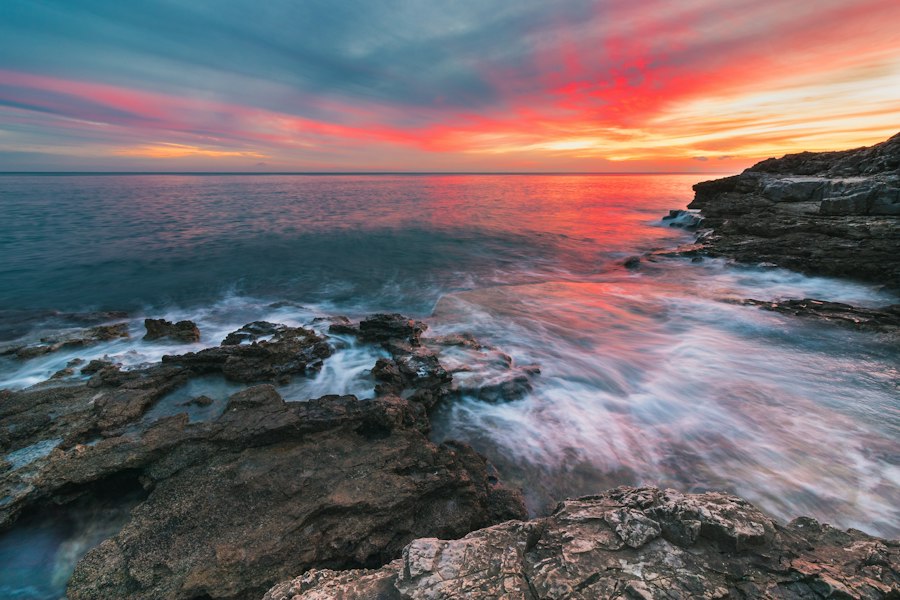
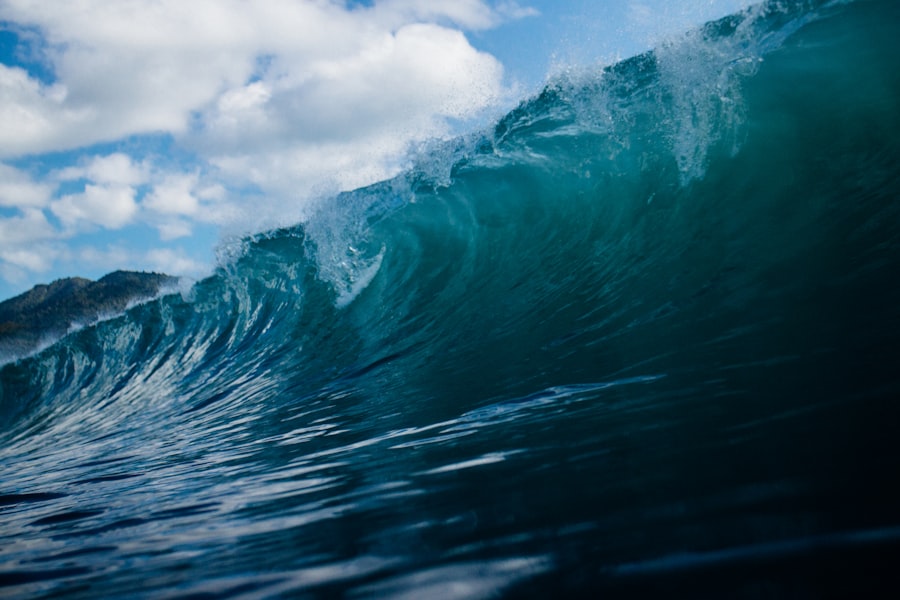
- Control Your Shutter Speed: If you want to freeze the dramatic splash of a wave, use a fast shutter speed like 1/1000th of a second. If you want to create a dreamy, ethereal look with silky water, use an ND filter and drop your shutter speed to 2 seconds or slower.
- Use Exposure Compensation: When shooting bright white water against dark cliffs, your camera light meter might get confused. Use the Exposure Compensation dial to manually brighten or darken your image by a stop or two to keep your highlights from blowing out.
Composition Secrets for Dramatic Seascapes
A technically perfect photo can still be boring if the composition is weak. When planning your Na Pali Coast seascape photography 2026 shots, you must guide the viewer eye through the frame. The secret is to find a strong foreground element to anchor your image.
First, let us look at the Rule of Thirds. Imagine your frame divided into a nine-box grid. Place the horizon line along the bottom third grid line if the sky is boring, or along the top third if the ocean is calm but the sky is dramatic. Place the main sea stack or cliff edge where the grid lines intersect to create a balanced, natural composition.
Next, think about depth of field and focus. While we want our landscape shots to be sharp from front to back, you can also experiment with a shallow depth of field. By using a wide aperture like f/2.8, you can create a beautiful out-of-focus background, known as Bokeh. This technique works wonderfully if you want to focus on a beautiful tropical flower in the foreground while the majestic cliffs of the Na Pali Coast fade softly into the background.
Recommended Settings for Different Scenarios
- Sunset from a Boat: ISO 400, Aperture f/5.6, Shutter Speed 1/500s (to compensate for the moving boat), RAW format.
- Long Exposure from the Beach: ISO 100, Aperture f/11, Shutter Speed 5 seconds (using a 6-stop ND filter), Tripod required.
- Mid-day Cliffside Hiking: ISO 100, Aperture f/8, Shutter Speed 1/250s, Circular Polarizer attached to cut reflection on the water.
Don't forget to pay attention to the tides and the weather. The coastline looks completely different at high tide compared to low tide. I highly recommend using apps to track the tide times and the angle of the sun before you head out. Planning ahead is what separates the amateurs from the pros.
Final Thoughts: Practice and Patience
As you embark on your journey to capture Na Pali Coast seascape photography 2026, remember that patience is your greatest asset. The perfect light might only last for two minutes, or you might have to wait through a brief rain shower for a rainbow to appear over the cliffs. Keep practicing, keep experimenting with your manual settings, and enjoy every moment in this tropical paradise. Your camera is ready to capture something extraordinary; now go out there and show the world your vision!
Frequently Asked Questions
What are the best months for Na Pali Coast seascape photography in 2026?
May through September offers the calmest seas and clearest skies, ideal for capturing dramatic cliffs and turquoise water. Winter months bring powerful swells, which can create dramatic spray but are riskier for boat access.
What camera settings work best for capturing the Na Pali Coast's dynamic seascapes?
Use a fast shutter speed (1/500s or higher) to freeze wave crashes, or a slow shutter (1-2 seconds) with a tripod for silky water effects. Keep ISO at 100-200 and a narrow aperture like f/8 to f/11 for maximum sharpness.
Do I need a polarizing filter for Na Pali Coast photography?
Yes, a circular polarizer reduces glare from water and wet rocks, intensifying color saturation and contrast. It's especially useful during midday when reflected sunlight is strongest.
What's the best way to photograph the coast without a boat?
Hiking the Kalalau Trail offers elevated viewpoints like Ke'e Beach to Hanakapi'ai for excellent compositions. Alternatively, take a helicopter tour for aerial shots, but always secure your gear to avoid wind damage.
Are there any safety tips for shooting from a boat on the Na Pali Coast?
Always keep your camera in a waterproof housing or splash bag, and use a wrist strap to prevent drops. Position yourself on the leeward side of the boat to avoid direct ocean spray, and listen to the captain's instructions.

Camille Bernard shares travel photography tips for every kind of traveller, from phone snapshots to full kits. She breaks down light, composition and timing so you come home with photos that actually capture how a place felt.
💬 Comments (0)
No comments yet. Be the first!