Isle of Skye Seascape Photography 2026 Guide
Learn to capture stunning coastal shots with this Isle of Skye seascape photography 2026 guide for travel photographers.
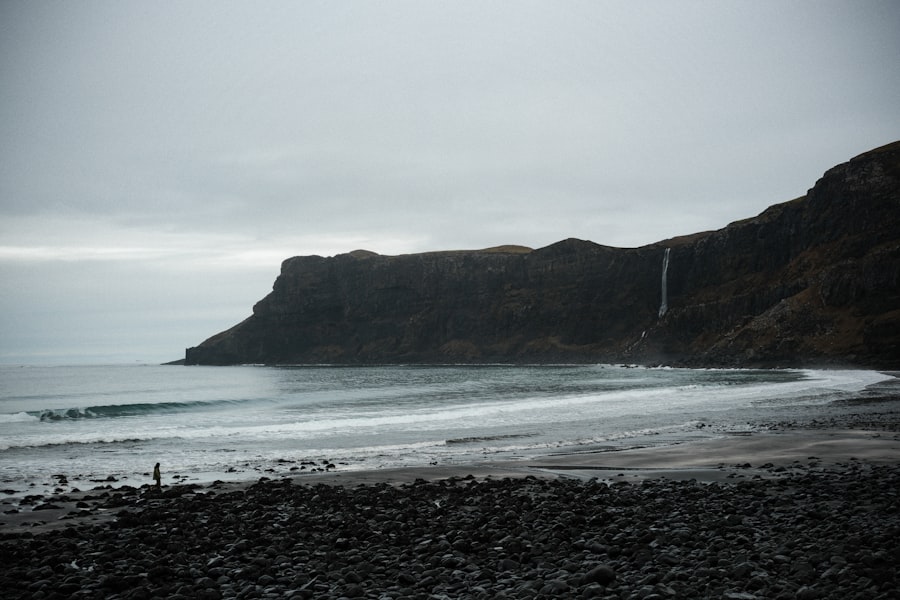
If you are planning to capture the rugged, wind-swept coastlines of Scotland, mastering Isle of Skye seascape photography 2026 is the ultimate adventure for your camera portfolio. There is something truly magical about the way the Atlantic waves crash against ancient Jurassic cliffs. But let us be honest: capturing that magic is not always as simple as pointing your camera and clicking the shutter. Weather in Scotland is notoriously unpredictable, and the high-contrast coastal light can easily trick your camera sensor. As your photography coach, I am here to guide you through the exact techniques, settings, and gear you need to create breathtaking coastal images this year.
The secret is learning how to balance the wild elements with precise technical execution. Whether you are aiming to capture the moody waters of Elgol or the dramatic cliffs near Neist Point, this guide will elevate your skills from basic snapshots to professional-grade gallery prints.
Understanding the Core Photography Jargon
Before we pack our bags for the Scottish Highlands, let us quickly demystify some essential photography terms. I want you to feel completely confident when adjusting your camera dials in the field.
- ISO: This measures your camera sensor's sensitivity to light. A low ISO (like ISO 100) gives you the cleanest, sharpest image, which is perfect for daytime seascapes. High ISOs are used for low light but introduce digital noise (grain).
- Rule of Thirds: Imagine your frame divided by two horizontal and two vertical lines. Placing your horizon or main subject (like a lighthouse) along these lines or intersections creates a naturally balanced and pleasing composition.
- Exposure Compensation: This is a handy button (marked with a +/- sign) that lets you manually brighten or darken your image when your camera's automatic meter gets confused by bright white water or dark volcanic sand.
- RAW vs JPEG: Always shoot in RAW! A JPEG file is compressed by your camera, throwing away valuable color data. A RAW file saves every bit of information your sensor captures, giving you maximum flexibility when editing in software like Adobe Lightroom.
- Bokeh: This refers to the soft, out-of-focus background blur created by using a wide aperture (like f/2.8). While we usually want sharp landscapes from front to back, bokeh is fantastic for isolating coastal details like beach pebbles or wildflowers.
My Classic Skye Failure (And How I Fixed It)
I will never forget my first attempt at Isle of Skye seascape photography 2026 styles a few years back at Talisker Bay. The sky was filled with dramatic, dark storm clouds, and the wet black sand was reflecting the last rays of golden light. I was so excited that I rushed my setup.
I shot in JPEG, left my camera on Auto ISO, and did not use a tripod. When I got back to my cabin, the results were heartbreaking. The sky was completely blown out (pure white with no detail), the dark rocks were a muddy black blob, and the image was blurry from the wind. It was a total mess.
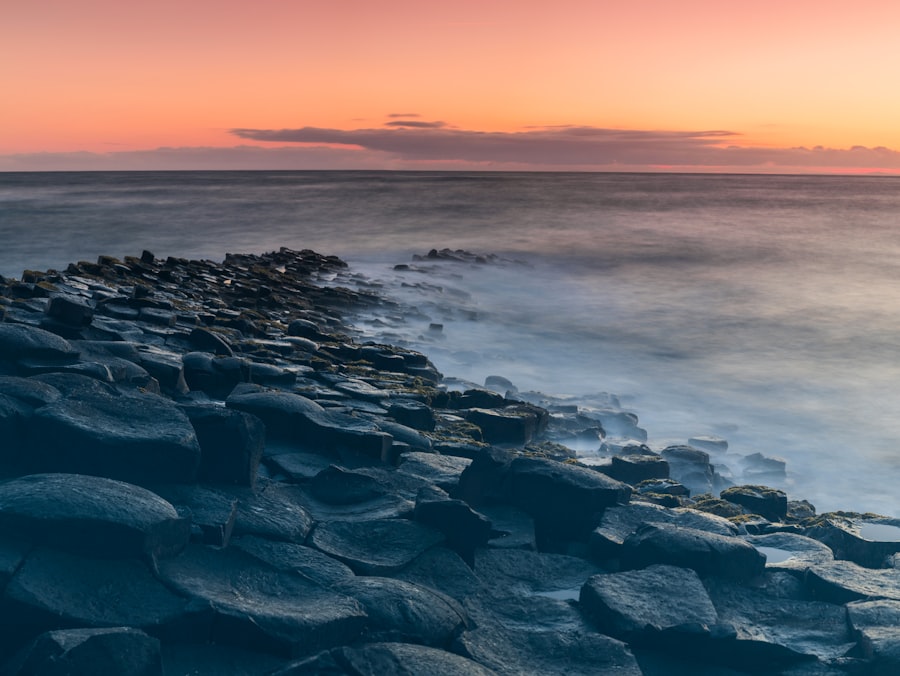
Now try this instead. The next evening, I returned with a solid tripod and switched my camera to Manual mode and RAW format. I locked my ISO at 100 to prevent noise. To handle the bright sky and dark rocks, I used Exposure Compensation to protect my highlights, and I captured a long exposure to smooth out the chaotic waves. The difference was night and day. The final image had silky water, rich textures in the dark volcanic sand, and a dramatic sky full of color. By slowing down and using the right settings, I turned a failed snapshot into a masterpiece.
The Golden Rule of Seascapes: Never sacrifice your highlights. You can easily recover shadow details from a RAW file during editing, but once a bright sky or white wave is blown out to pure white, that visual data is gone forever.
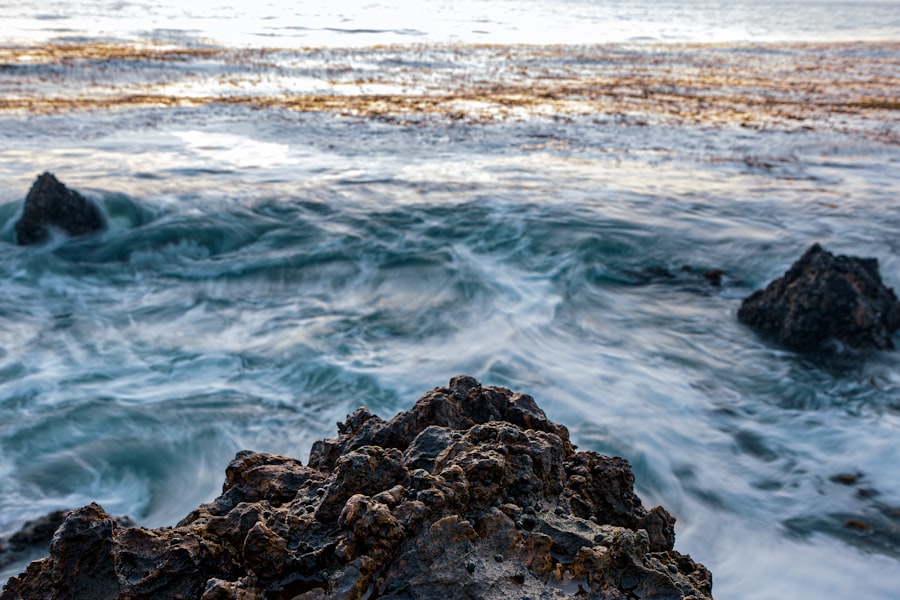
Must-Have Gear for Isle of Skye Seascape Photography 2026
To successfully capture Isle of Skye seascape photography 2026, you need gear that can withstand the harsh Scottish environment. First, let's look at your camera body. Modern mirrorless systems, like the weather-sealed options outlined on the Sony Electronics official site, offer incredible dynamic range which is crucial for high-contrast coastal scenes.
Do not forget to pack these essential items before you head out:
- A Sturdy Tripod: The wind on Skye can be ferocious. A flimsy tripod will lead to blurry photos. Look for carbon fiber models that offer great stability without being too heavy to carry.
- Neutral Density (ND) Filters: These act like sunglasses for your lens. They block out light so you can use longer shutter speeds during the day to get that silky water effect.
- Lens Cleaning Cloths: Salt spray and rain will constantly get on your lens glass. Keep several dry microfiber cloths in an easily accessible pocket.
- A Weatherproof Camera Bag: Protect your gear from sudden downpours while hiking to your coastal destination.
Step-by-Step Guide to Capturing the Perfect Seascape
Step 1: Compose with the Rule of Thirds
When you arrive at the coast, do not just place the horizon right in the middle of your frame. First, let's look at the scene. Is the sky spectacular? If so, place your horizon on the bottom third line to give the clouds more room. If the foreground rocks and wet sand are more interesting, place the horizon on the top third line to emphasize the ground textures.
Step 2: Dial In Your Recommended Settings
Now try this setup on your camera body. Switch your camera dial to Manual (M) or Aperture Priority (A). Set your quality to RAW. Keep your ISO at 100 to ensure maximum image quality. Choose an aperture of f/11; this is the sweet spot for most lenses, keeping both your foreground rocks and distant cliffs perfectly sharp.
Step 3: Control the Shutter Speed for Water Motion
The shutter speed you choose will completely dictate the mood of your Isle of Skye seascape photography 2026 images. If you want to capture the raw power of the ocean, use a fast shutter speed (like 1/500th of a second) to freeze the crashing waves. If you want a calm, ethereal look, screw on an ND filter and use a slow shutter speed (between 1 and 5 seconds) to turn the wild waves into a soft mist.
Pro Tips for Exploring the Best Spots Safely
Your journey with Isle of Skye seascape photography 2026 will likely take you to remote, rugged spots. Safety must always come first. The rocks around the Scottish coast can be incredibly slippery, especially when covered in wet seaweed. Always check the local tide tables before you set out; you do not want to get trapped on a rocky ledge by an incoming tide.
Furthermore, keep an eye on your camera's histogram. This is a little graphic display that shows the distribution of tones in your image. If the graph is pushed all the way to the right, your whites are clipping (too bright). Use your Exposure Compensation button to dial down the exposure until the graph is nicely balanced in the middle.
With patience, the right gear, and these professional techniques, you are fully equipped to capture the wild, untamable beauty of Scotland. Keep practicing, embrace the moody weather, and enjoy every moment of your creative journey!
Frequently Asked Questions
What are the best times of year for seascape photography on the Isle of Skye in 2026?
Spring and autumn offer milder weather and dynamic light, with sunrise around 5-6 AM and sunset around 9 PM in summer.
Which locations on Skye are must-visits for seascape shots?
Key spots include the Old Man of Storr, the Quiraing, and the Coral Beaches, along with less crowded gems like Neist Point and the Fairy Pools.
What camera settings are recommended for Skye's variable light?
Use a low ISO, a tripod for sharpness, and experiment with long exposures (1-30 seconds) to capture cloud movement and silky water.
Do I need any permits or permissions in 2026 for seascape photography?
Permits are not required for general, non-commercial photography, but you must adhere to Scottish access rights and respect private land boundaries in some coastal areas.
What safety precautions are vital for photographing Skye's seascapes?
Check tide tables and avoid remote shorelines at high tide, wear sturdy footwear and waterproof clothing, and have a reliable GPS—particularly when shooting at slippery spots.

Matthias Weber digs into the craft of travel photography, from camera settings to editing. He explains the technical side in plain language so you can spend less time fiddling with dials and more time shooting.
💬 Comments (0)
No comments yet. Be the first!