Fiordland National Park Wildlife Photography 2026
Master Fiordland National Park wildlife photography 2026 with our expert guide to capturing the rare birds of New Zealand's wild terrain.
Fiordland National Park wildlife photography 2026 is the ultimate challenge for any nature enthusiast looking to capture the raw beauty of New Zealand.
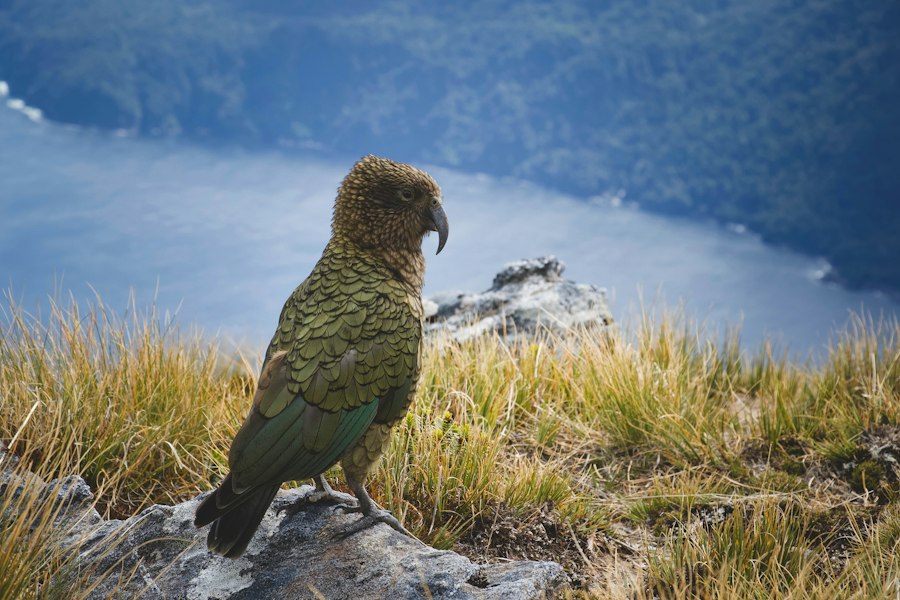
If you are planning your adventure for 2026, you are likely dreaming of capturing the elusive Kea or the majestic fur seals lounging on the rocky coastlines. I remember my first trip to the fiords; I was so excited that I set my camera to "Auto" mode and hoped for the best. The result? A blurry, washed-out mess of a Kea that looked more like a smudge on the lens than a bird. I learned quickly that Fiordland National Park wildlife photography 2026 requires more than just luck; it requires intentionality, patience, and a solid grasp of your gear.
Understanding Your Camera Settings
First, let us look at the technical side. When you are out in the mist of the fiords, your lighting conditions will change every thirty seconds. To master Fiordland National Park wildlife photography 2026, you must stop relying on automatic settings. Start by shooting in RAW instead of JPEG. While JPEGs are smaller, RAW files preserve all the data from your sensor, allowing you to recover shadows and highlights during editing that would otherwise be lost forever.
The Exposure Triangle
The secret is managing your ISO, Aperture, and Shutter Speed. In the dark, lush forests of Fiordland, you will often find yourself needing a higher ISO (the camera sensor sensitivity). Don't be afraid to push this up to 1600 or even 3200 if it means keeping your shutter speed fast enough to freeze a bird in flight. Use a wide aperture (a low f-number like f/2.8 or f/4) to create beautiful Bokeh, which is that creamy, blurred background that makes your wildlife subject pop.
The Golden Rule: When in doubt, prioritize your shutter speed. A noisy, high-ISO image can be cleaned up in software, but a blurry, motion-sick shot of a rare Fiordland creature can never be saved.
Essential Gear for 2026
Because you will be hiking through temperate rainforests and climbing rocky outcrops, portability matters. You want a lens that reaches out to touch your subject without weighing down your entire pack.
- A telephoto zoom lens (100-400mm or 200-600mm) is mandatory for keeping your distance while filling the frame.
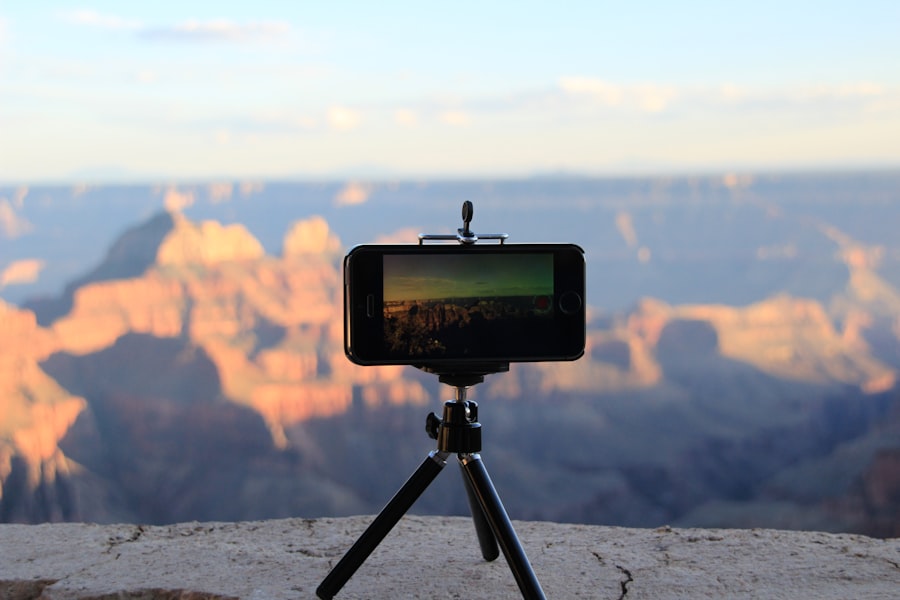
- A sturdy, lightweight carbon fiber tripod for low-light conditions.
- Extra batteries—cold, damp air in the fiords drains power faster than you expect.
- A rain cover for your camera body to protect against the frequent Fiordland downpours.
If you need to verify if your specific gear matches these needs, check out the DPReview camera buying guide to ensure your setup is ready for the field.
Step-by-Step: Capturing the Perfect Frame
Now try this workflow when you spot a rare bird or seal:
- Stabilize: Before you even look through the viewfinder, find a solid footing or brace your body against a tree.
- Compose: Use the Rule of Thirds. Instead of putting the animal in the center, place it along the grid lines so the viewer's eye travels across the beautiful landscape.
- Check Exposure: Use Exposure Compensation if the scene is too bright or too dark. For snowy mountain peaks in the background, you might need to dial in +1 stop to prevent your subject from appearing like a dark silhouette.
- Focus: Switch to back-button focus if your camera supports it. This separates the focus trigger from the shutter release, giving you better control when an animal moves suddenly.
Refining Your Approach to Fiordland National Park Wildlife Photography 2026
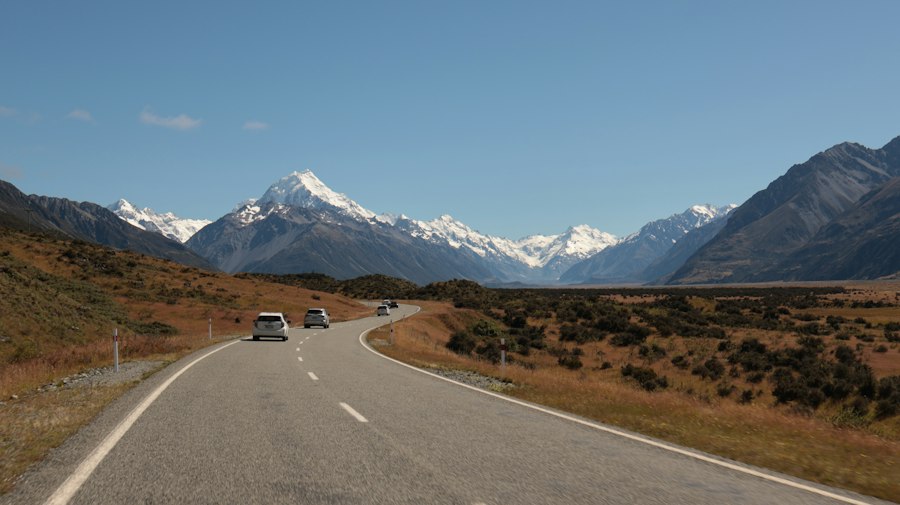
Don't forget to look for the "environmental portrait." While close-ups are great, showing the animal within the scale of the massive Fiordland peaks tells a much stronger story. For more advanced tips on color balance and composition, explore the Adobe photography tutorials to see how to process those shots after you return home.
My biggest failure in this park happened when I was so focused on a fur seal that I ignored the light behind me. I had the composition perfect, but the exposure was completely blown out because I didn't adjust for the bright reflection off the water. I fixed this by learning to use my histogram. Now, I check that little graph on my LCD screen after every few shots. If the data is smashed against the right side, I know I am losing detail and need to adjust my settings immediately.
Recommended Settings for Fiordland Wildlife
To ensure your Fiordland National Park wildlife photography 2026 results are professional grade, use these as your starting point:
- Shooting Mode: Aperture Priority (Av/A)
- Aperture: f/4 to f/5.6 for subject separation
- ISO: Auto, with a maximum cap of 6400
- Focus Mode: Continuous Servo (AF-C) to track moving animals
- Drive Mode: High-speed burst for capturing quick movements
Finally, remember that Fiordland National Park wildlife photography 2026 is about the experience as much as the image. If you don't get the shot, take a deep breath and appreciate the silence of the fiord. When you return to your computer, you will find that the patience you cultivated in the field makes your post-processing work much easier. Keep practicing your technique, stay flexible with your settings, and your portfolio will look stunning by the end of the year.
Frequently Asked Questions
What wildlife can I photograph in Fiordland National Park in 2026?
You can photograph kea, kākā, tūī, fur seals, and occasionally dolphins or penguins. The region is also home to the rare takahē and kiwi.
What is the best time of year to photograph wildlife in Fiordland?
The best times are spring and summer, from November to March, when birds are most active. Winter offers fewer crowds but colder, wetter conditions.
Do I need a permit to photograph wildlife in Fiordland National Park?
No permit is required for general wildlife photography in public areas. However, commercial photography may need a concession from the Department of Conservation.
What camera gear should I bring for Fiordland wildlife photography in 2026?
Bring a telephoto lens of at least 200mm for birds and marine mammals, plus rain protection for your gear. A tripod is useful for long lenses and low light.
How can I get close to wildlife without disturbing it in Fiordland?
Maintain a respectful distance, use a zoom lens instead of approaching, and follow local guidelines for sensitive species. Never feed or bait wildlife for a shot.
Matthias Weber digs into the craft of travel photography, from camera settings to editing. He explains the technical side in plain language so you can spend less time fiddling with dials and more time shooting.
💬 Comments (0)
No comments yet. Be the first!