Dolomites Sunrise Photography 2026 Guide
Capture stunning alpine glow. Our guide to Dolomites sunrise photography 2026 covers essential camera settings and compositions.
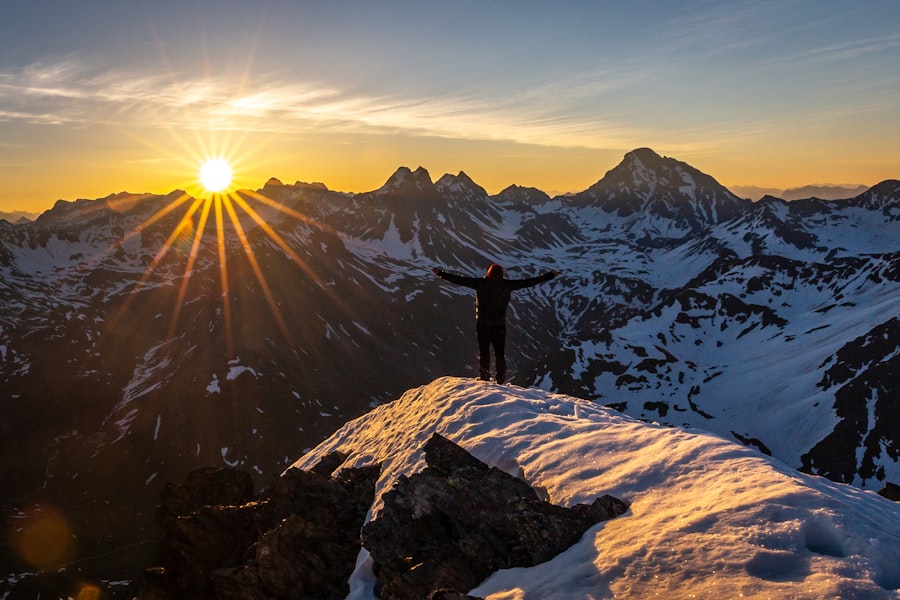
If you want to capture the ultimate alpine glow, this Dolomites sunrise photography 2026 guide will show you exactly how to turn those jagged Italian peaks into masterpiece images. There is nothing quite like standing in the crisp morning air as the first light hits the pale peaks of the Seceda or Tre Cime. But getting those dream shots takes more than just showing up. I will help you master the techniques, gear, and camera settings needed to make your portfolio shine in 2026.
First, let us look at the Magic of Alpine Light
Before we pack our bags, we need to understand what makes the Dolomites so special for photographers. The unique pale dolostone rock acts like a natural canvas. During sunrise, a phenomenon called enrosadira occurs, turning the peaks brilliant shades of pink, orange, and red. Your camera has the power to capture this beautifully, but only if you know how to control the light.
The secret is managing your dynamic range. The contrast between the bright, glowing peaks and the dark, shadowed valleys is extreme. If you rely on your camera's automatic mode, you will likely end up with a sky that is completely washed out or mountains that are pitch black. By taking control of your settings, you can preserve every single detail from the brightest cloud to the deepest pine forest.
My Biggest Dolomites Failure (And How to Fix It)
Let me share a quick story from my early days. I remember standing at the classic Alpe di Siusi viewpoint, shivering in the cold, waiting for the sun to rise. I was so excited that I just started clicking away. When I got back to my hotel room and opened the files, my heart sank. The gorgeous orange peaks were completely white and overexposed, and the misty meadows were just a muddy black blur.
Before: A flat, disappointing image with blown-out highlights in the sky and zero detail in the dark grass. The camera had guessed the exposure and ruined the most colorful parts of the sunrise.
After: By switching to manual mode, using Exposure Compensation to protect the highlights, and shooting in RAW format, I was able to rescue the image. In post-processing, I easily pulled back the rich pinks in the sky and lifted the shadows in the grass to reveal a beautiful morning mist. The difference was night and day, and it all came down to understanding how the camera sees light.
Your Essential Dolomites Sunrise Photography 2026 Gear Guide
You do not need the most expensive camera on the market, but you do need the right tools for the job. Having stable gear and a highly capable sensor makes a massive difference when shooting in low-light conditions.
Recommended Gear Checklist
- A Sturdy Tripod: Sunrise photography means long shutter speeds. A shaky tripod will result in blurry photos.
- A Wide-Angle Lens: Something like a 16-35mm lens is perfect for capturing the massive scale of the valleys.
- A Telephoto Lens: A 70-200mm lens allows you to zoom in on the distant, glowing peaks for intimate detail shots.
- Microfiber Cloths: The morning dew in the Dolomites will fog up your lens quickly. Keep these handy.
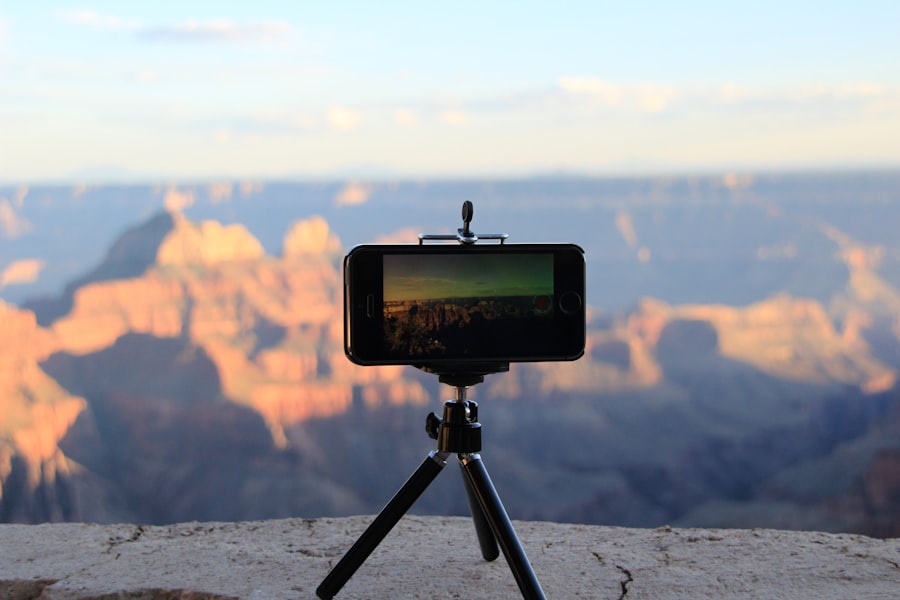
When it comes to cameras, modern mirrorless systems from manufacturers like Sony or Canon offer incredible dynamic range. If you want to dive deeper into camera body capabilities, check out the detailed camera reviews on DPReview to see how different sensors perform in challenging low-light environments.
Step-by-Step Guide to Setting Up Your Camera
Now try this step-by-step setup when you arrive at your location in the dark. Do not wait for the sun to appear before you start adjusting your dials.
Step 1: Switch to RAW Format
If you only take one thing from this Dolomites sunrise photography 2026 tutorial, let it be this: stop shooting in JPEG. JPEG files compress your image and discard valuable color data. RAW files preserve all the data captured by your sensor. This gives you the ultimate flexibility when you edit your photos later in programs like Lightroom.
Step 2: Keep Your ISO Low
ISO measures your camera's sensitivity to light. While raising your ISO makes the image brighter, it also introduces digital noise, which looks like grain. To keep your mountain landscapes looking clean and sharp, set your ISO to its base level, which is usually ISO 100. Since you are using a tripod, you can use a slower shutter speed to let in more light instead of raising the ISO.
Step 3: Choose Your Aperture for Maximum Sharpness
To get the entire landscape in sharp focus, from the wildflowers at your feet to the peaks miles away, use an aperture between f/8 and f/11. This range is the sweet spot for most lenses. Avoid going up to f/22, as a physical phenomenon called diffraction can actually make your images softer.
Step 4: Master the Rule of Thirds and Composition
Now, let us compose the shot. Imagine your screen is divided into a three-by-three grid. Place the horizon on either the upper or lower horizontal line. If the sky is dramatic and filled with color, give it two-thirds of the frame. If the valley floor is filled with beautiful fog, make that the star of the show. Place key elements, like a rustic wooden cabin, on the intersections of these lines to create a balanced composition.
The Golden Rule: Always check your histogram, not just your LCD screen. The screen can lie to you in the dark, but the histogram will tell you exactly if you are losing details in your shadows or highlights.
Advanced Techniques for Dolomites Sunrise Photography 2026
As you gain confidence with your Dolomites sunrise photography 2026 skills, you can start experimenting with advanced creative choices. For example, if you want to create a dreamy look with soft, out-of-focus backgrounds, you can play with Bokeh. While Bokeh is usually associated with portrait photography, using a telephoto lens at f/4 on a distant mountain peak can make the misty valleys behind it melt away into a beautiful, creamy blur.
Another crucial tool is Exposure Compensation. If the bright morning sun is tricking your camera into underexposing the rest of the scene, you can manually adjust this dial to tell your camera to make the image brighter or darker. Don't forget to experiment with this as the sun rises higher and the light changes rapidly.
Recommended Camera Settings for Sunrise
- Shooting Mode: Manual (M)
- Image Format: RAW
- ISO: 100
- Aperture: f/8 to f/11
- White Balance: Daylight or Cloudy (to preserve warm golden tones)
- Focus Mode: Manual Focus (using live view zoom to ensure the peaks are perfectly sharp)
Planning Your 2026 Photography Trip
The final key to successful Dolomites sunrise photography 2026 is planning. The weather in the Alps is highly unpredictable. You must monitor local webcams and mountain weather forecasts daily. Sometimes, a forecast for rain can actually result in the most spectacular low-hanging clouds and dramatic sunbeams.
Give yourself at least three to four days in each location. This ensures that even if you get blocked by heavy fog on day one, you still have multiple chances to capture that perfect morning light. Your photos will look absolutely incredible if you combine patience with the technical skills we have covered today. Now get out there, set your alarms early, and go capture the magic of the Dolomites!
Frequently Asked Questions
What time does sunrise occur in the Dolomites during 2026?
Sunrise times vary seasonally, typically between 5:20 AM in summer and 7:45 AM in winter, so check local forecasts for exact timings.
Which are the best Dolomites locations for sunrise photography in 2026?
Top spots include Lago di Braies, Seceda, Tre Cime di Lavaredo, and Passo Giau for iconic alpine lit peaks.
What camera settings work best for Dolomites sunrise photos?
Use a wide-angle lens, aperture around f/8-f/11, ISO 100-400, and start with shutter speeds from 1/30s to bracketed exposures.
Do I need any permits for sunrise photography in the Dolomites?
No special permits are required if photographing from public trails along the most common viewpoints.
What should I pack for a sunrise shoot in the Dolomites during 2026?
Bring headlamp, extra batteries (cold drains them faster), sturdy tripod, waterproof boots, and several warm layers.
Matthias Weber digs into the craft of travel photography, from camera settings to editing. He explains the technical side in plain language so you can spend less time fiddling with dials and more time shooting.
💬 Comments (0)
No comments yet. Be the first!