Chefchaouen portrait photography 2026 Guide
Learn how to capture stunning blue-hued street portraits with our Chefchaouen portrait photography 2026 masterclass.
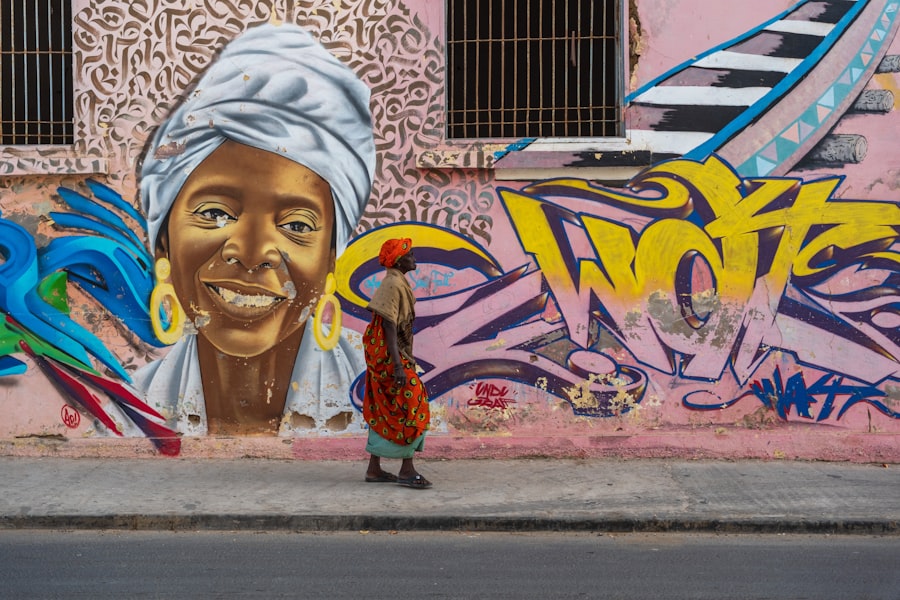
Mastering Chefchaouen portrait photography 2026 is all about learning how to make human subjects pop against an intensely blue, monochrome playground. Welcome to Morocco's blue pearl, a dreamscape of cobalt, indigo, and periwinkle. If you have ever wanted to capture portraits that look like they belong on the cover of a travel magazine, 2026 is your year to make it happen. I will show you how to navigate these winding alleys, handle the tricky lighting, and work with the local culture to create breathtaking portraits. Grab your camera, and let us dive into this creative journey together!
The Magic of the Blue City: Understanding Your Canvas
First, let's look at why this location is both a paradise and a challenge for photographers. The blue walls of Chefchaouen act as giant, natural reflectors. While this sounds amazing, it can actually introduce a heavy blue color cast onto your subject's skin. If you do not adjust your settings, your portraits will look cold and unnatural. The secret is knowing how to balance these cool tones with warm elements.
My favorite way to counter the blue dominance is through deliberate clothing choices. I always advise my portrait subjects to wear warm, contrasting colors like mustard yellow, deep orange, terracotta, or pure white. This creates an instant visual pop that draws the eye directly to your subject, using color theory to build depth within your frame.
Must-Have Gear and Recommended Settings
You do not need a mountain of heavy gear to succeed with Chefchaouen portrait photography 2026. In fact, traveling light is highly recommended because the streets are narrow, steep, and packed with steps. Here is the exact kit and setup I recommend for your shoot:
Recommended Gear for 2026
- A Fast Prime Lens: A 50mm or 85mm lens with a wide maximum aperture (like f/1.4 or f/1.8) is perfect. This helps you create a creamy, out-of-focus background.
- A Circular Polarizer: This helps manage reflections on the painted blue walls and controls glare on sunny days.
- A Lightweight Reflector: A small, collapsible 5-in-1 reflector (using the gold or white side) is a lifesaver for bouncing warm light back onto your subject face.
Camera Settings Cheat Sheet
- File Format: Always shoot in RAW vs JPEG. RAW files preserve all the color data, making it easy to fix blue skin tones in post-processing.
- Aperture: f/1.8 to f/2.8 to isolate your subject from the busy street details.
- ISO: Keep your ISO as low as possible (ISO 100 to 400) to avoid digital noise in the shadows.
- White Balance: Set this to "Cloudy" or "Shade" to manually warm up the blue reflections.
The Golden Rule of Blue Hour: When shooting during the twilight hours, set your Exposure Compensation to -0.7 or -1.0. This prevents your camera from overexposing the deep blue background, preserving the moody, romantic atmosphere of Chefchaouen.
Step-by-Step Guide to Perfecting Your Portraits
Now try this step-by-step approach on your next photowalk to ensure you capture stunning, high-quality images every single time.
Step 1: Master the Rule of Thirds in Narrow Alleys
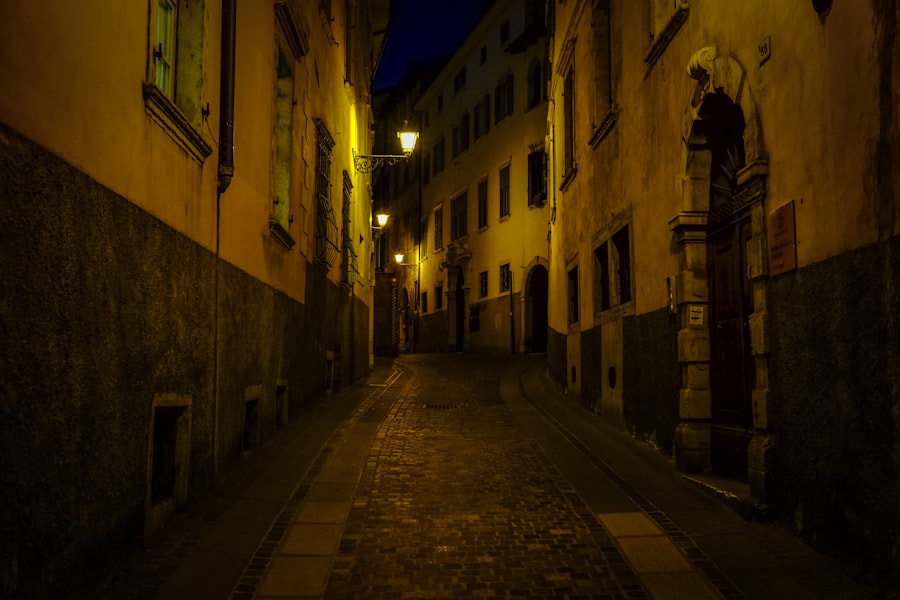
The narrow alleys of Chefchaouen are perfect for using leading lines. Place your subject along the left or right vertical grid lines of your viewfinder. Let the blue walls and staircases lead the viewer's eye directly to your subject's eyes. You can learn more about framing and composition basics on the Adobe Lightroom and Photoshop tutorials page.
Step 2: Control the Light with Exposure Compensation
Because the blue walls reflect a lot of light, your camera meter might get confused and underexpose your subject's face. Do not let the camera make the decisions for you! Use your Exposure Compensation dial to dial in +0.3 or +0.7 to keep your subject bright and lively.
Step 3: Create Beautiful Bokeh
To get that soft, blurry background, stand close to your subject while keeping them far away from the background wall. Set your lens to its widest aperture. This creates a gorgeous, painterly bokeh effect where the blue street melts into a soft dreamscape behind your subject. To see how different prime lenses perform at wide apertures, check out the lens databases on DPReview.
Before & After: Learning from My Mistakes
Let me share a quick story about a failed shot from my early days of practicing Chefchaouen portrait photography 2026 techniques. I found a stunning archway and placed my model right under it at midday. I shot in JPEG format, using automatic white balance, and did not check my exposure.
The result was a total disaster. The harsh noon sun created dark, ugly shadows under her eyes, and her skin looked completely blue and ghost-like because of the wall reflections. Because I shot in JPEG instead of RAW, I could not save the skin tones in editing without destroying the image quality.
To fix this, I changed my strategy. First, I waited until the late afternoon when the sun was lower and softer. Next, I switched my camera to RAW format so I had full control over the colors later. I used a gold reflector to bounce warm, natural light onto her face, neutralizing the blue cast. Finally, I adjusted my white balance to "Shade." The differences were night and day! The final photo was warm, professional, and beautifully balanced.
Cultural Etiquette and Travel Tips for 2026
When practicing Chefchaouen portrait photography 2026, respecting the local community is just as important as your camera settings. Many locals do not want their faces photographed. Always ask for permission before taking a close-up portrait of a local resident. A friendly smile and a polite "S'il vous plait?" (French is widely spoken here) go a long way.
If you are looking for specific camera bodies that handle high dynamic range well in these shadowed alleys, check out the latest mirrorless camera specs on the official Canon global site. Having a camera with great low-light performance will help you capture the true essence of the city without relying on a heavy flash unit.
Don't forget to explore the quieter residential areas of the medina early in the morning, around 7:30 AM. During this time, the streets are empty, the light is soft, and you will have the entire blue city as your private studio. This is the absolute best time for undisturbed Chefchaouen portrait photography 2026 sessions.
Elevating Your Portfolio in the Blue Pearl
Ultimately, capturing great portraits in this unique Moroccan town requires a mix of technical skill and creative vision. By managing your white balance, using color contrast, and mastering your exposure, your images will stand out from the crowd. Remember to experiment with different angles, keep your eyes open for unique doorways, and always connect with your subject. Now, head out there, adjust your settings, and start creating your own masterpiece of Chefchaouen portrait photography 2026!
Frequently Asked Questions
What makes Chefchaouen ideal for portrait photography in 2026?
The city's iconic blue-washed streets and walls create a naturally soft, diffused backdrop that flatters skin tones at any time of day. By 2026, new pedestrian-friendly zones and renovated alleys offer even more uncluttered, vividly colored spots for unique portraiture.
What is the best time of day to shoot portraits in Chefchaouen?
Early morning (7-10 AM) or late afternoon (5-8 PM) yields the most flattering, warm light with few crowds. Midday sunlight can bounce harshly off the blue facades, causing squints and uneven Shadows.
Do I need a permit to shoot portraits in Chefchaouen's public areas?
No permit is required for casual or small-scale outdoor shoots on public streets, but you must respect residents' privacy and avoid blocking doorways. For commercial shoots with professional gear or models, a local municipal permit (arranged via a guesthouse) is advised in 2026.
Which locations in Chefchaouen are best for portrait backgrounds?
Top spots include the Ras el-Ma waterfall square against the cobblestone blue steps, the hidden stairs near Plaza Uta el-Hammam, and the quieter peripheral alleys between Bab Souk and the Kasbah. Always scout post-rain, as wet walls deepen the blue saturation.
How can I get realistic, emotive portraits from nervous locals?
Start with a chaste greeting in Darija ('Salam alikom'), smile, and ask permission via a simple hand gesture—most residents are friendly if you buy a cup of tea or a small item from them first. Use a 17-35mm zoom for candid environmental portraits while keeping a relaxed, interactive vibe.
Camille Bernard shares travel photography tips for every kind of traveller, from phone snapshots to full kits. She breaks down light, composition and timing so you come home with photos that actually capture how a place felt.
💬 Comments (0)
No comments yet. Be the first!