Architecture Photography in Paris 2026
Learn to master architecture photography in Paris 2026. This guide provides actionable tips for capturing iconic French landmarks.
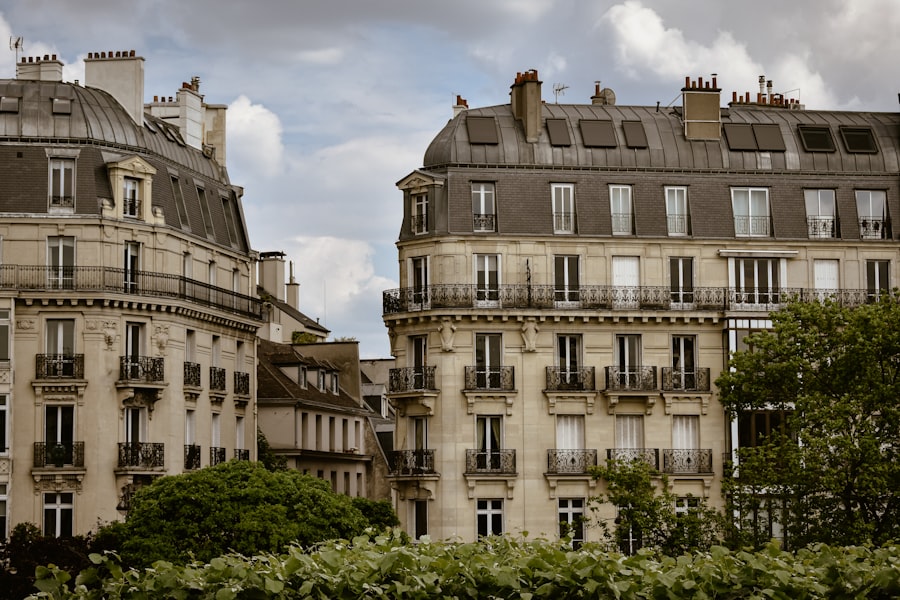
Mastering architecture photography in Paris 2026 is one of the most rewarding creative journeys you can take as a photographer this year. The French capital is a playground of visual history, where ultra-modern structures stand in perfect harmony with centuries-old stone facades. Whether you are aiming to capture the metallic symmetry of the Eiffel Tower, the futuristic curves of the Fondation Louis Vuitton, or the classic Haussmannian apartment blocks, I am here to coach you through the process. Your photos will look incredibly professional once you understand how to control your camera and read the unique Parisian light.
The Evolution of Parisian Architecture in 2026
First, let's look at how the cityscape has transformed. As we explore the streets today, we see a beautiful blend of old-world charm and eco-modernism. This evolution means your approach to architecture photography in Paris 2026 needs to be dynamic. We are no longer just shooting static stone; we are capturing the interaction of glass, living green walls, and historic ironwork. To do this successfully, you must move beyond automatic mode and take full control of your manual camera settings.
The secret is learning how to balance the extreme contrasts of the city. Paris is famous for its limestone buildings, which reflect a soft, milky light during overcast days but can create harsh highlights under the midday sun. By mastering a few technical fundamentals, you will be able to preserve the delicate textures of these historic facades without blowing out the bright Parisian sky.
Essential Camera Settings for Architecture
Now try this: toggle your camera dial to Manual (M) mode. I know it can feel intimidating at first, but I promise it is the key to unlocking your creative potential. To help you get started, I have put together a quick-reference guide of the exact settings you should use when walking the historic streets.
Your Recommended Settings Cheat Sheet
- File Format: Always shoot in RAW rather than JPEG. A RAW file saves all the uncompressed data from your camera sensor, giving you maximum flexibility to recover shadows and highlights later in editing programs like Adobe Lightroom.
- ISO: Keep your ISO as low as possible, ideally between 100 and 400. ISO controls your camera sensor's sensitivity to light. A low ISO ensures your images are clean, crisp, and free of digital noise or grain.
- Aperture: Use a mid-to-high f-number, such as f/8 to f/11. This creates a deep depth of field, ensuring that both the foreground details and the distant background structures remain razor-sharp.
- Exposure Compensation: When shooting bright white limestone buildings against a bright sky, your camera might underexpose the image. Use your exposure compensation dial to bump the exposure up by +0.3 or +0.7 to keep those whites looking clean and bright.
The Golden Rule of Architecture Photography: Keep your camera perfectly level. Even a slight upward or downward tilt will cause vertical lines to converge, making beautiful historic buildings look like they are falling backward. Use your camera's electronic level to keep your horizons straight!
How I Saved a Ruined Shot at the Louvre
I want to share a personal story with you about a time I failed, and how I fixed it. A few years ago, I was standing in the courtyard of the Louvre, trying to capture the glass pyramid against the historic palace. I shot in JPEG mode, using automatic settings. The sun was setting directly behind the palace, creating a massive contrast between the dark shadows of the courtyard and the glowing sky.
When I got back to my hotel, the photos were a disaster. The palace was a pitch-black silhouette, and the sky was a washed-out white blob. Because I had shot in JPEG, the camera had discarded all the shadow and highlight details. I had completely missed the essence of architecture photography in Paris 2026 preparation by not planning for high-contrast light.
The next evening, I returned with a new strategy. First, I switched my camera to RAW format. Second, I mounted my camera on a sturdy tripod so I could shoot at a low ISO of 100 for maximum image quality. Finally, I used exposure bracketing—taking three photos at different exposures (one dark, one neutral, one bright). When I blended these RAW files together in post-processing, the result was breathtaking. The stone carvings of the Louvre were rich and detailed, and the warm orange hues of the sunset were perfectly preserved in the glass of the pyramid.
Step-by-Step Guide to Composition in the French Capital
To make your images stand out, you need to move beyond simple postcards and think like an artist. Use this step-by-step method to compose your shots of architecture photography in Paris 2026.
Step 1: Find Your Leading Lines
Look for pathways, rivers, or street curbs that guide the viewer's eyes toward your main subject. The banks of the Seine River are perfect for this. Use the stone walls of the riverbanks to lead the eye directly toward the towers of Notre-Dame or the bridges in the distance.
Step 2: Apply the Rule of Thirds
Imagine your viewfinder is divided into a nine-box grid with two horizontal and two vertical lines. Place your main architectural subjects, like the dome of the Pantheon, along these lines or at their intersection points. This creates a much more balanced and visually pleasing composition than simply placing the building dead-center.
Step 3: Play with Foreground Framing
Don't just shoot a building from an open space. Look for overhanging tree branches, historic archways, or wrought-iron balconies to frame your subject. This adds a sense of depth and scale, making the viewer feel like they are standing right there with you in the streets of Paris.
Step 4: Create Artistic Bokeh with Layering
While most architectural shots require a deep depth of field, you can create stunning abstract images by doing the opposite. Set your aperture to a wide setting like f/1.8 or f/2.8. Focus on a close-up detail, like a decorative door handle or a stone gargoyle, and let the rest of the historic street blur into a beautiful, soft background blur known as bokeh.
Must-Have Gear for Your Paris Photo Walk
Before you pack your bags and head out to explore, make sure you have the right tools for the job. You do not need the most expensive gear on the market, but having a few specific items will make your session of architecture photography in Paris 2026 much more successful.
- A Wide-Angle Lens: A focal length between 16mm and 24mm on a full-frame sensor is essential for capturing towering facades in narrow Parisian streets. If you are shopping for a new lens, check out the latest optics on the Canon Official Site or the Nikon Official Site to find the perfect fit for your camera body.
- A Circular Polarizer Filter: This filter screws onto the front of your lens. It helps reduce reflections on glass buildings and makes the blue skies and white clouds pop with dramatic contrast.
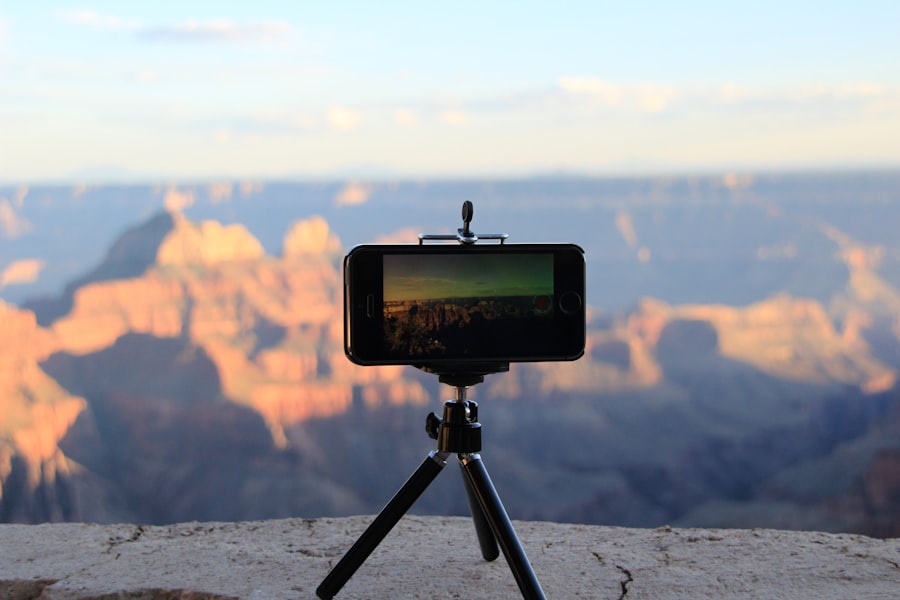
- A Lightweight Travel Tripod: Essential for sharp, long-exposure shots during the blue hour (the hour just after sunset when the city lights turn on).
- Comfortable Walking Shoes: Paris is a city best explored on foot. You will easily walk several miles a day searching for the perfect angles!
Elevating Your Architecture Photography in Paris 2026
Now it is your turn to take these concepts and put them into practice. Don't forget to experiment with different times of day. The warm, golden light of sunrise offers a completely different mood than the dramatic, cool tones of the blue hour. Paris is a city that constantly reinvents itself, and your photos should reflect that energy.
As you practice your architecture photography in Paris 2026, remember that patience is your greatest asset. Wait for the crowds to part, watch how the light moves across the stone, and don't be afraid to make mistakes. Every failed shot is simply a stepping stone toward your next masterpiece. Grab your camera, step out onto the cobblestones, and start capturing the magic of Paris today!
Frequently Asked Questions
What architectural sites in Paris are must-photograph in 2026?
Iconic sites like the Eiffel Tower, Louvre Pyramid, and the newly completed Tour Triangle offer timeless and modern subjects.
What is the best time of day for architecture photography in Paris?
Early mornings and golden hour just before sunset provide optimal natural lighting and fewer crowds.
Do I need a permit for professional photography in Paris public spaces?
Most public spaces are free to photograph for personal use, but commercial shoots require a permit from the city.
What gear is recommended for shooting Parisian architecture?
A wide-angle lens is essential, and a tripod is useful for long exposures near the Seine or at dawn.
Are there any new architectural landmarks opening in Paris in 2026?
The Grand Paris Express extensions and the renewed Les Halles district feature stunning contemporary designs.

Matthias Weber digs into the craft of travel photography, from camera settings to editing. He explains the technical side in plain language so you can spend less time fiddling with dials and more time shooting.
💬 Comments (0)
No comments yet. Be the first!