Peggys Cove seascape photography: Top Spots
Master Peggys Cove seascape photography in 2026. Discover dramatic viewpoints to capture Nova Scotia's raw Atlantic coast.
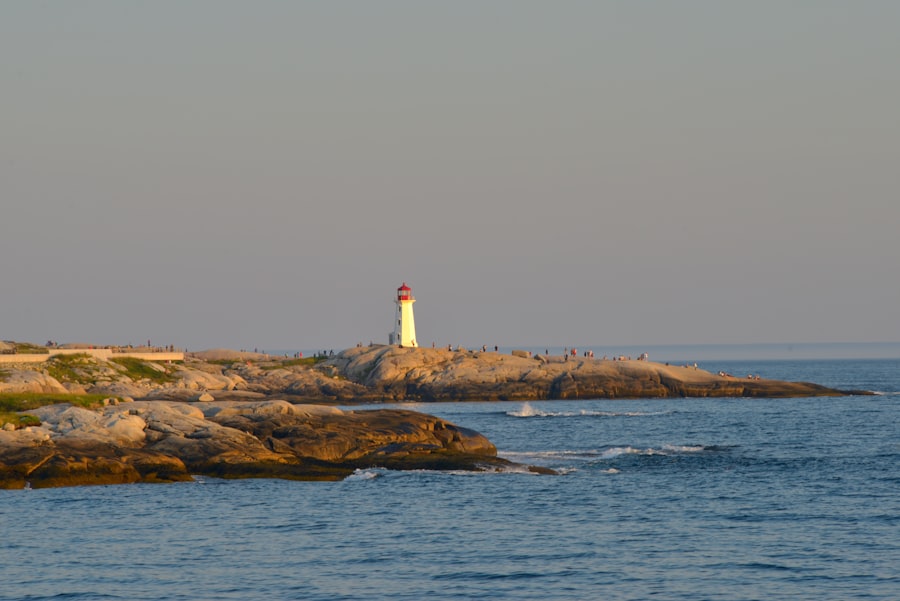
Peggys Cove seascape photography: Top Spots
Peggys Cove seascape photography is a dream for any landscape artist looking to capture the raw, untamed beauty of the Atlantic coastline. Nestled on the eastern shore of St. Margarets Bay in Nova Scotia, this iconic fishing village offers a dramatic blend of polished granite rocks, crashing waves, and the quintessential red-and-white lighthouse that has graced postcards for decades. Whether you are a professional wielding a full-frame camera or an enthusiast with a mirrorless setup, the sheer variety of textures and atmospheric shifts here will challenge and inspire your creative process.
The Lighthouse Iconography
Standing tall against the often-furious North Atlantic, the Peggy Point Lighthouse is the crown jewel of your photographic journey. To capture the perfect shot, you need to understand how the shifting light interacts with the stark white tower. During the golden hour, the lighthouse takes on a warm glow that contrasts beautifully with the deep blues of the ocean.
Finding the Perfect Perspective
When you arrive, skip the crowded boardwalk initially and head toward the lower granite slopes. By positioning your tripod lower to the ground, you can use the natural striations in the rock as leading lines that draw the viewer directly toward the lighthouse. This composition creates a sense of scale, emphasizing the isolation of the structure against the vast horizon.
Timing and Weather
The vibe at the lighthouse changes drastically with the weather. On a calm day, the reflection of the lighthouse on tidal pools can provide a serene, mirror-like image. However, when the fog rolls in, the mood becomes moody and ethereal, perfect for high-contrast black and white photography.
Pro Photography Tips: Always carry a circular polarizer. It is essential for cutting through the glare on the wet rocks and making the deep blues of the Atlantic pop against the white paint of the lighthouse structure.
Exploring the Granite Wasteland
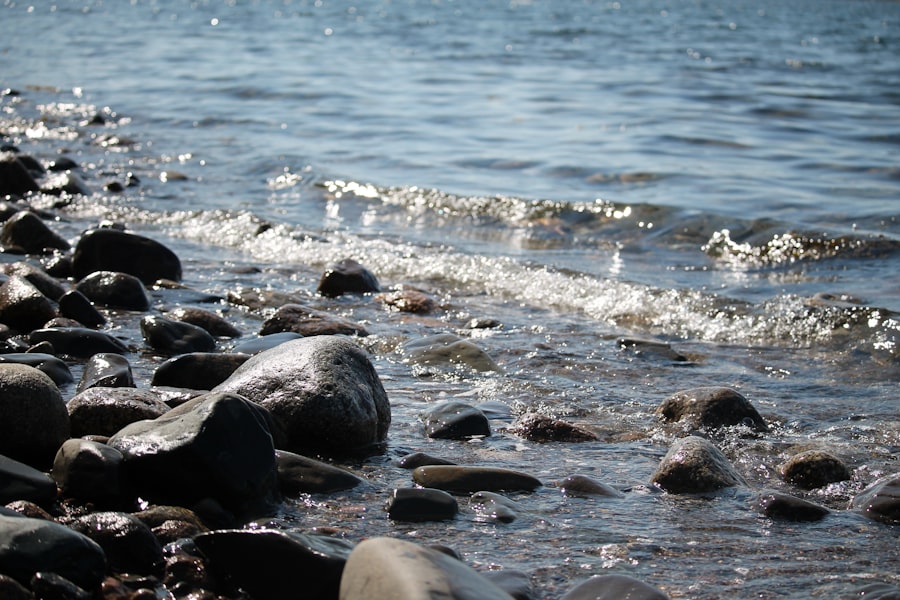
Beyond the lighthouse, the coastal landscape is characterized by massive, glacier-sculpted granite boulders. These rocks are a playground for photographers interested in macro details or vast, sweeping wide-angle shots. The texture of the lichen-covered stone offers incredible depth and interest for your foreground.
Textural Compositions
Focus on the cracks and crevices within the rocks. Using a macro lens or a standard focal length, zoom in on the contrast between the rough, grey granite and the vibrant green lichen. This adds a layer of organic detail to your portfolio that balances out the larger seascape vistas.
Wide-Angle Perspectives
For the classic "ocean meets sky" shot, utilize a wide-angle lens (16mm to 24mm). This framing allows you to capture the sheer expanse of the cove. Ensure your horizon line is perfectly level, as the tilted ocean can ruin an otherwise perfect composition.
The Fishing Village Charm
The village itself offers a completely different aesthetic compared to the rocky shore. It is a colorful, bustling hub of maritime history that deserves your attention before you pack up your gear.
- Look for the colorful lobster traps stacked near the wharf for vibrant pops of color.
- Focus on the weathered texture of the wooden fishing sheds.
- Capture the traditional boats bobbing in the water to add a human element to your shots.
Mastering Camera Settings for Coastal Shots
Achieving high-quality Peggys Cove seascape photography requires a disciplined approach to your camera settings. Because the environment is dynamic, you must be prepared to adjust your exposure settings in real-time.
The Long Exposure Technique
To capture the silky, ethereal flow of the Atlantic waves as they wash over the granite, you need a long exposure. Use an ND filter (at least a 6-stop or 10-stop) to darken the scene, allowing you to drag your shutter speed to 2 seconds or longer. This creates the "misty" water effect that makes coastal images look professional.
Aperture and Depth of Field
For landscapes, aim for an aperture between f/8 and f/11. This sweet spot ensures that your foreground rocks and the distant horizon remain sharp. Going higher than f/16 might introduce diffraction, which can soften your images, so stick to that mid-range aperture for the best results.
Pro Photography Tips: Never neglect your histogram. In bright, reflective coastal lighting, it is very easy to blow out the highlights on the white lighthouse or the crashing foam. Keep an eye on your exposure levels to ensure you are retaining data in both the shadows and the highlights.
Safety and Access Considerations
While the beauty of the region is undeniable, it is vital to respect the power of the ocean. Many visitors underestimate the force of the waves here.
- Stay well back from the "black rocks" which are notoriously slippery and frequently hit by rogue waves.
- Wear sturdy hiking boots with excellent grip to navigate the uneven granite terrain safely.
- Check the local tide charts; the most interesting tide pools are only accessible during low tide.
The Best Time of Year to Visit
If you want to avoid the massive crowds and find the best lighting for your Peggys Cove seascape photography, target the shoulder seasons. September and October offer crisp air and fewer tourists, while winter can provide dramatic, icy scenes that are truly unique.
Golden Hour vs. Blue Hour
The golden hour provides that soft, warm light that makes the lighthouse glow, but do not underestimate the blue hour. The 30 minutes after sunset, when the sky turns a deep indigo, provides a moody, cinematic quality that is perfect for long exposures. The contrast between the dark sky and the glowing lighthouse beacon creates a powerful, high-impact image.
Gear Essentials for Your Bag
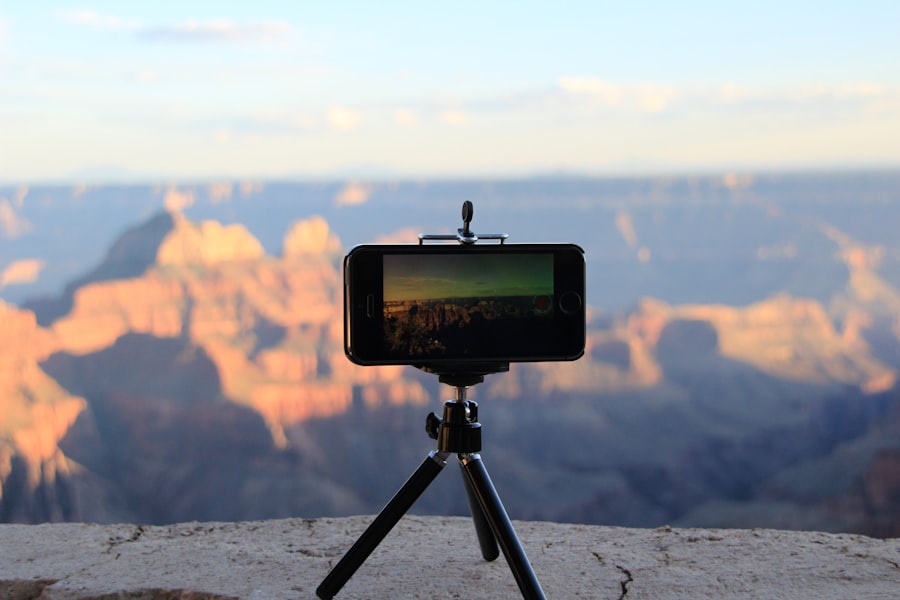
When packing for this trip, remember that the salt spray can be harsh on your equipment. Keep a microfiber cloth handy to wipe your lens elements frequently. A solid, heavy-duty tripod is non-negotiable here; the coastal winds are relentless, and any vibration will compromise your image clarity.
Ultimately, successful seascape work in this region is about patience. Spend time walking the trails, observing how the light moves across the granite, and waiting for the right moment when a wave crashes against the rocks at just the right angle. By focusing on composition, lighting, and respecting the raw environment, you will leave with images that capture the true spirit of the Atlantic coast.
Frequently Asked Questions
What is the best time of day for seascape photography at Peggys Cove?
Sunrise offers soft, golden light illuminating the iconic lighthouse; sunset provides vibrant colors and dramatic skies.
Where is the top spot for unique compositions?
The rocky ledges near the Sou'west Bar offer foreground elements like tide pools and textured stones with a sweeping view.
Do I need a wide-angle lens for Peggys Cove seascapes?
Yes, a wide-angle lens (16-35mm) helps capture expansive scenes, foreground rocks, and the lighthouse simultaneously.
Are there safety tips for photography on wet rocks?
Watch for slippery, algae-covered surfaces and changing tides; slip-resistant boots and a steady pace keep you safe.
Can I capture the Milky Way at Peggys Cove?
Yes, clear summer nights facing southeast provide low light pollution for galaxy shots, but avoid the brightly lit main parking lot.

Oliver Janssen scouts the best photography spots in every destination, from sunrise viewpoints to overlooked angles on famous landmarks. He shares exactly where to stand and when to be there for the shot.
💬 Comments (0)
No comments yet. Be the first!