Kauai aerial photography spots: Top Views
Discover the ultimate Kauai aerial photography spots for your 2026 adventure. Capture stunning helicopter views of Na Pali.
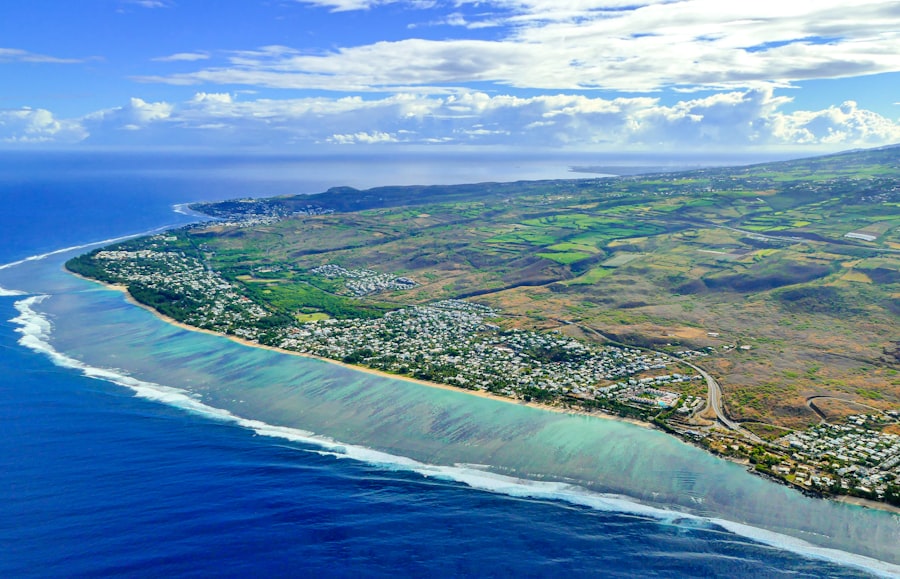
Finding the ultimate Kauai aerial photography spots is like unlocking a treasure chest of raw, untouched natural beauty. From the moment your helicopter leaves the tarmac or your drone takes flight, the Garden Isle transforms into an intricate tapestry of deep emerald valleys, jagged volcanic cliffs, and cascading waterfalls. Capturing this dramatic landscape from above requires preparation, the right gear, and an understanding of how light interacts with the unique topography of Hawaii. This guide will walk you through the most breathtaking aerial vantage points on Kauai, ensuring you capture portfolio-worthy shots of this tropical paradise.
1. The Majestic Napali Coast: Kauai Aerial Photography Spots From Above
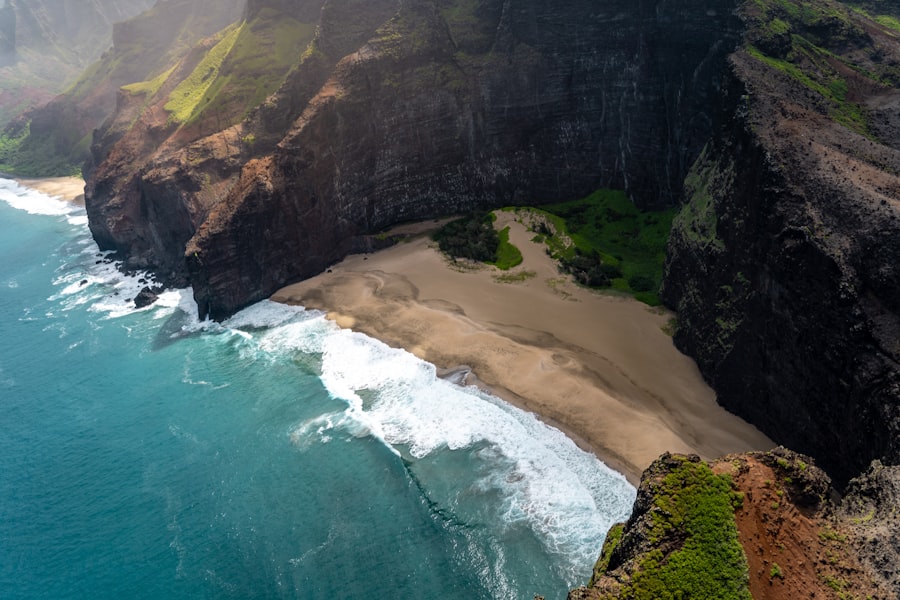
The Napali Coast is the crown jewel of Kauai, a fifteen-mile stretch of towering green sea cliffs that rise up to four thousand feet above the Pacific Ocean. Historically, these remote valleys were home to ancient Hawaiian communities who farmed taro in the fertile soil. Today, there are no roads leading here, making aerial photography the absolute best way to capture its sheer scale. To get the perfect shot, you must understand the interplay of the afternoon sun against the deep, fluted ridges of the cliffs.
Best Lighting and Golden Hour Angles
For the Napali Coast, timing is everything. The ideal lighting occurs during the late afternoon, just before sunset. As the sun begins to dip in the west, it casts a warm, golden glow directly onto the cathedral cliffs, creating deep shadows in the valleys that emphasize the dramatic texture of the landscape. Position your camera at a thirty-degree angle to the coastline to capture the contrast between the orange-lit cliffs and the deep blue ocean water below.
Camera Settings and Composition Tips
When shooting from an open-door helicopter, vibration is your greatest enemy. Keep your shutter speed extremely fast, at least 1/1000th of a second or higher. Use a mid-range zoom lens like a 24-70mm to give you flexibility. For composition, try using the curved shoreline as a leading line that guides the viewer's eye from the foreground ocean waves up into the towering peaks.
Pro Photography Tips: Wear dark clothing to prevent reflections if you are shooting through a helicopter window. If you are flying doors-off, secure your camera strap tightly around your neck and wrist, and never attempt to change lenses mid-flight due to the high winds.
2. Waimea Canyon: The Grand Canyon of the Pacific
Measuring ten miles long and over three thousand feet deep, Waimea Canyon offers a stark, dramatic contrast to the lush green valleys found on the rest of the island. Formed millions of years ago by a catastrophic collapse of the volcano that created Kauai, as well as extreme erosion from the Waimea River, this canyon boasts a vibrant color palette of deep reds, bright oranges, and rich emerald greens. It is easily one of the most stunning Kauai aerial photography spots you can document.
Capturing the Dramatic Color Contrast
The magic of Waimea Canyon lies in its color palette. To make these colors pop, shoot during the mid-morning when the sun is high enough to illuminate the canyon floor but low enough to still create shadows under the jutting rock formations. A circular polarizing filter is essential here to cut through the atmospheric haze and saturate the red dirt and green foliage.
- Vibe: Rugged, ancient, and vast.
- Key Feature: Waipoo Falls, a spectacular eight-hundred-foot waterfall cascading down the canyon walls.
- Best Lens: A telephoto lens (70-200mm) to isolate the dramatic textures of the eroded rock faces.
3. Manawaiopuna Falls: The Iconic Jurassic Park Waterfall
Tucked deep within the privately owned Hanapepe Valley, Manawaiopuna Falls gained worldwide fame after being featured in the opening scenes of the 1993 film Jurassic Park. Because the waterfall is located on private land, it is inaccessible by foot, making aerial photography the only way to capture its four-hundred-foot drop. The waterfall is surrounded by steep, jungle-covered walls that create a dramatic, prehistoric framing for your images.
To capture the scale of Manawaiopuna Falls, you want to focus on your framing. Use the lush green leaves of the valley walls to frame the white water of the falls. This natural framing technique adds depth to your photo, making the viewer feel as though they are peering into a hidden world. Keep your shutter speed relatively fast if you want to freeze the water droplets, or use a neutral density filter if your aerial platform allows for a slightly slower shutter to create a silky water effect.
4. Hanalei Bay: The Perfect Crescent of the North Shore
Hanalei Bay is a magnificent nearly semi-circular bay of golden sand, backed by a majestic backdrop of emerald mountains laced with transient waterfalls. Historically, this bay served as a safe harbor for whaling ships and traders. Today, it is a haven for surfers and ocean lovers. From the air, the bay reveals its incredible coral reef patterns and the striking contrast between the deep blue ocean, the turquoise shallows, and the dark green taro fields of the Hanalei Valley.
Structuring the Perfect Aerial Composition
When photographing Hanalei Bay from above, the key to a great composition is balancing the elements. Use the curve of the beach to partition your frame into thirds: one-third ocean, one-third sand, and one-third lush valley. If you are lucky, you can capture the historic Hanalei Pier jutting out into the turquoise water, providing a strong focal point for your image.
Ideal Weather and Tide Conditions
For the clearest water shots, plan your flight during a high tide on a calm summer morning. High tide fills the bay with clean, clear ocean water, while the morning sun lights up the sandy bottom without creating harsh glares on the water's surface. Check local resources like TripAdvisor for updates on local helicopter tour schedules to match the best weather windows.
Pro Photography Tips: Use a circular polarizer to eliminate the glare of the sun on the water's surface. This allows you to capture the vibrant colors of the coral reefs and sandy shelves hiding just beneath the waves of the bay.
5. Mount Waialeale: Inside the Blue Room of Kauai
Mount Waialeale, which translates to "rippling water" in Hawaiian, is one of the wettest spots on Earth, averaging over four hundred inches of rain per year. This constant deluge has carved deep, sheer canyons into the ancient volcanic caldera, creating a phenomenon known as the "Wall of Tears," where dozens of waterfalls cascade down a central green wall. This is a challenging but highly rewarding location for Kauai aerial photography spots enthusiasts.
- The Vibe: Eerie, mystical, and incredibly lush.
- The Challenge: Heavy cloud cover and rain often obscure the peak, requiring patience and a skilled pilot.
- The Composition: Zoom in on the individual streams of water cutting through the thick moss-covered cliffs.
- Camera Settings: Boost your ISO slightly to maintain a high shutter speed, as the lighting inside the caldera is often dim and moody.
According to experienced pilots and travel guides on Lonely Planet, early morning flights offer the best chance of entering the caldera before the daily cloud buildup blocks the view entirely. The moody, mist-shrouded atmosphere adds an incredible sense of scale and drama to your aerial portfolio.
6. Key Technical Tips for Mastering Aerial Photography in Hawaii
To truly master the art of photographing Kauai from the sky, you need to adapt your technical approach to the rapidly changing tropical environment. High winds, salt spray, and fast-moving aircraft all present unique challenges that can ruin an otherwise perfect shot if you are not prepared.
Selecting the Right Gear and Settings
When it comes to gear, keep it simple. You will not have time or space to change lenses in the air. A high-quality zoom lens is your best option. Set your camera to continuous autofocus (AF-C) to track the fast-moving landscape beneath you. Keep your aperture around f/4 to f/5.6 to allow plenty of light into your sensor while maintaining a sharp focus on the vast landscape below.
- Shutter Speed: Minimum 1/1000s, ideally 1/1600s or faster to combat aircraft vibration.
- ISO: Auto ISO with a maximum limit of 1600 to keep digital noise to a minimum.
- White Balance: Set to Daylight or Cloudy depending on the cloud cover to keep colors natural.
- Drive Mode: Continuous high-speed shooting so you do not miss a single moment.
By understanding the unique lighting, compositions, and technical challenges of these stunning Kauai aerial photography spots, you will return home with an extraordinary collection of images that showcase the raw, untamed beauty of the Garden Isle from a truly breathtaking perspective.
Frequently Asked Questions
What are the best aerial photography spots on Kauai for drone pilots?
The Na Pali Coast and Waimea Canyon offer stunning aerial views. Always check local drone regulations before flying.
Which viewpoint offers the most iconic aerial shots of Kauai?
The Na Pali Coast from the north shore's Kalalau Lookout provides dramatic cliffs and ocean vistas. It's a drone favorite.
Are there any legal restrictions for drones at Kauai's top aerial spots?
Most state parks, including Waimea Canyon and Koke'e, are no-drone zones. You must fly only in legal areas outside of park boundaries.
Can I capture Kauai's waterfalls from the air without a drone?
Yes, helicopter tours are an excellent way to photograph waterfalls like Wailua Falls from above. They provide a smooth, high vantage point.
What time of day is best for taking aerial photos on Kauai?
Golden hours, right after sunrise and before sunset, give the most dramatic lighting for coastal and canyon shots. These times also reduce haze.

Oliver Janssen scouts the best photography spots in every destination, from sunrise viewpoints to overlooked angles on famous landmarks. He shares exactly where to stand and when to be there for the shot.
💬 Comments (0)
No comments yet. Be the first!