Isle of Harris beach photography spots
Plan your epic 2026 trip to Scotland with our visual guide to the top Isle of Harris beach photography spots.
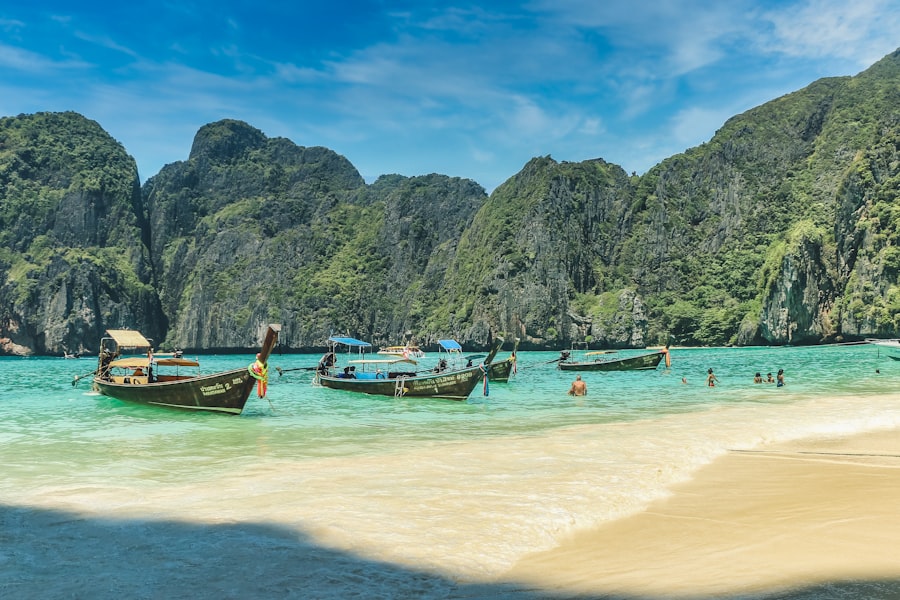
If you are searching for the ultimate coastal paradise to capture with your camera, the Isle of Harris beach photography spots offer an otherworldly landscape of turquoise waters, blindingly white sands, and dramatic mountain backdrops that feel more like the Caribbean than the outer edge of Scotland. Located in the Outer Hebrides, this magical island is a dreamscape for landscape photographers. The sheer variety of textures, from the smooth, wind-swept dunes to the rugged Lewisian gneiss rocks, provides endless creative opportunities. In this comprehensive guide, we will explore the absolute best beaches on Harris, detailing how you can capture their ethereal beauty through your lens.
The Crown Jewel: Luskentyre Sands
No exploration of the Isle of Harris beach photography spots would be complete without starting at Luskentyre. This world-famous stretch of sand is legendary for a reason. When the tide goes out, it reveals miles of wet, reflective sand that acts as a giant mirror for the fast-moving Hebridean clouds. The contrast between the brilliant white sand and the deep turquoise water is nothing short of breathtaking.
Best Angles and Composition at Luskentyre
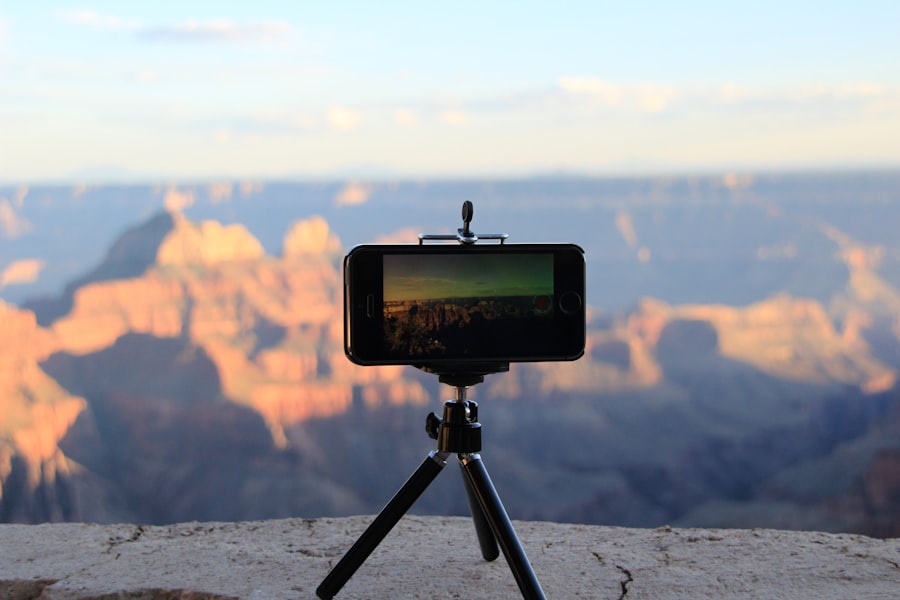
To capture the true scale of Luskentyre, head to the northern end of the beach where the estuary meets the open sea. Here, the sand forms intricate, winding channels as the tide recedes. Use a wide-angle lens (16-35mm) and set your tripod low to the ground to emphasize these leading lines. Frame your shot with the distant, dark hills of North Harris in the upper third of your viewfinder to create a powerful sense of depth and contrast.
Lighting and Vibe for Luskentyre
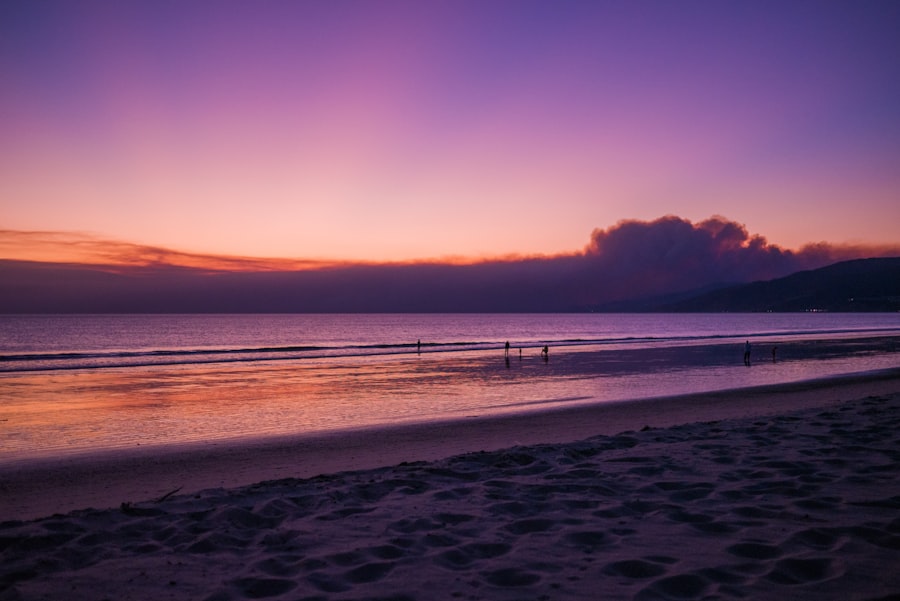
The vibe here changes dramatically depending on the weather. On a bright, partially cloudy day, the water glows with an intense tropical hue. However, the real magic happens during the golden hour. As the sun sinks low over the Atlantic, the wet sand reflects soft pastel pinks, oranges, and purples. According to reviews on TripAdvisor, the ever-shifting weather means no two visits to this beach are ever the same, making it a paradise for repeat photography sessions.
Pro Photography Tip: Bring a high-quality Circular Polarizer (CPL) filter. A polarizer is essential here to cut through the surface glare on the water, saturated the turquoise tones, and make the white sand pop against the sky.
The Dramatic Swell of Seilebost Beach
Directly across the estuary from Luskentyre lies Seilebost Beach. While it shares the same pristine water, its perspective is entirely different. Seilebost is famous for its sweeping dunes covered in vibrant marram grass, which provide excellent foreground interest and framing elements for your coastal compositions.
- Best Tide: Mid-tide is ideal, as it exposes the beautiful sand ripples while keeping enough water in the channels to reflect the sky.
- Access: Park in the designated layby off the A859 road and follow the short, grassy path through the dunes.
- Vibe: Wild, windy, and deeply peaceful.
When photographing Seilebost, use the marram grass to add texture and color to your foreground. Set a narrow aperture (such as f/11 or f/16) to ensure both the blades of grass in the foreground and the distant hills of Harris remain tack-sharp. Watch the wind speed; if the grass is swaying wildly, you may need to bump up your shutter speed to freeze the motion, or intentionally use a longer exposure to capture a soft, painterly blur.
The Hidden Gem of Horgabost Beach
Just a short drive further south, you will find Horgabost Beach. This is a smaller, more intimate bay compared to the vast expanses of Luskentyre. Horgabost is highly favored by photographers for its unique rock formations scattered across the shoreline and its spectacular views looking out toward the uninhabited island of Taransay.
Framing Taransay from Horgabost
Taransay provides the perfect focal point for your background. When composing your shot, look for the small freshwater streams that trickle across the beach into the sea. These streams create beautiful, organic leading lines that guide the viewer’s eye from the bottom of the frame straight out toward Taransay. Try using a neutral density (ND) filter to slow down your shutter speed to 2 or 3 seconds, turning the incoming waves into a creamy, ethereal mist around the shoreline rocks.
Ideal Camera Settings for Horgabost
Because the weather in the Outer Hebrides is incredibly dynamic, you must be prepared to adjust your settings quickly. For classic landscape shots along these Isle of Harris beach photography spots, stick to these baseline settings:
- Shooting Mode: Manual (M)
- ISO: 100 (for maximum image quality and minimal noise)
- Aperture: f/8 to f/11 (the sweet spot for lens sharpness)
- Focus: Single point autofocus, targeting a third of the way into the scene
The Wild Beauty of Scarista Beach
If you are chasing dramatic, high-energy seascapes, Scarista Beach is your ultimate destination. Facing directly into the open Atlantic, Scarista is constantly battered by powerful waves, making it a hotspot for surf and action-focused landscape photography. It is vast, wild, and incredibly atmospheric.
Pro Photography Tip: When shooting in windy, salty environments like Scarista, never change your lenses on the beach. Keep a protective UV filter on your lens to shield the glass from salt spray, and carry plenty of microfiber cloths to wipe down your gear.
To capture the raw power of the ocean at Scarista, experiment with your shutter speed. A fast shutter speed (1/500s or faster) will freeze the dramatic crests of the waves and the exploding sea spray. Conversely, a long exposure of 30 seconds or more will smooth out the chaotic Atlantic swell into a calm, dreamlike fog, contrasting beautifully with the solid, dark cliffs at the southern end of the beach.
The Moody Contours of Nisabost Beach
Nisabost Beach is characterized by its dramatic, sloping dunes and the imposing presence of Toe Head peninsula in the background. It is one of the most versatile Isle of Harris beach photography spots, offering great compositions at both high and low tide. The beach features a mix of fine white sand and dark, seaweed-covered rocks, providing a wonderful contrast of textures.
For a truly unique perspective, hike up the grassy slopes of Macleod's Stone (a historic standing stone located nearby) to look down upon Nisabost. From this elevated viewpoint, you can capture the sweeping curves of the coastline, the gradient of the water from deep blue to pale turquoise, and the tiny figures of walkers below, which helps convey the immense scale of the landscape as recommended by travel guides like Lonely Planet.
Planning Your Hebridean Photography Adventure
Photographing the beaches of Harris requires careful planning and a bit of patience. The weather in this part of Scotland is notoriously unpredictable. You can easily experience rain, wind, blue skies, and dramatic mist all within the span of a single hour. Embrace the changing conditions, as moody, overcast skies often yield far more dramatic and emotional photographs than plain blue skies.
Always check the local tide tables before heading out. Many of these beaches transform completely depending on whether the tide is high or low. Additionally, pay attention to the angle of the sun, which changes drastically between summer and winter. No matter when you visit, these Isle of Harris beach photography spots will reward you with breathtaking imagery and memories of a wild, untouched frontier that will stay with you forever.
Frequently Asked Questions
What is the best time of year to photograph beaches on the Isle of Harris?
Late spring to early autumn offers softer light and vibrant colors, while winter brings dramatic skies and crashing waves for moody shots.
Which is the most photographed beach on Harris?
Luskentyre Beach is the most iconic, famous for its turquoise waters and expansive white sands set against the mountains of North Harris.
Are there any hidden gem beaches ideal for a quiet photography session?
Yes, Nisabost and Scarista beaches offer stunning views with far fewer crowds, perfect for peaceful dawn or sunset photography.
What photography gear is recommended for coastal shooting around Harris?
A wide-angle lens is essential for capturing sweeping seascapes, plus a sturdy tripod and a polarizing filter to reduce glare on wet sand.
Can you photograph sea stacks or coves from the beaches on Harris?
Definitely, but you'll need to walk along the shoreline to find spots like the sea stacks near Mauria, offering dramatic compositions.

Oliver Janssen scouts the best photography spots in every destination, from sunrise viewpoints to overlooked angles on famous landmarks. He shares exactly where to stand and when to be there for the shot.
💬 Comments (0)
No comments yet. Be the first!