Giants Causeway Coastal Photo Spots Guide
Master your composition with our curated guide to the best Giants Causeway coastal photo spots for dramatic travel imagery.
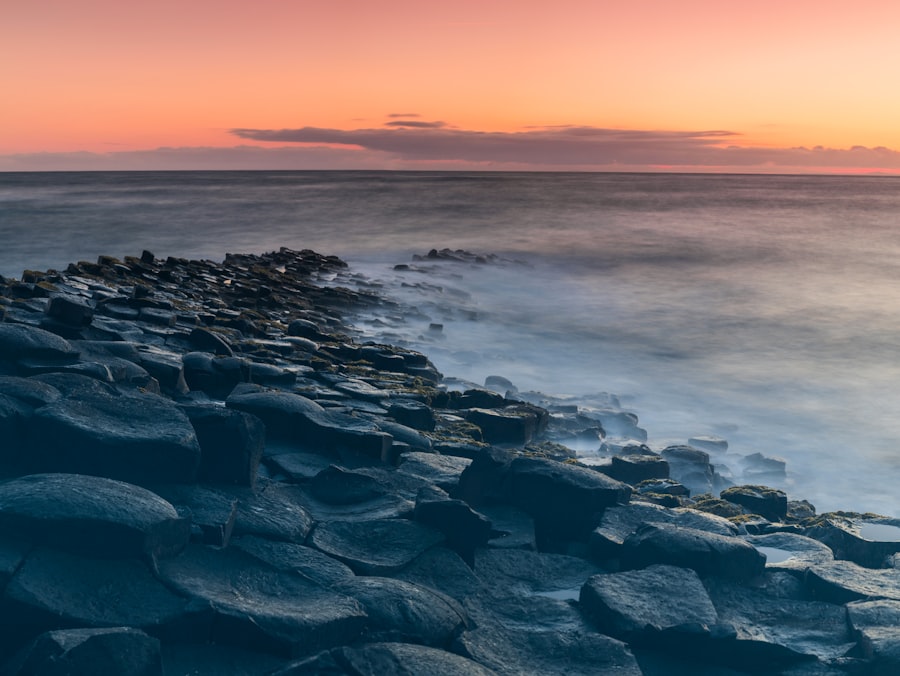
Giants Causeway Coastal Photo Spots Guide
If you are searching for the ultimate Giants Causeway coastal photo spots to capture the raw, untamed beauty of Northern Ireland, you have come to the right place. The Antrim Coast is a photographer's dream, where basalt columns rise from the crashing Atlantic waves and ancient myths feel entirely real. Whether you are aiming to capture the moody essence of a misty morning or the golden glow of a dramatic sunset, this spectacular UNESCO World Heritage site offers endless creative opportunities. In this comprehensive guide, we will explore the absolute best locations, camera settings, and composition secrets to help you bring home breathtaking images.
Understanding the Giants Causeway Landscape
Before you pack your camera gear, it helps to understand the unique geology and folklore of this incredible destination. Formed around 60 million years ago by intense volcanic activity, the causeway consists of roughly 40,000 interlocking basalt columns. Most of these pillars are hexagonal, creating a natural geometric stepping-stone pattern that looks almost man-made. According to local legend, the Irish giant Finn McCool built the causeway to cross the North Channel to challenge his Scottish rival, Benandonner.
For photographers, this mix of geology and mythology creates a mysterious, ancient vibe. When planning your shoot, check the weather and tide times carefully. High tide brings dramatic waves crashing against the rocks, while low tide reveals more of the unique rock formations and reflective rock pools. To help plan your wider Northern Ireland itinerary, you can check out travel recommendations on Lonely Planet for local highlights.
1. The Grand Causeway
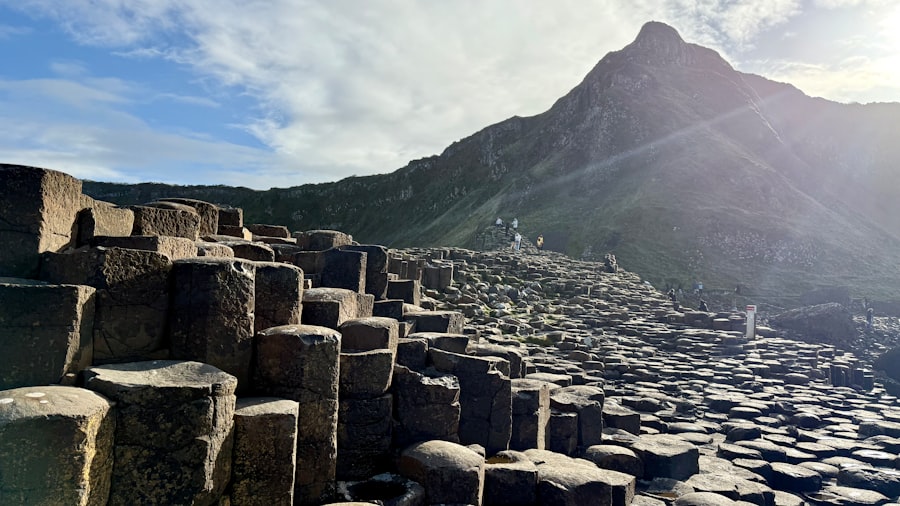
The Grand Causeway is the largest and most famous feature of the entire site. This is where you will find the highest concentration of interlocking basalt columns sloping gently into the sea. It is the absolute heart of all Giants Causeway coastal photo spots, offering classic views that showcase the scale of this natural wonder.
Best Angles and Composition at the Grand Causeway
To capture the sheer scale of the columns, get down low. Positioning your tripod close to the ground allows you to use the hexagonal tops of the pillars as leading lines, drawing the viewer's eye from the foreground straight toward the ocean. Look for unique patterns in the stone blocks, and try to frame your shot so the repetitive geometry contrasts with the wild, chaotic movement of the water.
Mastering the Lighting and Camera Settings
The best lighting for this spot occurs during the golden hour, just before sunset. The low sun casts long, dramatic shadows across the pillars, highlighting their three-dimensional shapes. Use a wide-angle lens (around 16mm to 24mm) to capture the vastness of the scene. To achieve a dreamy, ethereal look, use a Neutral Density (ND) filter to slow down your shutter speed to 2 or 3 seconds, turning the crashing waves into a smooth, smoky mist.
Pro Photography Tips: Always carry a high-quality microfiber cloth in your pocket. The sea spray at the Grand Causeway is constant, and you will need to wipe your lens element between almost every single shot to avoid blurry spots in your final images.
2. The Giant's Boot and Wishing Chair
Located just a short walk along the main path past the Grand Causeway, you will find several distinct rock formations that have earned whimsical names over the centuries. The Giant's Boot is a solitary rock shaped remarkably like a massive shoe, while the Wishing Chair is a natural throne formed by a perfectly arranged cluster of basalt columns.
Walking Directions to the Wishing Chair
From the main visitor center, follow the blue trail downward toward the shoreline. Pass the main cluster of the Grand Causeway and continue along the coast for about five minutes. You will spot the Wishing Chair on your right, where the stones form a natural seat that has been smoothed down by millions of visitors over the years.
Framing and Creative Angles
Because these spots are highly popular, capturing them without crowds can be a challenge. Aim for an extremely early sunrise shoot to have the area to yourself. Use a tight framing technique to exclude surrounding paths and focus purely on the textures of the stone. Here are three excellent compositions to try at this location:
- The Wishing Chair Portrait: Use a shallow depth of field (around f/2.8) to isolate the stone seat against a soft, blurred background of the ocean.
- The Boot Silhouette: Position yourself so the Giant's Boot is backlit by the rising sun, creating a strong, dark silhouette against the colorful sky.
- Geometric Textures: Zoom in closely on the smoothed, polished tops of the basalt columns around the Wishing Chair to create abstract, patterned images.
3. The Amphitheatre Viewpoint
If you want to escape the crowds at sea level and capture a grand, sweeping landscape, make your way up to the cliff paths. The Amphitheatre is a spectacular semi-circular bay surrounded by towering, vertical basalt cliffs that look like giant organ pipes. It is one of the most dramatic Giants Causeway coastal photo spots for wide-angle landscape photography.
How to Reach the Cliff Path
From the Grand Causeway, look for the red trail that climbs up a series of steep stone steps known as the Shepherd's Steps. Once you reach the top of the cliffs, turn right and follow the path along the edge. The Amphitheatre viewpoint is clearly marked and offers a safe, fenced viewing platform overlooking the bay far below.
Capturing the Vibe of the Cliffs
The vibe here is incredibly grand and isolated. To truly capture the scale of the cliffs, try to include a human element in your frame, such as a hiker walking along the distant path. This gives the viewer a sense of perspective against the massive rock walls. During the blue hour, just after sunset, the cliffs take on a deep, mysterious blue hue that contrasts beautifully with the warm, glowing lights of the distant coastline. For more details on accessibility and trail conditions, you can consult the official guides on TripAdvisor.
4. Port Noffer and the Camel's Back
Port Noffer is the wide, stony bay that you walk through on your way from the visitor center to the main causeway. It features a rocky shoreline littered with dark basalt boulders and offers an excellent view of a distant rock formation known as the Camel, which resembles a resting beast at the edge of the sea.
Composition and Leading Lines
Port Noffer is an excellent spot for foreground interest. Use the large, dark boulders scattered along the shoreline to create strong leading lines pointing toward the Camel in the background. By utilizing a low camera angle, you can make the wet stones in the foreground appear larger and more dramatic, especially when they reflect the colors of the sky.
Pro Photography Tips: Use a circular polarizer filter when shooting at Port Noffer. This will help eliminate harsh glare from the wet rocks and sea surface, enriching the natural dark tones of the basalt and making the green algae on the rocks pop.
5. Essential Gear and Practical Travel Tips
Photographing the Northern Ireland coast requires a bit of preparation due to the unpredictable weather. To make the most of your photographic journey to these Giants Causeway coastal photo spots, you should come prepared with the right gear and safety knowledge.
Recommended Photography Gear
To capture the best possible images, we recommend packing the following essential equipment in your camera bag:
- Sturdy Tripod: The coastal winds here can be incredibly strong. A heavy, stable tripod is essential for sharp long-exposure shots.
- Neutral Density Filters: A 6-stop or 10-stop ND filter is crucial for slowing down your shutter speed to create beautiful, smooth water motion.
- Wide-Angle Lens: A lens in the 16-35mm range is perfect for capturing the sweeping vistas of the cliffs and the expansive column fields.
- Weather Sealing: Rain can blow in from the Atlantic at a moment's notice. Protect your camera body with a dedicated rain sleeve or a simple plastic bag.
Safety and Respecting the Landscape
The basalt rocks can become incredibly slick and slippery when wet, especially those covered in green seaweed close to the water's edge. Always wear sturdy hiking boots with excellent grip. Never turn your back on the ocean, as rogue waves can occasionally sweep over the lower columns. Stick to the designated paths along the cliff edges, as the grassy slopes can be unstable and prone to erosion. By respecting the natural environment, you ensure this beautiful site remains preserved for future generations of photographers.
Frequently Asked Questions
What are the best photo spots at the Giant's Causeway for sunrise?
The Grand Causeway and Port Noffer offer stunning sunrise views with golden light on the basalt columns.
Where can I capture unique hexagonal patterns without crowds?
Explore the Organ and Shepherd's paths for less touristy angles of the hexagonal formations.
What time of day provides the most dramatic coastal scenes?
Golden hour (just after sunrise or before sunset) enhances the contrast between the rocks and sky for the most striking photos.
Which spot is ideal for photographing the nearby chimney stacks?
The viewpoint near the Rotunda Shelter offers a perfect frame for the Giant's Chimney stacks in silhouette.
Are there any hidden locations requiring a short hike for better photos?
Head towards the Amphitheater viewpoint via the Red Trail for a bird's-eye view of the entire coastline and columns.

Oliver Janssen scouts the best photography spots in every destination, from sunrise viewpoints to overlooked angles on famous landmarks. He shares exactly where to stand and when to be there for the shot.
💬 Comments (0)
No comments yet. Be the first!