10 Best Lake Louise Photo Spots
Explore the ultimate Lake Louise photo spots to shoot glassy reflections and glowing larch trees during your next mountain trip.
10 Best Lake Louise Photo Spots
When you first lay eyes on the crown jewel of Banff National Park, the sheer brilliance of the turquoise water against the rugged, snow-capped Canadian Rockies will take your breath away. Finding the ultimate Lake Louise photo spots is the key to capturing this natural wonder in all its glory. Whether you are aiming to capture a moody, mist-shrouded sunrise or a vibrant afternoon reflection, this iconic glacial lake offers endless opportunities for photographers of all skill levels. In this comprehensive guide, we will explore the absolute best vantage points, complete with technical tips, historical context, and precise directions to elevate your travel photography game.
1. The Classic Lake Louise Lakeshore
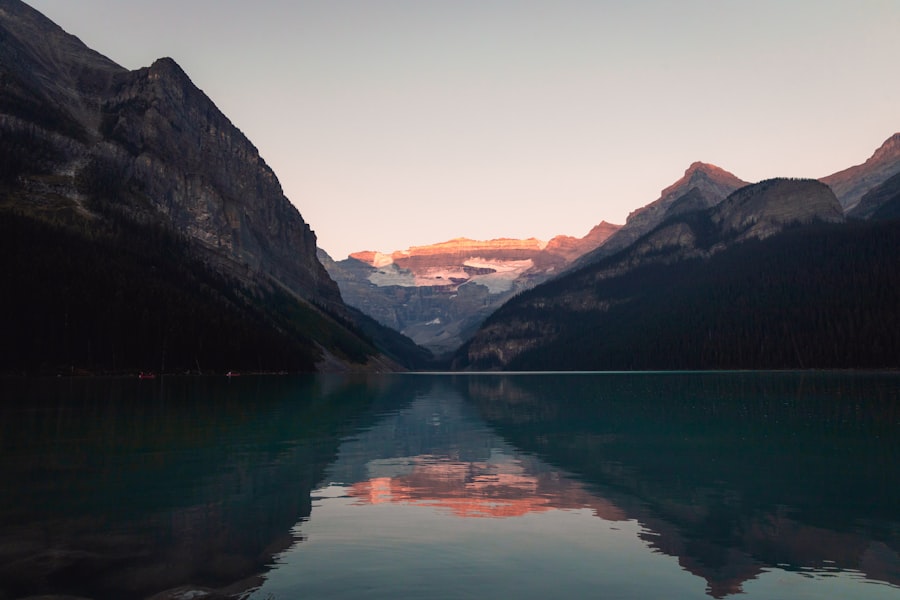
The most famous view of the lake is also the easiest to access. Located just steps from the main parking lot and the historic Fairmont Chateau Lake Louise, this iconic spot offers an unobstructed view looking straight down the center of the lake toward the towering Victoria Glacier. The water here gets its famous bright turquoise color from rock flour (fine silt) suspended in the water, which refracts the light in a unique way.
Best Lighting and Composition at the Shore
To capture the ultimate shot, you want to arrive at first light. During sunrise, the peak of Mount Victoria glows with a warm, golden hue while the water remains perfectly still, acting as a giant mirror. For the best composition, position your tripod low to the ground to include the colorful shoreline pebbles in your foreground. This adds depth and guides the eye of the viewer directly toward the glacier in the background.
Pro Photography Tip: Use a Medium ND (Neutral Density) filter and a circular polarizer. The polarizer will cut through the surface glare of the water, revealing the beautiful rocks below, while enhancing the rich turquoise saturation of the lake.
2. The Fairview Lookout Trail
If you want to escape the crowds at the shoreline and gain some elevation, the Fairview Lookout is your best bet. This short but steep hike takes you up the forested side of the mountain, offering a unique, elevated perspective of both the lake and the historic Fairmont Chateau.
- Distance: 2.0 km round trip
- Elevation Gain: 100 meters
- Difficulty: Easy to Moderate
- Best Time: Late morning when the sun illuminates the entire valley
Framing the Fairmont Chateau
From this wooden viewing platform, you can use the surrounding pine trees for natural framing. By positioning the dark green branches on the sides of your shot, you create a beautiful border that highlights the bright blue water and the grand hotel nestled on the shore. Use a wide-angle lens to capture the grand scale of the entire landscape.
3. The Rockpile and Canoe Docks
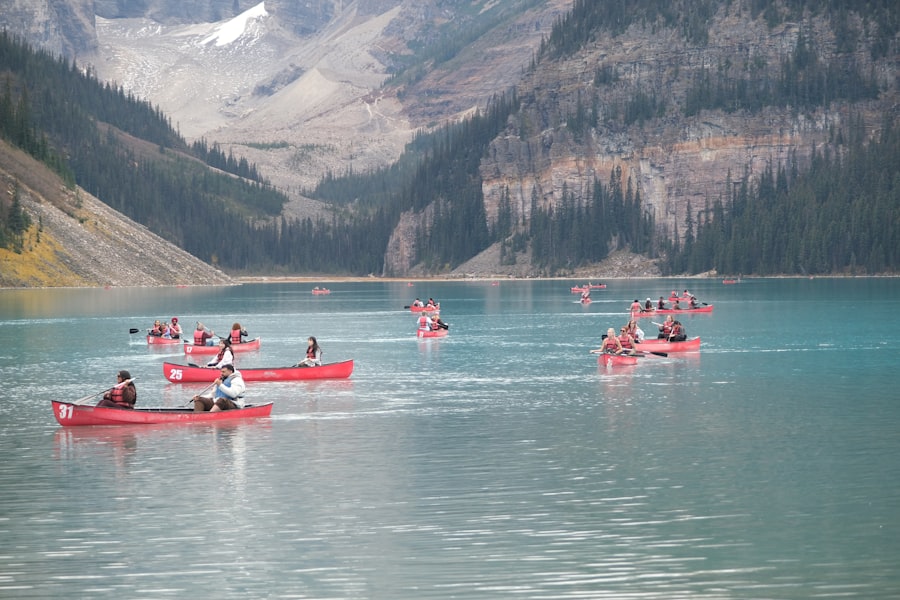
Just to the left of the main viewing area lies the wooden canoe docks. This is one of the most popular Lake Louise photo spots because the bright red canoes provide a stunning color contrast against the cool blue tones of the water. This spot has a very adventurous, classic Canadian vibe that translates beautifully to social media.
Angles and Creative Perspectives
Try shooting from a low angle, placing the edge of a red canoe in the bottom corner of your frame. If you want to rent a canoe, you can get incredible mid-lake shots looking back at the shore. For camera settings, use a fast shutter speed (at least 1/250s) to compensate for the gentle bobbing motion of the water, ensuring your image remains tack-sharp.
4. The Lake Louise Lakeshore Trail
Most visitors stay near the hotel, but walking along the flat, easy Lakeshore Trail opens up a world of new compositions. As you walk toward the back of the lake, the perspective of Mount Victoria changes dramatically, and the crowds quickly thin out.
Discovering Hidden Reflection Pools
As you near the far end of the lake, about 2 kilometers in, look for small, calm inlets where the water is shielded from the wind. These tiny pools offer flawless, mirror-like reflections of the surrounding mountains even on breezy days. Keep your eyes open for unique driftwood and glacial silt deposits to use as interesting foreground elements.
Pro Photography Tip: Set your camera to Aperture Priority mode at f/8 or f/11. This keeps the entire scene, from the driftwood in the foreground to the distant glacier peaks, in sharp focus.
5. The Plain of Six Glaciers Trail
For the adventurous photographer, the Plain of Six Glaciers Trail is an absolute must. This trail takes you high above the lake, past massive rock faces, and closer to the ancient glaciers that feed Lake Louise. The historic Swiss-built tea house along the trail offers a fantastic spot to rest and take photos.
Capturing High-Alpine Drama
The vibe here is rugged, raw, and powerful. You are surrounded by massive peaks and the frequent sound of distant avalanches. To capture the scale of this landscape, look for hikers on the trail to use as a point of reference. Including a human element in your composition emphasizes the immense size of the mountain peaks.
6. The Little Beehive Viewpoint
For one of the most breathtaking panoramic views in the entire Banff region, make the climb up to the Little Beehive. This trail branches off from the Lake Agnes trail and takes you to an exposed ridge overlooking the entire Bow Valley.
- Hiking Time: 2 to 3 hours round trip
- Vibe: High-altitude adventure, dramatic panoramas
- Key Visuals: The vibrant blue of Lake Louise contrasted against the deep green valley floor
- Gear Recommendation: A sturdy tripod is essential due to high winds at the summit
Getting the Perfect Panorama
From this height, the lake looks like a small, glowing turquoise jewel dropped into a sea of green forest. To capture this, shoot in portrait orientation and stitch multiple photos together to create a high-resolution panorama. The best lighting occurs during the golden hour just before sunset, when the warm light rakes across the valley.
7. The Historic Lake Agnes Tea House
Nestled high in the mountains above Lake Louise sits Lake Agnes and its famous rustic wooden tea house, built by the Canadian Pacific Railway in 1901. This location offers a step-back-in-time feel that is perfect for storytelling photography.
Composition and Storytelling
Capture the rustic architecture of the tea house framed by the jagged peaks of Mount Whyte and Mount Niblock. Mirror reflections on the glassy surface of Lake Agnes are common in the early morning. Try shooting through the wooden railings of the tea house deck to create a cozy, inviting alpine atmosphere.
8. The Big Beehive Summit
If you continue past Lake Agnes and climb the steep switchbacks, you will reach the Big Beehive. At the summit, you will find a historic wooden gazebo that has sheltered travelers for over a century. This is one of the most dramatic Lake Louise photo spots for capturing the sheer depth of the valley.
Creative Framing and Angles
Position your camera inside the wooden gazebo, shooting outward through the open windows. This architectural framing creates a natural border for the vivid turquoise water of Lake Louise lying thousands of feet below. Use a wide-angle lens to capture both the rustic wooden interior and the massive landscape outside.
9. The Bow Valley Parkway Junction
While not directly on the lakeshore, the drive leading up to Lake Louise offers some incredible photo opportunities. The junction where the Bow Valley Parkway meets the Lake Louise area is famous for wildlife sightings and dramatic road-trip style photography.
Capturing the Classic Mountain Road Shot
To safely capture this shot, find a safe pullout along the road. Use a telephoto lens (70-200mm) to compress the perspective. This makes the massive mountains in the background appear much larger and closer to the road, creating a powerful, cinematic image of your mountain journey.
10. The Winter Wonderland Wonderland
Lake Louise transforms into a magical snowy paradise during the winter months. The frozen lake, the ice castle carvings, and the snow-dusted pine trees offer an entirely different set of visual opportunities that look straight out of a fairy tale.
- Best Features: Giant hand-carved ice castles, horse-drawn sleighs, and ice skaters
- Lighting Challenge: Snow can trick your camera's light meter, making images look gray
- Camera Adjustment: Overexpose your shots by +0.7 or +1.0 to keep the snow looking bright and white
Capturing Winter Reflections and Textures
Look for close-up shots of the intricate ice carvings with the glowing Fairmont Chateau in the background. The contrast between the cold blue ice and the warm lights of the hotel creates a cozy and festive vibe. Keep your camera batteries close to your body inside your jacket, as the freezing alpine air will drain them quickly.
Planning Your Photography Trip
To make the most of your visit to these incredible locations, timing is everything. Banff National Park is extremely popular, and parking lots at the lake often fill up before sunrise during the peak summer months. Plan your transportation ahead of time by visiting official resources like Parks Canada to book shuttles, and check travel planning sites like TripAdvisor for the latest trail conditions and user tips. By preparing for the elements and arriving early, you will secure the perfect spots to capture the timeless beauty of this mountain paradise.
Frequently Asked Questions
What is the best time of day to photograph Lake Louise?
Early morning or late evening offers the softest light and calmest water for reflections. Midday can be harsh and crowded.
Where is the most iconic photo spot at Lake Louise?
The shoreline near the Fairmont Château Lake Louise provides the classic view of the turquoise water and glacier. This is the most photographed angle.
Can I photograph Lake Louise from the trails without hiking?
Yes, the Lakeshore Trail is flat and accessible, and offers several unique viewpoints within easy walking distance. Stops along the trail give different perspectives.
What equipment is recommended for photographing Lake Louise?
A wide-angle lens captures the vast scenery, and a polarizing filter reduces glare on the water. A tripod is useful for sharpness in low light.
Are there hidden photo spots that avoid the crowds?
The Fairview Lookout trail offers a high-angle view that is less crowded, and the canoe dock area often has fewer people at sunrise. Both give unique perspectives.

Oliver Janssen scouts the best photography spots in every destination, from sunrise viewpoints to overlooked angles on famous landmarks. He shares exactly where to stand and when to be there for the shot.
💬 Comments (0)
No comments yet. Be the first!