Vancouver Travel Guide 2026: First-Timer Tips
Plan your trip with the ultimate Vancouver travel guide 2026. Get insider tips on top attractions, transport, and where to stay.
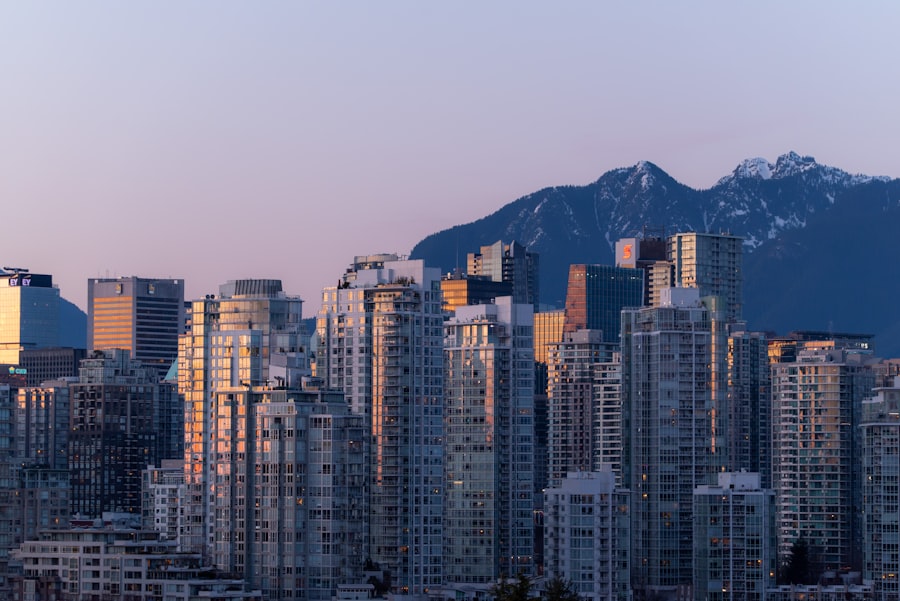
Your comprehensive vancouver travel guide 2026 is designed to help first-time visitors navigate this stunning coastal city with confidence and ease. Vancouver in 2026 continues to shine as one of North America's most livable and visitable cities, blending urban sophistication with breathtaking natural beauty. This vancouver travel guide 2026 focuses on practical details that save you time, money, and frustration, drawing on local knowledge and current offerings to give you an authentic experience.
Getting to Know Vancouver in 2026
Vancouver sits between the Pacific Ocean and the Coast Mountains, creating a dramatic backdrop that defines the city's character. The mild climate makes it a year-round destination, though summer months from June to September offer the most reliable weather for outdoor activities. In 2026, the city has invested heavily in sustainable tourism initiatives, making it easier than ever to explore without a car. You will find that neighborhoods have become more distinct, each offering a unique flavor and atmosphere. From the historic cobblestones of Gastown to the beachside vibes of Kitsilano, Vancouver rewards those who venture beyond the downtown core. Your vancouver travel guide 2026 recommends starting your trip by getting oriented along the waterfront at Canada Place.
Where to Stay: Neighborhoods for Every Budget
Downtown and the West End
If you want to be in the heart of the action, downtown Vancouver and the West End offer the highest concentration of hotels, restaurants, and attractions. Booking.com shows average nightly rates for mid-range hotels in 2026 ranging from 220 to 350 Canadian dollars, with luxury properties reaching 500 dollars or more. The West End gives you easy access to Stanley Park and English Bay Beach, making it ideal for first-time visitors. Your vancouver travel guide 2026 suggests booking accommodation in the West End for the best balance of convenience and value.
Kitsilano and Granville Island Area
For a more relaxed, neighborhood feel, Kitsilano offers boutique hotels and vacation rentals close to beaches and yoga studios. You will find better value here, with rates often 15 to 20 percent lower than downtown. Granville Island, with its famous public market, is a short walk or ferry ride away. This area is perfect if you prefer a quieter base with easy access to nature.
Gastown and Yaletown
These historic neighborhoods are perfect if you enjoy brick-lined streets, independent cafes, and a lively after-dark scene. Gastown is older and grittier in the best way, while Yaletown feels more polished with its high-end boutiques and waterfront restaurants. Both neighborhoods have excellent transit connections and are within walking distance of most major attractions.
How to Get Around Vancouver
Vancouver's public transit system, TransLink, is efficient and affordable. The SkyTrain, Canada Line, and SeaBus connect most major areas. You can purchase a Compass Card for 6 dollars and load it with credit for individual trips. A day pass costs 11 dollars for zones 1 and 2, which covers nearly all tourist destinations. Pro tip for you: the Canada Line from Vancouver International Airport to downtown takes only 25 minutes and costs less than 4 dollars with a Compass Card, far cheaper than a taxi or rideshare. This vancouver travel guide 2026 strongly recommends purchasing a Compass Card as your first step after arriving.
- SkyTrain (Expo and Millennium Lines): Connects downtown with Burnaby, Surrey, and Coquitlam. Trains run every 3 to 6 minutes during peak hours. A single trip within zone 1 costs 3.20 dollars.
- Canada Line: Links the airport to downtown via central stations like Waterfront and Vancouver City Centre. This is your best option for airport transfers in 2026.
- SeaBus: A passenger ferry that crosses Burrard Inlet between Waterfront Station and Lonsdale Quay in North Vancouver. It runs every 15 minutes and offers stunning views of the harbor.
- Bus Network: Extensive and reliable, with routes covering every neighborhood. The 250 bus to Horseshoe Bay and the 19 bus to Stanley Park are particularly useful for tourists.
Top Things to Do in Vancouver
Vancouver packs an incredible range of experiences into a compact area. Whether you prefer outdoor adventures, cultural attractions, or culinary exploration, you will find something to love. According to TripAdvisor, the top-rated experiences in 2026 include Stanley Park, Granville Island Market, and the Capilano Suspension Bridge, each with over 10,000 positive reviews. This vancouver travel guide 2026 suggests booking Capilano Suspension Bridge tickets online in advance to save time and money.
- Stanley Park: Walk, bike, or rollerblade the 10-kilometer seawall around this urban oasis. Rent a bike from Spokes Bicycle Rental for around 35 dollars for two hours. The park also houses the Vancouver Aquarium and numerous beaches.
- Granville Island Public Market: Open daily from 9 AM to 7 PM, this market features over 50 vendors selling fresh produce, artisan cheeses, seafood, and prepared foods. Try the famous Lee's Donuts for a sweet treat.
- Grouse Mountain: Take the Skyride up to the peak for panoramic views, hiking trails, and wildlife encounters. A round-trip ticket costs 65 dollars for adults. In winter, you can ski or snowboard just 20 minutes from downtown.
- Capilano Suspension Bridge: Walk 70 meters above the Capilano River on this iconic bridge. Admission is 60 dollars, but you can save by booking online in advance as this vancouver travel guide 2026 recommends.
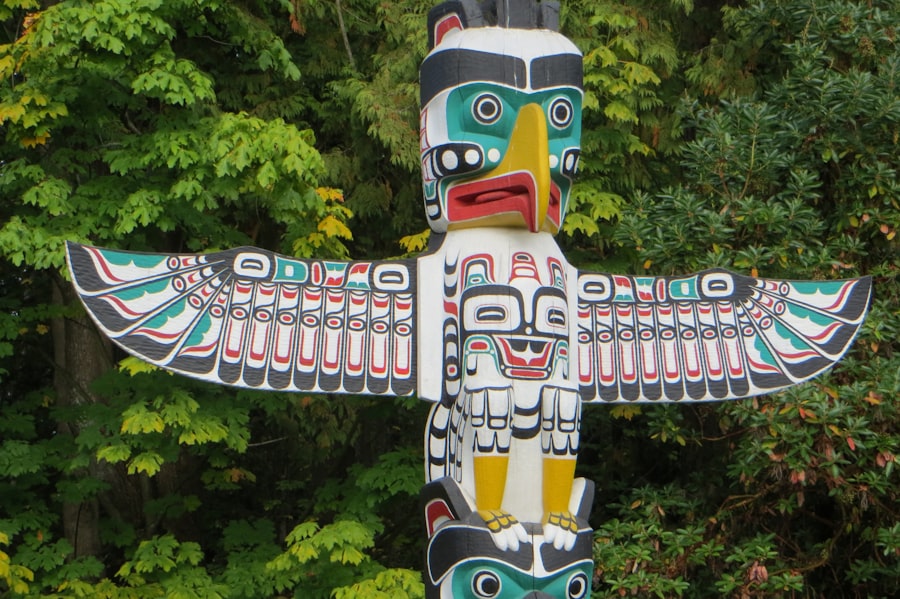
- Museum of Anthropology at UBC: Houses an extraordinary collection of First Nations art and cultural artifacts. Admission is 18 dollars, and the building itself is an architectural masterpiece.
Where to Eat in Vancouver
Vancouver's food scene in 2026 is more diverse than ever, with a strong emphasis on fresh, local ingredients. You can eat well at every price point, from street food to fine dining. This vancouver travel guide 2026 suggests exploring Granville Island Market for the freshest local ingredients and prepared meals.
- Granville Island Market: Grab a bowl of chowder from the Lobster Man or a sushi platter from Osaka Sushi. Lunch for two costs around 30 to 40 dollars.
- Chinatown and Richmond: Vancouver has some of the best Chinese food in North America. Try Kam Wai Dim Sum for authentic dumplings, with lunch specials starting at 12 dollars per person. Richmond, just south of Vancouver, offers even more options.
- Robson Street: This bustling thoroughfare is lined with international restaurants, sushi bars, and cafes. A bowl of ramen at Kintaro Ramen costs about 15 dollars and is worth every penny.
- Food Trucks: Scattered throughout the city, food trucks offer quick, affordable meals. Japadog serves Japanese-style hot dogs for 7 to 10 dollars, and Tacofino offers fresh Baja-style tacos for around 12 dollars for two.
Money-Saving Secrets and Traveler Warnings
Money-Saving Secret: If you plan to visit multiple attractions, purchase a Vancouver City Pass. For 99 dollars, you get admission to Stanley Park Aquarium, Capilano Suspension Bridge, Grouse Mountain, and five other attractions. This pass saves you up to 40 percent compared to buying individual tickets. I used this on my last trip in 2026 and saved over 80 dollars. This vancouver travel guide 2026 recommends the City Pass for budget-conscious travelers who want to see the highlights.
Now let's talk about a few things to watch out for. Vancouver is generally safe, but like any major city, it has areas where you should exercise caution. The Downtown Eastside neighborhood, bordered by Main Street and Carrall Street, has a visible homeless population and open drug use. While it is safe to walk through during the day, I recommend you avoid the area at night. Also, property crime can be an issue, especially in tourist-heavy areas. Keep your valuables secure and never leave luggage visible in a parked car.
If you're wondering about weather, pack layers regardless of the season. Vancouver's weather can change quickly, even in summer. A light rain jacket is essential year-round.
Final Tips for Your 2026 Adventure
This vancouver travel guide 2026 would not be complete without a few final pieces of advice. First, invest in a Compass Card as soon as you arrive. It works on all transit modes and saves you the hassle of buying single tickets. Second, explore beyond the tourist trail. Visit neighborhoods like Commercial Drive for its Italian cafes and independent bookstores, or Mount Pleasant for its craft breweries and street art. Third, take advantage of Vancouver's natural surroundings. A day trip to Whistler, Bowen Island, or Victoria via ferry is easy and rewarding.
Moving on to practical matters
Summer (June to August) offers the warmest weather and most events, while fall (September to October) has fewer crowds and mild temperatures. Most travelers need an eTA unless exempt; check Canada's official immigration website for updates before booking. Stanley Park, Granville Island, and Capilano Suspension Bridge are top spots; don't miss Grouse Mountain if time allows. Use the SkyTrain and buses with a Compass Card; biking is also easy with Vancouver's extensive bike lanes. Bring layers and a waterproof jacket even in summer, as rain can occur anytime; comfortable walking shoes are essential.Frequently Asked Questions
What is the best time to visit Vancouver in 2026?
Do I need a visa to visit Vancouver in 2026?
What are must-see attractions for first-timers in Vancouver?
How can I get around Vancouver affordably?
What should I pack for Vancouver weather in 2026?

Isabella Conti writes in-depth travel guides that turn a new destination into familiar ground. She covers what to see, when to go and how to make the most of your time, with practical detail you can actually use.
💬 Comments (0)
No comments yet. Be the first!