Marseille Travel Guide 2026: Ultimate Tips
Explore southern France with our Marseille Travel Guide 2026. Discover historic ports, hidden calanques, and top foodie spots.
Welcome to your ultimate Marseille Travel Guide 2026, where we will unlock the secrets of France's oldest, most vibrant coastal metropolis. Marseille is a city of raw beauty, salty sea air, and a rich multicultural tapestry. In 2026, the city is shining brighter than ever, balancing its rugged port heritage with cutting edge cultural spaces and pristine natural reserves. Whether you are planning a quick weekend escape or a deep dive into the French Riviera's rebellious cousin, this guide will give you the practical, feet-on-the-ground advice you need to navigate Marseille like a seasoned pro.
Planning a trip to this Mediterranean gem requires a bit of strategy. From choosing the right neighborhood to avoiding tourist traps, we have got you covered. According to recent data from the Marseille Tourism Board, visitor satisfaction has hit an all-time high thanks to improved pedestrian zones and expanded public transit. Let us dive into how you can make the most of your Mediterranean adventure.
The Best Neighborhoods to Explore in Marseille
Marseille is a massive, sprawling city divided into 16 municipal boroughs called arrondissements. Each neighborhood has its own distinct personality, almost like a collection of small villages stitched together by the sea. If you are looking to book your stay, checking Booking.com availability early is highly recommended, as the best boutique hotels in central districts fill up months in advance for the 2026 season.
Le Panier: The Historic Heart
If you want to step back in time, Le Panier is where you must go. As the oldest district in France, its narrow, winding alleys are filled with colorful facades, draped laundry, and vibrant street art. It is highly photogenic, but wear comfortable shoes because the hills are steep. You will find charming artisan shops selling traditional Savon de Marseille (olive oil soap) and cozy cafes tucked away in hidden squares.
Le Vieux Port: The Vibrant Hub
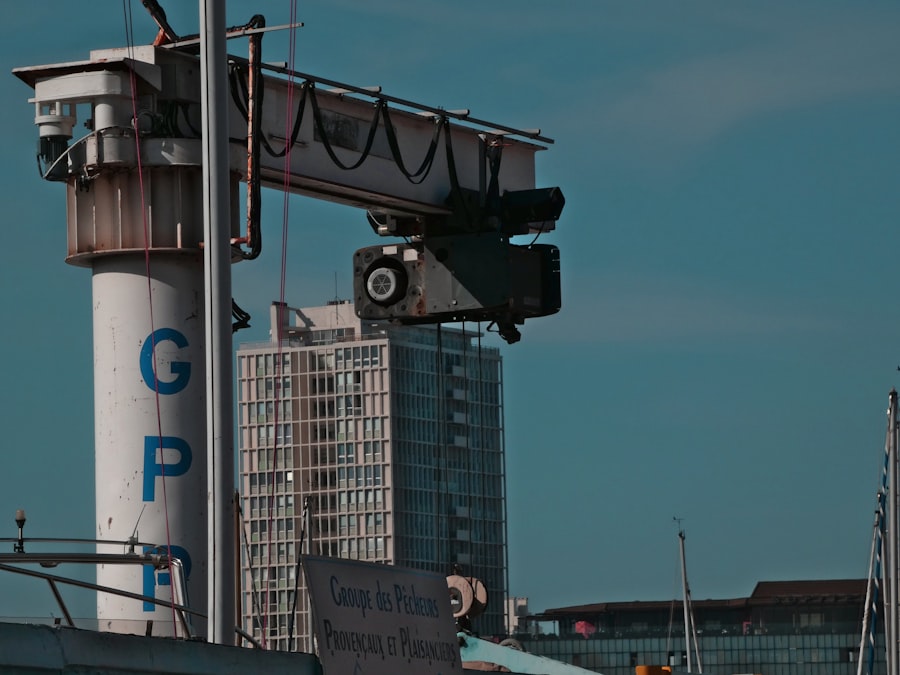
The Old Port is the beating heart of the city. Guarded by two massive stone forts, Fort Saint Jean and Fort Saint Nicolas, this harbor has been active for over 2,600 years. Today, it is mostly pedestrianized, making it the perfect place for an evening stroll. If you want to be in the center of the action with easy access to public transport, this is the best area to base yourself.
La Plaine and Cours Julien: The Indie Haven
If you prefer a bohemian vibe, head up to Cours Julien and La Plaine. This trendy area is famous for its legal graffiti, independent bookstores, vintage clothing shops, and lively music venues. It is the epicenter of Marseilles youth culture and creative scene, offering a stark contrast to the historic charm of the waterfront.
Top Things to Do in Marseille
Now lets talk about how to fill your itinerary. Marseille offers an incredible mix of historical monuments, world class museums, and breathtaking natural wonders. You can easily spend a week here and never get bored.
To help you prioritize your sightseeing, here is a list of the absolute best experiences you cannot miss during your 2026 trip, compiled with insights from top rated TripAdvisor reviews:
- Visit Notre Dame de la Garde: Sitting at the highest point in Marseille, this 19th-century neo-Byzantine basilica offers breathtaking 360-degree views of the city and the sparkling sea. Locally known as La Bonne Mere (The Good Mother), she is believed to watch over the citys sailors.
- Explore the Mucem: The Museum of European and Mediterranean Civilisations is an architectural masterpiece. Designed by Rudy Ricciotti, its intricate concrete mesh facade connects to the historic Fort Saint Jean via a dramatic footbridge. Entry to the outdoor areas is free, while museum exhibition tickets cost around 11 Euros.
- Take a Boat to the Chateau d'If: Made famous by Alexandre Dumas novel The Count of Monte Cristo, this former fortress and island prison is just a short ferry ride from the Old Port. Combine it with a walk around the peaceful Frioul Islands.
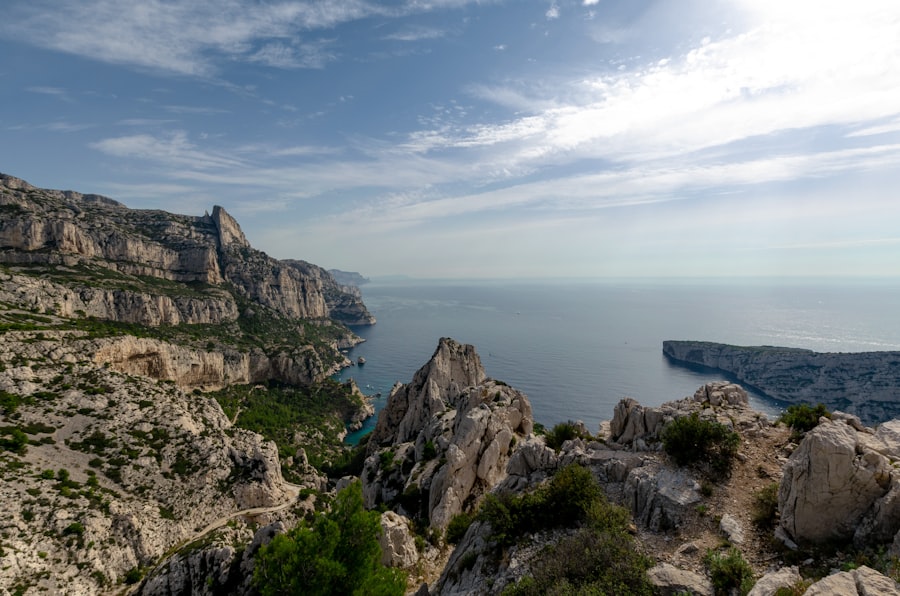
- Hike the Calanques National Park: These dramatic limestone cliffs plunging into turquoise waters are a paradise for hikers and swimmers. The trail from Cassis to Calanque d'En-Vau is challenging but rewarding. Remember that during summer, access is strictly regulated to prevent fires, so check the official park app before you go.
Travelers Warning: Do not buy "authentic" Marseille soap from cheap souvenir stands around the Old Port. Many of these are cheap imports made with synthetic palm oil. Instead, look for historic, certified factories like Fer a Cheval or Marius Fabre, where the soap must contain at least 72 percent olive oil.
Where to Eat: Marseille's Culinary Scene
If you are wondering about the food, Marseille is a dream destination for seafood lovers and fans of bold, Mediterranean flavors. The local cuisine is heavily influenced by its proximity to the sea and its historical trade connections with North Africa and Italy. This Marseille Travel Guide 2026 would not be complete without pointing you toward the city's culinary icons.
You cannot visit Marseille without trying Bouillabaisse, the legendary local fish stew. Historically a humble dish made by fishermen using the bony rockfish they could not sell, it has evolved into a high-end gastronomic experience. A proper, authentic Bouillabaisse is prepared tableside with at least four types of local fish and served with croutons rubbed with garlic and slathered in rouille (a spicy saffron mayonnaise). Be prepared to pay between 60 and 100 Euros per person for the real deal at reputable establishments like Chez Fonfon in the picturesque Vallon des Auffes.
For a more casual bite, here are some fantastic dining options to sink your teeth into:
- Chez Sauveur: Located in the Noailles district, this legendary pizzeria has been baking incredible wood-fired pizzas since 1943. Marseilles pizza culture is incredibly strong, influenced by generations of Italian immigrants.
- Le Femina: Found in the vibrant Noailles market area, this spot serves up some of the best North African couscous in the city, complete with barley semolina and perfectly spiced vegetables.
- La Boite a Sardine: A quirky, fun seafood restaurant where the menu changes daily based on what the owner, Fabien, sources from the local fish market that morning. Expect ultra-fresh oysters, grilled sardines, and sea anemone fritters.
How to Get Around Marseille
Moving on to logistics, navigating Marseille is relatively straightforward once you understand the layout. The public transportation network, operated by RTM, is efficient and covers most areas tourists want to visit. To get the best value, consider purchasing a 24-hour or 72-hour transit pass, which gives you unlimited rides on buses, metros, and trams.
Here is a quick breakdown of how to get around the city efficiently:
- The Metro: Marseille has two metro lines (M1 and M2) that intersect at Saint Charles train station and Castellane. It is fast, clean, and runs from 5:00 AM until 1:00 AM in 2026.
- The Tramway: Three modern tram lines (T1, T2, and T3) glide through the city center, offering a scenic way to travel between the docks of La Joliette and the bohemian streets of La Plaine.
- The Bus Network: Buses are crucial for reaching coastal areas. Take Bus 83 from the Old Port for a scenic ride along the Corniche Kennedy highway, or Bus 19 and 20 to reach the southern fishing village of Madrague de Montredon.
- The Ferry Boat: For a fun local experience, take the historic Ferry Boat across the Old Port. It is the shortest commercial ferry crossing in the world, taking just a few minutes, and costs only 0.50 Euros.
If you plan to visit many museums, I recommend you take a look at the Citypass Marseille. It includes unlimited public transport, access to the Chateau d'If ferry, and entry to major museums, saving you a significant amount of money.
Pro tip for you: To experience Marseille like a true local, head to the tiny, picturesque fishing harbor of Vallon des Auffes in the late afternoon. Buy a takeaway pizza from L'Eau a la Bouche, grab a couple of cold bottles of local Pietra beer from a nearby corner store, and sit on the concrete harbor wall. You can watch the sunset over the Mediterranean while local teenagers dive into the clear water and fishing boats gently rock in the harbor. It is a magical, inexpensive experience that captures the true, gritty, beautiful soul of the city far better than any luxury restaurant could.
Practical Tips for Your 2026 Trip
To wrap up this Marseille Travel Guide 2026, let us cover some essential practicalities. Marseille has a Mediterranean climate, meaning hot, dry summers and mild winters. The best times to visit are late spring (May to June) or early autumn (September to October), when the weather is warm enough for swimming but the intense summer crowds and scorching heat have subsided.
While Marseille has cleaned up its reputation significantly in recent years, it remains a bustling port city with some rough edges. Stick to busy, well-lit streets at night, keep a close eye on your belongings in crowded tourist spots like the Saint Charles train station, and avoid carrying large amounts of cash. Standard travel common sense will ensure you have a safe and memorable trip.
With its rich history, incredible food scene, and stunning natural landscapes, Marseille is waiting to be discovered. Use this Marseille Travel Guide 2026 to plan your itinerary, pack your most comfortable walking shoes, and get ready to fall in love with France's most charismatic coastal city.
Frequently Asked Questions
What is the best time to visit Marseille in 2026?
Visit between June and September for warm weather and lively festivals, or choose spring (April–May) and fall (October) for milder crowds and lower prices.
Do I need to rent a car to get around Marseille?
No, Marseille has efficient public transport including metro, buses, and trams; walking and biking are also great for the city center.
Is Marseille safe for solo travelers in 2026?
Yes, it's generally safe—just stay aware in crowded areas like the Old Port and avoid poorly lit streets at night, as in any big city.
What are the must-see attractions in Marseille?
Don't miss the Vieux-Port (Old Port), Basilique Notre-Dame de la Garde, the Calanques National Park, and the MuCEM museum.
What food should I try in Marseille?
Sample bouillabaisse (traditional fish stew) at a waterfront restaurant, along with local specialties like pieds paquets and Navette cookies.

Isabella Conti writes in-depth travel guides that turn a new destination into familiar ground. She covers what to see, when to go and how to make the most of your time, with practical detail you can actually use.
💬 Comments (0)
No comments yet. Be the first!