Bordeaux Neighborhood Guide 2026: Local Tips
Use our Bordeaux Neighborhood Guide 2026 to find the best districts to stay, eat, and explore in this historic French city.
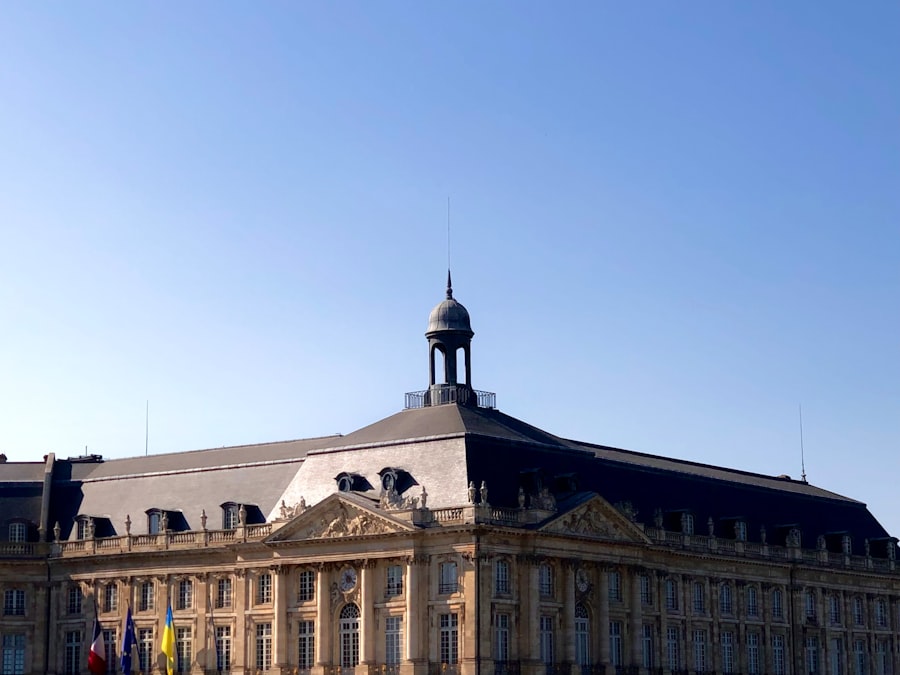
Welcome to your ultimate Bordeaux Neighborhood Guide 2026, a comprehensive roadmap designed to help you navigate one of Europe most beautiful and dynamic destinations. Bordeaux has fully transformed over the last few years, blending its historic 18th-century limestone architecture with a cutting-edge creative scene, world-class gastronomy, and green urban spaces. Whether you are a first-time visitor seeking classic views of the Garonne River or a seasoned traveler looking for trendy industrial hangouts, this guide will help you find your perfect base camp in 2026.
Understanding Bordeaux Layout and Public Transit
Before we dive into the specific districts, it is essential to understand how the city is organized. Bordeaux is divided by the Garonne River into the Left Bank (where you will find most of the historic districts) and the Right Bank (home to green spaces and industrial-chic developments). If you are wondering about the best way to navigate these areas, the local public transit system, TBM, is incredibly efficient, clean, and affordable.
According to recent transit metrics shared by the Bordeaux Tourism Board, the city network of electric trams and shared bikes has become the preferred way for over 80 percent of visitors to explore the city without a car. You can easily purchase a 24-hour or 72-hour city pass, which gives you unlimited access to trams, buses, and even the Bat3 river ferry.
How to Get Around
- Tram Line A: Connects the eastern Right Bank (Bastide) to the city center and runs all the way to the western suburbs.
- Tram Line B: Your go-to line for exploring the historic center, the university district, and the northern Bacalan wine district.
- Tram Line C and D: Crucial routes that connect the main Saint-Jean train station directly to the central public gardens and northern neighborhoods.
- V3 Bikes: Over 100 stations across the city where you can rent a bicycle for just a few euros per day.
Saint-Pierre and Saint-Paul: The Historic Heart
If you want to step straight into a postcard, Saint-Pierre is where you need to be. This is the historic core of Bordeaux, characterized by narrow paved streets, hidden squares, and magnificent medieval gates. As you wander through this area, you will understand why this entire zone is classified as a UNESCO World Heritage site.
Moving on to the atmosphere, Saint-Pierre is lively day and night. It is the perfect spot for travelers who want to be steps away from iconic landmarks like the Place de la Bourse and the famous Miroir d Eau (Water Mirror). However, because of its central location, hotels in this area fill up fast. Booking.com availability data for 2026 indicates that boutique hotels in Saint-Pierre require booking at least three to four months in advance, especially during the peak spring and autumn wine harvest seasons.
Money-Saving Secret: Many restaurants around the Place du Parlement and Place de la Bourse charge a premium for outdoor seating. Walk just three blocks south into the Saint-Paul neighborhood to find local bistros offering the exact same regional dishes for nearly half the price.
Top Things to Do in the Historic Center
- Marvel at the Miroir d Eau: Watch the reflection of the Place de la Bourse on the world largest reflecting pool.
- Climb the Pey-Berland Tower: Climb the 231 steps of this isolated bell tower for a breathtaking 360-degree view of the city rooftops.
- Explore Rue Sainte-Catherine: Walk down Europe longest pedestrian shopping street, packed with local boutiques and international brands.
Chartrons: The Trendy and Bohemian Quarter
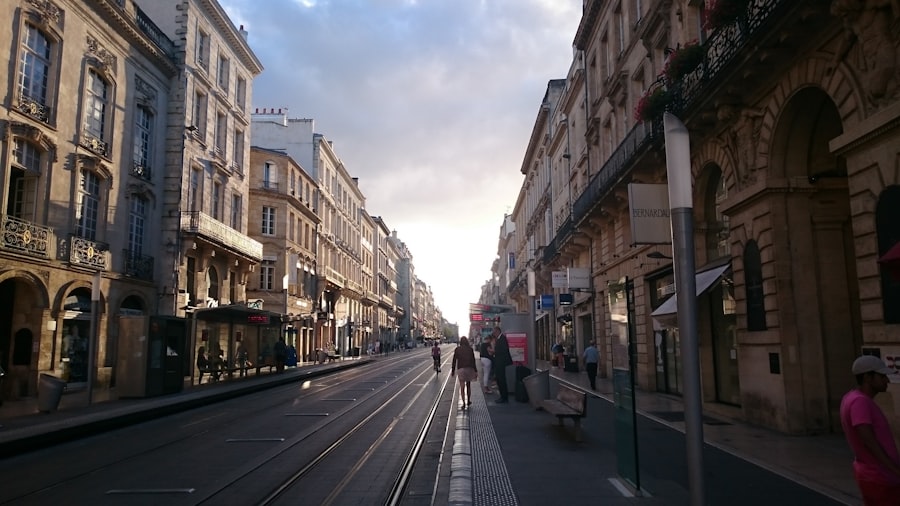
Now let us talk about Chartrons, which is highly recommended in any modern Bordeaux Neighborhood Guide 2026. Located just north of the historic center, Chartrons was once the historic hub for wealthy Anglo-Saxon, Irish, and German wine merchants who stored their barrels in massive stone warehouses. Today, those warehouses have been converted into trendy lofts, antique shops, organic cafes, and indie fashion boutiques.
The beating heart of Chartrons is the Rue Notre-Dame. Walking down this street feels like exploring a village within a city. If you visit on a Sunday morning, you must head to the Colbert Quay for the Marché des Quais, an open-air market where locals gather to eat fresh oysters from the nearby Arcachon Bay, paired with a chilled glass of dry white wine. It is an experience that constantly ranks with five-star TripAdvisor ratings from international food lovers.
Pro tip for you: If you are looking for a place to stay that offers a local, community-driven vibe rather than a touristy feel, search for guesthouses along the quiet side streets of Chartrons. You will be close enough to walk to the center but far enough to enjoy peaceful, quiet nights.
Bacalan and the Bassins a Flot: Modernity and Wine Culture
If you are wondering about the more modern, industrial side of the city, keep heading north along Tram Line B until you reach Bacalan and the Bassins a Flot. Once a gritty port district, this area has undergone a massive architectural renaissance. Today, it is a hub for contemporary art, digital exhibitions, and, of course, world-class wine education.
The undisputed crown jewel of this neighborhood is the Cite du Vin, an ultra-modern, metallic museum shaped like wine swirling in a glass. Inside, you will find an immersive, interactive journey through the history of global wine culture. Just across the street, you can explore the Bassins des Lumieres, a former World War II submarine base that has been transformed into the world largest digital art center, where classic paintings are projected onto the colossal concrete walls and dark waters.
Where to Eat in Bacalan and Chartrons
- Les Halles de Bacalan: A vibrant indoor food hall located right opposite the Cite du Vin, featuring dozens of artisanal food stalls selling local cheeses, truffles, and fresh seafood. Price range: 10 to 25 USD per meal.
- La Table de Montaigne: A high-end dining option offering classic French gastronomy with a modern twist. Excellent wine pairings. Price range: 60 to 120 USD per person.
- Chez Alriq: Located just across the river, this open-air tavern offers cheap drinks, wood-fired pizzas, and live music right on the riverbank. Price range: 12 to 20 USD.
La Bastide: Green Spaces and Sunset Views on the Right Bank
Moving on to the other side of the river, let us explore the Right Bank, specifically the neighborhood of La Bastide. Historically an industrial working-class district, La Bastide has transformed into a green sanctuary. It offers some of the best panoramic views of the Left Bank historic limestone facades, especially during sunset when the stone glows in warm orange and pink hues.
The main attraction here is Darwin Ecosystem, a repurposed military barracks that now serves as an eco-friendly village. Inside, you will find an indoor skate park, urban graffiti art galleries, a local organic grocery store, and the largest organic restaurant in France. It is a fantastic place to spend a relaxed afternoon observing the local youth culture, startup founders, and eco-conscious travelers.
Practical Tips for Your 2026 Trip
To get the absolute most out of this Bordeaux Neighborhood Guide 2026, keep a few practical details in mind. Bordeaux is a highly seasonal city. While summer brings beautiful warm weather and lively river festivals, spring and autumn offer milder temperatures and fewer crowds, making it much easier to secure reservations at top-rated restaurants and popular boutique hotels.
When booking your accommodation, check Booking.com availability early to compare rates between the historic Saint-Pierre and the trendy Chartrons. If you are traveling on a budget, look for modern apartment rentals in La Bastide or near the Saint-Jean train station, both of which offer quick, direct tram connections to the city center for under two euros per ride.
We hope this updated Bordeaux Neighborhood Guide 2026 helps you plan an unforgettable journey. By choosing the right neighborhood for your personal travel style and utilizing the city excellent public transit, you will experience Bordeaux just like a local.
Frequently Asked Questions
What is the best neighborhood for first-time visitors to Bordeaux in 2026?
The Triangle d'Or (Golden Triangle) is perfect for first-timers, with its elegant architecture, luxury shops, and proximity to major attractions like Place de la Bourse.
Which area in Bordeaux is most affordable for young travelers or backpackers?
The Saint-Michel district offers budget-friendly hostels, cafés, and the famous covered market, making it ideal for budget travelers.
Are there any up-and-coming neighborhoods in Bordeaux for 2026?
Bacalan, near the Cité du Vin wine museum, is rising in popularity with trendy wine bars, pop-up art spaces, and easy river access.
What's the safest neighborhood to stay in Bordeaux with family?
Chartrons, with its calm riverfront parks, family-friendly restaurants, and relaxed vibe, is both safe and welcoming for children.
Can you recommend a neighborhood for enjoying Bordeaux's nightlife without the tourist crowds?
South of the city center, the Place de la Victoire area is filled with local bars and live music venues popular among students and residents.

Isabella Conti writes in-depth travel guides that turn a new destination into familiar ground. She covers what to see, when to go and how to make the most of your time, with practical detail you can actually use.
💬 Comments (0)
No comments yet. Be the first!