Valencia Architecture Photography Guide 2026
Master the modern and historic facades of Valencia with this essential architecture photography guide for 2026 travelers.
If you are planning a creative getaway this year, this Valencia Architecture Photography Guide 2026 will help you capture the absolute best angles of Spains third-largest city. Valencia is a dream destination for photographers because it seamlessly blends futuristic masterpieces with centuries-old Gothic, Baroque, and Art Nouveau structures. Whether you are aiming your lens at the gleaming white curves of the City of Arts and Sciences or the gritty, colorful streets of El Carmen, you will find endless visual inspiration here.
In this guide, we will explore the exact locations, times of day, and technical tips you need to build an incredible portfolio. According to official data from the Valencia Tourism Board, the city has seen a massive surge in creative tourism leading into 2026, making it more important than ever to know exactly when and where to shoot to avoid the crowds. Let us dive into the ultimate photography roadmap for this Mediterranean gem.
The Futuristic Magic of the City of Arts and Sciences
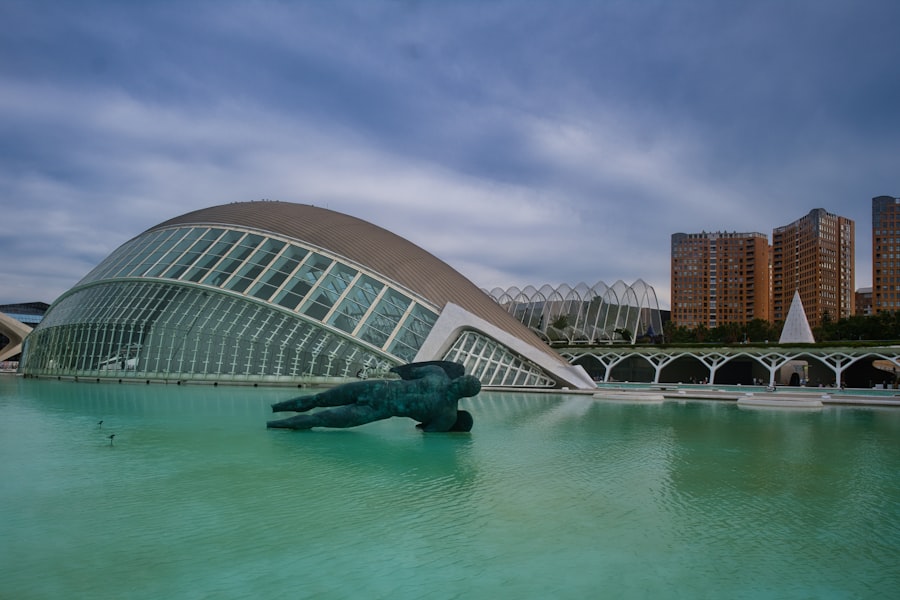
You cannot write a Valencia Architecture Photography Guide 2026 without starting at the Ciutat de les Arts i les Ciencies. Designed by Santiago Calatrava, this sprawling cultural complex looks like a collection of prehistoric skeletons and futuristic spaceships resting on brilliant blue pools. It is the crown jewel of Valencias modern identity.
To capture these buildings without hundreds of tourists in your frame, you must wake up early. I recommend arriving at least thirty minutes before sunrise. The morning light hits the white concrete of the Palau de les Arts Reina Sofia and the Hemisferic beautifully, reflecting soft pastel pinks and blues off the water. If you want to capture the perfect reflection, look for days with low wind speeds so the pools act as perfect mirrors.
Recommended Angles and Lenses
For the best shots, bring a wide-angle lens (16-35mm is ideal) to capture the sheer scale of the structures. Walk down to the lower pathways along the pools to get a low-angle shot looking up at the Umbracle arches. Moving on to the details, a telephoto lens (70-200mm) will help you isolate the repeating mosaic tile patterns, known locally as trencadis, which cover the curved surfaces of the buildings.
Money-Saving Secret: Do not pay for the expensive museum tickets just to take photos. The exterior grounds, walkways, and pools of the City of Arts and Sciences are completely free to access 24/7. You can get world-class architectural shots without spending a single Euro.
Exploring the Historic Charm of El Carmen and the Silk Exchange
Now let us talk about the historical heart of the city. El Carmen is a maze of cobblestone streets, hidden plazas, and ancient city gates. The contrast between the ancient stone walls and vibrant modern street art creates an incredible visual tension that is perfect for street and architectural photography.
Your main stop in this historic center should be the Lonja de la Seda (The Silk Exchange), a late Gothic masterpiece built between 1482 and 1548. Inside, you will find the famous hall of columns. These towering, spiral pillars resemble palm trees reaching up to a stone sky. To capture the mood of this space, you will need a camera with good low-light performance, as tripods are generally not permitted inside without special permission from the municipal office.
Capturing the Cathedral and El Miguelete
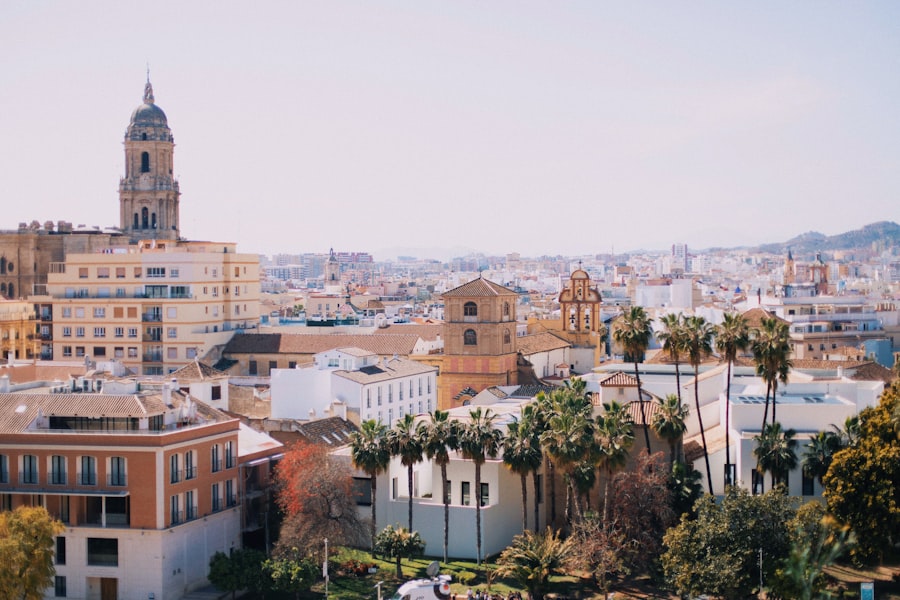
Just a short walk from the Silk Exchange is the Valencia Cathedral. This building is an architectural puzzle, featuring Romanesque, Gothic, and Baroque portals on different sides. If you are wondering about the best panoramic view of the old town, climb the 207 steps of the El Miguelete bell tower. The entry fee is only about three to five Euros, and the view from the top gives you a stunning 360-degree perspective of the terracotta rooftops of Valencia.
Art Nouveau Gems in the Eixample District
If you love symmetrical lines, colorful tiles, and ornate ironwork, the Eixample neighborhood is your playground. Developed in the late nineteenth and early twentieth centuries, this district showcases the Valencian Art Nouveau style, often called Modernisme. It is a crucial stop in any comprehensive Valencia Architecture Photography Guide 2026.
The centerpiece of this style is the Mercado de Colon (Colon Market). Originally a wet market, it has been restored into a trendy food hall filled with cafes and bars. The main facade features spectacular ceramic details and brickwork. Because it is highly rated on TripAdvisor as one of the most beautiful public spaces in Spain, it can get very busy in the afternoons. Aim for mid-morning when the sunlight filters through the stained glass windows, casting colorful patterns across the floor.
Pro tip for you: After shooting the Mercado de Colon, wander down Gran Via de les Germanies. Look up at the residential balconies. You will find incredible carvings, floral motifs, and beautiful pastel-colored facades that represent the wealth of Valencias golden age.
Practical Tips for Your Photography Trip
To make the most of your creative journey, you need to understand the logistics of the city. Valencia is incredibly flat and easy to navigate, but planning your transport and accommodation will save you valuable time during those golden hour shoots.
How to Get Around the City
Getting around Valencia with heavy camera gear is surprisingly easy and affordable. Here are the best ways to navigate the city during your photography trip:
- Metrovalencia (Subway & Tram): Line 3 and Line 5 connect the Valencia Airport directly to the city center (Xativa station) in about twenty minutes. Tickets cost around five Euros. Line 10 is perfect for reaching the City of Arts and Sciences.
- Valenbisi (Bike Sharing): Valencia has over eighty kilometers of bike lanes. You can purchase a weekly Valenbisi pass for under fifteen Euros and easily ride between shooting locations.
- Walking: The historic center (Ciutat Vella) is highly pedestrianized. Walking is the only way to discover the hidden alleys of El Carmen.
Where to Eat and Recharge Your Batteries
Photography is hard work, and you will need to refuel. Valencia is the birthplace of paella, but it also offers incredible modern culinary spaces. Here are a few places to check out:
- Mercado Central: A masterpiece of Art Nouveau architecture itself, this massive market is perfect for buying fresh fruit, local cheeses, and Spanish ham for a quick midday picnic.
- Cafe de las Horas: Located near the Cathedral, this cafe features an over-the-top Neo-Baroque interior. It is the perfect place to photograph a glass of Agua de Valencia (a local cocktail of cava, orange juice, gin, and vodka).
- Ruzafa Cafes: The trendy Ruzafa neighborhood is packed with specialty coffee shops like Dulce de Leche, where you can edit your photos while enjoying amazing pastries.
Top Things to Do Beside Photography
While this Valencia Architecture Photography Guide 2026 focuses on capturing images, you should also take time to experience the city lifestyle. Be sure to include these activities in your itinerary:
- Stroll through the Turia Gardens: This nine-kilometer-long park is located in a diverted riverbed and winds through the entire city, offering a green escape between photo shoots.
- Visit the Albufera Natural Park: Located just ten kilometers south of the city, this freshwater lagoon is where paella was invented. Go here for a late afternoon boat ride to capture the ultimate sunset photos.
- Check Booking.com for Boutique Hotels: For the best experience, book a room in the historic center or the Ruzafa district. Many boutique hotels offer rooftop terraces with private views of the city skyline.
Mastering the Golden Hour and Night Shots
Our Valencia Architecture Photography Guide 2026 would not be complete without discussing night photography. When the sun goes down, Valencias architectural landmarks take on a completely different character. The City of Arts and Sciences is beautifully illuminated with bright white neon lights that reflect off the dark water pools, creating a dramatic, sci-fi atmosphere.
For night photography, you will need a sturdy travel tripod and a remote shutter release to prevent camera shake during long exposures. Set your camera to manual mode, use a low ISO (such as 100 or 200) to keep your images clean from digital noise, and set your aperture to f/8 or f/11. This aperture range will create a beautiful starburst effect on the streetlights and keep the architectural details sharp from the foreground to the background.
If you prefer historic subjects at night, head to the Plaza de la Virgen. The illuminated fountain and the soft warm glow on the stone arches of the Basilica of the Virgen de los Desamparados offer a romantic, classic European aesthetic. This is the perfect spot to practice long exposure street photography, capturing the ghostly motion blur of people walking through the plaza.
With its brilliant blend of old-world charm and futuristic design, Valencia remains one of the premier European destinations for visual artists in 2026. By following this guide, managing your schedule around the best light, and exploring both the famous landmarks and quiet neighborhoods, you will return home with an outstanding collection of architectural photographs.
Frequently Asked Questions
What are the top architectural photography spots in Valencia in 2026?
Top spots include the City of Arts and Sciences, the historic Old Town, and the new green architecture at Parque Central. These locations offer unique modern and classic elements.
What time of day is best for shooting Valencia's architecture?
Golden hour, just after sunrise or before sunset, provides ideal lighting for dramatic shadows and warm tones. For modernist buildings, soft overcast days reduce harsh reflections.
What photography gear is recommended for capturing architecture in Valencia?
A wide-angle lens (16-24mm) is essential for capturing expansive buildings, and a tripod helps with long exposures at night. A polarizing filter reduces glare on glass and water features.
Are there any permits needed for professional photography in Valencia?
Amateur photography for personal use is generally permitted without permits in public spaces. Commercial or professional shoots at specific sites like the City of Arts and Sciences may require a permit from local authorities.
What building rules or restrictions should photographers be aware of?
Respect obtrusive barriers and restricted areas, and avoid using drones near important buildings without prior approval. Some interior spaces like museums prohibit tripods or flash without special permission.

Lars Lindgren puts together detailed guides to cities and regions, drawing on his own travels to flag the things worth your time. He focuses on clear, honest advice that holds up once you are actually on the ground.
💬 Comments (0)
No comments yet. Be the first!