Seoul Travel Guide 2026: Complete City Tips
Plan your trip with this Seoul travel guide 2026 covering best districts, local food, and must-see sights.
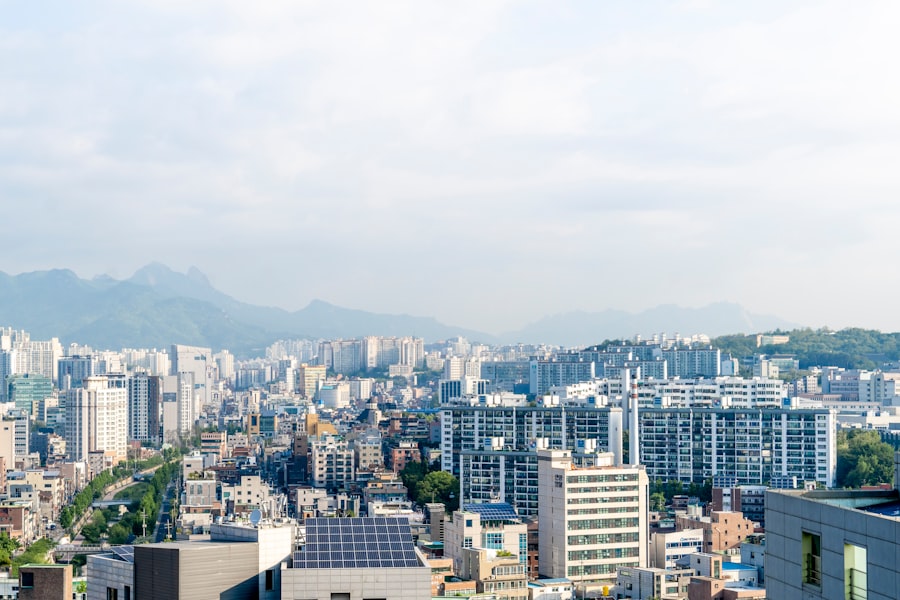
Welcome to the ultimate Seoul travel guide 2026 – your complete companion for navigating South Korea's dynamic capital in the year ahead. This guide cuts through the noise to deliver practical, no-nonsense advice so you can explore Seoul like a local. Whether you are a first-time visitor or a returning traveler, the cities blend of ancient palaces and futuristic skyscrapers will amaze you. You will find everything from budget-friendly street food to world-class museums, all connected by one of the best public transit systems on the planet. Let's dive in.
Why Visit Seoul in 2026
Seoul in 2026 is buzzing with energy. The city has rolled out new pedestrian zones along Cheonggyecheon Stream, expanded bike-sharing services to all 25 districts, and upgraded its nightlife scene with more rooftop bars in areas like Itaewon and Gangnam. According to the official Seoul Tourism Organization (visitseoul.net), visitor numbers are projected to hit an all-time high this year, thanks to new direct flights from North America and Europe and a series of cultural festivals running from spring through fall. If you are looking for a city that respects tradition while racing toward the future, this Seoul travel guide 2026 will show you exactly where to start.
How to Get Around Seoul
Navigating Seoul is surprisingly easy. The metro system (officially called Seoul Subway) is clean, safe, and covers every major neighborhood. Lines 1 through 9 are your main arteries, but you will also use the Gyeongui-Jungang Line, Suin-Bundang Line, and the new GTX-A express line that opened in late 2025. For tourists, the T-money card is essential. You can buy one at any convenience store for about 2,500 won (around $2 USD) and recharge it at subway machines or GS25 shops. A single ride costs between 1,250 won and 2,000 won depending on distance.
Getting from Incheon Airport
Take the AREX Express train from Incheon International Airport to Seoul Station. It costs 9,500 won, runs every 30 minutes, and takes just 43 minutes. The all-stop AREX train is cheaper at about 4,500 won but takes 60 minutes. If you have heavy luggage, I recommend the express – it has dedicated luggage racks and fewer crowds.
- How to Get Around – Quick Tips
- Use subway Lines 1, 2, and 4 for most tourist attractions – they form a convenient loop around central Seoul.
- Download the KakaoMetro app for real-time schedules and exit numbers (it works offline).
- Taxis start at 3,800 won, but avoid them during rush hour (7:30–9:00 AM and 6:00–8:00 PM) when traffic is terrible.
- Buses are cheap (1,200 won) and cover areas the subway misses – the blue (ganseon) and green (jiseon) routes are most useful for tourists.
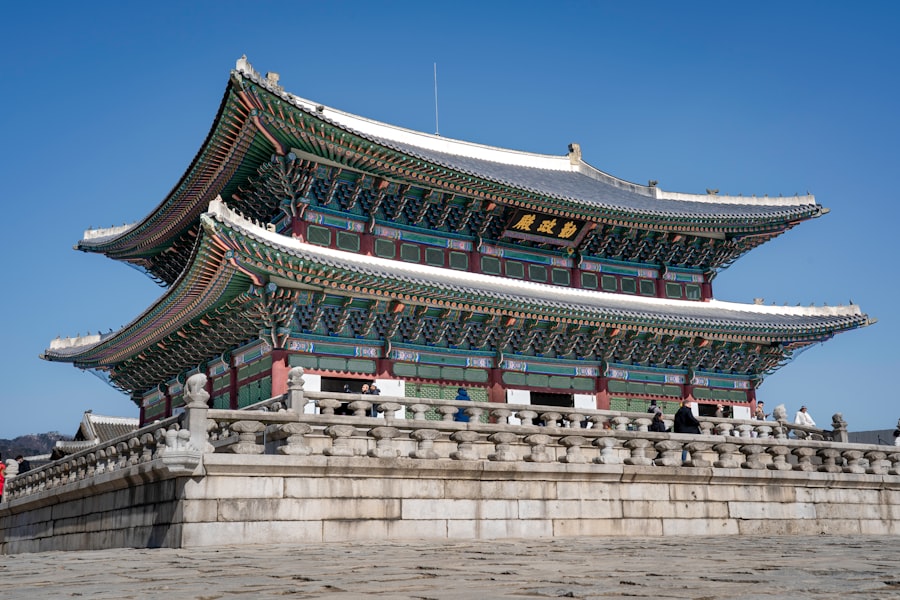
Pro Tip for You: When visiting Gyeongbokgung Palace, rent a hanbok from a shop near Anguk Station (Line 3) – you get free entry and a fantastic photo op. I once saw a couple save 3,000 won each just by renting before 9 AM. Plus, wearing a hanbok makes you feel like a Joseon-era royal!
Where to Stay in Seoul
Your choice of neighborhood shapes your entire trip. Now let's talk about the three most popular areas for visitors in 2026.
Myeongdong – Shopping and Street Food Central
Myeongdong remains the heart of Seoul's shopping scene. You will find endless cosmetics stores, fried chicken stalls, and the iconic Myeongdong Cathedral. Hotels here average $80–150 per night on Booking.com, and you can walk to Euljiro 1-ga Station (Line 2) in minutes. Book at least two months ahead for best availability, especially during peak seasons like cherry blossom season (April) or autumn foliage (October).
Hongdae – Youthful and Artsy
If you prefer indie cafes, live music, and a bohemian vibe, Hongdae is your spot. Guesthouses and hostels start at $30 per night, while mid-range hotels hover around $100. The neighborhood is a 10-minute walk from Hongik University Station (Line 2, AREX, and Gyeongui-Jungang Line). It's also the best base for night owls – clubs stay open until dawn. TripAdvisor reviewers consistently give Hongdae a 4.5-star rating for atmosphere and value.
Insadong – Traditional Charm
For a quieter, more cultural stay, Insadong offers hanok guesthouses and boutique hotels near Jongno 3-ga Station (Line 1, 3, 5). Prices range $70–200, and you are minutes from the Jogyesa Temple and Ssamziegil shopping complex. Booking.com shows high occupancy here year-round, so you might pay a premium – but the experience of sleeping in a traditional Korean house is worth it.
Where to Eat in Seoul
If you are wondering about the best food in the city, the answer is everywhere. From sizzling Korean BBQ to fluffy bingsu, Seoul is a paradise for hungry travelers. Here are my top picks for 2026.
- Where to Eat – Must-Try Spots
- Gwangjang Market (Jongno 5-ga Station, Line 1) – For mayak gimbap (addictive mini seaweed rice rolls) and bindaetteok (mung bean pancakes). A full meal costs under 10,000 won.
- Mapo Jeong Daepo (Hongdae area) – Famous for its charcoal-grilled pork belly. Set menu at 28,000 won per person. Arrive before 6 PM or queue for an hour.
- Bukchon Son Mandu (near Anguk Station, Line 3) – Handmade dumplings that locals line up for. Six pieces cost 8,000 won – order the kimchi mandu with a side of tteokbokki.
- Myeongdong Kyoja (Myeongdong) – A legendary noodle house serving kalguksu (hand-cut noodle soup) since 1966. A bowl is 9,000 won. Cash only.
Pro tip for you: download the Korean food app Mango Plate to find English reviews and menus. Many restaurants have a "no English menu" policy, so pointing at photos on your phone helps.
Top Things to Do in Seoul
Now let's move on to the attractions you cannot miss. This Seoul travel guide 2026 prioritizes experiences that are both iconic and off the beaten path.
- Top Things to Do – The Ultimate Bucket List
- Visit Gyeongbokgung Palace (Line 3, Gyeongbokgung Station). The changing of the guard ceremony happens at 10 AM and 2 PM. Entry is 3,000 won, or free if you wear a hanbok. Tripadvisor rates it 4.5 stars with over 15,000 reviews.
- Explore Bukchon Hanok Village – a preserved neighborhood of traditional houses. Walk from Anguk Station (Line 3) and follow the blue signs. Go early (before 9 AM) to avoid selfie stick swarms.
- Hike Namsan Mountain to N Seoul Tower. Take cable car from Myeongdong (10,000 won round-trip) or walk the free, forested trail. The view from the top at sunset is sublime.
- Dongdaemun Design Plaza (DDP) – a futuristic architectural marvel designed by Zaha Hadid. Free entry to the main halls. At night, the LED rose garden lights up – perfect for photos.
- Relax at a jjimjilbang (Korean spa). Dragon Hill Spa near Yongsan Station (Line 1) is a classic – 24-hour entry costs 15,000 won and includes saunas, hot tubs, and a sleeping room.
Practical Tips and Money-Saving Secrets
Every seasoned traveler knows that the real value comes from insider knowledge. This section of your Seoul travel guide 2026 will help you stretch your won further and avoid rookie mistakes.
Best Time to Visit
Spring (late March to early May) and autumn (September to November) offer perfect weather – mild temperatures and low humidity. Summer (June to August) is hot and humid with monsoon rains, but museum air conditioning makes it bearable. Winter (December to February) is cold but dry, and you can enjoy ice skating at Seoul Plaza. In 2026, the Seoul Lantern Festival runs from November 1 to November 20 along Cheonggyecheon Stream – a must-see.
Packing Essentials
Pack layers. Even in summer, air conditioning in subway cars and shops is fierce, so bring a lightweight jacket. Comfortable walking shoes are non-negotiable – you will easily walk 15,000 steps a day. A reusable water bottle is handy because Seoul has many public water fountains (though not all are marked). Also, bring a portable power bank – you will use your phone for maps, translation, and recharging your T-money card.
Safety and Etiquette
Seoul is one of the safest big cities in the world. Violent crime is rare. Still, watch your belongings in crowded areas like Myeongdong and Hongdae at night. Tipping is not expected in restaurants or taxis – service charges are included. When entering a traditional house or temple, remove your shoes and bow slightly. Also, do not blow your nose in public – it's considered rude. Use a private restroom or find a quiet corner.
Final Money-Saving Secret
Traveler's Warning & Money-Saving Secret: Avoid currency exchange desks at Incheon Airport – their rates are terrible (often 5% lower than the market). Instead, withdraw Korean won from ATM machines in the city using a card that does not charge foreign transaction fees. Or better yet, exchange cash at a Myeongdong money changer – they offer the best rates in town. One more trick: Many museums and palaces offer free entry on the last Wednesday of each month (Culture Day). Plan your Seoul travel guide 2026 itinerary around that date to save up to 20,000 won.
There you have it – a complete, practical Seoul travel guide 2026 that covers everything from the must-hit hotspots to the quiet alleys where locals eat. Whether you are zipping between Gangnam and Hongdae on Line 2 or discovering a hidden tea house in Insadong, Seoul will leave you breathless. Book your flights, pack your T-money card, and get ready for an adventure that blends the ancient and the cutting-edge like nowhere else on earth. Safe travels!
Frequently Asked Questions
What is the best time to visit Seoul in 2026?
Spring (April to June) and autumn (September to November) offer mild weather and beautiful scenery. Avoid the humid summer and cold winter if possible.
Do I need a visa for Seoul in 2026?
Many nationalities enjoy visa-free entry for up to 90 days, but check your country's agreement with South Korea before traveling.
What are must-try foods in Seoul?
Try kimchi, bibimbap, Korean BBQ, and street foods like tteokbokki and hotteok. Don't miss a food market like Gwangjang.
How to get around Seoul easily?
Use the extensive subway and bus network with a T-money card for convenience. Taxis are affordable, and ride-hailing apps work well.
Is Seoul safe for solo travelers in 2026?
Yes, Seoul is very safe with low crime rates and helpful locals. Take usual precautions, especially at night or in crowded areas.
Lars Lindgren puts together detailed guides to cities and regions, drawing on his own travels to flag the things worth your time. He focuses on clear, honest advice that holds up once you are actually on the ground.
💬 Comments (0)
No comments yet. Be the first!