Barcelona Metro Guide 2026: Navigate Like a Local
Discover the essential Barcelona metro guide 2026 with insider tips on routes, tickets, and must-know hacks for seamless travel.
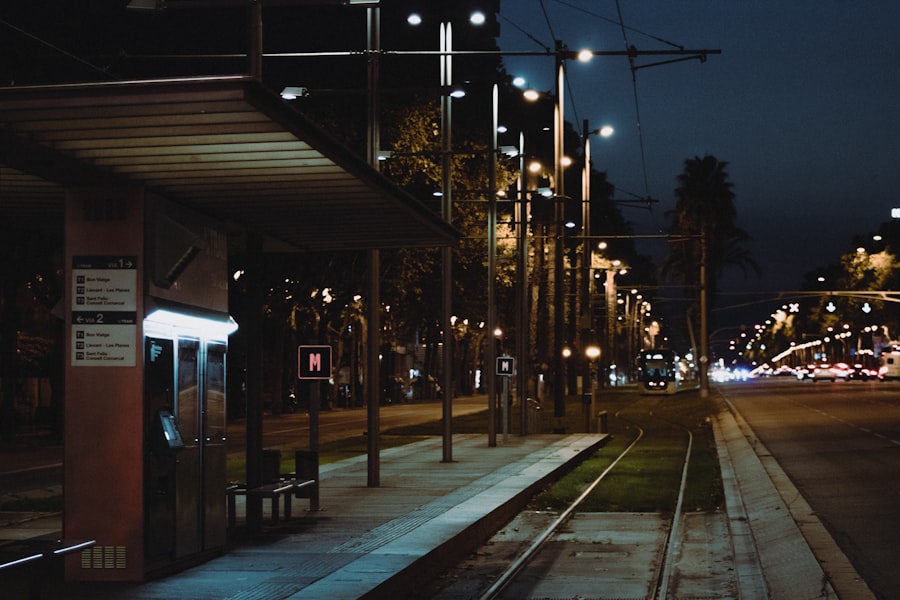
This Barcelona metro guide for 2026 will help you navigate the city like a local, saving you both time and money while you explore every corner of this vibrant Catalan capital. I have spent countless hours riding the underground network, hopping on and off at neighborhoods from Gràcia to Poble Sec, and I am ready to share everything you need to know.
Why You Need This Barcelona Metro Guide for 2026
Barcelona's metro system is one of the most efficient in Europe, connecting you to nearly every major attraction, beach, and cultural hotspot. In 2026, the network has been further upgraded with new digital kiosks, contactless payment options, and expanded lines linking the airport to the city center in under 25 minutes. Whether you are a first-time visitor or a returning traveler, this Barcelona metro guide will give you the confidence to ride like a local. According to the official Barcelona Tourism Board, over 400 million trips were taken on the metro last year alone, which shows just how essential it is for getting around.
Key Lines You Will Use Most Often
You will rely heavily on Line 1 (red), Line 3 (green), and Line 4 (yellow). Line 1 runs from Hospital de Bellvitge to Fondo, passing through Plaça de Catalunya and Glòries. Line 3 is your friend for reaching the Gothic Quarter, Drassanes (for the port), and the iconic Park Güell stop at Lesseps. Line 4 connects Barceloneta beach with Virrei Amat, a great route for beach days. For major attractions like La Sagrada Família, use Line 2 (purple) or Line 5 (blue) — both have stops directly at the basilica.
- Where to Eat near Metro Stops: For tapas, get off at Liceu (Line 3) and walk to La Boqueria market. For authentic paella, take Line 4 to Barceloneta and look for Restaurante Can Majó. For budget-friendly pinchos, use Fontana station (Line 3) in Gràcia.
- How to Get Around: The metro runs from 5:00 AM to midnight on weekdays, with extended hours until 2:00 AM on Fridays and Saturdays. Buy a T-casual card (10 rides for €11.35 in 2026) — it is the best value for short stays. Avoid single tickets (€2.40 each) if you ride more than twice.
- Top Things to Do via Metro: Visit Park Güell (Lesseps or Vallcarca), Sagrada Família (Sagrada Família station), Barceloneta Beach (Barceloneta), and the Gothic Quarter (Jaume I or Liceu). For a panoramic view, take the funicular from Paral·lel station to Montjuïc castle.
Your Step-by-Step Barcelona Metro Guide
Now let's talk about the practical steps you will take when you arrive. First, download the official TMB app (Transports Metropolitans de Barcelona) for real-time routes and delays. In 2026, the app also includes a digital wallet for storing your travel cards. Second, purchase a reusable plastic card at any station vending machine — it costs just €1 and can be reloaded indefinitely. Pro tip for you: if you are staying for five days or more, buy the T-usual card (unlimited rides for 30 days at €21.50) — it pays for itself after just 10 rides.
Navigating the Airport Connection
If you're wondering about getting from Barcelona-El Prat Airport to the city center, the metro's Line 9 Sud (orange) is your best bet in 2026. It connects directly to Zona Universitària, where you can transfer to Line 3 toward the city core. The journey takes about 30 minutes and costs €5.15 for a single airport ticket. A cheaper alternative is the R2 Nord train from Terminal 2 (€2.40), but it runs less frequently. I recommend the metro for its frequency and air conditioning during summer months.
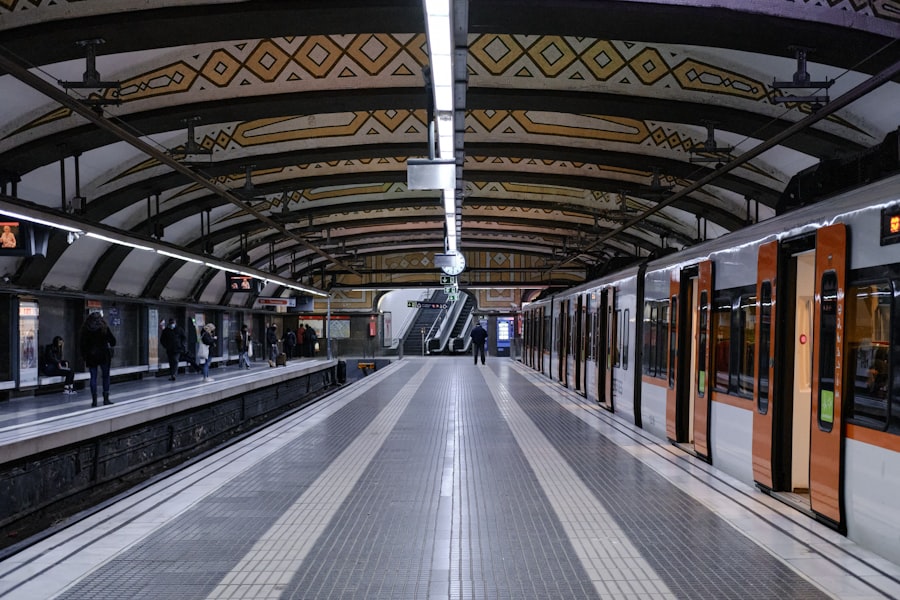
Money-Saving Secrets and Pro Tips
Traveler’s Warning: Beware of pickpockets! The metro is safe, but busy lines like Liceu and Sagrada Família attract thieves. Keep your wallet in a front pocket or use a crossbody bag with a zipper. In 2026, reports from TripAdvisor forums still highlight this as the number one issue for tourists. Always hold your bag in front of you when the train is crowded.
Pro tip for you: during rush hour (8:00–9:30 AM and 5:00–7:00 PM), avoid Line 1 between Plaça de Catalunya and Arc de Triomf — it gets packed. Instead, walk or take a bus. Another money-saving secret: if you are traveling in a group of three or more, buy a T-familiar card (8 rides for €10.00) that allows multiple people to use it together. In 2026, cards are still transferable, so you can pass the card among your party.
Neighborhoods and Their Best Metro Stops
Moving on to specific neighborhoods, here is how to reach them using this Barcelona metro guide:
- El Born: Take Line 1 to Arc de Triomf or Line 4 to Jaume I. This area is packed with boutiques, art galleries, and the Picasso Museum.
- Gràcia: Use Line 3 to Fontana or Lesseps. This bohemian district has lovely plazas and fewer tourists.
- Eixample: Line 2 or Line 5 to Sagrada Família, or Line 3 to Passeig de Gràcia for shopping on the famous avenue.
- Barceloneta: Line 4 to Barceloneta. Walk three minutes and you are on the city's most popular beach.
If you are heading to Camp Nou for a FC Barcelona match, take Line 3 to Les Corts or Line 5 to Collblanc. Both stops are a 10-minute walk from the stadium. In 2026, Booking.com reports that hotels near these metro stops have an average rating of 8.3/10 based on guest reviews, making them convenient bases for football fans.
Timing and Frequency of the Barcelona Metro
Now let's talk about timing. Trains run every 2–4 minutes during peak hours and every 5–7 minutes off-peak. After midnight, frequency drops to every 10–15 minutes on weekends. On weekdays, service ends at midnight, so if you are out late, plan for night buses (Nitbus) which follow the same routes. The official city tourism board data for 2026 confirms that the metro system has a punctuality rate of 98%, one of the highest in Europe.
Accessibility Information
Almost all stations are now wheelchair accessible with elevators and ramps. In 2026, every line has at least one accessible entrance per station. Exceptions include older stations like Jaume I (Line 4) which still have steps — check the TMB app for accessible alternatives. If you are traveling with luggage, avoid using the escalators at Plaça de Catalunya during peak hours; they are narrow and slow. Use the elevators instead.
Practical Tips for Families and Groups
This Barcelona metro guide also covers families. Children under 4 ride free. For kids aged 4–12, a T-jove youth card (unlimited rides for 7 days at €18.50) is available. Families can also use the T-casual card (10 rides) with multiple adults sharing it — just tap the card each time someone passes through the gate. In 2026, vending machines accept all major credit cards and contactless payments.
- Where to Eat near Metro Stops (Continued): For authentic tapas, head to El Xampanyet near Jaume I (Line 4). For a cheap lunch, go to L’Adolcet at Fontana (Line 3) — they serve huge salads for €8. For dessert, try the crema catalana at La Granja on Passeig de Gràcia.
Pro tip for you: if you are visiting the Sagrada Família, book your tickets online at least two weeks in advance during summer. The metro stop exit leads directly to the ticket office, but queues can be an hour long in 2026. Use the official website or a trusted reseller to skip the line.
Finally, Safety and Etiquette
Keep your belongings secure, especially on Line 1 and Line 3 during rush hour. Do not block the doors — let passengers exit first. In 2026, the metro has strict rules against eating and drinking on trains; fines can reach €100. Also, keep your metro ticket or card ready before you approach the turnstile to avoid slowing down others. This Barcelona metro guide has covered everything you need to know to ride with confidence. With these tips, you will navigate the city like a local, saving time and money while enjoying every moment.
Remember: the best travel experiences come from understanding the local infrastructure. Use this guide, plan your routes, and enjoy Barcelona in 2026.
Frequently Asked Questions
How do I buy a ticket for the Barcelona metro?
You can buy tickets at any metro station's ticket machines or authorized tobacco shops using cash or card.
What is the best metro ticket for a short visit?
For a short stay, the T-Casual 10-journey card is the best value, costing €11.35 for zone 1.
Are the Barcelona metro and buses integrated?
Yes, the same T-Casual ticket works on both metro and buses within the same zone.
How late does the Barcelona metro run?
The metro runs from 5:00 am to midnight on weekdays, with extended hours until 2:00 am on weekends.
Can I take luggage on the metro?
Yes, but avoid rush hours (8-10 am, 5-8 pm) and keep luggage out of the way.
💬 Comments (0)
No comments yet. Be the first!