The Ultimate First-Timer Guide to London 2026
Planning your trip? This first-timer guide to London 2026 covers everything from landmarks to local secrets.
If you are planning a trip to the UK capital in 2026, this first-timer guide to London is exactly what you need to navigate the city with confidence and ease. London can feel overwhelming at first glance, but with the right preparation you will discover a city that rewards curiosity and rewards smart planning. I have visited London more than a dozen times over the last decade, and every trip teaches me something new. In 2026, the city is buzzing with new attractions, improved transport links, and a food scene that keeps getting better. Whether you are coming for three days or a full week, this guide will help you avoid common mistakes and make the most of your time. You will find specific transport lines, exact price ranges, and neighborhood names that actually matter. No fluff, just practical advice from a travel expert who has been there.
Why London in 2026 Is the Perfect Year to Visit
London never stands still, and 2026 brings several exciting developments that make it an ideal time for a first-timer guide to London. The Elizabeth Line, which opened a few years ago, is now fully integrated and running like clockwork. It cuts travel time from Heathrow to central London down to just 35 minutes, which is a game changer for jet-lagged arrivals. The city has also invested heavily in pedestrian zones, making many areas around Covent Garden, Soho, and the South Bank much more walkable and pleasant. According to the official Visit London tourism board, visitor numbers in 2026 are expected to be steady but not overcrowded, which means shorter queues at major attractions compared to pre-2020 peaks. TripAdvisor data from early 2026 shows that London remains the top-rated capital city in Europe for overall traveler satisfaction, with an average rating of 4.5 out of 5 across its top 50 attractions. This is the year to go, before the crowds return to full force.
Moving on to the logistics, let me talk about how you will actually get around. London is massive, but its public transport system is world-class. You just need to know how to use it efficiently. The first thing you should do after landing is buy an Oyster card or simply use a contactless debit card or phone. Tapping in and out with a contactless card is actually cheaper than buying a paper ticket, and there is a daily cap that stops you from paying too much. In 2026, the daily cap for zones 1-2 is around 8.50 GBP. That is a steal considering you can ride the Tube, buses, trams, and even some trains all day long. Do not bother with a Travelcard unless you are staying for a week or more, as the daily cap makes it unnecessary for short trips.
How to Get Around London Like a Local
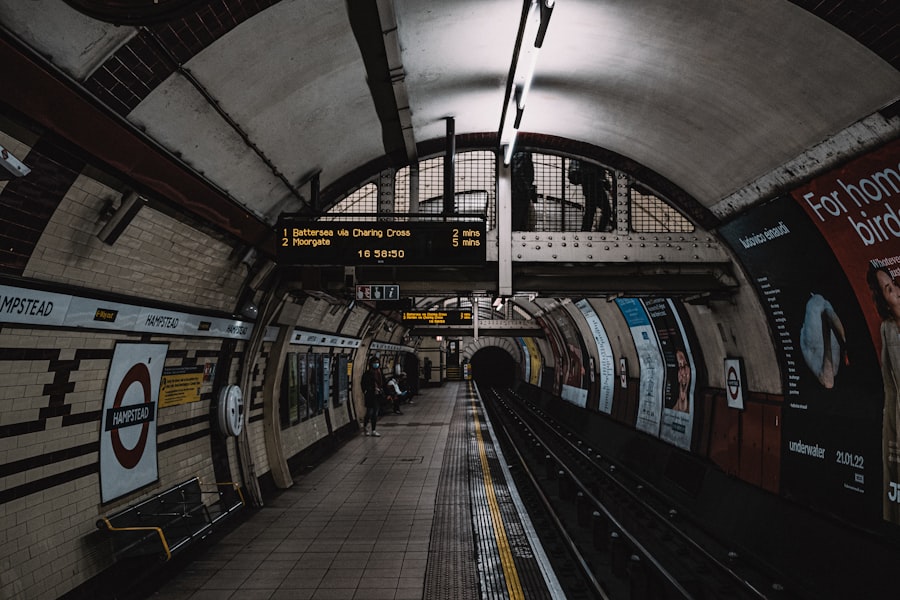
The Tube is the backbone of London transport. It is fast, frequent, and covers almost every corner of the city. However, it is not always the best option. For short journeys, especially above ground, the bus is often faster because you avoid the stairs and tunnels. Plus, you get to see the city from above. Walking is my personal favorite. London is a city made for walking, with hidden alleys, street art, and small parks around every corner. If you are staying in central neighborhoods like Covent Garden, Soho, or Bloomsbury, you can walk to most major sights in under 30 minutes.
Underground Lines You Need to Know
The Piccadilly Line is your best friend if you are arriving from Heathrow. It runs directly into central London and stops at South Kensington for museums, Covent Garden for shopping, and Kings Cross for train connections. The Central Line cuts across the city east to west, useful for getting to St Pauls, the Bank area, and Liverpool Street. The Jubilee Line connects Westminster, Waterloo, and Canary Wharf, and it is one of the most modern lines with air conditioning. Pro tip for you: avoid the Tube during peak hours from 7:30 to 9:30 AM and 5:00 to 7:00 PM if you can. It gets packed like a sardine can, and you will spend more time squeezing than enjoying.
Buses, Bikes, and River Boats
London buses are iconic for a reason. They are cheaper than the Tube and offer a scenic ride. The number 11 bus is a classic sightseeing route that passes by St Pauls, the Tate Modern, and the Houses of Parliament. If you are feeling active, rent a Santander Cycle for a few pounds and explore along the Thames path. For a unique perspective, take a Thames Clipper river bus from Westminster to Greenwich. It counts as part of the Oyster and contactless system, and the views of the skyline are unbeatable. In 2026, a single river bus ride within zone 1 costs about 5.50 GBP, which is well worth it for the experience.
- How to Get Around - Tube (zones 1-2 daily cap 8.50 GBP), bus (1.75 GBP single ride), river bus (5.50 GBP single), Santander Cycles (3 GBP for 24-hour access). Always use contactless payment for the best rates.
- Pro Tip - Download the Citymapper app before you arrive. It is more accurate than Google Maps for London transport and tells you exactly which carriage door to stand at for the best exit.
- Avoid - Taking black cabs for long distances unless you have money to burn. They are comfortable but expensive, with an average fare of 15-25 GBP for a 15-minute journey.
Where to Stay in London for Every Budget
Now let us talk about accommodation. London has some of the widest price ranges you will find anywhere in Europe. In 2026, you can get a hostel bed in a good location for as little as 30 GBP per night, or you can spend 500 GBP on a luxury hotel room overlooking Hyde Park. The key is choosing the right neighborhood for your trip goals.
Budget-Friendly Neighborhoods
If you are on a tight budget, look at areas like Paddington, Earls Court, or Kings Cross. These neighborhoods have plenty of budget hotels and hostels, and they are well connected by the Tube. Paddington is especially convenient because the Heathrow Express and the Elizabeth Line both stop there. A double room in a budget hotel in these areas costs between 70 and 110 GBP per night in 2026. Booking.com data from March 2026 shows that the average nightly rate for a 3-star hotel in zone 1 is 95 GBP, which is reasonable for a capital city.
Mid-Range and Luxury Options
For a mid-range stay, consider South Kensington, Bloomsbury, or Covent Garden. These areas are central, safe, and full of restaurants and shops. A 4-star hotel in South Kensington averages around 180 GBP per night in 2026. If you want to splurge, Mayfair, Marylebone, and Knightsbridge are the gold standard. The Connaught and the Dorchester are iconic, but even boutique hotels in these areas start at 350 GBP per night. Pro tip for you: book directly with the hotel if you can. Many offer free breakfast or late checkout that booking sites do not include.
Top Things to Do in London
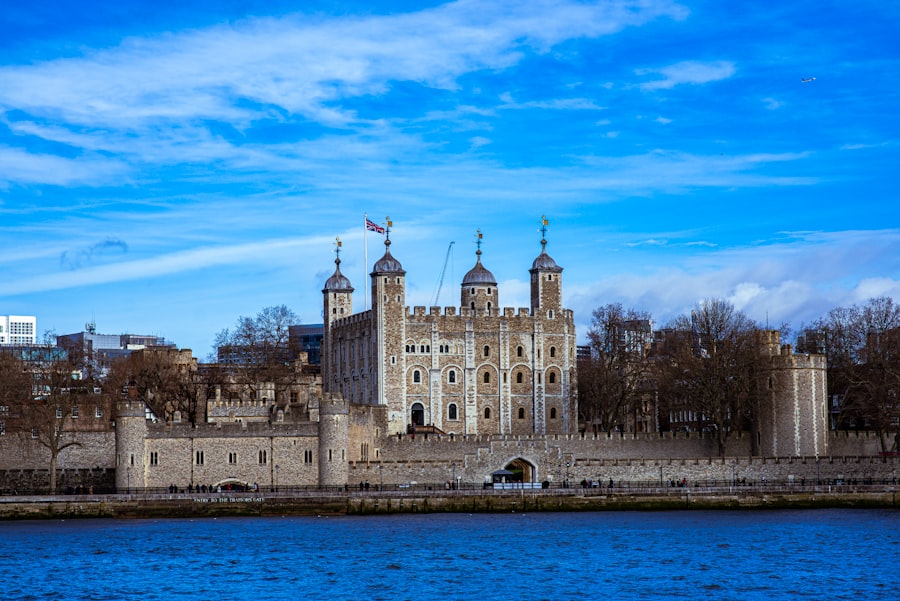
If you are wondering about the must-see attractions, I have good news: London delivers on every front. You could spend a month here and still not see everything, so prioritise what truly interests you. For a first-timer guide to London, I recommend a mix of iconic landmarks and hidden gems. The British Museum is free and houses the Rosetta Stone and the Parthenon marbles. The Tower of London costs around 35 GBP for a ticket, but you can easily spend three hours there exploring the crown jewels and the history. The View from The Shard offers a 360-degree panorama for about 30 GBP, but go on a clear day or skip it entirely.
- Top Things to Do - British Museum (free, book a free timed slot online), Tower of London (35 GBP, book in advance for shorter queues), Sky Garden (free but book weeks ahead for best slots), Borough Market (free entry, budget 15-25 GBP for lunch), and the South Bank Walk (free, from Westminster Bridge to Tower Bridge).
- Pro Tip - The London Pass can be worth it if you plan to visit 3 or more paid attractions in a day. In 2026, a 1-day pass costs about 90 GBP. Do the math before buying.
- Free Events - Check the Visit London events calendar for free festivals and parades. In summer 2026, there will be free outdoor cinema screenings at Canary Wharf and concerts in Hyde Park.
Where to Eat in London
Food in London has transformed over the last decade. You can eat world-class cuisine for under 15 GBP if you know where to look. The city is a melting pot of global flavors, and the casual dining scene in 2026 is stronger than ever. For a classic British experience, head to a gastropub like The Harwood Arms in Fulham or The Cow in Notting Hill. Sunday roast with all the trimmings will set you back around 20-25 GBP per person, and it is worth every penny. If you want street food, Borough Market and Camden Market are the best choices. Borough Market is more upscale, while Camden is eclectic and edgy.
- Where to Eat - Borough Market (open Mon-Sat, budget 12-20 GBP per meal), Dishoom (Indian comfort food, 15-20 GBP per person, be prepared to queue), The Wolseley (classic British breakfast, 18-25 GBP), and Padella (fresh pasta in Borough Market, 10-15 GBP for a bowl).
- Pro Tip for you - Avoid eating in Leicester Square or directly around Piccadilly Circus. The food is overpriced and underwhelming. Walk 10 minutes to Chinatown or Soho for better options at lower prices.
- Budget Hack - Pret A Manger and Itsu are everywhere and offer healthy, cheap meals for under 8 GBP. Great for a quick lunch between sights.
Traveler's Warning: Do not exchange currency at the airport or at hotel desks. The exchange rates are terrible and you will lose up to 10% of your money. Instead, withdraw cash from an ATM inside the city using a debit card with no foreign transaction fees. In 2026, most places accept cards, but some market stalls and small shops still prefer cash. Always have 20-30 GBP in your pocket for emergencies.
Practical Tips for a Smooth Trip
A first-timer guide to London would not be complete without a few practical pointers that can save you time, money, and frustration. First, buy travel insurance. The UK has a public health system, but visitors are not covered for free. A simple visit to a walk-in clinic for a sprained ankle could cost 150 GBP. Second, pack layers. London weather in 2026 is as unpredictable as ever. You can get sun, rain, and wind all in the same afternoon. A light waterproof jacket and comfortable walking shoes are non-negotiable. Third, learn the etiquette. Stand on the right side of escalators on the Tube, always say please and thank you, and do not block the pavement. Londoners are friendly if you are polite.
If you are wondering about connectivity, buy a local SIM card or an eSIM from providers like EE or Vodafone. A 30-day plan with 10GB of data costs about 15 GBP. Alternatively, many cafes and restaurants offer free WiFi. The city has free public WiFi in most tube stations and on buses, which is handy for navigating maps and transport apps. Another tip: book major attractions like the London Eye, the Tower of London, and the Sky Garden at least two weeks in advance for 2026. Walk-up tickets still exist, but you will wait in line for an hour or more. Pre-booking saves time and sometimes money, as advance tickets can be 10-15% cheaper.
What to Pack for London in 2026
I always recommend a small crossbody bag that zips shut. Pickpocketing is not rampant, but it happens in crowded areas like the Tube and tourist hotspots. Leave your bulky backpack at the hotel. Bring a reusable water bottle because tap water in London is safe and free, and you will find refill stations in many museums and parks. An umbrella is essential, but a compact one that fits in your bag. Do not bother with formal wear unless you are planning a night at the theatre or a fancy dinner. London is casual but smart. Jeans, a nice shirt, and clean trainers will get you into most places.
Final Thoughts on Your 2026 London Trip
London is a city that grows on you. The first time you step out of a Tube station and see Big Ben towering above you, or you round a corner and stumble onto the Thames at sunset, you will understand why people fall in love with it. This first-timer guide to London is designed to help you skip the rookie mistakes and focus on what matters: enjoying your trip. Remember to pace yourself. Do not try to see everything in one day. Pick two or three things each day and leave room for spontaneous discoveries. London rewards those who wander. Take a detour down a side street, pop into a pub that looks interesting, and talk to locals. You will leave with stories that no guidebook can capture. Book your flights, get your Oyster card ready, and prepare for an unforgettable adventure in 2026.
Frequently Asked Questions
What is the best time to visit London for first-timers in 2026?
Spring (March to May) and early autumn (September to October) offer mild weather and smaller crowds. These periods also feature beautiful blooms in parks and fewer tube disruptions.
Which airport should I fly into for central London?
Heathrow is the largest and has the fastest train link (Heathrow Express, 15 minutes) to Paddington. For budget options, consider Luton or Stansted with coach connections.
What are the must-see attractions for a first visit?
The Tower of London, Buckingham Palace, and the British Museum are non-negotiable. Also, take a free walk along the South Bank for iconic views of the Thames.
Do I need to carry cash or is card accepted everywhere?
Contactless card or phone payments are accepted almost universally, including on public transport. Carry a small amount of GBP for niche tourist stalls or emergencies.
How do I use public transport as a tourist most easily?
Get an Oyster card or use contactless payment when tapping into Tube, buses, and trains. The Tube is fastest for central zones, and a day pass saves money if you ride frequently.
💬 Comments (0)
No comments yet. Be the first!