San Francisco Travel Guide 2026: Complete City Tips
Our comprehensive San Francisco travel guide 2026 covers everything from iconic sights to hidden gems. Start planning your perfect trip today!
San Francisco Travel Guide 2026: Complete City Tips
Your San Francisco travel guide 2026 starts here, packed with fresh updates and insider advice to help you navigate the City by the Bay like a pro. Whether you are a first-time visitor or a returning traveler, this guide focuses on practical value: specific transit lines, honest price ranges, and neighborhood names you can actually use. I’ll share personal tricks, money-saving secrets, and the most up-to-date data from official tourism boards and top review platforms. Let’s dive into what makes San Francisco unforgettable in 2026.
Why Visit San Francisco in 2026?
San Francisco continues to evolve, blending its iconic landmarks with exciting new openings. In 2026, the city's public transit system has expanded, and several major museums have refreshed their exhibits. According to the San Francisco Travel Association, visitor numbers are expected to exceed 26 million this year, with average hotel occupancy rates around 78%. On TripAdvisor, the city’s top attractions still hold 4.5-star ratings, with the Golden Gate Bridge and Alcatraz leading the list. But beyond the postcard views, you will find vibrant neighborhoods like the Mission District, Hayes Valley, and Dogpatch—each offering a distinct flavor.
If you’re wondering about the best time to visit, I recommend late spring (April to June) or early fall (September to October). These months bring milder weather, fewer crowds, and better rates on Booking.com, where you can often find boutique hotels from $180 to $350 per night. Summer is warmer but more expensive, while winter brings fog and rain but also lower prices. Now let’s talk about the concrete details that will shape your trip.
How to Get Around San Francisco
Public Transit Essentials
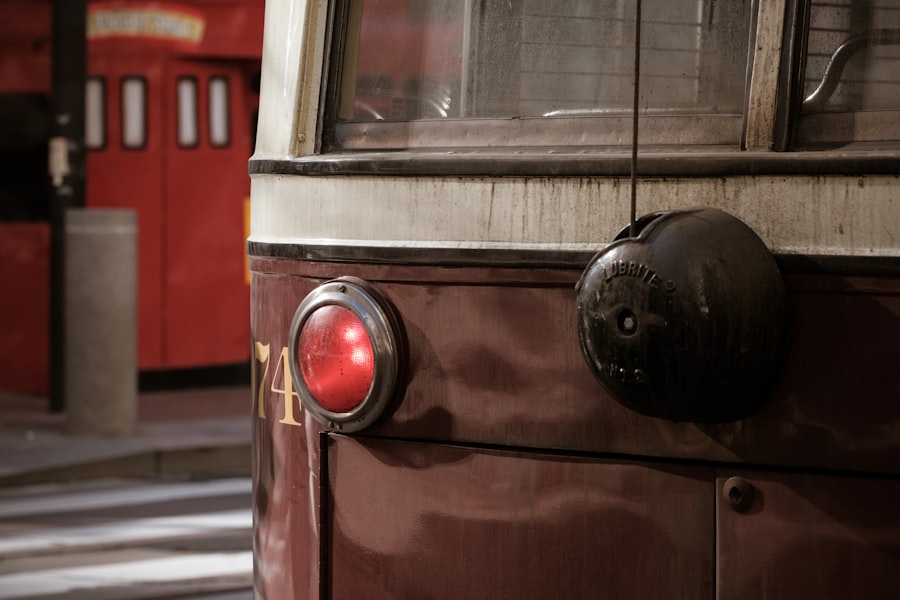
Getting around without a car is easy if you know the system. The Muni network includes buses, light rail, and the famous cable cars. For 2026, Muni has introduced a new express bus line, the 5 Fulton Rapid, which cuts travel time from downtown to the Richmond district by 15 minutes. A single ride costs $3.00 (cash or Clipper card), and a day pass is $13.50. The BART (Bay Area Rapid Transit) connects downtown with the airport, Oakland, and Berkeley. From San Francisco International Airport (SFO), take the BART yellow line to Powell Street for $10.50—it takes about 30 minutes.
Pro tip for you: buy a Clipper card at any Walgreens or the airport BART station. It works on all Bay Area transit systems, and you can reload it online. Avoid renting a car unless you are heading to wine country; parking in the city can cost $50–$80 per day, and break-ins are common. For ride-sharing, Lyft and Uber operate widely, but expect surge pricing near major attractions.
- Muni buses – Routes 38 Geary and 14 Mission cover key corridors. Fares $3.00 single, $13.50 day pass.
- Cable cars – Three lines: Powell-Hyde, Powell-Mason, and California Street. Each ride costs $8.00 (no transfers). Buy tickets at the terminal to avoid long lines.
- BART – Cross Bay travel to East Bay. SFO to downtown: 30 min, $10.50. Avoid peak hours 7–9 AM and 4–6 PM.
Walking & Biking
San Francisco is surprisingly walkable if you are comfortable with hills. The city is only 7 miles by 7 miles, so you can cover a lot on foot. For steeper climbs, use the new electric-assist bike share system, Bay Wheels. Rentals start at $5 per half hour, with a day pass for $20. I suggest biking across the Golden Gate Bridge to Sausalito—a flat 8-mile ride with stunning views. Remember to return the bike in Sausalito and take the ferry back ($14).
Where to Eat: A Neighborhood Breakdown
Food is a central part of any San Francisco travel guide 2026, and you will find everything from Michelin-starred dining to affordable street tacos. I recommend focusing on three key neighborhoods for your meals: the Mission District for Mexican and Latin flavors, Chinatown for dim sum and noodle shops, and the Ferry Building for gourmet market stalls.
- Mission District – Try La Taqueria for carnitas tacos ($5.50 each) or Mission Chinese Food for spicy Szechuan (entrees $12–$18). For a cheap burrito, head to El Farolito ($9).
- Chinatown – Good Mong Kok Bakery serves pork buns ($2.50) and dumplings. For sit-down, order the Peking duck at Great Eastern Restaurant (half duck $32).
- Ferry Building – Hog Island Oyster Co. has fresh oysters ($3.50 each) and clam chowder ($12). Try the artisan cheese samples at Cowgirl Creamery.
Price ranges vary. A budget meal (under $15) is easy to find in the Mission or Chinatown. Mid-range ($15–$35) covers most casual sit-down places. Fine dining ($75 and up) includes spots like Atelier Crenn (3 Michelin stars) or Benu (2 stars). Booking.com reviews often mention that reservations are essential for top restaurants—book at least two weeks ahead. If you’re wondering about tipping, 15–20% is standard; many restaurants add 18% gratuity for parties of 6 or more.
Top Things to Do in San Francisco 2026
Iconic Landmarks Revisited
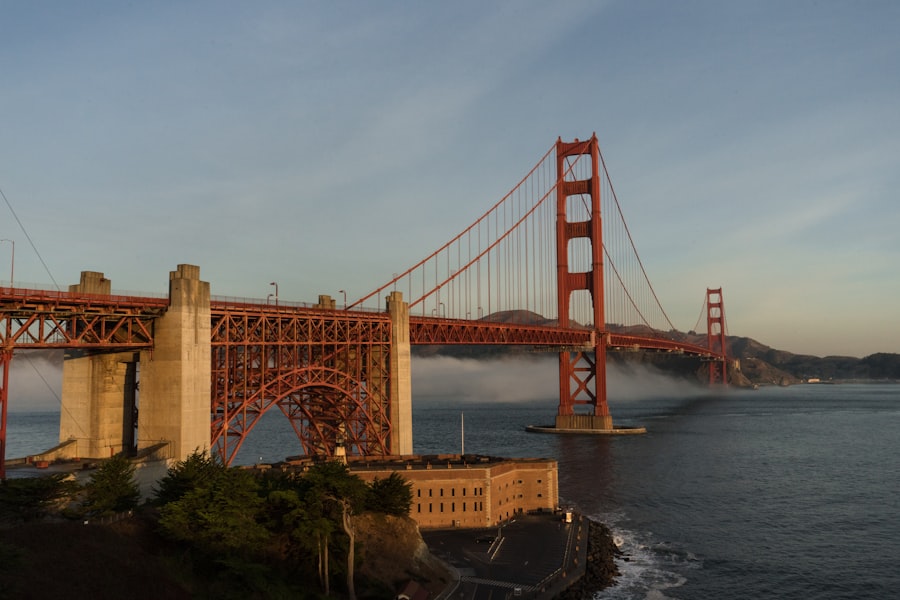
No San Francisco travel guide 2026 would be complete without the classics. The Golden Gate Bridge now has a new visitor center at the south end, with interactive exhibits about its construction. Walk or bike across (free pedestrian access). Alcatraz Island remains a must-book experience; tickets sell out often, so reserve on the official site at least a month in advance. The audio tour is excellent and lasts about 2.5 hours. On TripAdvisor, Alcatraz holds a 4.6 rating with over 50,000 reviews—most people say it’s worth every penny ($45.25 per adult).
Another highlight: the renovated de Young Museum in Golden Gate Park reopened its west wing in early 2026, featuring a new collection of contemporary California art. Admission is $15 for adults, with free days every Tuesday. For a free outdoor experience, hike to the top of Twin Peaks for a 360-degree view—just wear layers as wind gusts can be strong.
- Golden Gate Bridge – Free walk/bike access. Park at the Welcome Center ($10 per hour).
- Alcatraz Island – Book tickets at alcatrazcruises.com. Night tours cost $46.50 and include a sunset ferry.
- Museums – SFMOMA ($25), California Academy of Sciences ($40), Exploratorium ($45). Check online for discounted combo passes.
Off the Beaten Path
For a unique experience, explore the Dogpatch neighborhood, home to the historic Shipwright’s Cottage and the new Minnesota Street Project art galleries. You can also ride the newly extended T-Third Muni light rail line to Chase Center for a Golden State Warriors game—tickets start at $90. If you like urban hiking, the Lands End Trail offers dramatic coastal cliffs and ruins of the Sutro Baths. It’s a 3.5-mile loop, free and dog-friendly.
Pro tip for you: avoid the tourist-packed Fisherman’s Wharf on weekends. Instead, visit early on a weekday (before 10 AM) to see the sea lions at Pier 39 without the crush. Then walk to nearby North Beach for a cappuccino at Caffe Trieste, a Beat Generation landmark. The neighborhood feels like a small Italian village.
Accommodation Advice for 2026
Hotels in San Francisco range from budget hostels ($40–$80 per night) to luxury properties ($500+). On Booking.com, you can find reliable mid-range hotels like the Hotel Spero in Union Square (from $220/night) or the Hotel Nikko (from $280). For a local vibe, consider an Airbnb in the Mission District or Hayes Valley, though prices have risen due to new regulations—average private room is $130/night. Always check cancellation policies; weather can change plans quickly.
If you’re traveling on a budget, stay in Oakland or Berkeley and commute via BART. An Oakland hotel may cost $150 less per night than a comparable San Francisco one. The BART ride from downtown Oakland to Powell Street is only $5.45 and takes 12 minutes.
Money-Saving Secrets
Traveler’s Warning: Avoid taking a taxi from SFO to downtown—the flat fare is $55 plus tip. Instead, ride BART for $10.50. Also, the CityPASS (available at citypass.com) gives you access to 4 major attractions (including the California Academy of Sciences and a Bay Cruise) for $89, saving you up to 40% compared to buying separately. Finally, carry a reusable water bottle; tap water in SF is some of the best in the country.
A major money-saver is the Muni Mobile app—it offers day passes at a discount ($12 instead of $13.50). For food, head to Food Halls like La Playa in the Outer Sunset, where you can sample pupusas, banh mi, and empanadas for under $10 each. Happy hours also deliver great deals: the Local Tap Room in the Mission has $5 craft beers and $6 burgers from 4–6 PM daily.
Safety and Practical Tips
San Francisco is generally safe, but car break-ins are a persistent problem. Never leave any luggage or valuables in a parked car—even for five minutes. Stick to well-lit streets after dark, especially in the Tenderloin district, which is best avoided altogether. On public transit, keep your phone and wallet zipped in a front pocket. The city has a visible homeless population; be respectful and keep walking.
For weather, always bring layers. A typical summer day can start with fog (50°F) and clear to sunny 70°F by noon. A windbreaker and a light sweater are your best friends. In 2026, the city has installed more water refill stations at parks and transit hubs, so stay hydrated.
Now let’s recap your San Francisco travel guide 2026 checklist: buy a Clipper card, book Alcatraz early, eat in the Mission, ride the cable cars at dawn, and always pack layers. Follow these tips, and you will experience the best of this dynamic city without breaking the bank or getting frustrated. Safe travels, and I hope you fall in love with San Francisco as I did.
Frequently Asked Questions
What is the best time to visit San Francisco in 2026?
Fall (September to November) offers the warmest weather and fewer crowds. Summer can be foggy and cool.
What are the must-see attractions in San Francisco?
Don't miss the Golden Gate Bridge, Alcatraz Island, Fisherman's Wharf, and a ride on the historic cable cars.
How do I get around San Francisco easily?
Use BART for regional transit, MUNI for city buses and cable cars, and ride-sharing or rental bikes for flexibility. Walking is great for exploring neighborhoods.
What new attractions or tips are important for 2026?
The revitalized Pier 39 and Chase Center host new events. Check city calendars for 2026 celebrations and use apps for real-time transit updates.
Where should I stay in San Francisco?
Choose neighborhoods like Union Square or Fisherman's Wharf for tourists, or the Mission District for a local vibe with great food.
💬 Comments (0)
No comments yet. Be the first!