The Ultimate First-Timer Guide to Los Angeles 2026
Planning your first trip to Los Angeles in 2026? This First-Timer Guide to Los Angeles 2026 covers top attractions, tips & more.
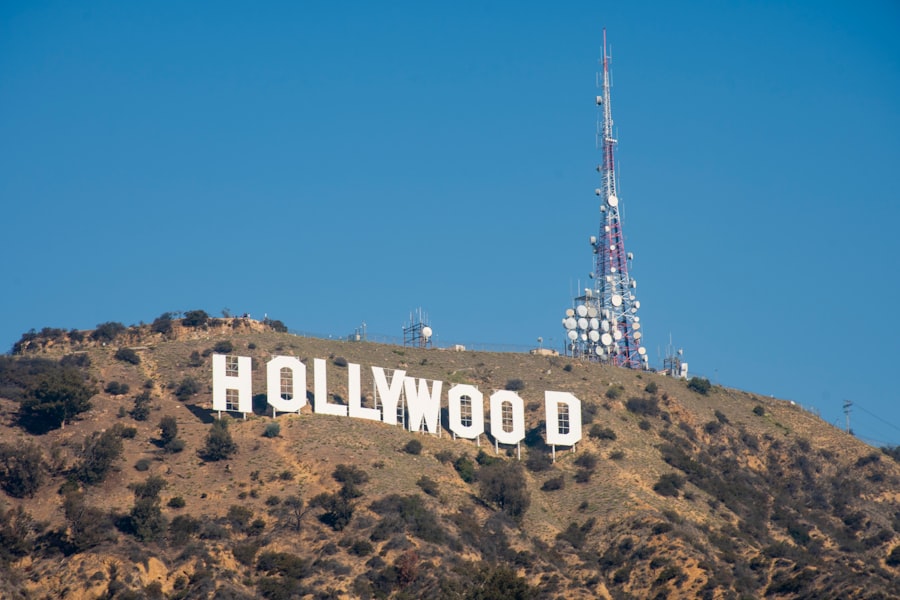
This First-Timer Guide to Los Angeles 2026 is your essential companion for navigating the City of Angels like a seasoned local. Whether you are dreaming of Hollywood stars, sun-drenched beaches, or world-class museums, I have packed every practical detail you need to make your trip smooth, safe, and unforgettable. Los Angeles in 2026 is bigger, bolder, and more connected than ever, thanks to major transit expansions and new attractions. Let me walk you through everything from getting around to where to eat, so you can spend less time planning and more time exploring.
Getting Around: Public Transit, Ride-Shares, and Car Rentals
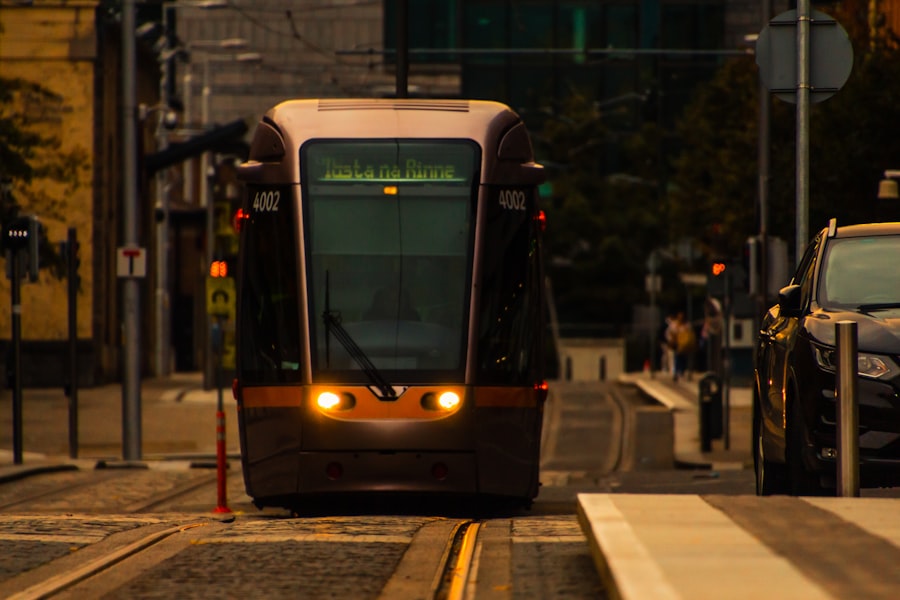
You will find that Los Angeles is infamous for its traffic, but the 2026 transit landscape has improved dramatically. The Metro Rail system now includes the long-awaited K Line extension linking Inglewood to LAX, and the Regional Connector seamlessly connects the A, E, and L lines. For most tourist destinations, I recommend you take the Metro instead of renting a car. A single ride costs $1.75, and a day pass is just $7.00. You can buy a TAP card at any station or via the TAP app.
Pro Tip: Avoid renting a car if you are staying within the central neighborhoods like Downtown, Santa Monica, or Hollywood. Parking fees easily exceed $30 per day, and the city’s traffic is brutal. Instead, combine Metro with ride-shares like Uber or Lyft for short hops. Rental cars are still a good option if you plan to explore the canyons or head to Orange County, but book early—prices in 2026 have jumped by nearly 15% compared to 2024, according to Booking.com data.
How to Get Around (Bullet List)
- Metro Rail: Use the B (Red) Line to Hollywood & Highland, the E (Expo) Line to Santa Monica Pier, and the new K Line to SoFi Stadium. Peak hours are 7-9 AM and 4-7 PM.
- Ride-shares: Uber and Lyft are widely available, but surge pricing can double fares during events. Average cost for a 5-mile trip: $15-$25.
- Buses: Metro buses cover areas the rail doesn’t. Use the Transit app for real-time arrivals. The Big Blue Bus (Santa Monica) and DASH (Downtown) are cheap alternatives at $1.00 per ride.
Where to Stay: Best Neighborhoods for First-Timers
If you are wondering about the best home base for your first trip, here is my honest advice. Santa Monica is ideal if you want beach vibes, family-friendly attractions, and easy access to the Pier and Third Street Promenade. Hollywood puts you right in the tourist heart—expect crowds but also iconic sights. Downtown LA (DTLA) has undergone a renaissance with world-class dining, the Arts District, and the new 2026 World Trade Center observation deck. For a quieter stay, consider West Hollywood with its trendy boutiques and nightlife, or Silver Lake for hipster cafes and indie shops.
Prices in 2026 range from $150 per night for a budget motel in Hollywood to $400+ for a boutique hotel in Santa Monica. According to TripAdvisor user reviews, the most highly rated value hotel is the Freehand Los Angeles in DTLA, offering shared dorms from $60 and private rooms from $200. Booking.com shows that summer months (June-August) are the most expensive, so book at least three months ahead for the best rates.
Where to Eat (Bullet List)
- Grand Central Market (DTLA): A legendary food hall with over 40 vendors. Try the tacos at Tacos Tumbras a Tomas or the famous egg sandwich at Eggslut. Budget: $8-$15 per item.
- In-N-Out Burger (Multiple Locations): A California icon. Order a "Double-Double Animal Style" for the full experience. Average meal: $8.50.
- Koreatown BBQ: Hit Park’s BBQ for premium Korean barbecue. Expect $40-$60 per person for an all-you-can-eat feast. Make a reservation or wait an hour on weekends.
- Venice Beach Boardwalk: Grab a fish taco at the Malibu Seafood stand (cash only, $6-$10) or a fresh-pressed juice at Press Brothers.
Top Things to Do: Iconic Sights and Hidden Gems
Moving on to the heart of your itinerary. Los Angeles offers a dizzying array of attractions, but for a first-timer, a few stand out. You simply cannot miss the Hollywood Walk of Fame—it’s the touristy epicenter, but that’s part of the charm. Visit early morning (before 9 AM) to avoid the selfie-stick crowds. Next, the Getty Center is a masterpiece of architecture and gardens with free admission (parking is $20). For breathtaking skyline views, head to the Griffith Observatory; the parking lot fills up by 10 AM, so take the DASH Observatory bus from the Vermont/Sunset Metro station.
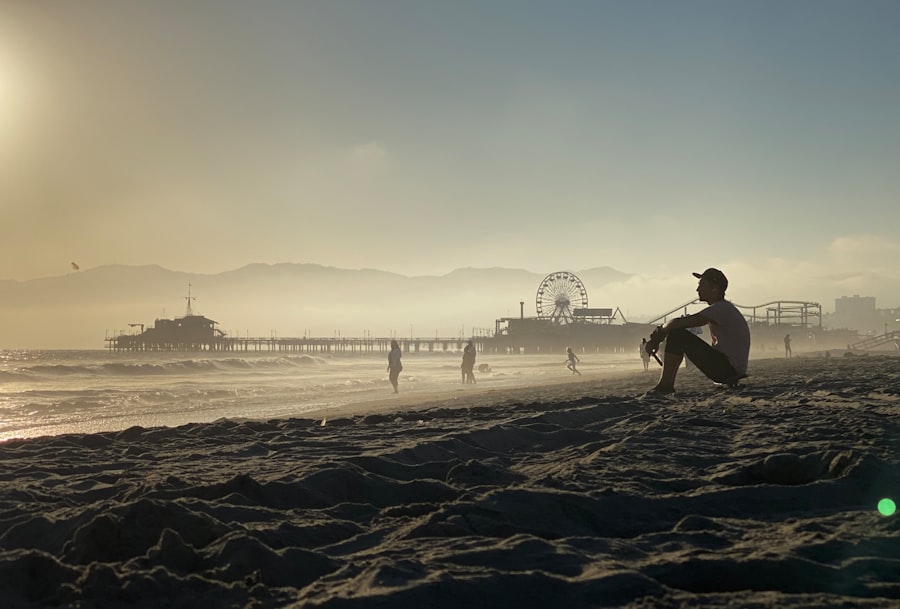
Now let’s talk about the beach experience. Santa Monica Pier is a must, but I suggest you also explore Venice Beach for its boardwalk performers and the Venice Canals. The 2026 addition of the LA River Path now connects Griffith Park to the ocean—rent a bike from Bicycle Heaven in Burbank for $30/day and enjoy a car-free ride.
Top Things to Do (Bullet List)
- Universal Studios Hollywood: The new "Super Mario World" attraction opened in 2025 and remains a hit in 2026. Book a one-day pass online for $119 (avoid the $14 parking fee by taking the Metro B Line).
- Disneyland (Anaheim, 30 miles south): Take the Metrolink from Union Station to Anaheim—a round trip costs $15 and saves you $30 in parking. Tickets start at $104 for a single park.
- The Broad Museum (DTLA): Free, but you must reserve timed-entry tickets online at least two weeks in advance. If sold out, try the standby line starting at 10 AM—wait time averages 45 minutes.
- Rodeo Drive (Beverly Hills): Window shop at the most expensive boutiques. Even if you don’t buy, the people-watching is priceless. Free valet parking is not free—tip $5.
Traveler’s Warning: Avoid driving during "Carmageddon" hours—Weekday 4-7 PM on the 405 freeway. In 2026, the city has added more express lanes, but construction near the Sepulveda Pass still causes delays of up to 90 minutes. Use the Metro bus lanes instead. Also, never leave baggage in your rental car; theft from vehicles in tourist areas like Hollywood and Venice rose 12% in 2025, according to the Los Angeles Tourism & Convention Board.
Money-Saving Secrets and Best Times to Visit
Pro tip for you: many of LA’s best experiences are free. Griffith Park hiking trails, the Museum of Contemporary Art (free every Thursday), and the view from City Hall’s observation deck (free with ID) cost zero dollars. For paid attractions, buy combo passes like the Go Los Angeles Card ($89 for one day, $149 for three) which includes admission to Universal, the Aquarium of the Pacific, and a hop-on-hop-off bus.
If you are wondering about the best season, consider September through November. Summer crowds thin out, ocean temperatures are comfortable (68-72°F), and hotel rates drop by 20% compared to July. The 2026 "CicLAvia" events (car-free street festivals) happen quarterly in October and April, letting you bike through Downtown without traffic.
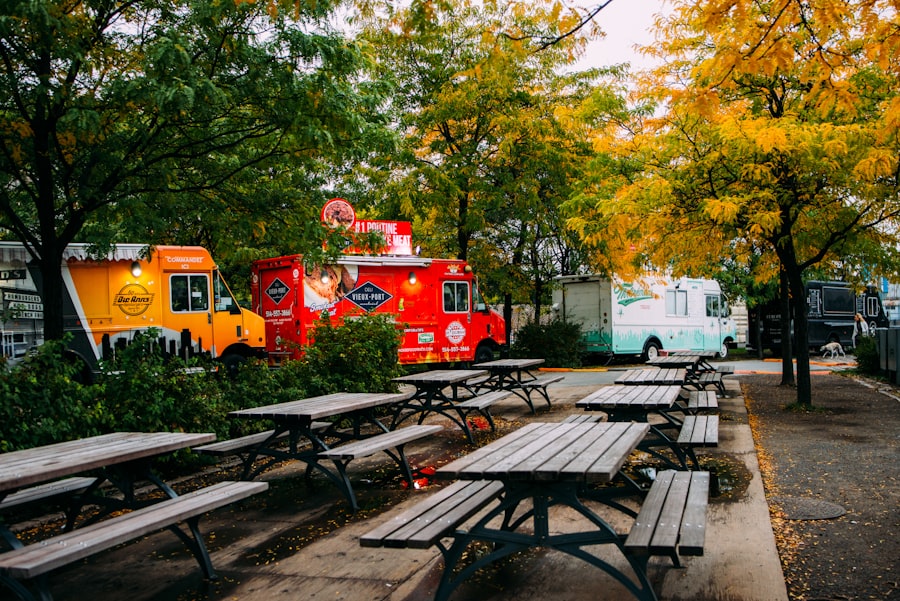
This First-Timer Guide to Los Angeles 2026 would not be complete without a mention of the city’s evolving food truck scene. Download the StreetFoodFinder app to track trucks like Kogi BBQ (Korean-Mexican fusion) or The Lobos Truck for gourmet cheese steaks. Most trucks post their locations daily on Instagram.
Packing Essentials and Safety Tips
Packing for LA means layers. In 2026, the city’s microclimates are more pronounced than ever—you can start the morning foggy in Santa Monica (60°F), then hit 90°F in the San Fernando Valley by noon. I recommend you bring a light jacket, comfortable walking shoes (you will clock 10,000+ steps daily), and a reusable water bottle. Tap water in LA is safe, but many cafes offer free filling stations.
Safety-wise, stick to well-lit areas at night. Hollywood Boulevard after 10 PM can be sketchy east of Highland Avenue. The official Los Angeles Tourism Board reports that overall crime has dropped 8% since 2024 thanks to increased patrols, but petty theft remains high in crowded spots like the Hollywood Bowl and the Original Farmers Market. Keep your phone in your front pocket or a crossbody bag.
To wrap it up, this First-Timer Guide to Los Angeles 2026 is designed to help you avoid rookie mistakes and embrace the city’s chaotic charm. From the Metro rail network to the taco stands, LA rewards those who plan ahead but stay flexible. Whether you are snapping a photo at the Hollywood Sign (use the Griffith Park hiking trail—free parking at the Fern Dell lot) or catching a sunset at the Getty, you will leave with memories that last well beyond 2026. Now go explore—the City of Angels is ready for you.
Frequently Asked Questions
What is the best time of year to visit Los Angeles for a first-timer?
Late spring (April to June) and early fall (September to November) offer pleasant weather, fewer crowds, and lower prices.
What are the must-see attractions for a first-time visitor?
Hollywood Walk of Fame, Santa Monica Pier, Griffith Observatory, and Universal Studios Hollywood are top picks for first-timers.
Do I need a car to get around Los Angeles?
While a car is convenient, you can use ride-shares, Metro, and buses, but be prepared for traffic.
What are good budget-friendly accommodations for a first-time trip?
Consider areas like Koreatown, Hollywood, or Santa Monica for affordable hostels or boutique hotels.
What hidden gems should a first-timer explore beyond the tourist spots?
Visit the Venice Canals, the Last Bookstore, and hike Runyon Canyon for local favorites.
💬 Comments (0)
No comments yet. Be the first!