Reykjavik First-Timer Guide 2026: Top Tips
Plan your Icelandic adventure with the essential Reykjavik first-timer guide 2026 – covering sights, food, and transport tips.
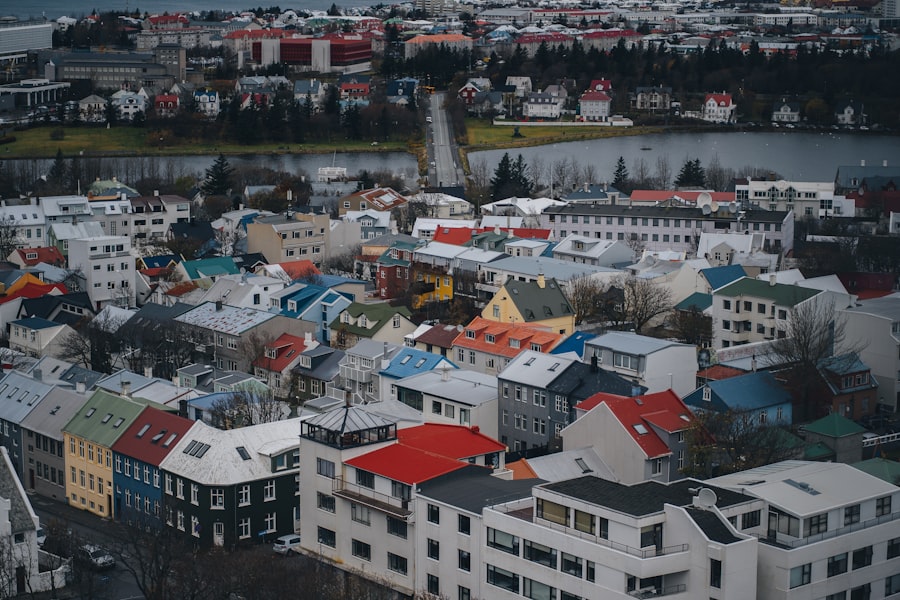
If you are looking for a Reykjavik first-timer guide 2026, you have come to the right place. This guide is packed with practical tips to help you navigate Iceland's capital like a pro. Reykjavik is a compact city that blends Nordic charm with modern adventure. In 2026, new direct flight routes and improved public transport make it even easier to explore. You will find everything you need here, from airport transfers to hidden eateries. I recommend you take your time and soak in the unique atmosphere. Let's dive into the essentials.
Welcome to Reykjavik: Why 2026 Is the Perfect Year
Reykjavik has long been a bucket-list destination, but 2026 brings some exciting changes. The city's tourism board, Visit Reykjavik, reports that new geothermal pools and cultural centers are opening this year. The crowds are still manageable, especially if you travel in shoulder seasons like May or September. You will appreciate the extended daylight in summer and the Northern Lights in winter. For a Reykjavik first-timer guide 2026, the timing is ideal. Prices remain stable, and several new hotels have launched on Booking.com with rates starting from $150 per night in the city center. TripAdvisor rates Hallgrimskirkja church at 4.5 stars, and it remains a must-see landmark. Now let's talk about getting here.
Getting to and from Keflavik Airport
Keflavik International Airport is about 50 kilometers from Reykjavik. You have two main options: the Airport Express bus or a taxi. The bus, operated by Flybus and Airport Direct, costs around $35 one way and takes 45 minutes. It drops you at the BSI bus terminal in downtown Reykjavik. From there, you can transfer to a smaller shuttle to your hotel for a small extra fee. A taxi, on the other hand, will set you back $120 to $180 depending on traffic. If you are traveling with a group, a taxi might be worth it. Pro tip for you: book the Flybus online in advance; you will save 10% and skip the line at the airport. Moving on to accommodation.
Airport Express Bus vs. Taxi: Which Is Better?
For solo travelers or couples, the bus is the smart choice. For families or late arrivals, the taxi offers convenience. In 2026, the bus schedule runs every 30 minutes from 6 a.m. to midnight. Check the official Flybus website for real-time updates. If you are wondering about rental cars, I recommend skipping them for your first few days. Parking in central Reykjavik is expensive and spots are limited.
Where to Stay in Reykjavik
Neighborhood matters when you are a first-timer. The 101 Reykjavik district is the heart of the city, with Laugavegur street, bars, and museums all within walking distance. You will find cozy guesthouses and mid-range hotels here. Booking.com shows a 90% occupancy rate for 101 in summer 2026, so book early. Another great area is Laugardalur, a quieter residential zone with a large park, a geothermal pool, and a botanical garden. It is a 15-minute walk from downtown. If you prefer budget options, consider Hlemmur or the Grandi district, where hostels start at $50 per night. For a Reykjavik first-timer guide 2026, staying central is key to minimizing transport costs.
Best Neighborhoods for First-Timers
- 101 Reykjavik - Most tourist attractions, restaurants, and nightlife. Expect $150-$250 per night for hotels.
- Laugardalur - Family-friendly, close to the city's biggest pool. Prices around $100-$180 per night.
- Grandi - Hip harbor area with seafood restaurants and art galleries. Hostels from $50, hotels from $130.
How to Get Around
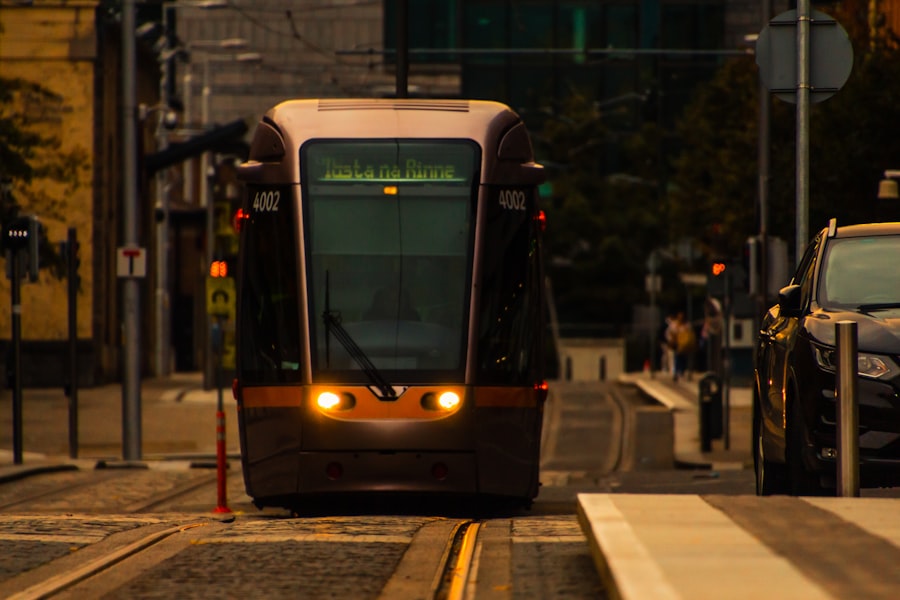
Reykjavik is walkable, but you will need public transport for some attractions. The city bus system, Strætó, covers most areas. A single ticket costs $4, or you can buy a 24-hour pass for $12. You can use the Strætó app to plan routes. Line 1 and Line 6 connect the downtown area with Laugardalur and the harbor. For longer trips, Rent an electric scooter via Hopp or Bolt for about $0.30 per minute. You can also rent a bike at several city bike stations for $10 per day. Now let's talk about what to do.
- Strætó bus lines: 1, 3, 6, 11 cover main areas.
- Single ticket: $4; 24-hour pass: $12; use cash or app.
- Scooters: Hopp and Bolt available, average $0.30/minute.
- Walking: most sights in 101 district are within 20 minutes.
Top Things to Do
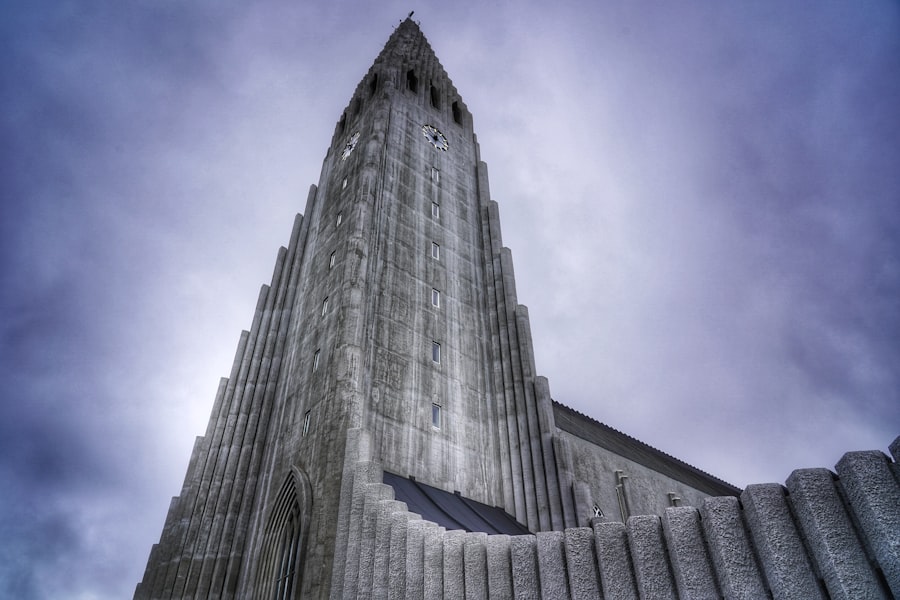
You cannot miss Hallgrimskirkja, the iconic church with a 73-meter tower. The observation deck offers panoramic views for $10. TripAdvisor users rate it 4.5 stars. Next, visit the Sun Voyager sculpture by the waterfront. It's free and perfect for photos. For culture, the National Museum of Iceland costs $15 and covers Viking history. If you want nature, the Golden Circle tour is a must. Book with a local operator like Reykjavik Excursions for around $70 per person. But for a real local experience, head to the Hlemmur Matholl food hall. I recommend you take at least one day to explore the city on foot. Pro tip for you: visit the Phallological Museum for quirky fun. It sounds strange, but it is one of Reykjavik's most talked-about spots.
- Hallgrimskirkja - tower view $10, open daily.
- Sun Voyager - free, best at sunrise or sunset.
- National Museum - $15, open 10 a.m. to 5 p.m.
- Golden Circle tour - $70, half-day trip.
- Perlan museum - interactive exhibits, $25.
Where to Eat
Reykjavik's food scene is diverse. For a budget meal, try Baejarins Beztu Pylsur, the famous hot dog stand. It costs about $6 and has been a local staple since 1937. Another affordable option is Icelandic Street Food, where you can get a bowl of lamb soup for $12 with free refills. For mid-range dining, head to Kopar in the harbor area. A three-course dinner runs around $60. For a splurge, Dill Restaurant offers a tasting menu for $150. It is one of the top-rated restaurants on TripAdvisor. If you are wondering about local specialties, try fermented shark and rye bread ice cream. Pro tip for you: book Dill at least two months in advance for 2026.
- Budget: Baejarins Beztu Pylsur ($6), Icelandic Street Food ($12).
- Mid-range: Kopar ($60), Messinn (fish dishes $28).
- Splurge: Dill ($150 tasting menu), Grillmarkadurinn ($80 per person).
Budget-Friendly Eats
You will find cheap eats at the BSI bus terminal's food court or at grocery stores like Bonus. A sandwich and soda costs about $10. For the best value, grab a flatbread with lamb from the Kolaportid flea market on weekends. The market also sells handmade souvenirs.
Splurge-Worthy Restaurants
If you want a memorable dining experience, book a table at Matur og Drykkur. Their modern twist on traditional Icelandic dishes costs around $90 per person. Another option is the Sea Baron (Saegreifinn) for lobster soup and skewers at $25 - not a splurge but a local gem.
Traveler's Warning: In 2026, many restaurants in Reykjavik still close on Sundays and Mondays, especially in off-peak seasons. Always check opening hours online before heading out. Also, tap water is perfectly safe and free - avoid buying bottled water. It's a money-saving secret.
Practical Tips and Money-Saving Secrets
First, buy a Reykjavik City Card. It costs $50 for 24 hours and includes free entry to museums, public transport, and a geothermal pool visit. You will save at least $20 compared to buying separate tickets. Second, avoid eating at tourist traps on Laugavegur. Walk two blocks to the side streets for better prices and quality. Third, bring a reusable water bottle. Tap water in Reykjavik is among the purest in the world. Fourth, pack layers. The weather changes quickly even in summer. Fifth, use the official Visit Reykjavik website for free walking tours. In 2026, the city's tourism board offers a free "Reykjavik in a Nutshell" tour every Saturday morning at 10 a.m. Starting from the main square. This Reykjavik first-timer guide 2026 emphasizes that planning ahead will save you money and hassle.
Money-Saving Secret for Attractions
Many museums offer free entry on specific days. For example, the Reykjavik Art Museum is free on Wednesdays. Check their website before you go. Also, the Blue Lagoon is expensive ($80+) but you can visit the local geothermal pools like Laugardalslaug for $10. The experience is similar and more authentic.
In summary, your Reykjavik first-timer guide 2026 should focus on walking, public transport, and local eateries. You will find that Reykjavik is a safe, friendly city where English is widely spoken. If you follow these tips, you will have a fantastic trip. Remember to book your accommodation on Booking.com early, and check TripAdvisor for recent reviews. As a final pro tip for you: download the Strætó app and the Bolt app before arrival. They will be your best friends. Enjoy your 2026 adventure in Iceland's capital. This Reykjavik first-timer guide 2026 has covered everything you need. Safe travels!
Frequently Asked Questions
What is the best time to visit Reykjavik in 2026?
The best time is summer (June–August) for mild weather and long daylight hours, but winter (November–February) offers northern lights and cozier experiences.
Do I need a visa to visit Reykjavik?
Iceland is part of the Schengen Area; many nationalities can visit visa-free for up to 90 days. Check your specific country's requirements before traveling.
How do I get around Reykjavik?
Reykjavik is very walkable in the city center; buses, taxis, and rental cars are available. The city also offers a bike rental network.
What are the top attractions not to miss?
Don't miss Hallgrímskirkja church, Harpa Concert Hall, and the Sun Voyager sculpture. For a unique experience, enjoy a soak at one of the local geothermal pools.
Is Reykjavik expensive for first-time visitors?
Yes, Iceland is one of the most expensive countries, but you can save by booking accommodations early, eating at food halls, and using public transport rather than taxis.
💬 Comments (0)
No comments yet. Be the first!