Mostar Travel Guide 2026: Top Local Tips
Explore Bosnia with our Mostar Travel Guide 2026. Discover historic sights, diving spots, and hidden old town gems.
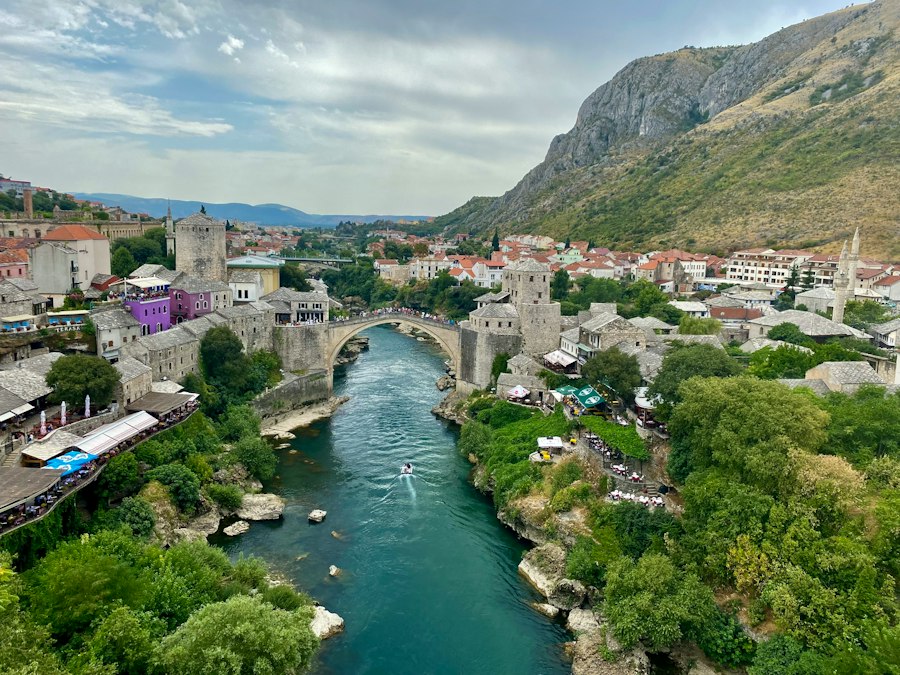
Welcome to the ultimate Mostar Travel Guide 2026, your complete manual for navigating one of the most captivating destinations in Bosnia and Herzegovina. Nestled in the deep valley of the Neretva River, this historic city seamlessly blends Ottoman heritage with Austro-Hungarian charm. Whether you are coming for a quick day trip from Dubrovnik or planning an extended stay in the historic center, this comprehensive guide provides the exact logistics, hidden spots, and local secrets you need for an unforgettable journey.
Why Mostar Belongs on Your 2026 Travel Bucket List
Mostar is a city that immediately captures your imagination. The cobblestone lanes of the old bazaar smell of freshly ground Bosnian coffee, while the emerald water of the Neretva River cuts dramatically through the heart of the town. Now let's talk about why 2026 is the absolute best time to visit. Infrastructure upgrades across Herzegovina have made regional transit faster than ever, and local hospitality remains genuine and warm.
According to recent tourism data reflected on Tripadvisor ratings, traveler satisfaction for Southern Herzegovina has reached an all-time high, with visitors praising the enhanced walking tours and restored cultural landmarks. Booking.com availability reports also show a steady rise in boutique heritage stays within the UNESCO-protected zone, making early planning essential for high season travel.
How to Get to Mostar in 2026
Reaching Mostar is straightforward whether you arrive by train, bus, or airplane. If you are traveling domestically from Sarajevo, I recommend you take the morning train operated by ZFBH. The train journey from Sarajevo to Mostar is widely considered one of the most scenic rail routes in Europe, taking around two hours and costing approximately 15 BAM (8 EUR) for a one-way ticket.
If you're wondering about international routes, direct coaches run daily from Croatia and Montenegro. The daily bus line from Dubrovnik to Mostar main bus station takes roughly 3.5 to 4 hours, depending on border crossing delays. Expect to pay between 25 EUR and 35 EUR for a single ticket. Mostar Airport (OMO) has also expanded its seasonal flight schedules for 2026, offering low-cost direct connections from several major European hubs.
Top Things to Do in Mostar
When structuring your itinerary, you will want to balance iconic tourist landmarks with quieter cultural experiences. Here are the non-negotiable attractions to include in your Mostar Travel Guide 2026 sightseeing plan:
- Stari Most (The Old Bridge): The undisputed symbol of the city. Rebuilt meticulously after its destruction in the 1990s, this 16th-century Ottoman arch stands 24 meters above the icy river. Watch local divers from the Mostar Diving Club jump into the water after collecting tips from onlookers.
- Koski Mehmed Pasha Mosque: Clamber up the narrow minaret steps for the absolute best panoramic view of the Old Bridge and the surrounding red-tiled roofs. Entrance costs around 14 BAM (7 EUR).
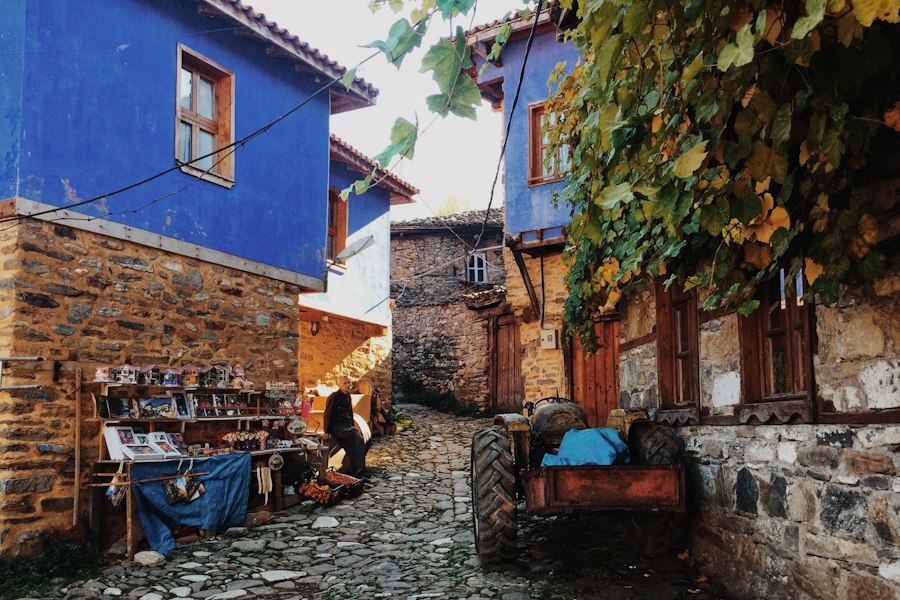
- Kujundziluk (The Old Bazaar): Stroll down these ancient cobbled streets lined with coppersmith shops, colorful mosaic lamps, and traditional textile stalls.
- Biscevic House and Muslibegovic House: Step inside these beautifully preserved 17th-century Ottoman residential houses to see traditional woodwork, courtyards, and period artifacts.
- Sniper Tower: A stark modern historical reminder located near Spanish Square. While the interior of this former bank building remains closed for safety reasons, the exterior street art reflects the resilience of the local community.
Traveler's Warning: The cobblestones on Stari Most and throughout the Old Town are polished exceptionally smooth by centuries of foot traffic. They become extremely slippery when wet. Avoid wearing flat flip-flops or smooth-soled dress shoes; sturdy walking shoes with high-traction rubber grips are absolute mandatory equipment!
How to Get Around the City
Mostar is a remarkably walkable city, particularly within the historic center where vehicular traffic is strictly prohibited. However, knowing how to navigate the wider urban area will save you both time and money.
- On Foot: Walking is the best way to explore Old Town (Stari Grad) and the neighboring district of Cernica. Most key tourist sights are within a 15-minute walk of each other.
- Local City Buses: Public transport is operated by Mostar Bus. Route 2 and Route 3 link the central bus/train station to suburban areas and the bus stop near Spanish Square. A single ride costs 2.10 BAM (1.05 EUR) paid directly to the driver.
- Taxis: Taxis are reliable and cheap. Popular registered companies include Moj Taxi. A standard trip within the city limits rarely exceeds 6 BAM to 10 BAM (3 EUR to 5 EUR). Ensure the driver switches on the meter before departing.
Pro tip for you: If you plan to head out of town to see the famous Kravica Waterfalls or the dervish monastery at Blagaj Tekke, hire a driver for a half-day flat rate (usually around 40 EUR to 60 EUR) rather than booking an expensive structured group tour.
Where to Eat: Authentic Local Cuisine
Bosnian food is hearty, flavorful, and incredibly affordable. Moving on to culinary recommendations, you cannot leave the city without trying regional grilled meats and slow-cooked vegetable stews. High Tripadvisor ratings consistently highlight small family-run taverns (known locally as a cevabdzinica or a gostionica) over flashy modern restaurants.
- Sadrvan: Located right near the Old Bridge, this classic restaurant serves generous traditional platters. Try the National Plate featuring cevapi (grilled minced meat sausages), japrak (vine leaves stuffed with minced meat and rice), and stuffed peppers.
- Tima-Irma: A beloved local spot in the heart of the bazaar famous for massive grill platters, craft beer, and exceptionally friendly service.
- Hindin Han: Situated near the smaller Crooked Bridge (Kriva Cuprija), offering excellent trout and traditional dishes on a relaxed balcony overlooking the river.
- Cafes along Onescukova Street: Stop here to sample traditional Bosnian coffee (bosanska kava), served in a copper pot (dzezva) alongside Turkish delight (rahat lokum).
Price ranges for dining out are very reasonable in 2026. A quick lunch of cevapi in a somun bread pocket costs between 6 BAM and 10 BAM (3 EUR to 5 EUR), while a full multi-course dinner with drinks at a sit-down restaurant ranges from 20 BAM to 40 BAM (10 EUR to 20 EUR) per person.
Best Neighborhoods to Stay in Mostar
Selecting the right neighborhood depends on your preferred travel style. If you consult this Mostar Travel Guide 2026 before booking, you can match your accommodation to your exact trip goals.
If you want to step right out of your door into historic alleys, book a guesthouse in Stari Grad. Booking.com availability shows numerous converted Ottoman homes featuring tranquil stone courtyards. For travelers seeking modern hotels, spacious apartments, and easy parking, look at the Rondo or Cernica neighborhoods. These districts sit just outside the historic core, offering peaceful nights within a short 10-minute walk to Stari Most.
Essential Practical Tips for Your 2026 Visit
If you're wondering about practical daily logistics, local currency is the Bosnian Convertible Mark (BAM or KM), pegged to the Euro at approximately 1 EUR = 1.95 BAM. While major hotels and upscale establishments accept credit cards, cash is absolutely king in small cafes, market stalls, and family eateries. ATMs are plentiful across the main streets.
To conclude this comprehensive Mostar Travel Guide 2026, keep in mind that Mostar can get intensely hot during July and August, with temperatures frequently topping 40 degrees Celsius. Visiting during late spring (May-June) or early autumn (September-October) rewards you with pleasant sunshine, manageable crowd levels, and lower room rates across all districts.

Isabella Conti writes in-depth travel guides that turn a new destination into familiar ground. She covers what to see, when to go and how to make the most of your time, with practical detail you can actually use.
💬 Comments (0)
No comments yet. Be the first!