Meteora Photography Guide 2026: Top Spots
Use this Meteora photography guide 2026 to discover ideal sunset viewpoints, camera gear recommendations, and local lighting tips.
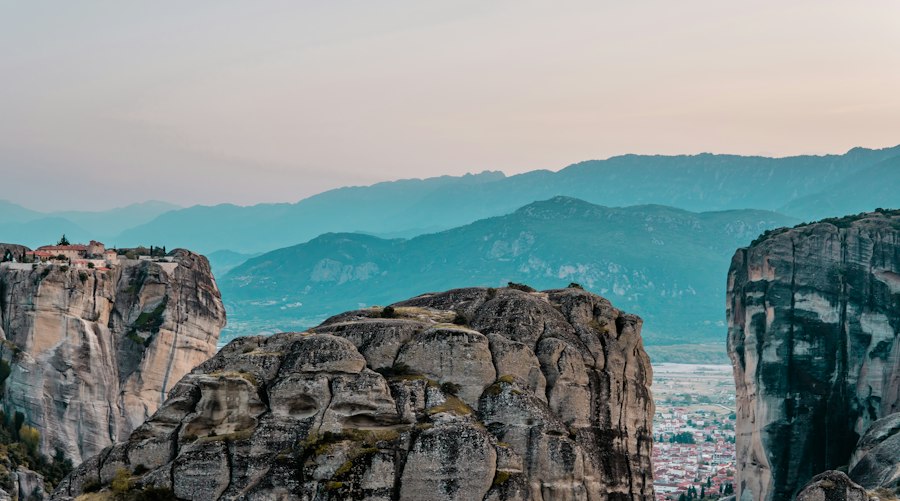
This ultimate Meteora photography guide 2026 will help you capture the breathtaking UNESCO World Heritage site of giant rock pillars and sky high monasteries in central Greece. Rising dramatically from the plains of Thessaly, these sandstone towers offer some of the most surreal landscapes in all of Europe. Whether you are an amateur snapping photos on a smartphone or a seasoned pro lugging a heavy tripod, timing your shots and knowing the exact coordinates makes all the difference. In this updated 2026 manual, I will share the absolute best viewpoints, seasonal advice, gear recommendations, and local logisitics to help you craft an unforgettable visual story.
Understanding the Meteora Landscape for Photography
Photographing Meteora requires a solid grasp of how light interacts with massive rock formations. The valley sits between the Pindus Mountains and the Thessalian plain, creating dramatic weather shifts, heavy morning mists, and golden twilight hues. The town of Kalabaka rests right at the base of the cliffs, while the smaller village of Kastraki nestles directly inside the rocky gorge. Both serve as your primary bases for exploring the region.
If you are wondering about the history, monks built these sacred sanctuaries starting in the fourteenth century to escape political instability. Today, six active monasteries remain accessible to visitors and photographers. Capturing the contrast between ancient stone architecture and giant natural spires requires careful planning around sunlight and crowd movements. According to the official Greek Tourism Board data for 2026, visitor numbers peak between mid morning and late afternoon, making early sunrise and late sunset your best times for undisturbed landscape work.
Understanding the Light and Seasons in 2026
Light changes drastically throughout the year in northern Greece. Spring brings lush green foliage in the valleys and colorful wildflowers around the bases of the cliffs. Autumn delivers deep golden tones across the oak forests, which beautifully complement the warm orange hues of the sandstone towers. Winter offers dramatic foggy mornings and occasional snowfall, creating high contrast scenes that look straight out of a fantasy novel.
Top Photography Spots in Meteora
To take home iconic images, you need to know exactly where to point your camera at specific times of the day. The main road loops around the complex, connecting all major overlooks and monasteries, but the best vantage points often require short hikes onto exposed rocky ledges.
1. Sunset Rock (Main Observation Deck)
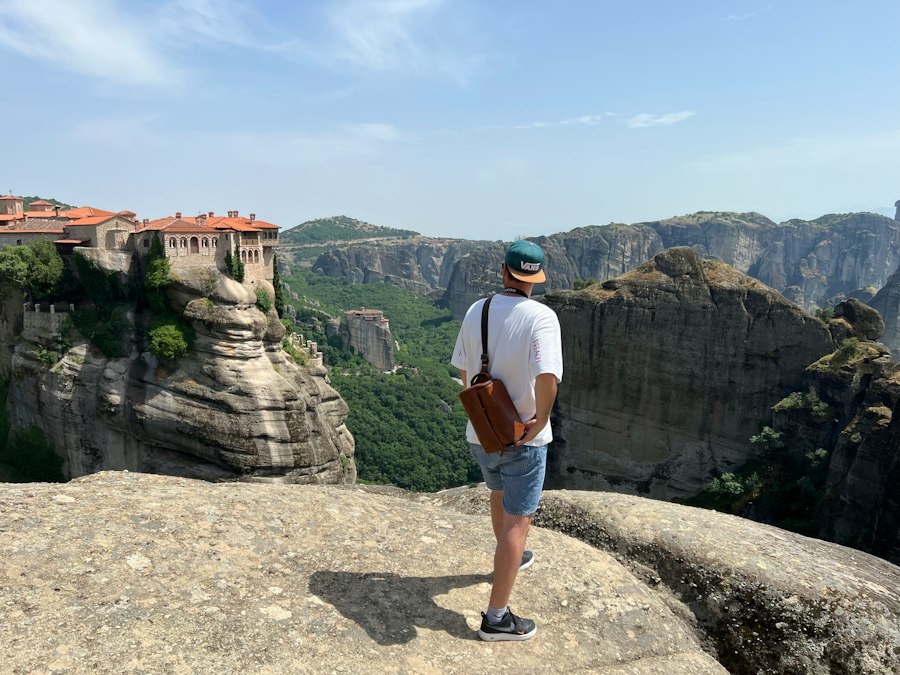
Located on the central ridge between the Monastery of Rousanou and the Monastery of Great Meteoron, Sunset Rock offers the most famous panorama in the region. From this massive rock outcrop, you can frame Rousanou in the foreground with Agios Nikolaos Anapafsas sitting lower down the valley. The setting sun drops directly behind the distant Pindus range, painting the sky in fiery reds and purple shadows.
2. The Rousanou Monastery Overlook
Moving on to another breathtaking view, the elevated cliff edge along the upper road directly north of Rousanou provides a striking perspective. Here, you look down upon the monastery bridge, framing the stone structure right against the sheer vertical cliff drop. Use a medium telephoto lens around 70mm to compress the background rock pillars, making the monastery look like it is floating in mid air.
3. Holy Trinity Monastery Viewpoint
Holy Trinity is perhaps the most dramatically positioned monastery, isolated on a solitary thin cliff pinnacle. The classic angle is captured from the road bend just east of the site. A wide angle lens will capture the full drop of the stone pillar, while a tight lens can capture details of the manual rope cable car swinging across the gap. Morning light illuminates the eastern rock face perfectly.
Detailed Map of Top Photography Locations
Navigating the winding roads of Meteora can be confusing during your first visit. Using this Meteora photography guide 2026 checklist, you can organize your daily shoot schedule based on where the sun hits each cliff face:
- Morning Sunrise: Sunrise Rock (Meteora Observation Point), Eastern side of Holy Trinity Monastery, Great Meteoron approach path.
- Midday Architecture: Varlaam Monastery courtyard, Rousanou inner bridge, St. Nikolaos Anapafsas interiors.
- Late Afternoon Golden Hour: Roadside pullouts above Kastraki village, Badovas Hermitage caves.
- Sunset: Sunset Rock outcrop, Psaropetra viewpoint, Upper Kastraki ridge trail.
How to Get Around Meteora in 2026
Getting around the area requires careful planning, especially if you carry heavy camera equipment. Roads are paved and well maintained, but parking space near viewpoints is limited during peak peak hours.
- Local Bus Line: The KTEL Trikala public bus runs regularly from Kalabaka train station up to Great Meteoron via Kastraki. Tickets cost roughly 1.80 to 2.00 EUR per single journey in 2026.
- Car Rental: Renting an economy vehicle in Kalabaka costs around 35 to 55 EUR per day. Having your own car gives you complete freedom to chase early sunrise light before public transport starts running.
- Electric E-Bike Rental: Available in downtown Kalabaka for around 25 to 35 EUR per day. E-bikes allow easy navigation along steep hill climbs without worrying about vehicle parking spots.
- Guided Photo Tours: Specialized local photography minibuses operate morning and sunset tours, costing between 45 and 65 EUR per person.
Traveler's Warning: Cliff edges at the main sunset viewpoints do not have safety railings. Rocks can be very slippery after rain or morning dew. Keep your eyes on your footing at all times, especially when moving around in the dark after shooting twilight scenes. Never back up blindly while setting up a tripod frame.
Essential Gear and Camera Settings
Now let's talk about the gear you should pack for your trip. A versatile setup will allow you to capture both expansive grand landscapes and intimate architectural details without carrying an overly heavy load on steep hiking trails.
I recommend bringing a full frame camera body paired with a 16-35mm wide angle lens for large landscape shots, and a 70-200mm telephoto lens to isolate cliff textures, rope bridges, and distant monasteries. A sturdy tripod is mandatory for long exposure sunset shots and low light blue hour compositions. Do not forget a Circular Polarizer filter to reduce haze over the Thessalian plain and enrich blue skies during bright midday light.
Pro tip for you: On my third trip to Meteora, I spent hours trying to bracket exposures at sunset because the high contrast between bright sky and dark canyon shadows ruined every single shot. The secret I discovered was using a 3-stop Medium Graduated Neutral Density filter combined with early blue hour long exposures around 15 to 30 seconds. This balanced the vibrant sky with the shadowy valley rock faces perfectly without producing digital noise in post processing.
Where to Eat Near the Viewpoints
Shooting landscapes all day burns plenty of calories. The towns of Kastraki and Kalabaka feature incredible traditional tavernas serving authentic Greek cuisine at fair prices.
- Taverna Gardenia (Kastraki): Located in central Kastraki village. Excellent homemade moussaka and grilled meats with outdoor seating under towering rock views. Average meal cost: 12 to 18 EUR per person.
- Taverna Stefanos (Kastraki): Located right at the base of the cliffs. Famous for slow cooked lamb in lemon sauce and fresh Greek salads. Highly rated on TripAdvisor with a 4.8 star average rating in 2026.
- Restaurant Meteora (Kalabaka): Situated on Town Hall Square in Kalabaka since 1925. Serves classic beef kokkinisto and fresh local wines. Average meal cost: 15 to 22 EUR per person.
Where to Stay for Easy Access
If you're wondering about accommodations, booking your room in Kastraki places you much closer to the sunrise spots, while Kalabaka offers more nightlife, shopping, and transportation options. Checking Booking.com availability early is essential because top rooms fill up months in advance during peak spring and autumn seasons in 2026.
For high budget travelers, boutique guesthouses in upper Kastraki offer private balconies pointing directly toward the giant monoliths. Budget travelers will find friendly family-run hostel rooms and small apartments in the center of Kalabaka within easy walking distance of the bus terminal.
Making the Most of Your 2026 Photography Trip
Following this detailed Meteora photography guide 2026 guarantees you will come away with high quality shots while fully enjoying the peaceful atmosphere of central Greece. Take time to step out from behind the viewfinder, respect the monastic quiet rules, and admire these unbelievable sky high stone structures that have inspired travelers for centuries.
By pairing proper light planning with top vantage points, your Meteora photography guide 2026 experience will produce a stunning portfolio of images. Pack your lenses, charge your batteries, and prepare yourself for an unmatched photographic adventure in one of the world's most dramatic landscape destinations.

Lars Lindgren puts together detailed guides to cities and regions, drawing on his own travels to flag the things worth your time. He focuses on clear, honest advice that holds up once you are actually on the ground.
💬 Comments (0)
No comments yet. Be the first!