Cuenca Travel Guide 2026: Local Tips
Plan your trip with our Cuenca Travel Guide 2026, featuring top attractions, hidden spots, and practical packing advice.
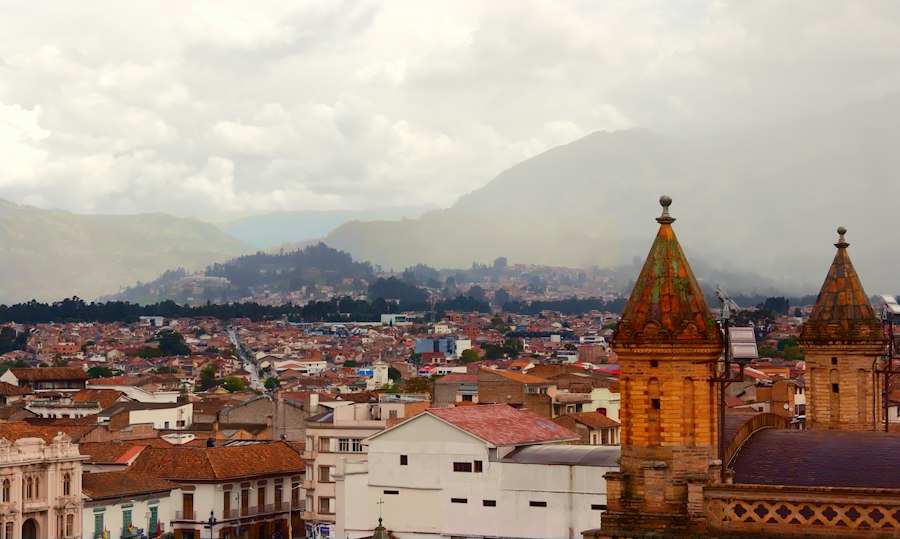
This ultimate Cuenca Travel Guide 2026 will help you navigate one of Ecuador's most enchanting highland cities with ease, confidence, and insider knowledge.
Nestled high in the Andes mountains at an elevation of roughly 2,560 meters, Cuenca captivates travelers with its cobblestone streets, red-tiled roofs, impressive cathedral domes, and rich cultural heritage. Whether you plan to spend three days or three weeks here, having an updated plan for the current year ensures you do not miss out on the best experiences. Now let's talk about how to make your upcoming adventure completely unforgettable.
Why Cuenca Belongs on Your 2026 South America Itinerary
Cuenca remains the undisputed cultural capital of southern Ecuador. Recognized as a UNESCO World Heritage site, the historic center retains its magnificent colonial and republican architecture. You will quickly notice how clean, walkable, and relaxed the city feels compared to larger South American hubs. Beyond the architectural highlights, the city sits at the confluence of four rivers: the Tomebamba, Yanuncay, Machangara, and Tarqui. Walking along the lush grassy banks of the Tomebamba River offers a daily dose of tranquility right in the heart of the city.
In addition, the city serves as the ultimate base camp for outdoor enthusiasts. You can easily spend your mornings exploring world-class museums and your afternoons hiking through dramatic alpine tundra in nearby national parks. If you are preparing your itinerary, using a targeted Cuenca Travel Guide 2026 guarantees that you have the newest transport details and local insights at your fingertips.
Top Things to Do in Cuenca
There is no shortage of activities to fill your daily schedule. From historic landmarks to scenic viewpoints, you will find options that suit every pace of travel. Below are the essential sights you must add to your checklist:
- Catedral de la Inmaculada Concepcion: Widely known as the New Cathedral, its striking blue glazed domes dominate the skyline. You can climb the steep steps up to the viewing tower for roughly $2 USD to capture panoramic views of Parque Calderon.
- Old Cathedral (Iglesia de El Sagrario): Consecrated in 1557, this historic building now operates as a museum of religious art. Admission costs around $2 USD, giving you access to preserved colonial murals and intricate wooden altars.
- Pumapungo Archaeological Park: Located right near the city center, this site features ancient Inca ruins, beautiful terraced gardens, and a free museum detailing Ecuador's indigenous cultures. TripAdvisor ratings consistently rank Pumapungo among the top cultural stops in the country.
- Mirador de Turi: Take a short taxi ride up to this panoramic hilltop lookout. You will get a breathtaking view of the entire valley, especially striking just as the city lights turn on at sunset.
- Cajas National Park: Located just 30 kilometers west of the city, this high-altitude park boasts over 200 glacial lakes. Hiking trails range from easy hourly loops to challenging day treks across the unique paramo ecosystem.
Exploring the Historic Center (El Centro)
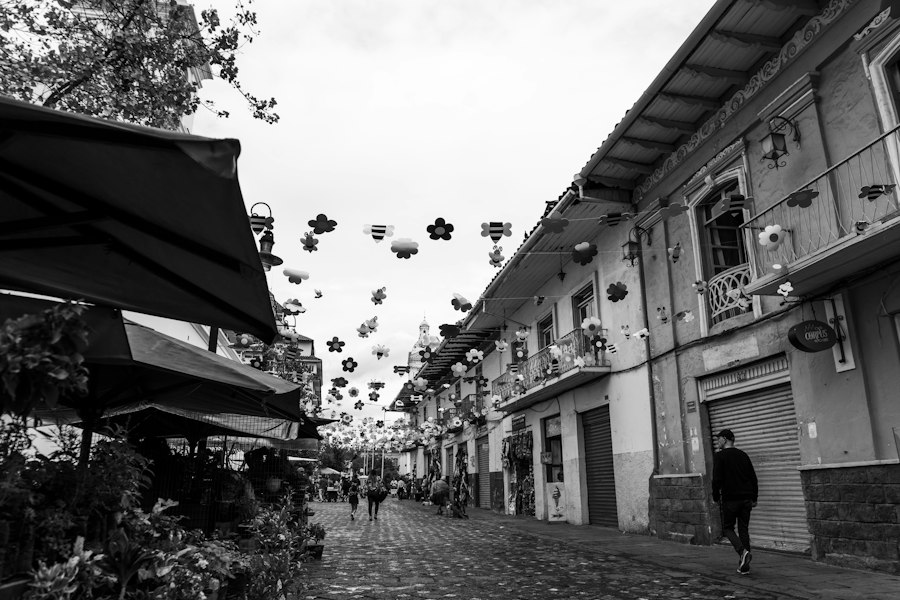
You will want to spend at least two full days simply wandering through El Centro. Start your morning at Parque Calderon, the central square flanked by massive weeping willows and ornate governmental buildings. From there, stroll down Calle Larga, a lively street packed with artisan shops, cozy coffee spots, and craft breweries. Moving on to local crafts, do not forget to visit the Homero Ortega Panama Hat Museum. Despite their misleading name, authentic Panama hats originated right here in Ecuador, and watching master weavers shape the fine toquilla straw is fascinating.
Day Trips to Cajas National Park and Chordeleg
If you're wondering about nearby excursions, two destinations stand out above the rest. First, Cajas National Park offers crisp mountain air, twisted Polylepis forests, and serene lakes. You can catch a public bus from the main terminal for about $3 USD each way. Second, if you prefer jewelry and crafts, head east to the towns of Chordeleg and Gualaceo. Chordeleg is world-famous for fine silver filigree work, where you can buy delicate hand-crafted earrings directly from local artisans for great prices.
Where to Eat: The Cuenca Culinary Scene
Food lovers will thrive here. The local culinary landscape blends traditional Andean ingredients like white corn, tree tomatoes, and fresh potatoes with modern international cuisine. According to recent dining lists and high TripAdvisor ratings, local eateries offer outstanding quality at low prices.
- Mercado 10 de Agosto: Head to the top floor of this bustling municipal market for an authentic taste of hornado (slow-roasted pork served with potato cakes called llapingachos) for just $3 to $5 USD.
- Tiesto's Cafe Restaurant: Famous for high-end local dining where meats and seafood are cooked on hot clay tiles. Their dessert plates, decorated with hand-painted fruit sauces, are famous. Expect to spend $25 to $40 USD per person.
- Raymipampa: Located right next to the New Cathedral, this family-friendly classic serves traditional Ecuadorian soups, dry beef stews, and hot chocolate at reasonable mid-range prices ($6 to $12 USD).
- El Mercado: Situated along the Tomebamba riverbank, this atmospheric restaurant features rustic decor and farm-to-table menus. It is an ideal pick for a romantic evening or a celebratory dinner.
- Cafe San Sebas: Located on the charming Plaza San Sebastian, this popular breakfast joint serves hearty omelets, fresh juices, and strong coffee, making it a favorite spot for long-term travelers.
Pro tip for you: Always try the traditional locro de papa, a rich potato soup topped with creamy avocado and fresh local cheese. It is the ultimate comfort food after a cold day in the mountains.
Money-Saving Secret: Take full advantage of the fixed-price lunch menus known as "almuerzos." Almost every local restaurant in El Centro serves these between 12:00 PM and 2:00 PM. For just $2.50 to $4.00 USD, you will receive a hot bowl of soup, a main plate containing protein, rice, and salad, plus a fresh fruit juice and a small dessert.
How to Get Around the City efficiently
Navigating the streets is safe, simple, and very budget-friendly. Because the town center features a classic grid layout, walking is often the fastest way to get between sights. However, when your feet need a break, reliable public transit is everywhere.
- Tranvia (Light Rail): The sleek, modern tram line cuts straight through the city from the airport to the main bus station and into El Centro. A single ride costs roughly $0.35 to $0.45 USD. You must buy your ticket or tap a rechargeable card at the station platform before boarding.
- City Buses: Bright blue city buses cover almost every neighborhood. Rides cost $0.30 USD, but you must pay using a prepaid Urbania card, which you can purchase and reload at local kiosks.
- Yellow Taxis: Official yellow taxis are plentiful. Rides within the central district usually cost between $2.00 and $3.50 USD. Ensure the driver turns on the digital meter (taximetro) before setting off.
- Walking: The historic core is exceptionally pedestrian-friendly, though you must stay mindful of uneven cobblestones and narrow sidewalks.
Neighborhoods and Accommodations
Choosing the right area to stay will shape your experience. Fortunately, high Booking.com availability across the city means you can easily find places ranging from budget backpacker dorms to luxury boutique hotels in converted colonial mansions.
Historic Center (El Centro)
Staying in El Centro puts you within walking distance of all main plazas, museums, and top restaurants. It is ideal for first-time visitors who want to step out of their hotel right into the vibrant city atmosphere. Double room prices range from $35 to $120 USD per night depending on the luxury level.
El Vergel and Otorongo
If you prefer a quieter neighborhood away from street traffic, look for accommodations south of the Tomebamba River in El Vergel or near Plaza Otorongo. These areas offer leafy residential streets, modern apartment rentals, and easy access to riverside running paths. It is a fantastic option for digital nomads and families looking for a restful retreat.
Practical Tips for Your 2026 Trip
To wrap up this essential guide, keep a few crucial practical details in mind. Ecuador uses the United States Dollar (USD) as its official currency. Bring small bills ($1, $5, and $10 USD), as merchants often struggle to break $20 or $50 bills for small purchases. The weather can change quickly from sunny skies to sudden rain, so pack layered clothing and a waterproof jacket regardless of the season.
By following this Cuenca Travel Guide 2026, you are well-prepared to experience the historical magic, scenic beauty, and rich flavors of Ecuador's most enchanting highland city.

Isabella Conti writes in-depth travel guides that turn a new destination into familiar ground. She covers what to see, when to go and how to make the most of your time, with practical detail you can actually use.
💬 Comments (0)
No comments yet. Be the first!