Cordoba Travel Guide 2026: Local Tips
Explore Andalusia with our Cordoba Travel Guide 2026, featuring historic courtyards, local dining, and top sightseeing tips.
Welcome to Cordoba
Welcome to the ultimate Cordoba Travel Guide 2026, your complete roadmap to exploring one of Spain's most historic and captivating Andalusian gems. Whether you are strolling through whitewashed alleys, admiring Islamic architecture, or sampling crisp Montilla-Moriles wines, Cordoba offers a magical window into the past. I have compiled this updated guide to help you navigate the city efficiently while discovering hidden local treasures that most tourists miss.
Planning a trip to Southern Spain requires careful timing and modern insights. As tourism evolves, knowing where to stay, what to spend, and how to skip the massive crowds makes all the difference. According to recent data from the official Andalucia Tourism Board, visitor numbers are reaching new peaks, making forward planning essential for 2026 travel itineraries.
Top Things to Do in Cordoba
No trip to this city is complete without immersing yourself in its remarkable cultural landmarks. The historic center is surprisingly compact, which makes exploring on foot a absolute delight. If you are following this Cordoba Travel Guide 2026, these are the non-negotiable attractions you must add to your daily schedule.
The Mosque-Cathedral (Mezquita-Catedral)
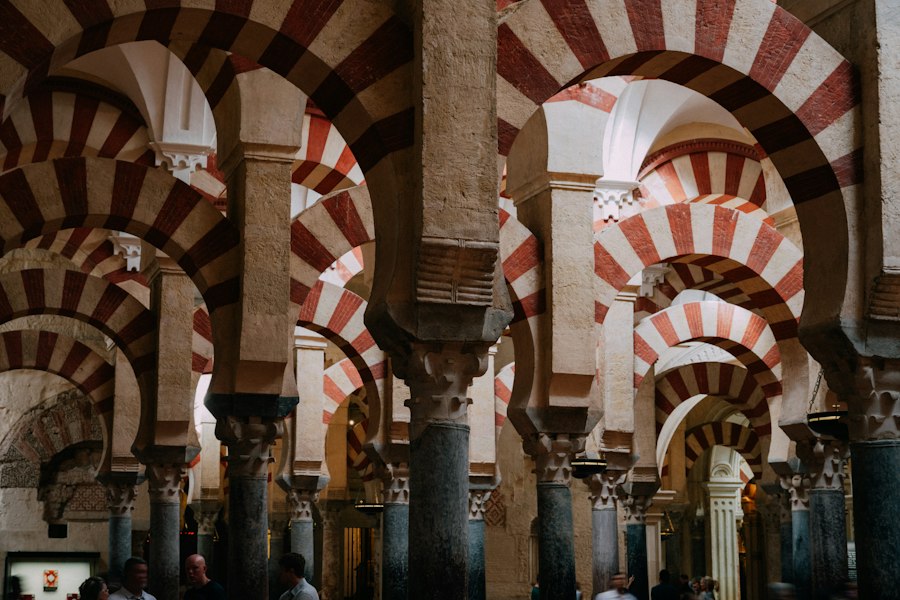
The iconic Mezquita remains the beating heart of Cordoba. Dating back to the eighth century, this UNESCO World Heritage site features a breathtaking forest of over 850 red-and-white striped arches. Tickets generally cost between 13 Euros and 20 Euros depending on whether you opt for a guided night tour or daytime entry. I recommend buying your tickets online at least two weeks ahead, as Booking.com availability for nearby tours fills up very fast during high season.
The Alcazar de los Reyes Cristianos
Located just a short walk from the Mezquita, this fortress-palace boasts grand stone towers and magnificent geometric gardens filled with reflecting pools, cypress trees, and fountain features. Entry fees sit around 5 Euros to 7 Euros, making it an affordable highlight. Walk along the ramparts for spectacular panoramic views over the Guadalquivir River.
The Roman Bridge and Calahorra Tower
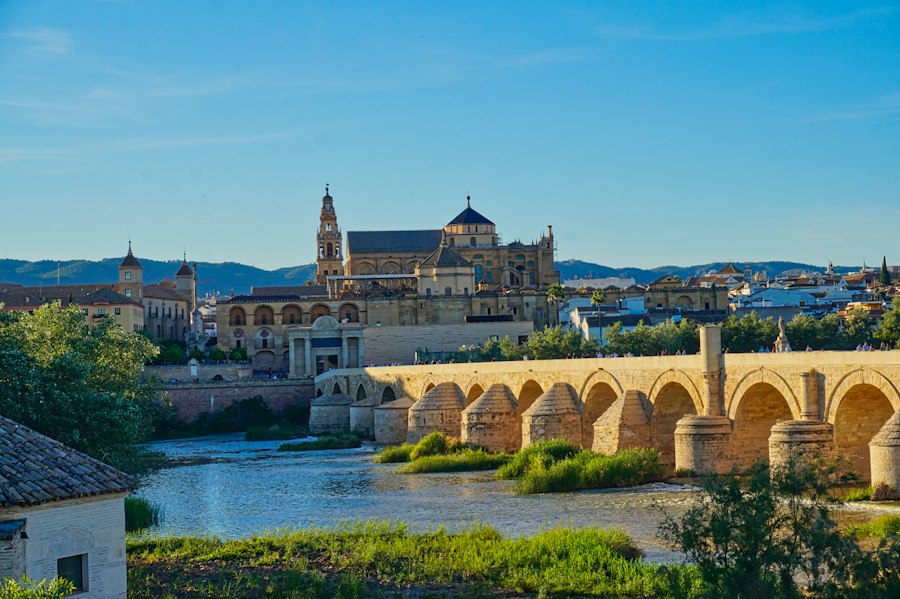
Spanning the river since the first century BC, the Roman Bridge is especially striking at sunset. Stroll across to the Calahorra Tower at the southern end to visit the small museum inside, or simply take in the magnificent skyline of the old town glowing in the warm evening light.
Here is a quick summary of the top sights to include on your daily checklist:
- Mezquita-Catedral: Explore the famous red-and-white archways and central choir.
- Alcazar de los Reyes Cristianos: Wander through the lush fortress gardens.
- Callejon de las Flores: Snap iconic photos in this flower-filled alley.
- Palacio de Viana: Tour twelve splendid historic patios filled with plants and fountains.
- Roman Bridge: Walk across for classic photo opportunities at golden hour.
Moving on to another crucial part of your itinerary, let's look at how to get around the city seamlessly.
How to Get Around the City
Navigating Cordoba is straightforward if you know your options. The main historic zone is largely pedestrianized, meaning you will do a lot of walking over ancient cobblestones. Wear sturdy, comfortable shoes whenever you set out for the day.
If you arrive via the high-speed AVE train from Madrid, Seville, or Malaga, you will land at the Cordoba Central Station. From there, you can reach the edge of the Juderia neighborhood on foot in about twenty minutes, or take a quick taxi ride costing roughly 8 Euros to 10 Euros. Public transportation is highly efficient and budget-friendly for longer trips across town.
Here are the primary transport options you will rely on during your stay:
- AUCORSA Bus Lines 3 and 12: Excellent local routes connecting the train station directly to the historic center for around 1.30 Euros per ticket.
- Official White Taxis: Metered vehicles easily hailed at rank locations around Plaza de las Tendillas and the train station.
- Walking: The absolute best way to explore narrow neighborhood lanes inside the old city walls.
If you're wondering about local driving, my ultimate recommendation is to avoid taking a car into the historic center. The streets are extremely narrow, parking is scarce, and low-emission driving zones carry heavy fines for unauthorized rental cars in 2026.
Traveler's Warning: Do not attempt to drive a rental vehicle into the Juderia or Santa Marina quarters. Many streets narrow to under two meters, and navigation apps frequently direct cars down non-passable pedestrian lanes resulting in expensive body damage or city fines.
Where to Eat: Authentic Local Cuisine
Food lovers will adore Cordoba's distinctive culinary scene. Influenced by both Moorish tradition and Mediterranean agriculture, local dishes emphasize fresh olive oil, tomatoes, garlic, and fried fish. Using this Cordoba Travel Guide 2026, you can avoid tourist traps and eat like a true local.
Now let's talk about iconic dishes you must order. Salmorejo is a thick, cold soup made from tomatoes, bread, garlic, and extra virgin olive oil, topped with diced cured ham and hard-boiled egg. Berenjenas con Miel are crispy fried eggplant slices drizzled with sweet local cane honey or molasses. Finally, Flamenquin consists of rolled pork loin stuffed with cured ham, breaded and fried to golden perfection.
Check out these popular dining options across different neighborhoods:
- Regedera: Located near the river, offering modern twists on classic Andalusian dishes with dishes priced from 12 Euros to 24 Euros.
- Taberna Luque: A cozy, family-run restaurant near Plaza de las Tendillas maintaining high TripAdvisor ratings for friendly service and home-style cooking.
- Bodegas Mezquita: Conveniently located near the cathedral, perfect for sampling traditional tapas like rabo de toro (bull tail stew).
- Mercado Victoria: A stylish gourmet food hall housed in a 19th-century wrought-iron pavilion, ideal for casual night dining.
Pro tip for you: Lunch in Cordoba typically runs from 2:00 PM to 4:00 PM, while dinner rarely starts before 8:30 PM or 9:00 PM. Arriving at a local tavern at 7:00 PM will usually mean finding closed doors or empty rooms!
Neighborhoods to Explore
To truly experience the soul of the city, spend time wandering through its distinct districts. Each neighborhood possesses its own unique personality, history, and architectural charm.
La Juderia (The Jewish Quarter)
This is the most famous district, characterized by winding whitewashed streets, wrought-iron balconies, and vibrant flower pots. Highlights include the 14th-century Cordoba Synagogue, the Casa de Sefarad museum, and small craft workshops selling handmade filigree silver jewelry.
Santa Marina and San Lorenzo
Located northeast of the main tourist center, these traditional neighborhoods offer a quieter, more authentic glimpse into daily life. Here you will find historic churches constructed after the Christian reconquest, quiet squares where local children play, and traditional tapas bars serving affordable wine taps.
Essential Budgeting and Travel Tips for 2026
Understanding costs helps you manage your vacation budget effectively. Cordoba remains generally more affordable than Barcelona or Madrid, but prices vary depending on the season. Following a clear Cordoba Travel Guide 2026 strategy ensures you get maximum value for your money.
A typical daily budget for a mid-range traveler breaks down roughly like this: 70 Euros to 130 Euros for a comfortable boutique hotel room, 35 Euros for daily meals and drinks, 15 Euros for entrance fees, and 5 Euros for local public transport. High season runs during spring, specifically April and May, when the famous Patio Festival takes place. Mid-summer (July and August) gets scorching hot with temperatures often exceeding 40 degrees Celsius, leading many hotels to lower their rates significantly.
To maximize your savings, consider visiting mid-week rather than over the weekend when accommodation prices rise. Also, many municipal museums offer free admission on specific morning hours during the week, so always double-check current schedules online before purchasing individual tickets.
This comprehensive Cordoba Travel Guide 2026 equips you with everything needed to experience the history, food, and culture of Southern Spain. Keep this guide handy on your smartphone as you wander through the ancient streets, and prepare yourself for an unforgettable trip to Andalusia!

Isabella Conti writes in-depth travel guides that turn a new destination into familiar ground. She covers what to see, when to go and how to make the most of your time, with practical detail you can actually use.
💬 Comments (0)
No comments yet. Be the first!