Antigua Travel Guide 2026: Local Tips
Explore Antigua Guatemala with our Antigua Travel Guide 2026, packed with local secrets, food spots, and itinerary tips.
Discover the Magic of the Guatemalan Highlands
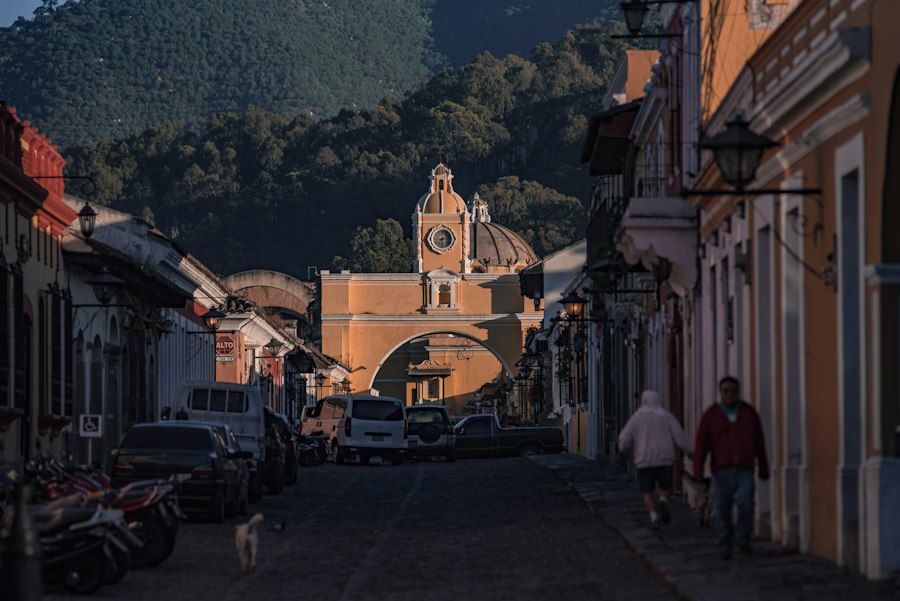
This ultimate Antigua Travel Guide 2026 will help you navigate the cobblestone streets, colorful colonial facades, and towering volcanoes of Guatemala’s primary UNESCO World Heritage city. Tucked into a high-altitude valley surrounded by three majestic volcanoes, Antigua remains one of Central America’s most charming destinations. Whether you are coming to climb active peaks, study Spanish, or sip world-class coffee, Antigua offers a vibrant blend of Indigenous Maya culture and Spanish colonial history. As we look ahead to 2026, the local tourism scene is thriving with updated boutique stays, sustainable culinary options, and expanded trekking routes. I recommend you take your time exploring this vibrant standard of Guatemalan heritage.
Planning a trip to this mountain haven requires up-to-date practical insights. Moving on to the essentials, you will find everything from transport routes to local safety warnings right here in this comprehensive guide.
When to Visit Antigua in 2026
Antigua features a pleasant, spring-like climate all year round, but the weather patterns shift distinctly between the dry season and the rainy season. The dry season runs from November through April. During these months, you can expect bright sunshine, clear blue skies, and optimal conditions for volcano hiking. The rainy season, often called winter locally, stretches from May through October. Rain usually falls in heavy afternoon bursts, leaving the mornings clear for sightseeing.
Key Events and Peak Seasons
The most famous time to visit is during Holy Week, known locally as Semana Santa, which takes place in March or April. The city transforms into a canvas of elaborate saw-dust carpets called alfombras, accompanied by massive religious processions. If you plan to visit during this time in 2026, you must book your accommodations at least six to eight months in advance. Booking.com availability for central Antigua drops dramatically near peak holidays, and prices often double or triple. If you prefer a quieter experience with lower rates, consider visiting in late November or early December when the rain has cleared and the holiday crowds have not yet arrived.
Getting to Antigua and Navigating the Streets
Most international visitors land at La Aurora International Airport in Guatemala City, located roughly 40 kilometers east of Antigua. If you are wondering about the best way to make the journey, you have several dependable options depending on your budget and comfort preferences.
Airport Transfers and Buses
Private shuttles booked in advance cost around 35 to 50 USD per vehicle and take roughly one to two hours, depending on Guatemala City’s notorious traffic. Shared shuttles operate regularly from the terminal, charging about 15 to 20 USD per person. Uber is also widely available at the airport, costing between 25 and 40 USD for a one-way trip to Antigua. For the extremely budget-conscious traveler, public chicken buses run from Guatemala City, but they are generally not recommended if you are carrying heavy luggage or traveling late at night.
How to Get Around the City
Once you arrive, walking is the absolute best way to explore the central grid. The streets are numbered intuitively, divided by North, South, East, and West relative to the Central Park. Now let's talk about the specific transit options available inside and around the town:
- Walking: The main town center spans roughly ten by ten blocks. Wear sturdy walking shoes, as the ancient cobblestones can be brutal on your ankles and footwear.
- Tuk-Tuks: These small three-wheeled motorized rickshaws are ideal for short trips within town or to nearby villages like San Bartolo. A ride inside town generally costs between 10 and 20 Guatemalan Quetzales (around 1.30 to 2.60 USD). Always agree on the price before hopping in.
- Local Buses: Brightly painted chicken buses depart from the main terminal near the municipal market. You can catch these to reach neighboring artisan towns such as Pastores or Ciudad Vieja for less than 5 Quetzales (0.65 USD).
- Uber: Uber operates reliably within Antigua and is great for late-night rides back to your hotel from out-of-center restaurants.
Where to Stay: Best Neighborhoods
Antigua is compact, but different pockets of the city offer distinct vibes. Choosing the right neighborhood depends on whether you prefer bustling night activity or peaceful morning views.
El Carmen and Central Park Area
If you want to be in the middle of the action, look for hotels near Parque Central or the ruined Church of El Carmen. Here, you are steps away from top cafes, historic sites, and tour operators. Properties in this zone range from historic luxury hotels set in restored convents to mid-range boutique guest houses charging 80 to 180 USD per night.
Santa Ana and San Gaspar Vivar
For a quieter, more local atmosphere, head south to the neighborhoods of Santa Ana or San Gaspar Vivar. Located a 15-to-20-minute walk from the central plaza, these areas offer leafy residential streets, stunning views of Agua Volcano, and lower lodging prices. You will find cozy bed and breakfasts charging 40 to 70 USD per night. If you refer to an Antigua Travel Guide 2026 map, you will see these southern areas offer a fantastic escape from weekend tourist crowds.
Top Things to Do in Antigua
From historic ruins to extreme high-altitude adventure, Antigua packs an incredible variety of experiences into a small area. Make sure to budget at least three to four full days to hit the highlights.
Pro tip for you based on my own experience: always schedule your outdoor activities and volcano tours early in the morning. Cloud cover builds up by midday, often obscuring the impressive mountain vistas by 2:00 PM.
- Hike Mount Acatenango: This challenging overnight trek takes you up to nearly 4,000 meters above sea level. You sleep at a base camp facing the active Fuego Volcano, which regularly erupts with lava sparks throughout the night. Guided overnight tours cost between 60 and 110 USD including gear and meals.
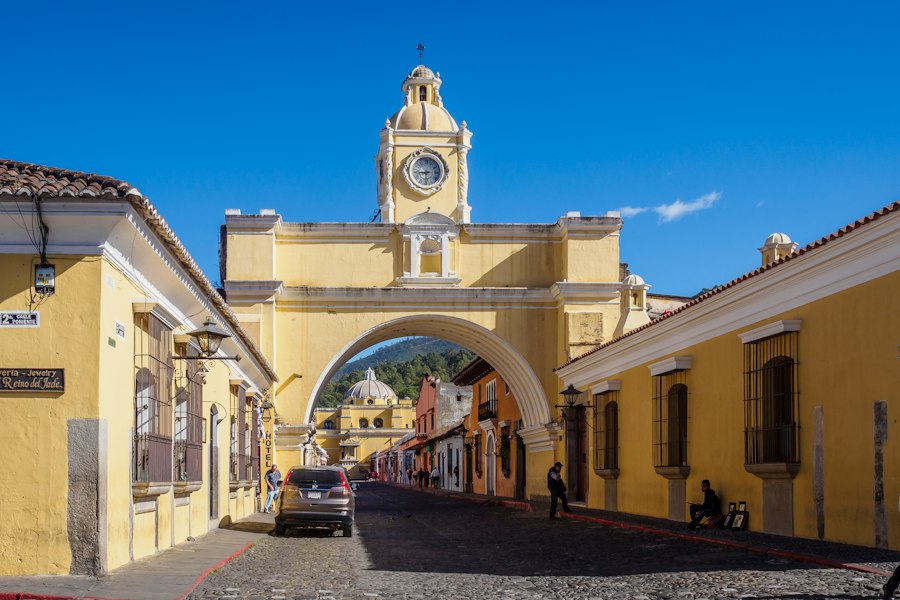
- Photograph Santa Catalina Arch: The iconic yellow arch, built in the 17th century, is Antigua's most famous landmark. Visit at sunrise to capture the arch with Agua Volcano framed perfectly in the background before the streets fill with people.
- Explore Colonial Ruins: Visit the Convento de las Capuchinas, the Cathedral ruins, and the Church of San Francisco. Entry fees to these municipality-managed heritage sites range from 20 to 40 Quetzales (2.50 to 5.00 USD).
- Take a Coffee Farm Tour: Antigua produces some of the finest specialty coffee in the world. Farms like Finca La Azotea and Finca Filadelfia offer guided walks through the processing facilities and tasting sessions for about 15 to 30 USD.
- Shop the Artisan Markets: Head to the Mercado de Artesanias or the Nim Po't textile center near the arch to buy authentic hand-woven Maya textiles, jade jewelry, and wooden carvings.
Traveler’s Warning: High altitude sickness can affect hikers on Acatenango and Pacaya volcanoes. Take at least two days to acclimatize in Antigua town (2,500 meters altitude) before attempting any overnight treks above 3,000 meters. Drink plenty of water and buy altitude medication at a local pharmacy if needed.
Where to Eat: The Culinary Scene
Antigua has quickly turned into Guatemala’s culinary capital. You will find traditional Guatemalan cuisine alongside trendy international bistros, specialty coffee roasters, and rooftop bars featuring direct lines of sight to the volcanoes.
When studying your Antigua Travel Guide 2026 food itinerary, aim to try local staples like Pepian (a rich, spiced meat stew made with pumpkin seeds and chili) and Kak'ik (a traditional Maya turkey soup). According to local tourism board data, regional gastronomy experiences are among the fastest-growing attractions for international guests.
- Rincon Tipico: A local favorite near the city center serving massive plates of roast pork, roasted chicken, grilled potatoes, and handmade corn tortillas. A full meal costs around 35 to 45 Quetzales (4.50 to 6.00 USD).
- La Cuevita de los Urquizu: Famous for serving traditional stews from terracotta pots displayed right at the entrance. It is the best place to sample traditional Pepian or Subanik in an informal setting.
- Sabe Rico: A charming garden cafe offering organic dishes, fresh salads, chocolates, and baked goods, with ingredients sourced directly from their kitchen garden.
- Cafe Boheme: A cozy rooftop coffee spot with broad vegan options, fresh juices, and excellent espresso drinks, perfect for working or relaxing.
- Fridas: Located near the Santa Catalina Arch, this lively spot serves elevated Mexican street food and artisanal tequila cocktails in a stylish setting holding strong TripAdvisor ratings.
Essential Money and Safety Tips for 2026
Antigua is generally considered one of the safest destinations in Guatemala for foreign visitors. The municipal government operates a dedicated tourist police force, known as Politur, whose officers patrol the main tourist areas on foot and by bicycle. However, basic precautions are still essential.
The local currency is the Guatemalan Quetzal (GTQ), though many high-end hotels and tour operators quote prices in US Dollars. ATMs are widely available around Parque Central, but it is wise to use machines located inside secure bank branches like Banco Industrial or BAM. Always carry cash for market shopping, tuk-tuk rides, and street food. Credit cards are accepted at most established sit-down restaurants and boutique hotels.
If you keep this Antigua Travel Guide 2026 handy, respect local Maya customs, and stay mindful of your surroundings, your trip to this high-altitude Guatemalan gem will be safe, smooth, and utterly unforgettable. Pick up your walking shoes, pack your camera, and get ready to experience one of Central America’s finest colonial treasures.

Lars Lindgren puts together detailed guides to cities and regions, drawing on his own travels to flag the things worth your time. He focuses on clear, honest advice that holds up once you are actually on the ground.
💬 Comments (0)
No comments yet. Be the first!