Coimbra Travel Guide 2026: Top Local Tips
Plan your visit with our ultimate Coimbra Travel Guide 2026. Explore historic university quarters, riverside views, and culture.

Welcome to the ultimate Coimbra Travel Guide 2026, your complete manual to exploring the historic riverfront city that once served as the ancient capital of Portugal. Perched along the banks of the Mondego River, this vibrant destination seamlessly weaves medieval history with a lively student energy. Whether you are wandering through steep cobblestone alleys or listening to soulful local music, this guide delivers everything you need for an unforgettable trip this year.
Why Coimbra Should Be on Your 2026 Portugal Itinerary
If you're wondering about what makes this destination so unique, the answer lies in its rich academic heritage and picturesque architecture. Coimbra hosts one of the oldest universities in continuous operation in the world, giving the entire town an intellectual yet youthful atmosphere. As travel to Europe continues to evolve, smart travelers in 2026 are looking beyond crowded capitals like Lisbon and Porto. This mid-country gem offers an authentic look at Portuguese culture without the overwhelming tourist queues.
Data from official city tourism board records shows a steady rise in international visitors choosing to stay overnight rather than just taking a day trip. The city features beautifully preserved Roman ruins, dramatic hilltop views, and a traditional music scene distinct from any other region. Visiting in 2026 allows you to experience newly restored historical sites alongside modern riverfront parks.
Top Things to Do in Coimbra
Now let's talk about the absolute must-see attractions in the city. You will find that most major sights are concentrated in the historic center, making it easy to cover a lot of ground on foot if you are prepared for a few steep hills.
1. Explore the Historic University of Coimbra
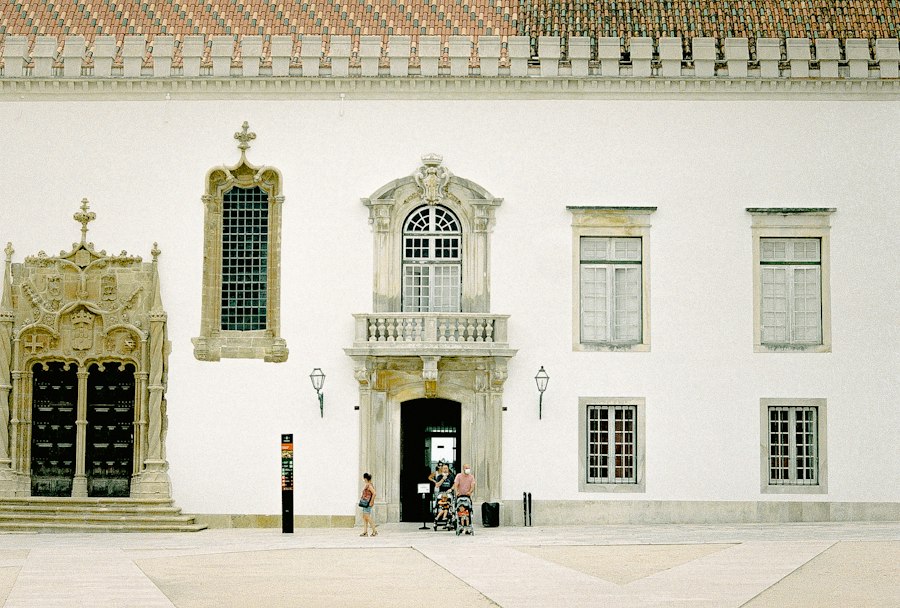
Standing tall at the highest point of the town, the University of Coimbra is the crown jewel of the city. Founded originally in 1290, the campus centers around the impressive Paco das Escolas courtyard. You can purchase a comprehensive ticket for roughly 13.50 to 15.50 Euros, which grants access to the grand ceremonial halls, the Saint Michael Chapel, and the spectacular Joanina Library.
The Joanina Library is a Baroque masterpiece housing thousands of historic texts. The intricate woodwork and gilded details will leave you breathless. TripAdvisor ratings consistently rank this historic library as one of the top indoor architectural highlights in all of Southern Europe. Keep in mind that entry to the library is strictly timed, so booking your ticket online in advance is essential during peak months in 2026.
2. Discover the Old Cathedral (Se Velha)
Moving on to religious landmarks, the Se Velha resembles a fortress more than a standard church. Built in the 12th century during the Romanesque period, its thick stone walls and narrow crenellations were designed to defend against historic sieges. Step inside to admire the gothic cloister and the magnificent gilded altarpiece. Entry to the main nave costs around 2.50 Euros, offering incredible value for history enthusiasts.
3. Stroll Through the Botanical Garden
If you need a peaceful break from sight-seeing, walk down to the Jardim Botanico da Universidade de Coimbra. Spanning over 13 hectares, this lush green space was created in the 18th century. You will find exotic tree species, elegant fountains, a bamboo forest, and a historic 19th-century glasshouse. Admission to the open gardens is completely free, making it ideal for a relaxing afternoon walk.
Here is a quick summary of the essential activities to add to your itinerary:
- Tour the UNESCO-listed University complex and the breathtaking Joanina Library.
- Listen to authentic local Fado performances in intimate venues around the Old Town.
- Walk across the modern Pedro e Ines pedestrian bridge for sweeping river views.
- Visit the Santa Clara-a-Velha Convent ruins located on the left bank of the river.
- Explore the miniature monuments at the Portugal dos Pequenitos park.
Traveler’s Warning: The cobblestone streets in the historic center (known as Calçada Portuguesa) are notoriously slick, especially after light rain. Leave your high heels and smooth-soled shoes at home. Wear sturdy walking shoes with strong rubber grip to navigate the steep, slippery hills safely!
Where to Eat: Local Flavors and Neighborhood Highlights
No proper Coimbra Travel Guide 2026 would be complete without exploring the regional cuisine. The local food scene relies on hearty ingredients, tender roasted meats, and traditional conventual sweets made with egg yolks and sugar. To eat like a true local, head to cozy family-run taverns tucked away in narrow alleys.
If you're wondering about what dishes to order, try Chanfana, a delicious goat stew cooked slowly in red wine inside clay pots. Another regional staple is Leitão (roast suckling pig) served with crispy skin and pepper sauce. Pair your meal with a crisp glass of Bairrada white wine.
I recommend you check out these highly-rated dining spots across key neighborhoods:
- Baixa (Downtown): Visit Cafe Santa Cruz, housed in a former 16th-century church chapel, to enjoy fresh pastries like Crúzio alongside rich Portuguese espresso.
- Alta (Upper Town): Dine at Zé Manel dos Ossos, a tiny rustic eatery famous for stewed bones, rich flavors, and walls lined with handwritten diner notes. Expect main courses to range between 10 and 18 Euros.
- Riverfront District: Stop by Solar do Bacalhau for elevated traditional salt-cod dishes cooked in dozens of traditional ways, perfect for a casual evening meal.
How to Get Around Coimbra efficiently
Navigating the city in 2026 is simple once you understand its layout. The city is broadly divided into two main sections: the Baixa (the flat lower town near the river) and the Alta (the steep upper town dominated by the university). Essential practical tips in this Coimbra Travel Guide 2026 will help you save time and energy while moving between districts.
The city operates a reliable public transit network managed by SMTUC. Bus tickets bought onboard cost around 1.60 Euros, but you can purchase rechargeable travel cards at kiosks to lower the per-ride price. For modern urban transport, look out for the eco-friendly electric bus routes that navigate the tight corners of the ancient quarter.
Review this quick guide to local transportation options:
- Coimbra-A Train Station: Located right downtown, connecting you directly to regional train lines across Portugal.
- Funicular / Elevador do Mercado: Connects the lower market area to the upper campus district, saving you a strenuous uphill walk for under 2 Euros.
- Rideshare and Taxis: Apps like Uber and Bolt operate extensively in 2026, offering quick rides up to the university quarter for around 4 to 7 Euros from the central train station.
- Walking: The best way to explore, provided you take frequent breaks and pace yourself on steep inclines.
Pro tip for you based on my personal travels: If you are arriving by high-speed Alfa Pendular or Intercidades trains from Lisbon or Porto, your train will stop at the Coimbra-B station outside the center. Do not pay for a taxi immediately! Your long-distance train ticket includes a free connecting shuttle train ride to the central Coimbra-A station located right in the heart of downtown.
Where to Stay in 2026: Accommodation Guide
Choosing the right neighborhood depends on your preferred travel style and budget. Current Booking.com availability for 2026 shows a great balance of boutique hotels, historic pousadas, and budget-friendly student hostels.
Baixa (Downtown)
Staying in the lower town puts you close to flat walking streets, major shopping avenues, and the main train station. It is ideal for travelers carrying heavy luggage who want easy access to cafes and flat terrain. Mid-range boutique hotels here generally cost between 80 and 140 Euros per night.
Alta and University Area
If you want stunning views and historic surroundings, book a stay in the upper town. You will wake up to the sound of university bells and student life. However, keep in mind that taxis may not be able to pull up directly to hotel doors on narrow, car-free streets. Luxury historic stays in this district average around 150 to 230 Euros per night.
Final Planning Tips for Your 2026 Trip
To make the most of your trip, plan to spend at least two full days in the city. Spring (April to June) and autumn (September to October) offer ideal temperatures ranging from 18°C to 24°C, perfect for walking around outdoor sights. If you visit in early May, you might witness the Queima das Fitas, a colorful week-long festival where graduating university students wear traditional black cloaks and celebrate with parades and concerts.
By following this comprehensive Coimbra Travel Guide 2026, you are fully equipped to enjoy the rich history, delicious food, and remarkable vistas of this legendary Portuguese destination. Pack your walking shoes, secure your library tickets early, and prepare to immerse yourself in timeless charm!

Isabella Conti writes in-depth travel guides that turn a new destination into familiar ground. She covers what to see, when to go and how to make the most of your time, with practical detail you can actually use.
💬 Comments (0)
No comments yet. Be the first!