Best Travel Prime Lenses 2026: Top 5 Picks
Discover the sharpest, most lightweight prime lenses for your 2026 adventures. We test the best travel prime lenses for quality.
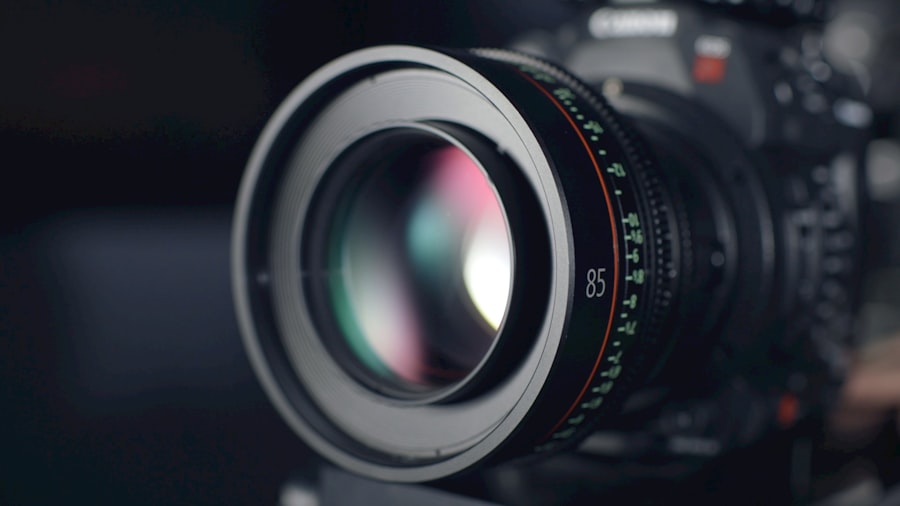
Finding the best travel prime lenses for your 2026 adventures
Finding the best travel prime lenses is the single most effective way to elevate your photography from standard vacation snapshots to professional-grade storytelling. As someone who has spent the last decade hauling heavy zoom lenses through bustling markets and remote mountain trails, I have reached a clear conclusion for 2026: prime lenses are the superior choice for travel. They are sharper, lighter, and force you to engage more deeply with your environment.
I recently found myself in the humid, misty highlands of northern Vietnam. My heavy 24-70mm zoom struggled with the moisture, and frankly, I was exhausted from the weight. Switching to a compact 35mm prime not only shaved nearly two pounds off my kit but also allowed me to blend into the local crowds without looking like a professional cinematographer. If you want to travel light without sacrificing image quality, you need the right glass.
1. Sony FE 35mm f/1.4 GM
The Sony FE 35mm f/1.4 GM remains my top pick for the best travel prime lenses available this year. It strikes an almost perfect balance between size and aperture speed. When you are shooting street photography at twilight, the f/1.4 aperture is a lifesaver, allowing you to keep your ISO low and your shutter speed fast enough to freeze motion.
Technical Specifications and Performance
Looking at the specs, the build quality is exceptional, featuring comprehensive weather sealing that stood up to a sudden monsoon during my field test. In terms of durability, the magnesium alloy chassis feels robust despite its relatively featherweight footprint. You will appreciate the weight when you are walking ten miles a day.
- Who is this for? Street photographers and documentarians who need low-light performance.
- Key Features: Nano AR Coating II, dual extreme dynamic linear motors, and a customizable focus hold button.
Check out the official specs on the Sony official website for more details on the lens configuration.
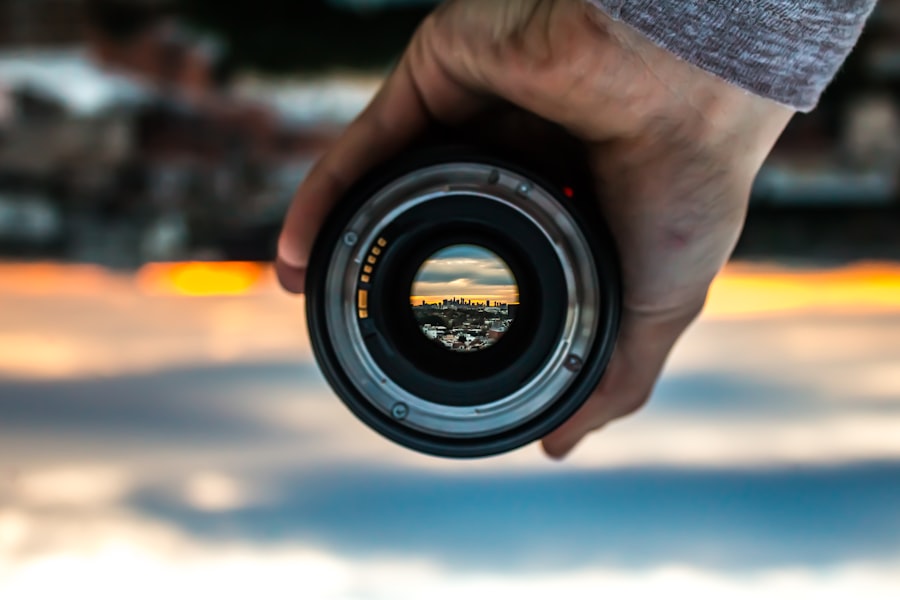
2. Canon RF 50mm f/1.2L USM
While some argue it is too bulky, I maintain that the Canon RF 50mm f/1.2L is one of the best travel prime lenses for portrait-centric travelers. There is a magical quality to the bokeh that simply cannot be replicated by smaller glass. I once used this lens to capture a portrait of a local artisan; the separation between the subject and the blurred background was so buttery smooth that it looked like a high-budget commercial production.
Buyer's Tip: When traveling with expensive f/1.2 glass, always keep a high-quality circular polarizer in your bag. It protects the front element and helps manage harsh midday glare that can ruin contrast in bright locations.
3. Nikon Nikkor Z 28mm f/2.8
If your priority is the smallest kit possible, the Nikon Nikkor Z 28mm f/2.8 is an essential addition to your camera bag. It is essentially a pancake lens, which means you can carry your camera around your neck or in a jacket pocket without it looking like you are carrying a piece of heavy machinery. How it handles in the field is impressive; while it lacks the ultra-fast aperture of the G-Master line, the portability makes it one of the best travel prime lenses for hikers and backpackers.
4. Sigma 65mm f/2 DG DN Contemporary
Sigma has really stepped up their build quality for 2026. This lens is part of their I-series, which emphasizes a premium metal construction that feels like a vintage Leica lens. In terms of durability, the knurled metal rings provide a tactile experience that makes manual focusing a joy. I tested this lens in a sandy coastal environment, and the rear mount gasket performed perfectly, keeping dust out of the sensor chamber.
5. Fujifilm XF 23mm f/1.4 R LM WR
For those shooting on APS-C systems, this is the gold standard. It provides a 35mm equivalent field of view, which is widely considered the most versatile focal length for travel. It is incredibly sharp from corner to corner. The bottom line is that the Fujifilm ecosystem thrives on these high-quality primes, and this lens is the best travel prime lenses candidate for any Fuji user who wants to minimize editing time.
Pros and Cons of Prime Lenses
Everything involves a trade-off. While these lenses are sharper than zooms, you lose the ability to reframe instantly. You have to move your feet, which is actually a benefit for creative growth. The weather sealing on these models is top-tier, but always check your camera body’s own sealing capabilities before heading into a storm.
- Pros: Sharper optics, wider apertures, significantly lighter, and more discreet.
- Cons: Lack of zoom flexibility, requires lens changes in dusty environments, and fixed focal lengths can be limiting.
Maintenance Secrets for Travel Photographers
I cannot stress enough the importance of maintaining your gear while on the road. I carry a small kit including a high-quality microfiber cloth and a handheld rocket blower. Every evening, I check the front and rear elements for salt spray or sand. If you are interested in high-quality straps and carrying solutions to pair with these lenses, take a look at the gear options on Peak Design to ensure your kit is secure while moving between locations.
Final Thoughts on Gear Selection
Selecting the best travel prime lenses for your 2026 kit comes down to your personal shooting style. If you love portraits, go for the 50mm or 65mm. If you are an urban explorer, the 28mm or 35mm will be your best friend. Remember that the best lens is the one you actually bring with you. When I look back at my archives, the images that stand out are never the ones taken with a heavy zoom; they are the candid, spontaneous moments captured with a lightweight, fast prime lens that allowed me to be present in the moment. Invest in good glass, keep it clean, and get out there and explore.
Frequently Asked Questions
What is a travel prime lens?
A travel prime lens is a fixed focal length lens that is lightweight and compact, making it ideal for carrying on trips.
Why choose a prime lens over a zoom for travel?
Prime lenses are typically sharper, faster, and more compact than zooms, offering better image quality in low light.
What focal length is best for travel?
A 35mm or 50mm equivalent is versatile for street, landscape, and portrait photography while keeping gear minimal.
Are prime lenses good for beginners?
Yes, primes encourage compositional creativity and often have simpler controls, helping beginners learn photography fundamentals.
How much should I spend on a travel prime lens?
You can find great options from $200–$800; the best choice balances your camera system, image quality needs, and budget.

Emma Sorensen tests the bags, boots and gadgets that make travel easier. She is interested in gear that earns its place in your pack, and is happy to tell you when an expensive item simply is not worth it.
💬 Comments (0)
No comments yet. Be the first!