Best Travel ND Filters 2026: Top Picks
We review the Best Travel ND Filters 2026 to help you capture stunning long exposures without adding bulk to your bag.
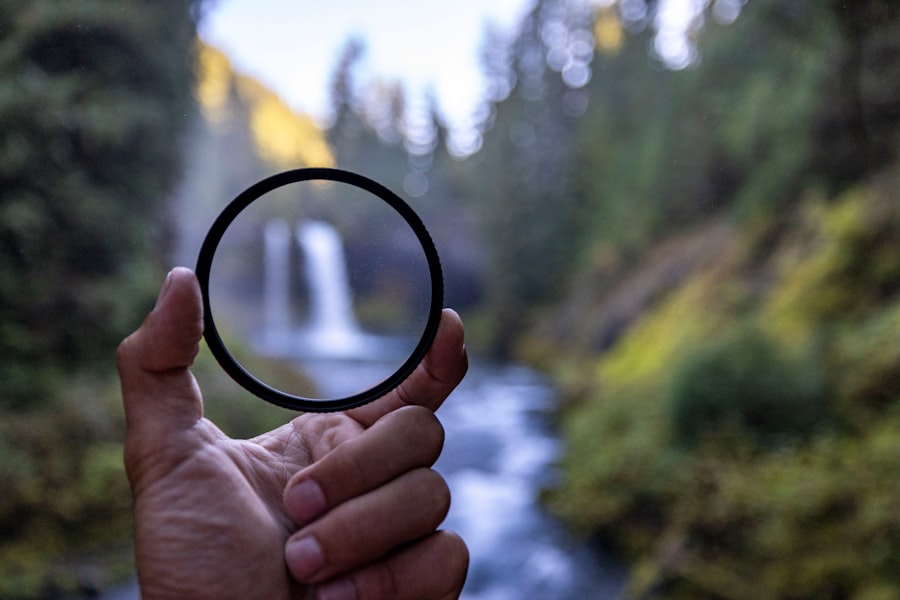
Finding the Best Travel ND Filters 2026 has to offer is the single most effective way to elevate your landscape and travel photography from amateur snapshots to professional-grade art. As a travel photographer who has spent years chasing the light across windy coastlines, dusty deserts, and humid rainforests, I know that your camera bag cannot be complete without high-quality Neutral Density (ND) filters. These essential pieces of optical glass act like sunglasses for your camera, allowing you to control your shutter speed and aperture even under the harshest midday sun.
In this comprehensive guide, we will look at the top-performing options on the market this year. Whether you are looking to capture silky waterfalls in Bali or eliminate crowds from a busy European plaza, we have tested the gear that will help you achieve your creative vision without sacrificing image quality or adding unnecessary bulk to your luggage.
Why Travel Photographers Need Dedicated ND Filters
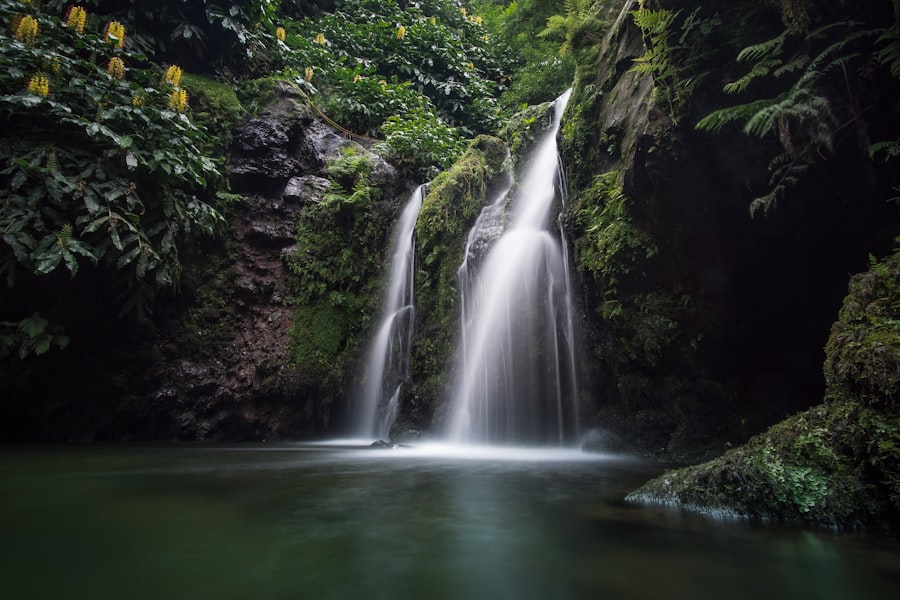
When you are on the road, lighting conditions are completely unpredictable. You might find yourself standing in front of a stunning Icelandic waterfall at 1:00 PM with the sun beating down directly overhead. Without an ND filter, your camera sensor is flooded with light, forcing you to shoot at a fast shutter speed that freezes the water into a messy, distracting splatter. By using the Best Travel ND Filters 2026 has made available, you can cut that light down by several stops, allowing for long exposures that turn turbulent waters into a smooth, ethereal mist.
Beyond motion blur, these filters are indispensable for travel videographers who must adhere to the 180-degree shutter rule to maintain natural motion. If you are shooting video at 24 frames per second, your shutter speed needs to be locked at 1/50th of a second. On a bright beach, your only way to achieve this without an ND filter is to close your aperture down to f/22, which introduces diffraction and destroys image sharpness. A high-quality ND filter allows you to shoot wide open at f/1.8 or f/2.8 even in blinding sunlight, giving you that beautiful cinematic depth of field.
Buyer's Tip: When shopping for travel filters, always buy a filter size that matches your largest lens diameter (usually 77mm or 82mm) and use inexpensive step-up rings for your smaller lenses. This saves you hundreds of dollars and valuable packing space.
The Contenders: Our Top Picks for 2026
To find the absolute Best Travel ND Filters 2026 demands, I put the leading brands through rigorous field testing. I evaluated them based on color neutrality, build quality, ease of use, and weather resistance. We are looking at magnetic systems, traditional screw-on filters, and variable NDs to see which style suits the fast-paced nature of travel photography.
PolarPro Helix MagLock Filter System
Looking at the specs, the PolarPro Helix MagLock represents a massive leap forward in filter mounting technology. Instead of spending precious minutes threading a filter onto your lens while your fingers freeze in the wind, the Helix system uses a powerful magnetic locking mechanism combined with a quarter-turn mechanical lock. This ensures your filter will never fall off, even if you bump your camera while hiking through rough terrain.
How it handles in the field is nothing short of revolutionary. During a recent shoot on the rugged coast of Oregon, the spray from the ocean was constantly coating my glass. With a traditional screw-on filter, swapping to a clean one or changing densities would have been a nightmare of cross-threading and wasted time. With the Helix, I simply pinched the locking tabs, popped the 10-stop filter off, and snapped a 3-stop filter on in less than two seconds. The optical glass is incredibly neutral, showing almost zero color cast, which is a common issue with cheaper magnetic systems.
Hoya PROND EX Filter Series
For photographers who prefer the reliability of traditional screw-on filters, the Hoya PROND EX series remains a top recommendation. Hoya utilizes a metallic ACCU-ND coating on both sides of the glass, which ensures that there is no color shift when moving from a 2-stop filter all the way up to a 10-stop filter. The aluminum frame is low-profile to prevent vignetting on wide-angle lenses, which is a crucial feature when shooting vast landscapes.
In terms of durability, these filters can take a beating. The knurled edges make them easy to grip even when wearing gloves, and the water-repellent coating makes cleaning off fingerprints or raindrops a breeze. While they lack the rapid deployment of magnetic systems, they offer unmatched optical consistency at a very reasonable price point.
Freewell Versatile Magnetic VND System
If you are a hybrid shooter who moves constantly between photo and video, a Variable ND (VND) is often the most practical choice. The Freewell Versatile Magnetic VND system is a highly adaptable kit that combines the flexibility of a variable filter with the convenience of a magnetic mount. It allows you to adjust your light reduction from 2 to 5 stops or 6 to 9 stops simply by rotating the outer ring.
Freewell has implemented hard stops on this filter, which completely eliminates the dreaded "X-pattern" cross-polarization that plagues cheap variable filters. It also includes a magnetic lens cap and a beautiful storage pouch that fits easily into the side pocket of a travel backpack like those designed by Peak Design.
Pros and Cons of Travel ND Filters
No piece of gear is absolutely perfect, and choosing the Best Travel ND Filters 2026 offers requires understanding the trade-offs of each design style. Let us break down the advantages and disadvantages you need to consider before making a purchase.
Magnetic Filter Systems
- Pros: Lightning-fast installation, easy to stack multiple filters, no risk of cross-threading in cold weather.
- Cons: Highly expensive, proprietary adapter rings required for every lens, can pop off if subjected to a hard direct impact.
Traditional Screw-On Filters
- Pros: Extremely secure connection, widely compatible, generally more affordable, very slim profiles available.
- Cons: Slower to mount, can get stuck on lenses due to temperature changes, easy to cross-thread when rushing.
Variable ND Filters
- Pros: Ultimate convenience, replaces multiple fixed filters, perfect for maintaining fast video workflows.
- Cons: Slight risk of color cast, potential for vignetting on ultra-wide lenses, cannot be easily stacked with polarizers.
My Personal Field Test: A Lesson in Quality
I learned the hard way that cutting corners on your filters will eventually ruin your images. A few years ago, I was photographing the sunrise over the ancient temples of Bagan. I had spent thousands of dollars on a high-end camera body from Sony and a razor-sharp wide-angle lens. Eager to capture the hot air balloons drifting over the temples with a soft, dreamlike sky, I screwed on a cheap, no-name 10-stop ND filter I bought online for twenty dollars.
When I got back to my hotel room and loaded the files onto my laptop, my heart sank. Every single image had a terrible, muddy magenta color cast that proved impossible to correct in post-processing. Worse, the cheap glass had completely destroyed the sharpness of my expensive lens, making the temples look soft and out of focus. That day taught me that your image quality is only as good as the weakest piece of glass in front of your sensor. Investing in the Best Travel ND Filters 2026 can provide will ensure your hard-earned travel memories are captured with absolute clarity.
Key Features to Look For
When you are comparing different brands to find the Best Travel ND Filters 2026 has to offer your specific kit, pay close attention to these technical specifications:
- Glass Quality: Look for German Schott glass or Japanese optical glass with multi-coatings to reduce ghosting and flare.
- Color Neutrality: Cheaper filters introduce blue or magenta color casts. High-quality filters maintain perfect color balance across all stops.
- Hydrophobic Coating: This coating repels water and oil, making it easy to wipe away mist, sea spray, and fingerprints in the field.
- Frame Material: Brass frames are heavier but much less likely to bind or stick to your lens threads than aluminum frames.
- Physical Thickness: Ultra-slim frames are essential if you shoot with wide-angle lenses (broader than 24mm) to avoid dark corners in your frame.
Who is this for?
Understanding your shooting style will help you choose the correct filter setup for your upcoming adventures.
- The Wilderness Backpacker: Needs a durable, lightweight screw-on system like the Hoya PROND EX that can survive drops and extreme weather conditions.
- The Fast-Paced Run-and-Gun Creator: Needs the rapid deployment of a magnetic system like the PolarPro Helix to capture fleeting moments without missing a beat.
- The Hybrid Travel Videographer: Needs a high-quality variable ND like the Freewell system to instantly adapt to changing light while keeping shutter speeds locked.
The Bottom Line
The bottom line is that you should never bottleneck a high-quality camera and lens system with cheap optical glass. If you want to capture stunning long exposures and cinematic travel videos, investing in the Best Travel ND Filters 2026 provides is a necessity. For the ultimate speed and premium build, the PolarPro Helix MagLock system is our top pick. If you prefer a traditional, bulletproof screw-on option that delivers professional results without breaking the bank, the Hoya PROND EX series will serve you incredibly well for years to come. Pack light, choose the right glass, and go capture the world.
Frequently Asked Questions
What is an ND filter and why do I need one for travel photography?
An ND filter reduces light entering the lens, allowing for slow shutter speeds or wide apertures in bright conditions. It's essential for creating smooth water effects or blurring motion while traveling.
What strength ND filter is best for travel landscapes?
A 6-stop (ND64) filter is versatile for most travel scenes, giving you control over shutter speed without being too dark. For extremely bright conditions, a 10-stop (ND1000) is also handy.
Are adjustable (variable) ND filters good for travel?
Their versatility can be convenient, but they may cause image quality issues like vignetting or color cast. More travel photographers now prefer fixed high-quality magnetic ND filters.
What should I look for in a travel-friendly ND filter mount system?
A lightweight, slim magnetic mount securely holds the filter, fits ultrawide lenses, and features quick-release locking. This ensures speed and stability without weighing down your kit.
Do I need to buy a kit or a single ND filter for travel?
A single ND8 (3-stop) or ND64 (6-stop) fits most needs for beginners; experts may want two. Kits offer flexibility, but you can start with one top pick and expand later.

Frederik Holm writes about travel gear and the art of packing light. From carry-on strategies to long-haul essentials, he helps travellers carry less and worry less on the road.
💬 Comments (0)
No comments yet. Be the first!