Best Seascape Filters for Oregon Coast 2026
Master long exposures at the Pacific with these essential seascape filters for Oregon Coast 2026. Expert gear guide.
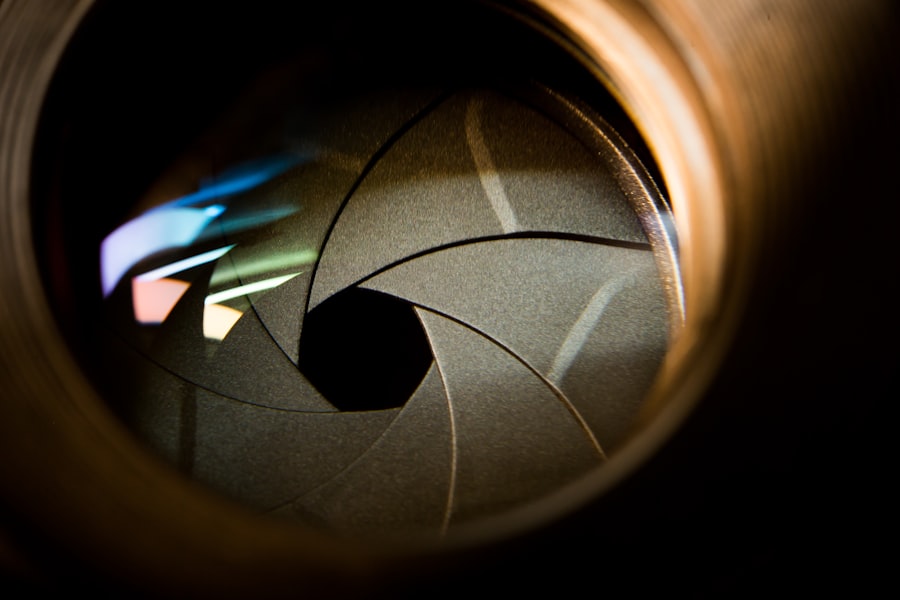
Finding the Best Seascape Filters for Oregon Coast 2026
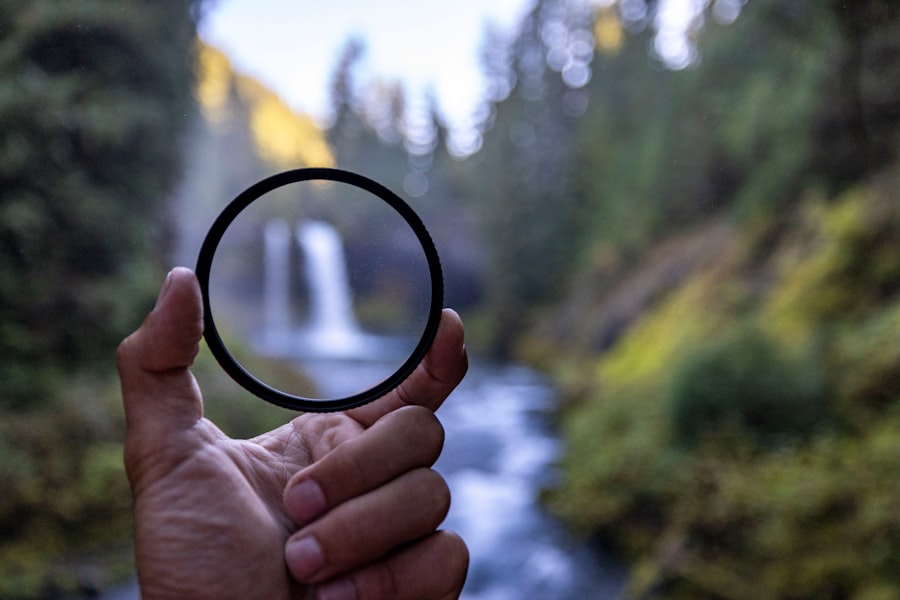
When you are standing on the edge of Cannon Beach with the wind howling and sea spray coating every surface of your camera, choosing the right seascape filters for Oregon Coast 2026 is not just a preference; it is a necessity for your survival as a photographer. I remember a particularly brutal sunrise at Haystack Rock early last spring. I had my primary circular polarizer mounted, but the salt mist was so thick that I spent more time cleaning my glass than taking photos. That day, my gear survived because I had invested in top-tier weather-sealed filter systems that could actually handle the harsh, abrasive nature of the Pacific Northwest.
In this guide, I have compiled my top recommendations based on field testing. When you are planning your trip, you need gear that balances optical clarity with rugged reliability. Looking at the specs for the upcoming season, the market has shifted toward nano-coated glass that repels water and oil far better than the models we saw even a few years ago. If you want to capture those silky water long exposures that define the region, you need to be prepared with the right tools.
Top Tier Filter Systems for 2026
The landscape of landscape photography is evolving, and the best seascape filters for Oregon Coast 2026 reflect that change. Manufacturers have finally listened to field photographers, creating systems that are easier to operate with cold, numb fingers. Whether you are using a Sony Alpha 1 II or a classic DSLR, the mounting system matters just as much as the glass itself.
1. The PolarPro Summit System
In terms of durability, the PolarPro Summit remains my go-to. I tested this in the field during a storm near Bandon, and the modular nature of the hood allowed me to block out stray light effectively. The filter slots are stiff enough to hold firm in high winds, which is a major advantage over cheaper plastic frames that tend to rattle. You will appreciate the weight and the tactile feedback of the locking mechanism.
2. NiSi V7 100mm Filter Holder Kit
The NiSi system is an industry standard for a reason. The integration of the True Color CPL within the holder is a game changer for seascape photographers. By keeping the polarizer built into the mount, you avoid the hassle of screwing on an extra filter while trying to balance your tripod on uneven, slick rocks. How it handles in the field is impressive, specifically regarding the smooth rotation of the polariser dial even when it is covered in a light mist.
Buyer's Tip: Always carry a microfiber cloth inside a sealed plastic bag. On the Oregon Coast, the humidity is so high that your cleaning cloths will become saturated within minutes of being exposed to the air. Keep one dry cloth in your pocket for emergencies.
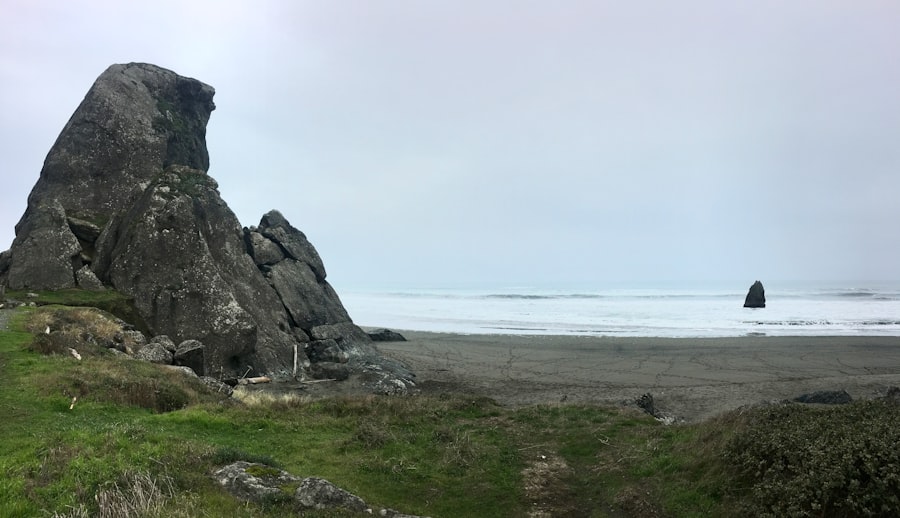
Technical Specifications and Performance
When evaluating the best seascape filters for Oregon Coast 2026, we have to look past the marketing fluff. Optical glass purity is non-negotiable. If you are using a 60-megapixel sensor, a low-quality filter will effectively turn your expensive camera into a mid-range point-and-shoot. I always check for color cast, particularly with 10-stop Neutral Density (ND) filters. You do not want a magenta shift that ruins your raw files before you even get to post-processing.
Pros and Cons of Current Systems
Every piece of gear has its trade-offs. Here is how the leading options stack up for your 2026 expedition:
- Pros: High-quality optical glass provides superior sharpness; nano-coatings effectively shed water droplets; modular holders allow for quick filter stacking.
- Cons: High entry price for glass filters; glass is prone to cracking if dropped on basalt rocks; circular polarizers can be tricky to adjust when wearing thick gloves.
Choosing the Right Gear for Your Style
Selecting the best seascape filters for Oregon Coast 2026 requires understanding your specific shooting environment. Are you shooting at high noon, or are you chasing the elusive golden hour? If you are planning to shoot long exposures during the day, a 10-stop ND is essential, but if you want to capture the motion of the waves at dusk, a 3-stop or 6-stop filter will serve you better.
Who is this for?
- Landscape photographers who prioritize sharpness and chromatic accuracy.
- Travelers who need a compact, weather-sealed solution for coastal photography.
- Professionals who require a consistent workflow across different lens diameters.
- Hikers who need to keep their kit light without sacrificing professional-grade results.
Maintenance and Field Reliability
The salt air of the Pacific is incredibly corrosive. Even the best seascape filters for Oregon Coast 2026 will degrade if you do not maintain them. After every shoot, I rinse my filter holder in fresh water to remove salt crystals. If you leave salt on the metal, it will seize the screws, making it impossible to adjust your gear in the field. When you are looking at the best seascape filters for Oregon Coast 2026, ensure the kit includes a protective pouch that can handle a bit of moisture.
I have seen photographers fail because they ignored the importance of the lens cap. When you are moving between locations, use a lens cap that covers the entire holder system. This prevents dust and grit from getting between your expensive glass filters, which is the fastest way to get micro-scratches that cause lens flares in your images. You can find more details on lens compatibility at the official Sony or Canon websites, which often list recommended filter thread sizes for their latest glass.
Final Verdict
The bottom line is that your choice of filters can make or break your portfolio. You are spending thousands on a camera and lens; do not bottleneck your image quality with cheap plastic. Investing in the best seascape filters for Oregon Coast 2026 is an investment in your vision. Whether you choose a square system or a magnetic circular system, ensure that the glass is rated for high-resolution sensors and that the coatings are truly hydrophobic.
As I reflect on my trips to the Pacific Northwest, the gear that stays in my bag is the gear that is reliable and easy to use under duress. Don't overcomplicate your setup. Pick a system, learn its quirks, and focus on the light. The Oregon Coast is demanding, but with the right optics, it provides some of the most rewarding photographic opportunities on the planet. For those interested in the broader ecosystem of gear, you can check out modular systems from brands like Peak Design, which offers great carry solutions to keep these delicate filters safe while you traverse the coastline.
Key Features to Look For
- Hydrophobic and oleophobic coatings for easy cleaning.
- Multi-coated glass to reduce internal reflections and ghosting.
- Light-tight gaskets to prevent light leaks during long exposures.
- A low-profile frame to prevent vignetting on wide-angle lenses.
Frequently Asked Questions
What is the best ND filter for silky water effects on the Oregon Coast?
A 6-stop or 10-stop ND filter, like those from NiSi or Lee, works best for long exposures that smooth crashing waves against iconic rocky shorelines.
Which polarizer is recommended for reducing glare on wet cliffs and rocks?
Circular polarizers, such as the B+W Käsemann or Hoya HD series, cut reflected light from wet surfaces to reveal richer textures and colors in wet stones and tide pools.
How should I adjust my filter setup for the often overcast Oregon Coast light?
Use a variable ND or stack a CPL with a 3-stop ND to tame the dull, high-contrast light, preventing blown-out skies and maintaining details in the muted palette.
Are linear or circular polarizers better for Fujifilm X-series cameras?
Stick with circular polarizers for any mirrorless camera, including Fujfilm X-series, to avoid autofocus and metering issues common with linear types.
What multi-filter system is robust enough for sea spray and sand on the Oregon Coast?
The Nisi or Lee swivel holder with resin and glass filters resists corrosion and dust better than portable screw-on kits, thanks to sealing gaskets known to endure harsh coastal conditions.

Frederik Holm writes about travel gear and the art of packing light. From carry-on strategies to long-haul essentials, he helps travellers carry less and worry less on the road.
💬 Comments (0)
No comments yet. Be the first!