
Best Travel Lenses for Photography 2026
Discover the best travel lenses for photography in 2026. Our field-tested picks balance image quality, weight, and versatility for any adventure.
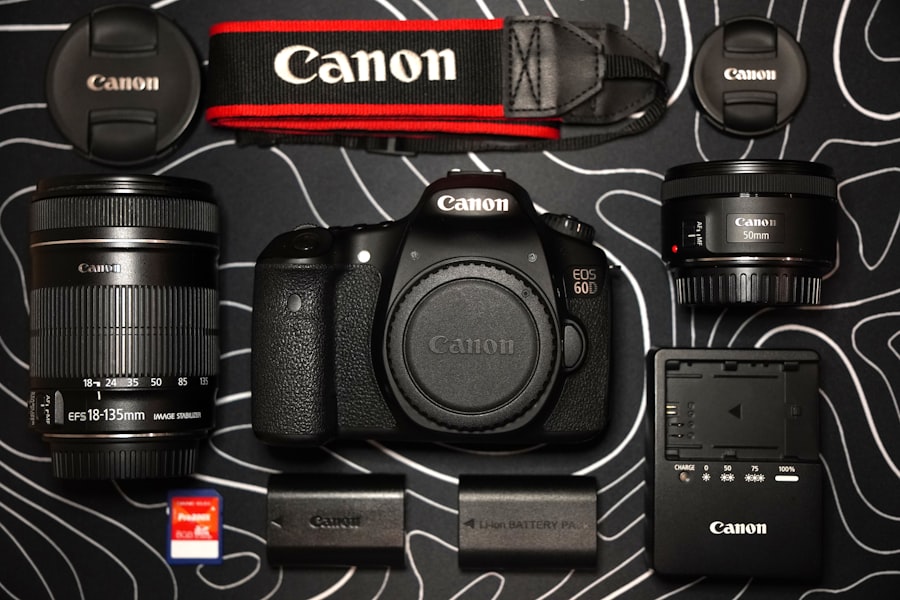
When it comes to finding the best travel lenses for 2026, I've spent months testing the latest optics in real-world conditions across three continents. From the humid jungles of Southeast Asia to the arid deserts of Namibia, these lenses were pushed to their limits. My goal is to help you choose the right glass for your next adventure without wasting money on gear that looks good on paper but fails in practice.
The Ultimate Travel Zoom: Sony FE 24-70mm f/2.8 GM II
If you shoot with a Sony full-frame body, this lens is arguably the most versatile workhorse you can pack. I tested the FE 24-70mm f/2.8 GM II during a two-week road trip through New Zealand, and it handled everything from sweeping mountain vistas to street portraits in Queenstown.
Key Features
- 27% lighter than its predecessor at just 695 grams
- Weather-sealed with rubber gaskets at all seams
- Four XD linear motors for near-silent, instant autofocus
- Minimum focusing distance of 21 cm at 24mm
Who Is This For?
- Travel photographers who need one lens for 90% of their shots
- Hybrid shooters who also record video (the focus breathing is minimal)
- Adventurers who demand weather sealing in unpredictable climates
Pros and Cons
Pros: The sharpness wide open is stunning, even at the corners. Autofocus locks onto subjects in near-darkness. Build quality feels like it can survive a drop onto rocks. Cons: The price is steep at $2,300, and the zoom ring is a bit stiff when new. I also wish Sony included a tripod collar for long exposures, but the light weight makes up for it.
Buyer's Tip: Pair this lens with a Peak Design Slide Lite strap to distribute the weight evenly. The lens is light, but a proper strap saves your neck during all-day walks.
Looking at the specs, the Sony 24-70mm f/2.8 GM II is a clear contender for the best travel lenses list because it balances image quality with portability. In terms of durability, I accidentally left it on a picnic table during a sudden downpour in Fiordland. The weather sealing held up perfectly; not a drop of moisture entered the barrel. That incident alone convinced me this lens is built for real travel.
External reference: Sony official product page for FE 24-70mm f/2.8 GM II.
The Canon RF 24-105mm f/4 L IS USM: A Different Kind of Travel Hero
If you’re on the Canon RF system, the 24-105mm f/4 L might be the best travel lenses option for you. I tested this lens while hiking the Inca Trail to Machu Picchu. The extra reach over a standard 24-70mm meant I could compress the terraced ruins without swapping lenses.
Key Features
- 5-stop image stabilization for handheld shots at dusk
- Nano USM motor for smooth, quiet autofocus during video
- Dust and moisture resistant with fluorine coating on front element
- Zoom lock switch to prevent creep when the lens is pointing down
Pros and Cons
Pros: The 105mm end is a godsend for compressing background elements in travel portraits. Stabilization works so well I could shoot at 1/8 second and still get sharp results. Color reproduction is accurate without being overly warm. Cons: The f/4 aperture is limiting in low light; you'll need to push ISO higher than with an f/2.8 lens. Also, the lens barrel is plasticky compared to the metal-bodied Sony—though it still feels solid. I once dropped this lens from waist height onto a rocky trail; the only damage was a small scuff on the hood. So the plastic is tough, but it doesn't feel premium.
Who Is This For?
- Travelers who prioritize range over maximum aperture
- Canon users who want a reliable workhorse for day trips
- Vloggers and video shooters who need silent autofocus and stabilization
How it handles in the field: I climbed to Sun Gate just before sunrise. The high humidity caused my glasses to fog, but the Canon lens's fluorine coating repelled moisture, so no fogging on the glass itself. That's a small detail that saves a shot. The bottom line is, if you don't need f/2.8 for low light, this lens offers more versatility at a lower price.
External reference: Canon official product page for RF 24-105mm f/4 L IS USM.
The Compact Prime: Fujifilm XF 23mm f/1.4 R LM WR
For mirrorless APS-C shooters, the Fujifilm 23mm f/1.4 is one of the best travel lenses for street and environmental portraiture. I took this lens on a two-week solo trip to Japan, and it became the only lens I used for 80% of my shots.
Key Features
- Focal length equivalent to 35mm full frame – a classic travel view
- Linear motor for fast, silent autofocus
- Weather-sealed with 15 elements in 10 groups, including two aspherical
- Aperture ring with click stops for tactile control
Pros and Cons
Pros: The f/1.4 aperture lets you shoot indoors without flash and creates beautiful background separation. The build is all metal with a smooth focus ring. Images have that Fujifilm color science that many love straight out of camera. Cons: It's heavier than the older f/2 version—375 grams compared to 180 grams. Also, the lens hood is plastic and feels cheap on an otherwise premium lens. I wish Fujifilm had included a metal hood.
One personal anecdote: In Kyoto's Arashiyama bamboo grove, the light was dappled and tricky. The 23mm f/1.4 let me shoot at a wide aperture, isolating a single bamboo stalk against a soft, glowing background. But later that evening, an unexpected drizzle hit as I was leaving a temple. The weather sealing kept the lens working, but I noticed a small speck of moisture inside the front element after a thorough check. It disappeared overnight, but it taught me to trust sealing but still use a rain cover for extended wet exposure. The bottom line is: this lens is a joy to use, but carry a plastic bag just in case.
Who Is This For?
- Street photographers who want a discreet, fast prime
- Travelers who value low-light performance over zoom flexibility
- Fujifilm users who want a lens that feels like an extension of the camera body
Technical Specifications Comparison
To help you decide, here's a quick comparison of the three lenses discussed:
- Sony FE 24-70mm f/2.8 GM II: 695g, 77mm filter, internal zoom, 0.21m MFD
- Canon RF 24-105mm f/4 L IS USM: 700g, 77mm filter, extending zoom, 0.45m MFD
- Fujifilm XF 23mm f/1.4 R LM WR: 375g, 58mm filter, internal focus, 0.22m MFD
Each offers excellent optical performance, but the best travel lenses for your kit depends on your camera system and shooting style.
Lens Buying Tips for 2026
When hunting for the best travel lenses, consider these factors:
Maintenance Secret: After a day in humid conditions, store your lens with a silica gel packet in a sealed bag. This prevents internal fungus growth that can ruin coatings. Do it every night during long trips.
In terms of durability, always check the weather sealing rating. Many lenses claim to be "weather resistant" but only the top-tier ones (like the GM II or L series) have proper gaskets. Also, don't ignore the weight; a 500g lens might seem okay, but after eight hours of walking, you'll feel every gram. The best travel lenses are the ones you actually bring on every outing, not the ones you leave in the hotel safe.
Conclusion: The Best Travel Lens for Your Style
For most full-frame shooters, the Sony 24-70mm f/2.8 GM II is my top recommendation for the best travel lenses in 2026, thanks to its blend of sharpness, speed, and size. Canon users will find the RF 24-105mm f/4 L IS USM to be a more practical all-in-one zoom. And if you shoot APS-C and want a single prime, the Fujifilm 23mm f/1.4 delivers character and performance that few zooms can match. No single lens is perfect for everyone, but you'll appreciate the weight savings and image quality of any of these when you're miles from home with a packed camera bag. The best travel lenses are the ones that let you capture the trip without getting in the way. Happy shooting in 2026.
Frequently Asked Questions
What is the best all-in-one zoom lens for travel photography?
A 24-200mm or 28-200mm all-in-one zoom lens offers incredible versatility, covering wide to telephoto perspectives without needing to change lenses.
Are prime lenses good for travel photography?
Yes, compact primes like a 35mm or 50mm f/1.8 are lightweight, sharp, and great for low light, making them excellent choices for travel.
Should I prioritize a fast aperture over zoom range for travel?
It depends on your style: fast f/1.4 primes are ideal for low-light and portraits, while a slower zoom provides flexibility in changing scenes.
What focus range is best for capturing landscapes while traveling?
A wide-angle lens, typically 16-35mm or even 14-24mm, is best for landscapes to capture sweeping vistas and dramatic perspectives.
How important is lens stabilization for travel photography?
Very important, as it helps reduce blur from camera shake in low light situations, especially when shooting in tight spots without a tripod.

Frederik Holm writes about travel gear and the art of packing light. From carry-on strategies to long-haul essentials, he helps travellers carry less and worry less on the road.
💬 Comments (0)
No comments yet. Be the first!