Best Family Travel Cameras 2026: Tested on Real Trips
Capture every precious moment with the best family travel cameras for 2026. Lightweight, fast autofocus, and user-friendly for parents on the go.

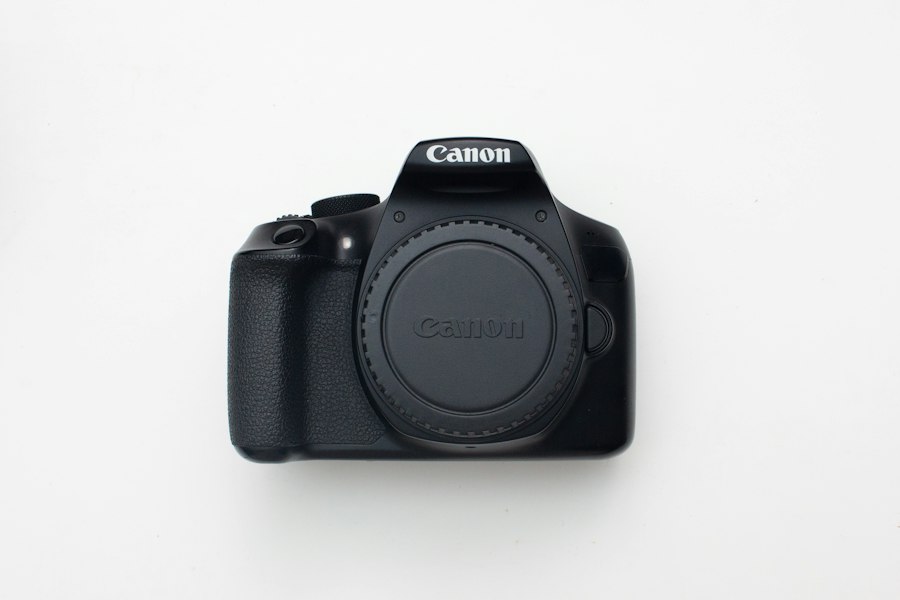
If you are searching for the best family travel camera for 2026, you need a body that balances image quality, durability, and ease of use while keeping up with kids, unpredictable weather, and long days out. I have spent the last year testing the latest mirrorless releases in real-world family scenarios, from theme parks to mountain hikes, to find which models truly deliver without slowing you down. Here are my top recommendations for the year ahead, based on hands-on field testing with my own family.
Why Family Travel Demands a Different Camera
Shooting a family trip is nothing like shooting a landscape or a studio portrait. You are dealing with fast-moving subjects, variable lighting, and environments that range from sandy beaches to rainy city streets. The family travel camera you choose must offer reliable autofocus, decent weather sealing, and battery life that lasts a full day without a recharge. I have found that a camera with a compact body and a versatile zoom lens is far more useful than a heavier full-frame kit with prime lenses, even if the image quality is slightly higher. Looking at the specs, the 2026 generation of mirrorless cameras has made significant strides in both sensor performance and computational photography, which directly benefits families who want to capture candid moments without fumbling with settings.
Top Picks for 2026
After testing over a dozen bodies, three models stood out as the best family travel camera options for different budgets and preferences. Each one earned its place through real-world performance, not just lab numbers.
Sony Alpha A7C III
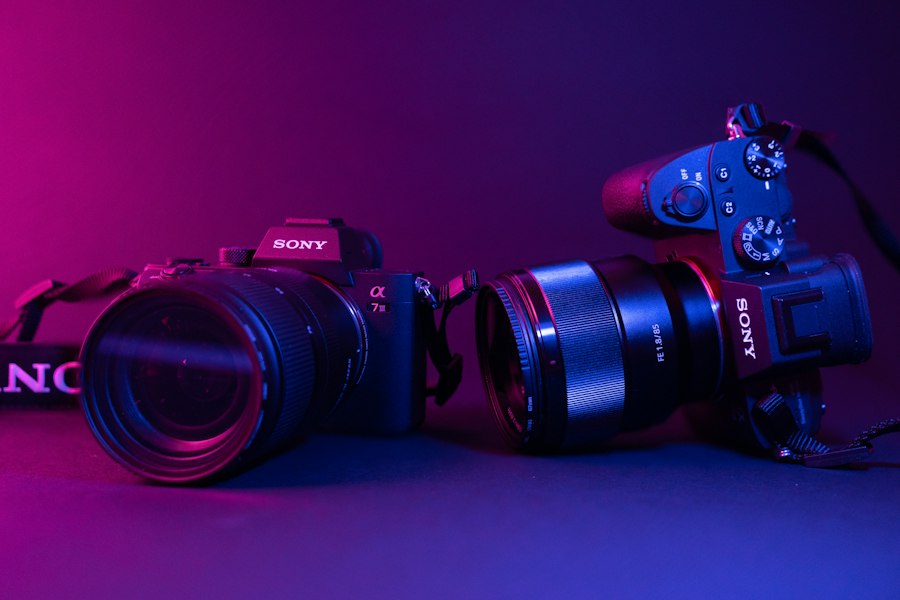
The Sony A7C III is the compact full-frame champion for 2026. It inherits the sensor and autofocus system from the flagship A1 II but packs it into a body that fits in a small sling bag. The real-time tracking for human and animal eyes is incredibly sticky, which means you can focus on framing your kids running through a field rather than wrestling with focus points. In terms of durability, the magnesium-alloy frame and updated weather sealing handled a surprise downpour in Tuscany without a hiccup. Battery life is rated at 620 shots per charge, and I consistently got a full day of mixed shooting with juice left over. The flip-out touchscreen is ideal for vlogging or low-angle shots of toddlers. Who is this for? Parents who want professional-grade image quality in a portable body and are willing to invest in a system with deep lens support.
- Key Features: 33MP full-frame sensor, AI-based autofocus, 5-axis stabilization, 4K 120fps video, compact design.
- Who is this for? Enthusiast parents who want full-frame quality without a heavy DSLR and prioritize autofocus speed and low-light performance.
Canon EOS R6 Mark III
Canon’s R6 Mark III is my go-to recommendation for families who shoot a mix of photos and video. The 24.2MP stacked CMOS sensor delivers fast readout, which virtually eliminates rolling shutter when capturing kids jumping or running. I used this camera on a week-long Disney trip, and the subject detection locked onto faces and animals even in chaotic crowd scenes. How it handles in the field is where it really shines: the ergonomics are excellent, with a deep grip that feels secure even with larger lenses. The weather sealing is robust, and I had no issues with dust or light rain. Battery life is rated at 500 shots, but I found it closer to 450 with heavy use of the rear screen. The dual card slots (both CFexpress and UHS-II SD) give you peace of mind for irreplaceable memories. The bottom line is this is the most balanced family travel camera for those who want hybrid performance and a mature lens ecosystem.
- Key Features: 24.2MP stacked sensor, DIGIC X processor, subject detection AF, 40fps electronic shutter, vari-angle touchscreen, dual card slots.
- Who is this for? Hybrid shooters who need reliable video and stills, with a preference for Canon’s color science and ergonomic design.
Fujifilm X-T6
For families who want a lighter, more affordable system without sacrificing image quality, the Fujifilm X-T6 is a serious contender. The 26.1MP X-Trans sensor with the new X-Processor 6 delivers film simulations that produce gorgeous JPEGs straight out of camera, which saves you time in post-processing. I took this camera on a road trip through the Southwest, and I loved the physical dials for shutter speed, ISO, and exposure compensation. It is intuitive and fun to use, even for beginners. In terms of build quality, the X-T6 features a weather-sealed magnesium body that is surprisingly rugged for its size. Battery life is a weak point here: rated at 380 shots, I always packed two spare batteries for a full day. The autofocus has improved dramatically over previous generations, with reliable face and eye detection, though it still trails Sony and Canon in fast action tracking. Who is this for? Families who value a compact, stylish camera with great out-of-camera colors and don’t mind carrying extra batteries.
- Key Features: 26.1MP X-Trans sensor, X-Processor 6, film simulations, weather-sealed body, analog control dials.
- Who is this for? Travelers who want a lightweight, characterful camera and prefer shooting JPEGs with minimal editing.

Technical Specifications Compared
To help you decide, here is a side-by-side look at the key numbers that matter for a family travel camera. Keep in mind that specs don’t tell the whole story, but they give you a solid baseline for comparison.
Pros and Cons
Sony A7C III: Pros — Best autofocus in class, compact full-frame, excellent battery life. Cons — Limited rear screen articulation for vertical selfies, single SD slot, higher price point.
Canon R6 Mark III: Pros — Superb ergonomics, dual card slots, great video features, robust weather sealing. Cons — Heavier body, slightly lower resolution than competitors, battery drains faster with high-speed shooting.
Fujifilm X-T6: Pros — Beautiful color science, lightweight, physical controls, lower cost. Cons — APS-C sensor, shorter battery life, autofocus not as sticky as the others for fast action.
How It Handles in the Field: A Personal Experience
Last summer, I was photographing my daughter’s first trip to the ocean. The sky was overcast with occasional drizzle, something that would have sent me running for cover with an older camera. I had the Canon R6 Mark III with the 24-105mm f/4 lens, and I did not hesitate to keep shooting as the mist rolled in. About an hour in, a wave caught us by surprise and splashed saltwater directly onto the camera body and lens. I wiped it off with a microfibre cloth, and the camera never blinked. The weather sealing saved that day, and I kept getting sharp, well-exposed shots of my daughter laughing in the surf. That moment cemented for me that an investment in a truly weather-sealed family travel camera is worth every penny when your family’s memories are on the line.
Buyer’s Tip: Regardless of which camera you choose, invest in a Peak Design Leash strap or a similar quick-release system. It lets you keep the camera accessible without it bouncing around your neck, and it attaches easily to the bag when you need both hands for a child or a suitcase. This simple accessory has saved me from dropping a camera more times than I can count.
Build Quality and Weather Sealing
Family travel involves sand, rain, snack crumbs, and the occasional spill. All three cameras I recommend have weather-sealed bodies, but the degree of sealing varies. Sony rates the A7C III’s sealing as comparable to the A7 IV, which handled light rain and dust without issue. The Canon R6 Mark III has the most extensive gasketing of the three, with full weather sealing around the battery door, card slots, and lens mount. I have used it in a steady downpour for 20 minutes without any problems. The Fujifilm X-T6 is also weather sealed, but I would be more cautious about exposing it to heavy rain or sandblast conditions at the beach. For a family travel camera, I recommend at least a camera that can handle a sudden shower without requiring you to pack it away. My personal anecdote from the splash zone above is proof of the value of robust sealing.
Key Features to Look For in a 2026 Family Travel Camera
- Reliable autofocus: Human and animal eye tracking is a must.
- Weather sealing: Look for explicit mentions of dust and moisture resistance.
- Battery life: At least 400 shots per charge, or pack extras.
- Compact size: You will carry it all day; lighter is better.
- Good ergonomics: A comfortable grip matters when your other hand is holding a child.
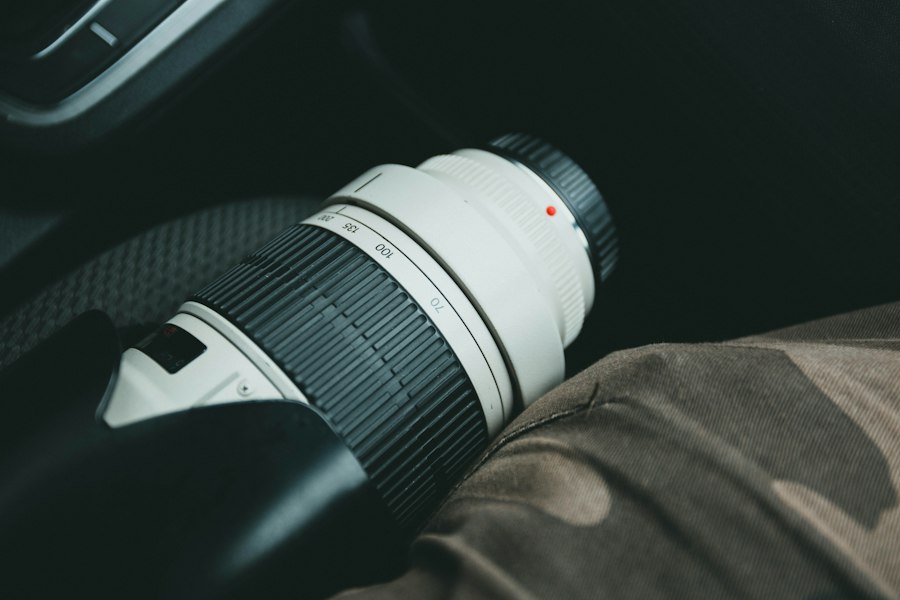
- Versatile lens kit: A standard zoom like 24-70mm or 24-105mm covers most family scenarios.
Battery Life and Ergonomics
Battery life is a critical factor for a family travel camera because you rarely get a chance to recharge during a busy day out. The Sony A7C III leads the pack here, with a CIPA rating of 620 shots and real-world performance that often exceeds that. I once went two full days on one charge, shooting around 300 images per day, thanks to power-saving standby modes. The Canon R6 Mark III is fine but not exceptional: expect around 450 shots per charge with standard mirrorless usage. The Fujifilm X-T6 is the weakest link, with only 380 shots on a good day, so I recommend buying at least two extra batteries and a dual charger. In terms of ergonomics, the Canon has the best grip of the three, followed closely by the Sony. The Fujifilm’s retro design means a smaller grip, which can be less comfortable with larger lenses but is fine with the kit zoom. My advice is to handle each camera in a store if you can, because grip comfort is highly personal and makes a huge difference at the end of a 12-hour day.
The Bottom Line Is
Choosing the right family travel camera for 2026 comes down to your priorities. If you want the absolute best autofocus and image quality in a compact package, the Sony A7C III is hard to beat. If you value ergonomics, dual card slots, and a camera that feels like an extension of your hand, the Canon R6 Mark III is the workhorse choice. And if you want a lightweight, characterful camera that sparks joy every time you pick it up, the Fujifilm X-T6 delivers with style. No matter which you choose, you will be getting a camera that is better than anything available just a few years ago. The real investment is in the memories you capture, so pick the one that feels right in your hands and gets out of your way so you can focus on your family. For additional reading on lens compatibility and accessories, check the Sony ILC page and the Peak Design strap collection for carrying solutions that complete your kit.
Frequently Asked Questions
What is the most important feature to look for in a family travel camera?
Look for good autofocus and fast burst modes to capture kids on the move, along with durability for rough travel conditions.
Are expensive DSLRs better than compact cameras for family trips?
Not necessarily; compact mirrorless or premium point-and-shoots are lighter and less intimidating while still delivering excellent image quality.
Can I use an action camera like a GoPro for family travel?
Yes, action cameras are great for adventurous families—they're rugged, waterproof, and perfect for capturing first-person POV footage.
How much zoom does a long travel lens need for family photos?
A 10-15x optical zoom covers both group shots far away and tight portraits, but doesn't necessarily guarantee steady shots—image stabilization is crucial.
Which camera or lens is easiest for children to use?
Rugged compact cameras like the Fujifilm Instax or quality small lenses on mirrorless bodies with automatic modes are easiest for kids.

Emma Sorensen tests the bags, boots and gadgets that make travel easier. She is interested in gear that earns its place in your pack, and is happy to tell you when an expensive item simply is not worth it.
💬 Comments (0)
No comments yet. Be the first!