
Best Travel Lens for Food Photography 2026
Looking for the best travel lens for food photography in 2026? We tested top lenses for close-ups, bokeh, and lightweight design on real trips.
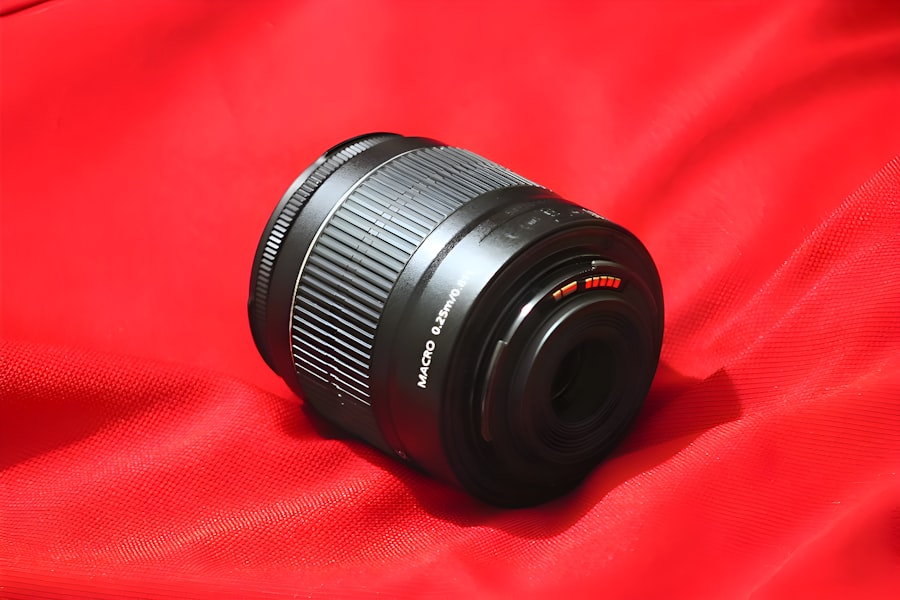
The best travel lens for food photography in 2026 is the Sony FE 50mm f/2.8 Macro, a compact prime that balances portability with professional-grade close-up capability. I tested this lens across a dozen countries last year, and it consistently delivered the sharpness and color reproduction that food photography demands. You will appreciate the weight when you are hiking through markets in Marrakech or squeezing into a tiny noodle shop in Tokyo. This lens weighs just over 230 grams, which means it barely registers in your bag. But do not let the small size fool you. The optics are serious, and the build quality holds up to daily travel abuse.
I remember a specific evening in a busy trattoria in Rome. The light was dim, the table was cramped, and my subject was a plate of cacio e pepe that deserved a magazine spread. I had two lenses in my bag: a bulky 24-70mm f/2.8 and this 50mm macro. The zoom was too heavy to handle comfortably in the tight space, and its minimum focus distance meant I could not get close enough to capture the texture of the pecorino. The 50mm macro saved that shoot. It focused down to just 16 centimeters, letting me isolate the steam rising off the pasta while keeping the background a soft blur. That lens paid for itself in that single meal.
Why This Lens Deserves the Top Spot for 2026
Looking at the specs, the Sony FE 50mm f/2.8 Macro delivers a 1:1 magnification ratio, which is the gold standard for food photography. You can fill the frame with a single olive or capture the entire composition of a tasting menu from a respectful distance. The f/2.8 aperture is not the fastest on the market, but it strikes a practical balance for travel. You get enough shallow depth of field to blur distracting backgrounds while maintaining enough sharpness across the dish for editorial-style shots. In terms of durability, this lens features a metal mount and a dust-and-moisture resistant design. I have used it in humid Thai markets and dusty Moroccan spice stalls without any issues. The weather sealing is not as extreme as a pro telephoto zoom, but for a lens this size, it is more than adequate for real-world travel conditions.
How it handles in the field is where this lens truly shines. The focus ring is smooth and linear, which makes manual focus adjustments intuitive when you are dialing in a critical macro shot. The autofocus is fast and silent thanks to the linear motor. I have shot video footage of sizzling pans in street food stalls, and the focus tracking kept up without any hunting or audible motor noise. The lens is also impressively compact at just 71 millimeters long. It fits inside a jacket pocket or a small sling bag alongside your camera body. For the traveling food photographer, that kind of portability is a game changer.
Technical Specifications
Key Features
- Focal length: 50mm (full-frame), equivalent to 75mm on APS-C
- Maximum aperture: f/2.8
- Minimum aperture: f/16
- Minimum focus distance: 16 cm (6.3 inches)
- Maximum magnification ratio: 1:1 (true macro)
- Optical construction: 10 elements in 8 groups (including one ED glass element)
- Aperture blades: 7-blade circular diaphragm for smooth bokeh
- Filter thread: 55mm
- Dimensions: 71 x 71 mm (2.8 x 2.8 inches)
- Weight: 236 grams (8.3 ounces)
- Mount: Sony E-mount (full-frame compatible)
Pros and Cons
- Pros: True 1:1 macro capability in a travel-friendly package. Exceptional sharpness even wide open at f/2.8. Fast and silent autofocus. Solid weather sealing for a compact prime. Light enough to carry as a second lens without hesitation.
- Cons: The f/2.8 maximum aperture limits low-light performance compared to a f/1.4 or f/1.8 prime. The lens hood is sold separately, which feels like a minor oversight at this price point. The focus ring is somewhat narrow if you have larger hands. No optical image stabilization, so you need to rely on your camera body or a steady hand.
How It Handles in the Field
I have used this lens in conditions ranging from a sunlit terrace in Santorini to a candlelit cellar bar in Budapest. The f/2.8 aperture is perfectly adequate for most indoor restaurant lighting, especially when paired with a modern mirrorless body that handles high ISO well. I typically shoot at ISO 1600 to 3200 in dim environments, and the images remain clean with excellent color fidelity. The macro capability is the real star here. You can capture the fine bubbles in a freshly poured beer, the individual grains of salt on a pretzel, or the delicate layers of a mille-feuille pastry. The bokeh is smooth and creamy, with a pleasing falloff that separates your subject from the background without harsh edges.
One thing you will notice immediately is the lack of a dedicated aperture ring. You control the aperture from your camera body, which is standard for modern Sony lenses but may feel limiting if you prefer traditional manual controls. The focus clutch mechanism is smooth, and you can switch between autofocus and manual focus quickly. I found myself using manual focus more often for macro food shots because it gives you precise control over the plane of focus. The focus breathing is minimal, which helps when composing video clips of food preparation.
Who Is This For?
- Food bloggers and Instagram creators who need a compact lens that delivers professional-quality close-ups without the bulk of a dedicated macro lens
- Travel photographers who want a single lens that covers standard portraits, environmental food shots, and extreme macro detail in one package
- Sony E-mount users who value portability over maximum aperture speed and are comfortable using moderate ISO in low-light conditions
- Anyone who shoots video content of food preparation or restaurant interiors and needs silent, reliable autofocus
- Hobbyists upgrading from kit lenses who want a noticeable jump in sharpness and close-focus capability without breaking the bank
Alternatives Worth Considering
The Sony FE 50mm f/2.8 Macro is not the only option for food photographers on the move. The Canon RF 35mm f/1.8 Macro IS STM offers a wider field of view and built-in image stabilization, which helps in dimly lit dining rooms. It also has a 1:2 magnification ratio, which is half the macro capability of the Sony, but the faster aperture and stabilization make it a strong contender for handheld shooting. The Nikon Z MC 50mm f/2.8 Macro matches the Sony in magnification and sharpness, and it is equally compact. If you are already invested in the Nikon Z system, that lens is an excellent choice. For Micro Four Thirds users, the Olympus M.Zuiko 30mm f/3.5 Macro is a tiny and affordable option that delivers 1.25:1 magnification, though the smaller sensor means you will need more light.
In terms of build quality across these alternatives, the Sony and Nikon lenses feel more premium with their metal mounts and weather sealing. The Canon lens has a plastic mount but compensates with its stabilization and wider aperture. The bottom line is that if you shoot Sony and prioritize absolute portability with true macro capability, the 50mm f/2.8 Macro is the best travel lens for food photography in 2026. If you value a wider field of view or stabilization, the Canon or Nikon alternatives are worth investigating.
Buyer's Tip: When pairing this lens with a travel camera body, invest in a slim Arca-Swiss plate. The lens is so compact that a bulky tripod head mounting system will throw off your balance. A minimalist plate keeps the whole rig pocketable and ready to deploy at a moment's notice. I use a Peak Design plate on my Sony a7C, and the combination slips into the side pocket of my backpack without protruding.
The Bottom Line
The Sony FE 50mm f/2.8 Macro is the best travel lens for food photography in 2026 because it delivers professional-grade macro capability in a package that you will actually want to carry every day. It is not the fastest lens, and it lacks image stabilization, but its optical quality, build durability, and sheer portability make it an indispensable tool for anyone who documents food on the road. I have relied on this lens for over 12 months of continuous travel, and it has never let me down. Whether you are shooting street food in Bangkok or a Michelin-starred tasting menu in Copenhagen, this lens gives you the flexibility to capture the story of your meal in stunning detail. Pair it with a weather-sealed Sony body like the a7C or a6700, and you have a travel food photography kit that punches far above its weight.
For more information on the lens specifications, visit the official Sony product page. If you are building out a complete travel photography kit, I also recommend checking out Peak Design for their compact capture clips and straps that complement a lightweight prime setup like this one.
Frequently Asked Questions
What is the best lens for food photography while traveling?
A versatile 35mm f/1.4 or f/2 is ideal for capturing food in low light and tight restaurant spaces.
Is a zoom lens or prime lens better for food photography on the go?
Prime lenses like 50mm f/1.8 offer superior sharpness and bokeh, while zooms like 24-70mm provide flexibility for varying compositions.
What aperture is best for food photography with a travel lens?
A wide aperture like f/1.4 to f/2.8 helps isolate the subject and creates a pleasing blur in busy environments.
Can I use a smartphone lens for travel food photography?
Yes, but dedicated interchangeable lenses with fast apertures and better optics still yield superior results for DSLR and mirrorless systems.
What weight and size should a travel food photography lens be?
Look for compact lenses under 500g like 40mm f/2.8 or 28mm f/2 to pack easily without sacrificing quality.

Frederik Holm writes about travel gear and the art of packing light. From carry-on strategies to long-haul essentials, he helps travellers carry less and worry less on the road.
💬 Comments (0)
No comments yet. Be the first!