Pamukkale drone photography 2026 guide
Master Pamukkale drone photography 2026 with key framing and altitude tips for capturing brilliant white travertine terraces.
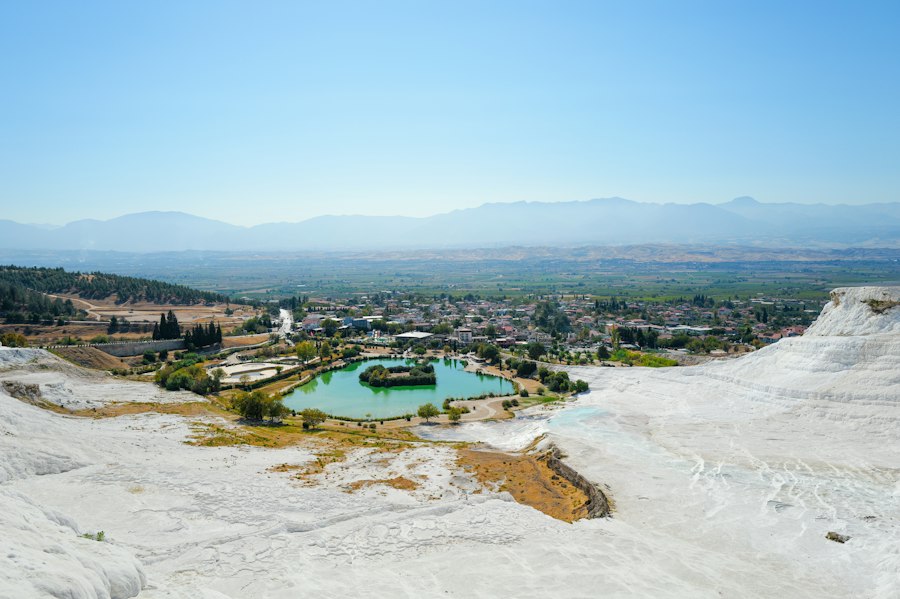
Mastering Pamukkale drone photography 2026 requires a solid understanding of aerial lighting, local regulations, and camera settings to truly capture Turkey's iconic Cotton Castle.
Why Pamukkale Drone Photography 2026 Is a Game Changer for Aerial Photographers
I still remember my very first attempt at capturing these brilliant white calcium terraces from above. I flew my drone straight out at noon, hit the shutter, and landed only to find a flat, washed out mess. The blinding white travertine reflects sunlight like fresh snow, completely confusing your camera's internal light meter. My highlights were blown out, the subtle pastel blues of the water pools were lost, and the image lacked any depth. It was a classic photography mistake, but fixing it changed how I approach aerial landscapes forever.
The secret is learning how to control bright highlights while drawing out contrast in the surrounding landscape. In 2026, drone sensors are more powerful than ever, but you still need the right techniques to translate what your eyes see into a breathtaking image. Whether you are using a compact travel drone or a pro grade rig, I will show you how to turn tricky harsh light into stunning gallery quality prints.
Golden Rule of Travertine Photography: Always expose for the brightest highlights on the white calcium terraces. You can easily shadow lift in post processing, but lost highlight detail on blown out white rock is gone forever.
Essential Camera Settings and Gear Setup
Before you take off, you must configure your equipment properly. The bright white landscape will trick your automatic camera modes every single time. First, let us look at the fundamental settings you need to adjust before your propellors even start spinning.
Recommended Gear and Exposure Settings
- Shoot in RAW vs JPEG: Always set your drone to capture uncompressed RAW files. A JPEG bakes in color and contrast data, stripping away your ability to recover subtle details in the white travertines. RAW files keep all dynamic range data intact.
- ISO: Keep your ISO at its base setting, usually ISO 100. This ensures zero digital noise and maximum dynamic range.
- Aperture: If your drone has an adjustable iris, set it between f/2.8 and f/5.6 to hit the optical sweet spot of your lens.
- Exposure Compensation: Dial your exposure compensation down to -0.7 or -1.0 EV. This intentionally darkens the image slightly to preserve detail in the white calcium pools.
- Filters: A Circular Polarizer (CPL) or a light ND/PL hybrid filter is essential to cut glare off the water surfaces.
To get a better understanding of how sensor dynamic range impacts extreme highlight recovery, check out the detailed camera sensor guides on DPReview.
Step-by-Step Framing and Composition Techniques
Now try this practical approach when you are airborne above the terraces. Capturing great photos is not just about flying high; it is about finding compelling geometry, leading lines, and rich contrasts.
Step-by-Step Guide to Framing the Terraces
- Step 1: Arrive for Golden Hour: Plan your main flight during sunrise or late afternoon. The low sun angle casts long shadows, adding texture to the white terraces while making the thermal water glow in soft blue and orange hues.
- Step 2: Apply the Rule of Thirds: Divide your frame into an imaginary three by three grid. Place the horizon along the top third line and position the cascading pools across the lower two thirds to give the landscape a natural, balanced feel.
- Step 3: Look for Top-Down Patterns: Tilt your camera straight down at a 90 degree angle. Look for abstract geometric patterns created by the curving edges of the pools. This top down perspective creates a stunning abstract aesthetic.
- Step 4: Create Depth with Bokeh and Scale: Fly lower and capture ancient ruins like the Hierapolis theater in the foreground with the glowing white pools in the background. If you shoot at a wider aperture like f/2.8, you get a subtle background blur or bokeh that adds depth to your scene.
For more deep dives into creative visual composition, read through the comprehensive photo tutorials available on Adobe Learning Hub.
Overcoming Common Challenges in Pamukkale Drone Photography 2026
Executing successful Pamukkale drone photography 2026 means adapting to environmental factors quickly. The high reflective nature of the white ground acts like a giant mirror. If you rely on automatic white balance, your images will constantly shift between overly cool blues and sickly warm yellows. Don't forget to lock your white balance manually to Daylight or around 5500K for consistent color tones across your entire flight.
Here is a real world Before and After scenario to illustrate how small tweaks transform your shots:
- Before (Standard Auto Flight): Shot in JPEG at mid day using Auto Exposure. The white travertines are completely clipped with no detail, the sky is washed out, and the thermal water looks like flat gray grey pools.
- After (Pro Manual Setup): Shot in RAW during early morning side-lighting with -1.0 EV Exposure Compensation and a CPL filter attached. The white terraces reveal delicate rim textures, the water glows with intense turquoise tones, and the warm sky creates an inviting contrast.
Rules, Permissions, and Responsible Flying in 2026
Pamukkale is a protected UNESCO World Heritage Site and an active archaeological zone. Because of this, regulations regarding Pamukkale drone photography 2026 are strictly enforced by local authorities to protect both the visitors and historical structures. You must acquire official permits from the Turkish Directorate of General Civil Aviation (SHGM) and local site management prior to launching your aircraft.
Never fly directly over crowds of visitors bathing in the thermal pools, and keep a safe distance from the fragile ancient stone columns of Hierapolis. By keeping your distance, taking advantage of mid range zoom lenses, and planning around strict light windows, your photos will look professional, polished, and breathtaking.
Planning your creative vision around proper timing and accurate exposure settings ensures your dedicated trip yields incredible results. Keep testing your skills with Pamukkale drone photography 2026 techniques, practice setting your focus points manually, and enjoy capturing one of the world's most unique landscapes from the sky.

Camille Bernard shares travel photography tips for every kind of traveller, from phone snapshots to full kits. She breaks down light, composition and timing so you come home with photos that actually capture how a place felt.
💬 Comments (0)
No comments yet. Be the first!