Pantanal wildlife photography 2026: Pro Tips
Master Pantanal wildlife photography 2026 with expert tips on telephoto settings, tracking jaguars, and reducing heat haze.
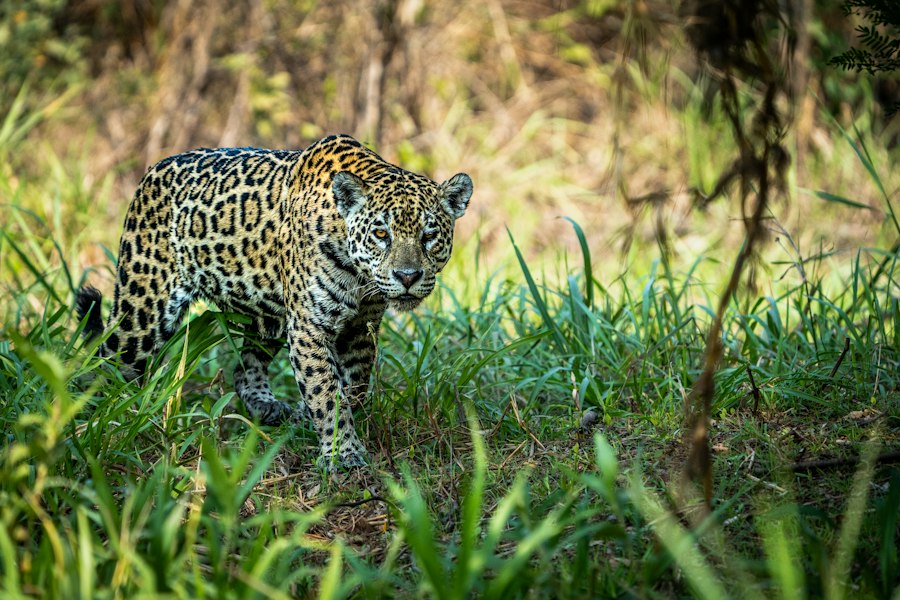
If you are planning an epic safari, mastering Pantanal wildlife photography 2026 techniques will ensure you bring home dramatic, wall-worthy images from the world's largest tropical wetland.
Why Pantanal Wildlife Photography 2026 Is Every Photographer's Dream
I still remember my first morning on the Rio Cuiaba. The humidity hung heavy in the air, the sunrise painted the river pink, and suddenly, a massive jaguar stepped onto a muddy bank. I panicked. My camera was set to a slow shutter speed, my framing was sloppy, and the resulting photo was a blurry, unsharp mess. It was a heartbreaking mistake! But that failure taught me invaluable lessons about field readiness, quick tracking, and exact camera setup. Today, I want to help you avoid those exact mistakes.
The Pantanal offers unparalleled access to apex predators, giant river otters, capybaras, and hundreds of bird species. But tracking animals from a moving boat or dusty dirt road presents unique technical challenges. With modern camera tech advancing rapidly, executing top-tier Pantanal wildlife photography 2026 requires a blend of core camera knowledge and smart field tactics.
Essential Camera Settings for Wetland Safaris
The secret is keeping your settings adaptable so you can switch from shooting a sleeping caiman to capturing a sudden bird takeoff in milliseconds. First, let's look at your core camera configuration.
Mastering ISO, Shutter Speed, and Aperture
In wildlife shooting, shutter speed is your top priority. To freeze a leaping jaguar or flapping hyacinth macaw, you need a speed of at least 1/2000th of a second. Because high shutter speeds let in less light, you must balance your exposure using your light sensitivity setting, known as ISO.
Do not be afraid of higher ISO values like 1600 or 3200 on modern camera bodies. It is much better to have a sharp photo with a little digital noise than a blurry image shot at ISO 100. To check the exact noise performance of your specific sensor, look up your camera specs on DPReview before heading out into the field.
Now try this: set your lens to its widest aperture (such as f/4 or f/2.8). This allows maximum light into the sensor and creates beautiful Bokeh, which is the pleasing, silky blur in the background that makes your main subject pop off the screen.
Golden Rule of Pantanal Wildlife Photography: Action favors the prepared camera. Keep your shutter speed at 1/1600s by default while riding in the boat. You can always slow it down for static animals, but you cannot fix motion blur after the moment has passed!
Must-Have Gear Checklist
Your gear list needs to balance long reach with portability. Here is what you should pack for optimal success:
- Telephoto Zoom Lens: A 100-400mm or 200-600mm lens gives you the flexibility to frame wide habitat shots or tight portraits.
- Dual Camera Bodies: Keep a telephoto lens on one body and a standard zoom (like a 24-70mm) on the second to capture sudden landscape opportunities.
- Dry Bags and Rain Covers: River spray and sudden tropical downpours happen fast. Protect your glass.
- Beanbag Mount: Monopods can transfer boat motor vibrations to your lens. A soft beanbag rested on the boat railing absorbs engine hum much better.
Step-by-Step Guide to Action Shots on the River
Capturing high-speed moments on water requires sharp mechanics and clear composition rules. Follow this process to capture crisp action scenes during your Pantanal wildlife photography 2026 trip.
1. Switch to Continuous Autofocus and RAW Format
First, set your autofocus system to Continuous mode (AF-C on Sony and Nikon, AI Servo on Canon). This forces your camera to constantly track the subject as it moves closer or further away. Don't forget to set your file output to RAW rather than JPEG. A RAW file stores all the uncompressed data your sensor captures, giving you maximum power to recover shadows and highlights later during digital processing. You can learn more about file flexibility in the official Adobe Lightroom Tutorials.
2. Utilize Exposure Compensation Under Harsh Sunlight
The bright Brazilian sun reflecting off river water will frequently trick your light meter, leaving your animals looking pitch black. Use your camera's Exposure Compensation dial to adjust light levels. When shooting a dark jaguar in bright sun, dial in plus 0.7 or plus 1.0 to add exposure and reveal dark fur detail.
3. Apply the Rule of Thirds for Dynamic Framing
Avoid placing your animal directly in the center of every photo. Imagine your frame divided into a three-by-three grid. Place the animal's eyes along one of the grid intersections. Always leave extra empty space in the direction the animal is walking or looking. This creates a sense of story and motion in your image.
Before & After: Fixing a Classic Wetland Photography Mistake
Understanding how light and background work together is what transforms a simple snapshot into powerful art. Let us look at a common field scenario and how to fix it.
Before: You spot a Jabiru stork standing on a nest. You point your lens straight up from the boat. The camera uses default light metering, setting the exposure for the bright sky. The bird becomes a dark silhouette with zero facial detail, and the background is a flat white sky.
After: You ask the boat driver to move downstream so the low morning sun illuminates the front of the nest. You lower your shooting angle, place the bird's eye on the upper-right grid point using the Rule of Thirds, set your aperture wide to throw the distant treeline into soft Bokeh, and add plus 0.3 Exposure Compensation. The resulting photo features a crisp bird, deep shadow details, and a dreamy green background.
Pro Field Tips for Jaguar and Bird Tracking
When tracking big cats along the riverbanks, patience is your best asset. Jaguars are master swimmers and stealthy hunters. Watch for behavioral clues: when a jaguar stops, lowers its head, and locks its ears forward toward the brush, it is getting ready to pounce on a caiman or capybara. Get your camera to your eye immediately!
Maintaining solid balance on river skiffs is vital. Keep your center of gravity low, anchor your elbows against your torso for stability, and use high burst shooting modes to capture sequences of movement. Executing top-tier Pantanal wildlife photography 2026 is all about anticipating animal behavior before it happens.
Recommended Field Settings Quick-Reference
- Jaguar Pouncing (Fast Action): Shutter 1/2500s | Aperture f/5.6 | Auto ISO | AF-C Tracking
- Perched Kingfisher (Static Portrait): Shutter 1/500s | Aperture f/4.0 | ISO 400 | Single Spot AF
- Flying Macaws (BIF - Birds in Flight): Shutter 1/3200s | Aperture f/6.3 | Auto ISO | Wide Area AF
- Sunset Caiman Silhouette: Shutter 1/1000s | Aperture f/8.0 | ISO 100 | Manual Focus
Final Thoughts for Your 2026 Photography Expedition
Your journey into the heart of South America will be full of breathtaking moments. Successful Pantanal wildlife photography 2026 comes down to knowing your gear intimately before you step onto the boat. Practice changing your ISO, shutter speed, and focus modes with your eyes closed so you never miss a golden moment in the field.
Respect the wildlife, give the animals plenty of space, and enjoy every second behind the viewfinder. By applying these foundational photographic principles, your Pantanal wildlife photography 2026 portfolio will feature crisp, beautifully exposed images that tell the unforgettable story of this wild paradise.

Matthias Weber digs into the craft of travel photography, from camera settings to editing. He explains the technical side in plain language so you can spend less time fiddling with dials and more time shooting.
💬 Comments (0)
No comments yet. Be the first!