Top 10 Dublin Colorful Doors Photo Spots 2026
Explore Dublin colorful doors in 2026 with our top 10 photo spots. Perfect for Instagrammers seeking iconic Georgian pastel doors.
Top 10 Dublin Colorful Doors Photo Spots 2026
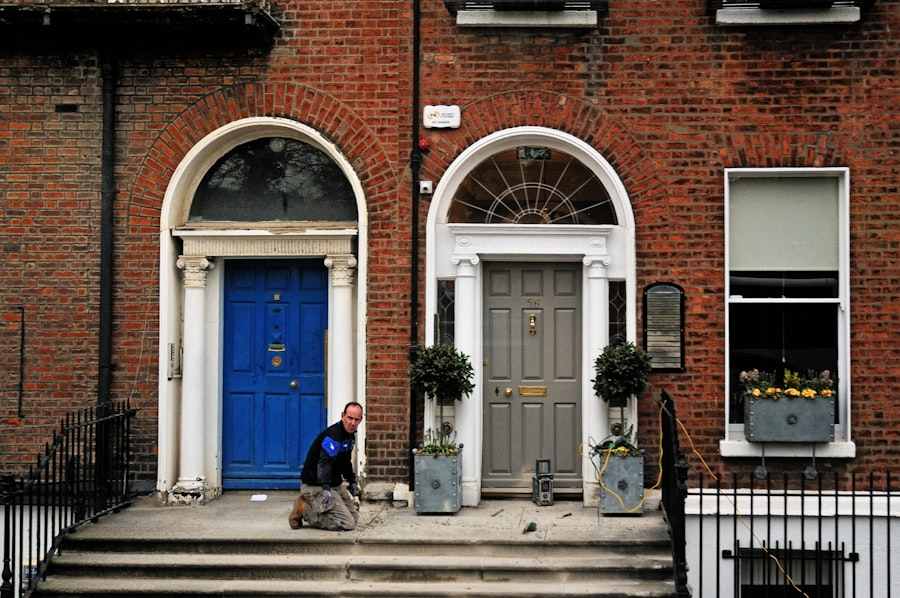
If you are searching for the most photogenic locations in Ireland, the Dublin colorful doors scene should be at the very top of your list. These iconic Georgian doorways, painted in every shade from cherry red to sunflower yellow, have become a visual signature of the city. Walking through Dublin's historic districts feels like stepping into a living art gallery where every facade tells a story. I have spent countless mornings and evenings chasing the perfect light on these streets, and in this guide I will share the ten best spots to capture your own masterpiece. Whether you are a seasoned photographer or a traveler with just a phone camera, these locations will reward you with stunning images that celebrate Dublin's unique architectural charm. The Dublin colorful doors are not just photo subjects — they are cultural landmarks that reflect centuries of history, design, and local pride. Let me take you on a visual journey through the city's most vibrant streets.
Pro Photography Tips: Arrive early between 7:00 AM and 9:00 AM during spring or autumn for soft, golden sidelight that makes paint textures pop. Use a polarizing filter to reduce glare from glossy doors and enhance color saturation. A wide-angle lens (16-24mm) works best for capturing the full doorway with its fanlight and surrounding brickwork.
1. Fitzwilliam Square North — The Iconic Georgian Row
Fitzwilliam Square North is arguably the most famous stretch of Dublin colorful doors in the entire city. This quiet, tree-lined square in the heart of Dublin 2 features a flawless row of Georgian townhouses, each with a door painted in a distinct color. The uniformity of the architecture — the black railings, the fanlights above the doors, the red brick facades — provides a perfect canvas for the burst of color at each entryway. You will find doors here in deep blue, forest green, mustard yellow, and classic crimson. The vibe here is elegant and serene, especially in the early morning when the street is empty and the light filters through the trees. The history of this square dates back to the 1820s when it was developed as a fashionable residential address for Dublin's elite. Today, it remains one of the most photographed locations in the city.
Best Camera Settings for Fitzwilliam Square
For this location, I recommend shooting at f/8 to f/11 to keep both the door and the surrounding architectural details in sharp focus. Set your ISO to 100 for the cleanest image quality. A shutter speed of around 1/125 second should work well in good light. If you are shooting in the shade, bump your ISO to 200 or 400 to maintain a fast enough shutter speed. The key to nailing the composition here is to stand directly across the street and use the row of doors as a repeating pattern that leads the eye through the frame. Include the black iron railings and the granite steps in your shot to add depth and context.
Walking Directions to Fitzwilliam Square North
From St. Stephen's Green, walk east along the north side of the park. Turn right onto Merrion Row, then take a left onto Fitzwilliam Street. Continue until you reach the square. The exact address for GPS navigation is Fitzwilliam Square North, Dublin 2. The nearest luas stop is St. Stephen's Green on the green line. Parking is extremely limited, so I recommend walking or taking public transport. Allow yourself at least 45 minutes to explore the entire square and capture different angles of the Dublin colorful doors here.
2. Merrion Square — The Artist's Palette
Merrion Square is another absolute treasure trove of Dublin colorful doors. This large Georgian square on the south side of the city is surrounded by some of the best-preserved townhouses in Dublin, and the doors here are famously vibrant. You will find shades of teal, lavender, burnt orange, and even a remarkable magenta. The lighting here is particularly beautiful in the late afternoon when the sun streams across the square, casting warm tones on the red brick and illuminating the door colors with a soft glow. Merrion Square Park sits in the center and adds a lovely green foreground to your photos. Many of the doors here feature ornate brass knockers, historical nameplates, and intricate fanlights that deserve close-up attention. The history of Merrion Square is deeply tied to Dublin's literary and political heritage — Oscar Wilde lived at number 1, and W.B. Yeats spent time at number 82.
Angles and Framing Tips
For the best composition at Merrion Square, try shooting from a low angle looking slightly upward to emphasize the grandeur of the doorways. You can also step back and include the park's greenery as a natural frame on either side of your image. Another excellent technique is to capture a door at an angle, showing the depth of the doorway and the steps leading up to it. The framing possibilities here are endless — use the black railings as leading lines, or position yourself so that a tree branch from the park frames the top corner of your shot. Do not forget to photograph the door numbers and brass details for a set of smaller-scale images that complement your wide shots.
- Best time: Late afternoon (3:00 PM to 5:00 PM) in spring or autumn for warm golden light.
- Recommended lens: 24-70mm zoom for versatility between wide and medium shots.
- Key doors to find: Numbers 1, 8, and 19 for especially bold colors.
The Dublin colorful doors around Merrion Square are so iconic that they have appeared in countless travel magazines and photography books. The square is also home to a weekend food market, so you can grab a coffee and a pastry while you compose your shots.
3. Fitzwilliam Street Lower — The Longest Row of Georgian Doors
Fitzwilliam Street Lower holds the record for the longest uninterrupted row of Georgian houses in Dublin, and it is a prime location for photographing Dublin colorful doors. This street runs parallel to Merrion Square and features dozens of doors in a spectacular array of colors. The vibe here is more urban and bustling compared to the quiet of the squares, but that energy adds a different kind of appeal to your photos. You will notice that many of the doors here have been painted in recent years as part of a preservation effort, so the colors are exceptionally fresh and vivid. The street is also home to several medical offices and professional buildings, which means the doors are well-maintained and often feature beautiful original hardware.
Composition Techniques for Long Rows
When photographing Fitzwilliam Street Lower, try positioning yourself at one end of the street and shooting down the row using a telephoto lens (70-200mm) to compress the perspective. This technique makes the doors appear stacked closely together, creating a visually striking pattern of colors. Alternatively, use a wide-angle lens and stand in the middle of the street (carefully watching for traffic) to capture the full sweep of facades. The lighting here is best in the morning when the sun illuminates the north side of the street. Cloudy days work surprisingly well too, as the diffused light prevents harsh shadows and makes the door colors appear more saturated.
- Camera setting for row shots: f/8, ISO 100, shutter speed 1/250 second.
- Best spot to start: The junction of Fitzwilliam Street and Baggot Street.
- Pro tip: Include a person walking past one of the doors for scale and human interest.
The Dublin colorful doors on this street are a favorite among architectural photographers because the uniformity of the buildings allows the door colors to truly shine. Take your time walking the full length of the street and note which doors catch your eye. You will likely spend an hour here without even noticing the time pass.
4. Mountjoy Square — The Quiet Hidden Gem
Mountjoy Square in Dublin 1 is a lesser-known location that offers some of the most photogenic Dublin colorful doors in a calm and uncrowded setting. This large Georgian square was completed in the early 19th century and features a mix of residential and institutional buildings. The doors here are painted in wonderful colors, including soft pink, sage green, duck egg blue, and warm terracotta. What makes Mountjoy Square special is the sense of peace — you will often have the entire square to yourself, especially on weekday mornings. The vibe is residential and authentic, with locals going about their daily lives and children playing in the central park. This is a spot where you can take your time setting up each shot without feeling rushed.
History and Character of Mountjoy Square
Mountjoy Square was designed as a high-status residential area in the 1790s, but it fell into decline during the 20th century before undergoing significant restoration. Today, it stands as a testament to Dublin's architectural resilience. The doors here are not as uniformly restored as those in Fitzwilliam Square, which gives them a charmingly lived-in character. You will notice chipped paint, weathered brass, and doors that have been repainted in slightly different shades over the years. This imperfection adds authenticity and texture to your photographs. The Dublin colorful doors of Mountjoy Square tell a story of survival and renewal.
Best Walking Route for Mountjoy Square
To reach Mountjoy Square, take the Luas red line to Broadstone station and walk south for about five minutes. Or, from O'Connell Street, walk north along Gardiner Street and turn left onto Mountjoy Square West. I recommend walking the entire perimeter of the square in a clockwise direction, starting from the west side and moving north, east, and south. This route ensures you see every door and can choose your favorites as the light changes. Allow 30 to 45 minutes for a thorough photo session here. The Dublin colorful doors on the north side receive the best morning light, while the south side is ideal in the afternoon.
Pro Photography Tips: For the most dramatic images, shoot during or just after a light rain shower. The wet cobblestones reflect the door colors, and the moisture deepens the saturation of the paint. Use a fast shutter speed (1/500 second) to capture raindrops in midair, or slow down to 1/30 second for artistic motion blur in the rain.
5. Henrietta Street — The Historical Facade
Henrietta Street is one of Dublin's most historically significant streets, and its Dublin colorful doors are a must-photograph for any visitor. This street was built in the 1720s and was once the most fashionable address in the city. Today, it features a mix of restored and unrestored Georgian houses, with doors painted in deep burgundy, navy blue, dark green, and rich cream. The framing here is exceptional because the street is relatively narrow, allowing you to capture both the doors and the full height of the buildings in a single frame. The vibe is solemn and grand — you can feel the weight of history as you walk along the cobblestones. The street is also home to the Dublin Tenement Museum, which offers tours that provide fascinating context about the lives of the people who lived here.
Camera Settings for Narrow Streets
Because Henrietta Street is narrow, you will want to use a wide-angle lens (16-24mm) to capture the full doorways without having to stand too far back. Set your aperture to f/8 for a good depth
💬 Comments (0)
No comments yet. Be the first!