Top 10 Oslo Modern Architecture Photo Spots 2026
Discover Oslo modern architecture photo spots in 2026: top locations like Barcode, Opera House, and Munch Museum.
Top 10 Oslo Modern Architecture Photo Spots 2026
If you are searching for the best Oslo modern architecture photo spots, you have come to the right place. Oslo has undergone a remarkable architectural renaissance over the past two decades, transforming its waterfront into a dazzling showcase of contemporary design. From the gleaming slopes of the Opera House to the jagged skyline of the Barcode Project, this city is a dream destination for any photographer passionate about modern structures. In this guide, I will walk you through the top ten locations that deserve a spot on your camera roll in 2026. We will talk about the best lighting, the most flattering angles, how to frame each shot for maximum impact, and the unique vibe that makes each place special. Grab your wide-angle lens, charge your batteries, and let us explore the most photogenic modern architecture Oslo has to offer.
1. The Oslo Opera House - The Iconic Fjord Landmark
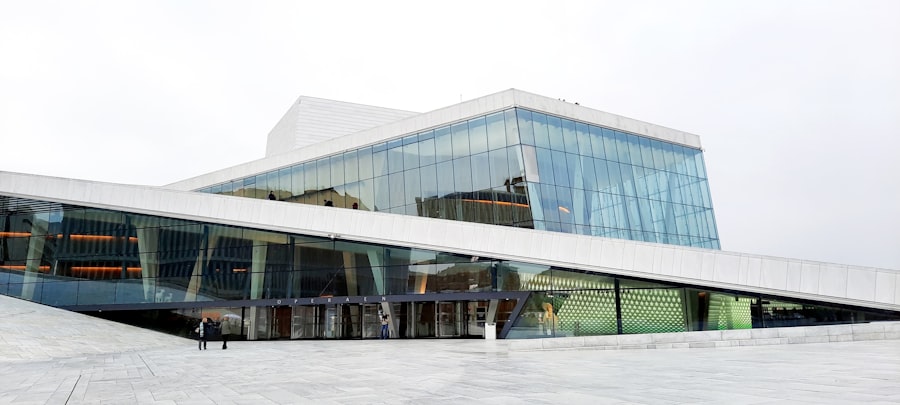
No list of Oslo modern architecture photo spots would be complete without the Oslo Opera House. Designed by the Norwegian firm Snohetta and completed in 2007, this building looks like a glacier rising from the Oslofjord. Its angled white marble roof invites you to walk all the way to the top, offering a panoramic view of the city and the water. The vibe here is pure Scandinavian elegance: clean, bright, and open to the elements. For the best lighting, arrive at sunrise when the low sun casts warm tones across the marble surface. Use a wide-angle lens to capture the sweeping lines of the roof leading toward the fjord. A polarizing filter helps reduce glare from the white stone. For composition, position yourself at the base of the main ramp and shoot upward to emphasize the building's dramatic slope. Alternatively, climb to the top and shoot back toward the city skyline for a stunning urban landscape. The reflection of the building in the calm morning water is a must-capture. You can reach the Opera House easily by walking from the central station or taking tram 13 to Bjorvika. Spend at least an hour here exploring different angles as the light changes.
Pro Photography Tips: Use a focal length of 16-24mm to exaggerate the leading lines of the roof. Shoot in raw format to preserve detail in the bright marble and deep shadows. A tripod is essential for long-exposure shots of the water reflection at dawn.
2. The Barcode Project and Sorenga - A Futuristic Urban Corridor
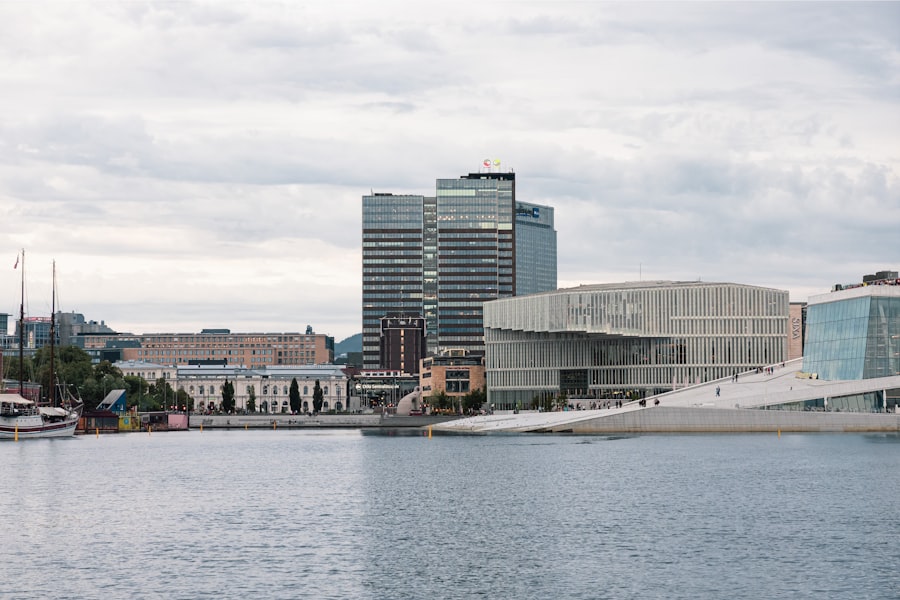
The Barcode Project is a row of high-rise buildings along the waterfront that resembles a barcode when viewed from the side. Each tower has a distinct design, and together they create one of the most recognizable skylines in Scandinavia. This area is a goldmine for Oslo modern architecture photo spots because of the variety of textures, glass facades, and geometric patterns. The best time to photograph the Barcode is during the golden hour, when the low sun creates warm reflections on the glass. For a classic shot, stand on the pedestrian bridge near the Opera House and align your camera so the towers stack into a tight row. You can also walk between the buildings to capture dramatic upward angles that emphasize their height. The nearby Sorenga neighborhood offers a more relaxed vibe with colorful apartment blocks, wooden boardwalks, and small beaches. The contrast between the sleek Barcode towers and the cozy Sorenga houses makes for compelling street photography. To get here, take the bus to Dronning Eufemias gate or walk from Oslo Central Station in about ten minutes.
Best Photo Walks for the Barcode Row
Start at the eastern end near the Munch Museum and walk westward along the water. Stop at the small park between the towers for a perfectly symmetrical shot looking straight down the row. From here, you can frame the buildings with trees in the foreground for a natural contrast. For a different perspective, cross the bridge to the island of Sorenga and shoot back toward the Barcode. The distance allows you to capture the entire row in one frame, especially stunning at sunset when the sky turns orange and pink. Use a telephoto lens around 70-100mm to compress the towers together, making them look even more密集.
The Sorenga Seafront Vibe
Sorenga itself is a photographer's delight. The modern residential blocks are painted in pastel colors, and the pedestrian-only streets are lined with cafes and small shops. The vibe here is laid-back and youthful, perfect for candid lifestyle shots. The wooden piers and floating saunas add a distinctly Norwegian touch. For composition, use the boardwalk as a leading line toward the Barcode in the background. This area works best in the late afternoon when the sun illuminates the facades from the side. You can easily spend two hours here walking from one end to the other.
3. The Astrup Fearnley Museum and Tjuvholmen - Art, Design and Water
The Astrup Fearnley Museum, designed by Renzo Piano, is a stunning example of modern museum architecture. Its glass-and-wood roof resembles the sail of a ship, and the building sits right on the water's edge in the Tjuvholmen district. The vibe here is sophisticated and airy, with the museum's reflective surfaces blending seamlessly with the fjord. This is one of the most elegant Oslo modern architecture photo spots you will find. For the best lighting, visit in the late afternoon when the sun hits the glass roof from the south, creating a beautiful play of light and shadow. Use a wide-angle lens to capture the full sweep of the roof and its reflection in the water. A key angle is from the footbridge connecting Tjuvholmen to the mainland, where you can frame the museum with the opera house in the distance. Walk around the building completely to find hidden corners and reflections in the polished concrete. The museum is a fifteen-minute walk from the city center along the waterfront promenade.
The Outdoor Sculpture Garden Frames
The Tjuvholmen Sculpture Park surrounds the museum and features works by artists like Damien Hirst and Franz West. The combination of contemporary sculpture and modern architecture creates endless framing opportunities. Use the sculptures as foreground elements to add depth to your shots of the museum. The low concrete walls and wooden benches also make great leading lines. The vibe here is calm and contemplative, with the sound of water lapping against the docks. Early morning light casts long shadows that emphasize the shapes of the sculptures. A 24-70mm lens is ideal for this area, allowing you to switch between wide shots and details.
Pro Photography Tips: Get low to the ground to include the water in the foreground for a layered composition. Use a small aperture like f/11 to keep both the foreground sculpture and the building in sharp focus. The blue hour after sunset creates a magical mood with the museum's illuminated interior.
4. The Deichman Bjorvika Library - A Temple of Light
The Deichman Bjorvika Library, also designed by Lund Hagem and Snohetta, opened in 2020 and immediately became a landmark. Its striking glass facade is wrapped in a pattern of white and black, creating a sense of motion even when the building is still. Inside, the open floor plan and cascading staircases are a photographer's paradise. The vibe here is bright, welcoming, and intellectual. For exterior shots, the best time is late afternoon when the sun filters through the glass and illuminates the interior. Stand directly in front of the main entrance to capture the full facade, or shoot from an angle to emphasize the building's dynamic form. For interior photography, the central staircase is the star. Use a wide-angle lens and shoot from the bottom looking up to capture the full height of the atrium. Alternatively, shoot from the upper floors looking down at the patterns on the floor. The library is open late on weekdays, and the lighting inside is warm and even. You will find it right next to the Opera House, so you can easily combine both locations in one outing. This is without a doubt one of the most photogenic Oslo modern architecture photo spots for both exterior and interior work.
- Best exterior angle: From the plaza in front using a 16mm lens to capture the full facade and sky reflection.
- Best interior angle: From the fourth floor looking down the spiral staircase with a 24mm tilt-shift lens.
- Best time: Late afternoon for warm light on the glass, or evening for the interior glow.
5. The Munch Museum - A Tower of Bold Expression
The new Munch Museum, designed by estudio Herreros, is a towering 13-story structure clad in perforated aluminum panels. Its bold, angular form stands in stark contrast to the more organic shapes of the Opera House across the water. The vibe here is modern, edgy, and dramatic. For photographers, the museum offers a wealth of opportunities both inside and out. The exterior is best photographed from the water side, where the building's reflection creates a double image in the fjord. Use a polarizer to cut through the glare and bring out the deep blue of the aluminum panels. A 50mm lens works well for isolating architectural details like the geometric patterns on the facade. Inside, the top-floor cafe offers a stunning view of the Barcode and the fjord, making it a great spot for a wide-angle panorama. The museum is located just east of the Opera House, a five-minute walk along the waterfront. For a unique shot, include the nearby bridge in your composition to add a human scale to the massive building. The Munch Museum is a must-visit for anyone serious about Oslo modern architecture photo spots.
6. The National Museum of Art, Architecture and Design
The National Museum, which opened in 2022, is the largest museum in the Nordic region. Its understated exterior of bronze and glass belies a massive interior filled with natural light. The vibe here is grand, minimal, and refined. The main hall, with its soaring glass ceiling and white walls, is a photographer's dream for clean, modern lines. The best time to visit is midday when the sun streams through the skylight, creating dramatic pools of light on the floor. Use a wide-angle lens to capture the full scale of the hall. For exterior shots, the building's main facade on Universitetsgata offers a symmetrical composition with the bronze panels reflecting the sky. The rooftop terrace provides a panoramic view of the city, with the Parliament building and the Royal Palace in the foreground. The museum is located in the city center, a short walk from the National Theatre station. Plan to spend at least 90 minutes here, as the interior architecture is just as impressive as the art collection.
The Rooftop Terrace View
The rooftop terrace is one of Oslo's best-kept secrets for urban photography. From here, you can capture the juxtaposition of old and new: the traditional buildings of the city center against the modern towers of Bjorvika. The terrace is open to the public and free to access during museum hours. Use a telephoto lens to compress the layers of the city skyline. The golden hour light from this vantage point is simply stunning. This is an excellent spot for a panoramic stitch of the entire Oslo skyline.
7. The Edge, The Silver City and Radisson Blu - High-Rise Glamour
The Edge is a striking glass tower near the central station, while the Silver City towers add a futuristic gleam to the skyline. The Radisson Blu Plaza Hotel, with its iconic cylindrical shape, has been a landmark since 1990. Together, these high-rises form a modern cluster that is perfect for architectural photography. The vibe here is urban, fast-paced, and dynamic. For the Edge, shoot from the corner of the park across the street to capture its sharp angles and glass curtain wall. For the Silver City, walk to the waterfront near the Opera House and use a 70-200mm lens to isolate the twin towers against the sky. The Radisson Blu is best photographed at blue hour, when its circular form is illuminated against the darkening sky. To capture all three in one frame, stand on the bridge near the central station and use a wide-angle lens. The contrast between the round Radisson and the angular Edge makes for a compelling composition. These buildings are all within walking distance of each other, making it easy to shoot them in a single session.
- Edge: Best angle from the west side at sunrise for warm glass reflections.
- Silver City: Best angle from the opera roof at sunset for a full skyline profile.
- Radisson Blu: Best angle from the park at blue hour for a glowing cylindrical silhouette.
8. Practical Tips for Photographing Oslo Modern Architecture
To make the most of your Oslo modern architecture photo spots tour, you need to plan your timing and gear carefully. The lighting in Oslo changes dramatically with the seasons. In summer, the sun sets very late, giving you extended golden hours that last until nearly midnight. In winter, the sun stays low on the horizon all day, creating soft, diffused light that is perfect for architecture. I recommend visiting between late April and early September for the longest days and the warmest light. A tripod is essential for low-light shots and long exposures of reflective surfaces. A wide-angle zoom like a 16-35mm is your best friend for capturing the full scale of these buildings. A polarizing filter will help manage reflections on glass and water. And do not forget to bring a microfiber cloth to wipe off any sea spray, especially if you are shooting near the fjord. The weather in Oslo can change quickly, so carry a rain cover for your camera.
- Essential gear: Wide-angle zoom, polarizing filter, sturdy tripod, rain cover, and a remote shutter release.
- Best season: Late spring to early autumn (May to September) for long golden hours.
- Recommended apps: PhotoPills for planning sun angles, and Google Maps for walking routes.
9. Where to Stay and How to Get Around
For easy access to the best Oslo modern architecture photo spots, base yourself in the Bjorvika district or the city center. Hotels like the Thon Hotel Opera or the Radisson Blu Plaza put you within walking distance of almost every location on this list. The public transportation system is excellent, with trams, buses, and a metro that connects all parts of the city. I recommend buying a 24-hour or 72-hour travel pass for unlimited rides. Most of the architecture spots are clustered along the waterfront, so you can easily walk from one to the next. The entire route from the Opera House to Tjuvholmen is about 2.5 kilometers and takes roughly 30 minutes on foot, not counting photo stops. For more information on visiting Oslo, check out TripAdvisor's Oslo architecture page and Lonely Planet's Oslo guide for additional tips and recommendations.
10. Final Thoughts on Capturing Oslo's Modern Skyline
Oslo is a city that rewards patience and curiosity. Each of these Oslo modern architecture photo spots offers something unique, whether it is the reflective stillness of the Opera House at dawn or the bustling energy of the Barcode at golden hour. The key to great architectural photography is to see the buildings not just as structures, but as compositions of light, shadow, line, and texture. Walk around each location completely. Change your height by crouching or climbing to a higher vantage point. Wait for the light to shift. And most importantly, enjoy the process of discovery. Oslo's modern architecture tells the story of a city looking confidently toward the future while staying rooted in its natural surroundings. I hope this guide helps you capture your own stunning images of this incredible Nordic capital. Now get out there, start shooting, and make the skyline your own.
Frequently Asked Questions
What makes Oslo's modern architecture unique for photography?
Oslo blends sleek Scandinavian design with natural elements like fjords and forests, creating striking contrasts and clean lines perfect for modern architecture photography.
Do I need a special permit to photograph these spots?
No, all listed spots are public spaces or streets, so no permits are needed for personal or non-commercial photography.
Which time of day is best for shooting Oslo's architecture?
Golden hours around sunrise and sunset provide warm, dramatic light that enhances the reflective surfaces and geometric shapes.
Are there any hidden photography spots in Oslo?
Yes, spots like the roof of the Opera House and the Oslo Public Library courtyard offer less crowded angles with unique perspectives.
Is drone photography allowed at these locations?
Drone use is restricted in most of Oslo's city center due to regulations; check local drone zones before flying.
💬 Comments (0)
No comments yet. Be the first!