Top 10 Vienna Metro Photo Spots 2026
Discover the most photogenic Art Nouveau metro stations in Vienna. A curated guide to 10 must-see U-Bahn stops for 2026 photography.
Top 10 Vienna Metro Photo Spots 2026
If you are looking for the best Vienna metro photo spots to capture the soul of Austria's capital in 2026, you have landed on the right guide. The Vienna U-Bahn system is not just a way to get around; it is a museum of modern and historic architecture, a stage for street photography, and a goldmine for anyone who loves trains, stations, and urban design. In this post, I will walk you through ten exceptional locations, explaining exactly where to stand, what time of day to shoot, and how to compose your frames for maximum impact.
1. Karlsplatz Station: Jugendstil Jewel at Dawn
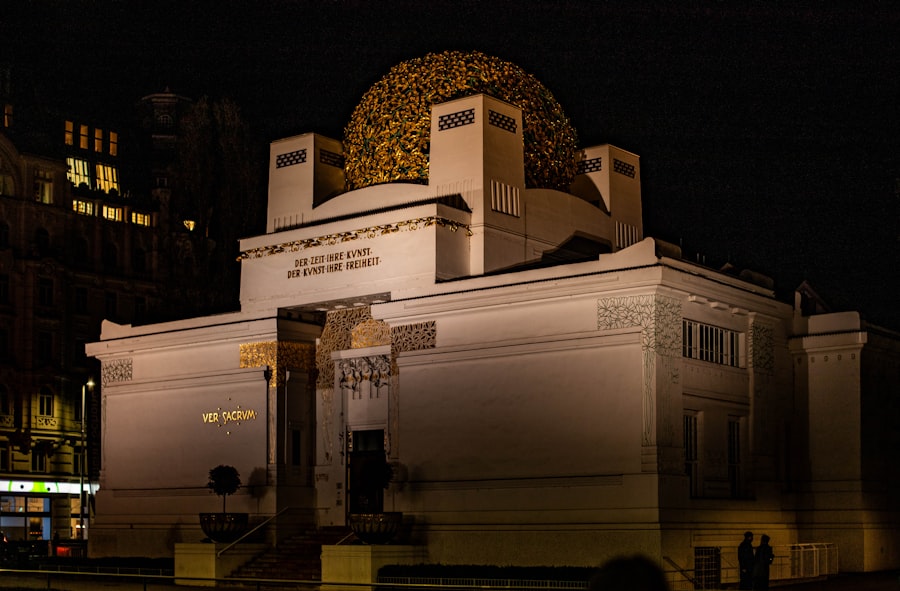
Karlsplatz is arguably the crown jewel of Vienna metro photo spots. The station features two original Jugendstil pavilions designed by Otto Wagner, which now serve as a cafe and a museum. The contrast between the historic golden domes and the sleek modern trains is a photographer's dream. For the best lighting, arrive at sunrise when the low sun catches the copper-green patina of the pavilion roofs. Use a wide-angle lens (16-24mm) to include both the pavilion and the approaching train. Set your aperture to f/8 for sharpness from front to back. Walk from the Karlsplatz exit toward the Resselpark side; you will find a small bridge that offers an elevated view over the tracks. This spot gives you perfect symmetry and leading lines.
Pro Photography Tips: For a silky smooth train motion, set your shutter speed to 1/15s and use a tripod or brace against a railing. The blue hour light (30 minutes after sunset) turns the pavilion lights into glowing orbs. Bracket your exposures to handle the high dynamic range between the station interior and the evening sky.
History and Architecture
Otto Wagner designed these pavilions between 1897 and 1899 as part of the Vienna Stadtbahn. The floral motifs, symmetrical lines, and gold accents are pure Viennese Art Nouveau. The pavilions survived demolition plans in the 1960s and were restored in the 1970s. Today, they are a UNESCO World Heritage site candidate. The contrast of the historic structure with the modern U-Bahn trains creates a powerful visual narrative about Vienna's relationship with progress and tradition.
Camera Settings and Composition
Use a focal length of 24mm to capture the full facade of the pavilion. For train photography, switch to shutter priority mode. At 1/30s, you will get a slight motion blur on the train while keeping the station sharp. Frame the shot so that the train enters from the left or right third of the image, following the rule of thirds. The golden dome should anchor the opposite third. Include the cobblestone path in the foreground for depth. If you have a polarizing filter, use it to reduce reflections on the glass of the pavilion cafe.
Exact Walking Directions
Take the U1, U2, or U4 to Karlsplatz station. Exit via the Resselpark exit (signposted to the Musikverein). Walk 50 meters toward the large fountain. The pavilion is on your right. For the elevated view, continue across the footbridge that crosses the track cutting. Stand in the middle of the bridge for a symmetrical composition. The train frequency is every 3-5 minutes during peak hours, so be patient and wait for a clean train in good light.
2. Stephansplatz Station: Cathedral Views Underground
Stephansplatz station offers one of the most dramatic contrasts in any Vienna metro photo spots list. The station itself is modern and minimalist, but the exit leads you directly to St. Stephen's Cathedral. The best photo is from the bottom of the escalator, looking up through the glass canopy toward the cathedral spire. For this shot, use a wide-angle lens at 14-18mm. The lighting here is tricky: the underground area is dim, while the cathedral is bright. Take three bracketed shots (-2, 0, +2 EV) and merge them in post-processing. The best time is midday when the sun is directly above the cathedral, casting light down the escalator shaft. The vibe here is electric, with commuters rushing past and tourists craning their necks upward.
Composition and Framing
Kneel at the bottom of the escalator to get a low angle that emphasizes the height of the glass ceiling. Include the escalator handrails as leading lines that point directly to the cathedral spire. If you wait for a person in a red coat or a bright umbrella, you will add a strong focal point to the frame. The contrast between the blue-green escalator glass and the warm sandstone of the cathedral creates a natural color palette. Use a slow shutter speed (1/8s) to blur the moving escalator steps while keeping the cathedral sharp. This creates a sense of motion and timelessness.
Best Camera Settings
- Lens: 14-24mm wide-angle zoom or a fixed 18mm
- Aperture: f/8 for depth of field from the escalator to the spire
- ISO: 400-800 due to low light in the station
- Shutter: 1/8s to 1/15s for motion blur on the escalator
- White balance: Daylight or Cloudy to keep the cathedral warm
Walking Directions
Take the U1 or U3 to Stephansplatz. Follow signs to Stephansdom exit. Once you reach the main underground hall, look for the escalator that goes directly up to the square. Position yourself at the base of this escalator. The best spot is on the left side (facing up) because the glass canopy is clearer there. Arrive at 11:30 AM for the best overhead light. On rainy days, the wet cobblestones above reflect the cathedral, adding another layer to your photo.
3. Praterstern: The Riesenrad and Retro Trains
Praterstern station is a paradise for fans of Vienna metro photo spots who also love amusement parks and vintage design. The station sits right next to the famous Riesenrad (Giant Ferris Wheel) from 1897. The modern U-Bahn station has a curved glass roof that echoes the shape of the ferris wheel. For the best shot, stand on the platform of the U1 line and frame the ferris wheel through the glass panels of the station. Use a telephoto lens (85-135mm) to compress the distance and make the wheel appear larger behind the train. The golden hour light here is spectacular: the setting sun turns the ferris wheel cabin windows into glowing dots. The vibe is joyful and nostalgic, especially when the amusement park lights come on at dusk.
Pro Photography Tips: If you want to capture the retro red U-Bahn trains against the modern station, set your camera to continuous shooting mode and fire a burst as the train enters the frame. Pick the frame where the train is perfectly aligned with the ferris wheel behind it. Use a shutter speed of 1/250s to freeze both the train and the wheel.
History of the Riesenrad
The Riesenrad was built in 1897 for the Golden Jubilee of Emperor Franz Joseph I. It is one of the oldest surviving ferris wheels in the world. During World War II, the wheel was damaged but was rebuilt in 1947. Today, it is a symbol of Vienna. The contrast between this historic landmark and the sleek U-Bahn station (renovated in 2008) is a visual metaphor for the city itself: old and new coexisting in harmony.
Composition Tips
Use the station's curved glass roof as a frame within a frame. The reflections in the glass can double the visual impact. For a creative angle, lie on your back on the platform and shoot straight up through the glass toward the ferris wheel. The steel structure of the station roof will create a geometric pattern. Another great spot is the bridge that connects the station to the Wurstelprater amusement park. From here, you can shoot the trains arriving with the ferris wheel perfectly centered behind them.
Walking Directions
Take the U1 or U2 to Praterstern. Exit the station via the main hall and walk toward the obvious giant ferris wheel. The best platform for photos is Platform 1 (direction Leopoldau) because it offers the clearest view of the wheel. For the bridge view, exit the station and walk 100 meters toward the main entrance of the Prater. The bridge crosses the tracks and gives you a 10-meter elevated viewpoint. Train frequency is every 3 minutes during the day.
4. Schonbrunn Station: Palace Arrival Shot
Schonbrunn station on the U4 line is one of the most atmospheric Vienna metro photo spots, especially in autumn when the trees along the station platform turn gold and orange. The station itself is an above-ground stop with a charming old signal box and ironwork details that date back to the original Stadtbahn. The view from the platform toward the palace is framed by chestnut trees. Use a telephoto lens (70-200mm) to compress the view of the palace facade behind the train. The best lighting is in the late afternoon (3-5 PM) when the sun illuminates the palace from the side. The vibe here is serene and royal, with the sound of trains mixing with birdsong from the palace gardens.
History of the Station
Schonbrunn station was part of Otto Wagner's original Stadtbahn network, opened in 1898. The station building retains its historic green and white color scheme and features Wagner's signature geometric floral ornaments. The station serves the Schonbrunn Palace complex, a UNESCO World Heritage site that was the summer residence of the Habsburgs. The contrast between the functional railway architecture and the baroque grandeur of the palace is a favorite subject for photographers.
Camera Settings and Angles
For the classic shot, stand at the far end of the platform (direction Heiligenstadt) and frame the palace between the station pillars. Set your aperture to f/5.6 to blur the foreground slightly while keeping the palace sharp. Use a shutter speed of 1/1000s to freeze any passing trains. If you want to include the historic signal box, walk to the other end of the platform and use a 24mm wide-angle to capture the entire scene. The signal box with its levers and red roof makes a great foreground element.
- Best time: October, 4 PM, when the sun is low and warm
- Lens: 70-200mm for compression, 24mm for wide shots
- Aperture: f/5.6 to f/8 for balanced sharpness
- Color profile: Vivid or Landscape to enhance the autumn tones
- Don't forget a lens hood to avoid flare from the low sun
Walking Directions
Take the U4 to Schonbrunn station. From the station, go to the platform that faces the palace side (direction Heiligenstadt). Walk to the far end of the platform, past the shelter, until you have a clear view of the palace through the trees. For the wide shot with the signal box, walk to the opposite end of the platform (direction Hutteldorf). The signal box is on the left side as you face the tracks. The palace is visible after a 5-minute walk through the station underpass toward the main entrance.
5. Hietzing Station: Charming Suburban Stop
Hietzing station is a hidden gem among Vienna metro photo spots. It is also on the U4 line, one stop before Schonbrunn, and has a completely different character. The station is located in a quiet, leafy suburb with beautiful old apartment buildings and a historic market square. The station building itself is a small, two-story structure with green shutters and flower boxes. The platform is narrow and intimate, with a single track. The vibe is peaceful and residential. The best photos here focus on the station as part of the neighborhood: a train arriving with a backdrop of trees and old Viennese facades. Use a 35mm or 50mm lens to capture the scene as it feels to the human eye.
Composition and Framing
Stand on the opposite side of the street from the station entrance and frame the train as it arrives between the two rows of trees. The low winter sun (November to February) casts long shadows that emphasize the station's texture. Use a small aperture (f/11) to keep both the train and the background buildings in focus. For a more candid shot, wait for a local resident to walk past the station entrance. The contrast between the modern U-Bahn train and the historic apartment buildings (built around 1900) is subtle but powerful.
Lighting and Best Time
The best light is in the morning, around 9-10 AM, when the sun is behind the station and lights up the facades on the opposite side. This creates a warm, golden glow on the buildings while the station itself is in soft shadow. In spring (April), the trees on the platform are covered in bright green leaves, and the flower boxes at the station entrance are in full bloom. Use a polarizing filter to saturate the green tones and reduce glare from the train windows.
Walking Directions
Take the U4 to Hietzing station. Exit the station toward the Hietzinger Markt (market). Cross the street to the small park opposite the station entrance. From here, you have a clear view of the station building and the tracks. For the train arrival shot, walk 50 meters down the street toward the market and turn around. The train approaches from the Schonbrunn direction. Trains run every 5-7 minutes during the day. Bring a warm drink in winter; this spot rewards patience.
6. Donauinsel Station: Modern Lines and River Views
Donauinsel station on the U1 line is a completely different world from the historic stations of the U4. This is modern, bold, and futuristic. The station is elevated above the Danube Island, with a long, sweeping glass canopy that curves like a wave. The platform offers panoramic views of the Danube River, the surrounding parks, and the distant skyline of Vienna. For the best Vienna metro photo spots, this station is ideal for lovers of modern architecture and minimalism. Use a wide-angle lens (16mm) to capture the entire curve of the canopy. The best lighting is on a cloudy day when the soft, diffused light eliminates harsh shadows and brings out the texture of the concrete and glass.
Composition and Angles
Walk to the very end of the platform (direction Leopoldau) and shoot back along the length of the canopy. The repeating pillars and the curve of the roof create a strong sense of perspective. Include a train in the frame for scale and motion. For a more dynamic shot, stand underneath the canopy and shoot straight up to capture the geometric patterns of the glass panels and steel beams. The reflection of the sky in the glass adds an extra layer of interest. Another great angle is from the pedestrian bridge that crosses the Danube to the station. From here, you can capture the entire station silhouette against the river.
Camera Settings
- Lens: 16-24mm wide-angle for architecture, 50mm for compressed river views
- Aperture: f/8 for landscape depth, f/2.8 for creative blur of the canopy
- ISO: 100 to 200 for clean, sharp images
- Shutter: 1/500s to freeze trains, 1/30s for motion blur of pedestrians
- White balance: Shade or Cloudy to keep the concrete cool and moody
Walking Directions
Take the U1 to Donauinsel station. Exit the train and go to the platform level. Walk to the far end of the platform (toward Leopoldau) to get the full curve of the canopy. For the pedestrian bridge view, exit the station and follow the signs to the Danube Island. Walk across the bridge that connects the station to the island. The bridge is about 100 meters from the station exit. The best time is late afternoon (4-6 PM) in spring or autumn when the light is golden and the river sparkles. The vibe here is sporty and relaxed, with joggers, cyclists, and families enjoying the island park.
7. Volkstheater Station: Art Nouveau Underground
Volkstheater station on the U2 line is a masterpiece of underground design. The station features original Otto Wagner tiles in cream and green, with geometric patterns on the walls and floors. The lighting is warm and indirect, creating a soft, golden vibe. This is one of the most photogenic interior stations among the Vienna metro photo spots. The best shot is from the mezzanine level, looking down at the platform. Use a 24-70mm lens at 35mm to capture the symmetry of the columns and the tile work. The best time is mid-morning (10-11 AM) when the station is quiet and the light from the entrance shafts creates soft pools of illumination.
Pro Photography Tips: For the best results, use a tripod and take a long exposure (2-4 seconds) to capture the trains as blurred streaks of color against the stationary architecture. The green and cream tiles will act as a perfect frame for the red and white trains. Set your white balance to Tungsten to keep the warm station lighting looking natural.
History and Design
Volkstheater station opened in 1980 as part of the U2 extension, but its design was inspired by Otto Wagner's original style. The tiles are a direct tribute to the Jugendstil stations of the Stadtbahn. The station is named after the nearby Volkstheater, a major theatre that opened in 1889. The station's design reflects Vienna's commitment to blending modern infrastructure with historic aesthetics. The green color scheme is particularly striking because it is rarely used in metro stations worldwide.
Composition Tips
Use the columns as leading lines to guide the eye toward the end of the platform. Frame a train so that it sits perfectly between two columns. For a more abstract shot, focus on the tile patterns alone, without trains or people. The repetition of the green squares and cream rectangles creates a satisfying geometric abstraction. For a human element, wait for a single commuter in a bright coat to stand at the center of the platform. The contrast between the person and the geometric background is pure street photography gold.
Walking Directions
Take the U2 to Volkstheater station. From the train, go up the escalator to the mezzanine level. Walk to the center of the mezzanine and look down at the platform. This is your best vantage point. For the tile detail shots, walk down to the platform level and examine the walls. The best-preserved tile work is near the exit toward the Volkstheater itself. The station is not too busy, especially on weekday mornings. Bring a flash if you want to fill in shadows under the columns.
8. Rathaus Station: City Hall Grandeur
Rathaus station on the U2 line is located right next to the magnificent Vienna City Hall (Rathaus), a neo-Gothic building from the 19th century. The station itself is modern, with a large glass entrance that reflects the city hall. The best photo opportunity is from the station exit, using the glass panels to create a reflection shot of the Rathaus. For the best Vienna metro photo spots, this location is perfect for architectural reflections and dramatic skies. Use a polarizing filter to enhance the reflection in the glass. The best time is late afternoon (3-5 PM) when the sun illuminates the front of the city hall.
Composition and Framing
Stand at the main entrance of the station and position yourself so that the glass wall reflects the Rathaus while also showing the interior of the station. This double exposure effect is easy to achieve with a single shot. Use a focal length of 24-35mm to include both the reflection and the station interior. For a more direct shot, step outside and stand in the Rathauspark, using the station's glass roof as a foreground element. The contrast between the Gothic spires and the clean glass lines of the station is striking.
Best Camera Settings
For the reflection shot, use a small aperture (f/11) to keep both the reflection and the station interior sharp. Set your focus point to the reflection of the Rathaus (about 50 meters away). Use a shutter speed of 1/250s to freeze any people walking through the station. For the direct shot from the park, use a wide-angle lens (16-24mm) and include the station entrance at the bottom of the frame. The leading lines of the park paths will guide the eye toward the station and the city hall behind it.
- Best time: 4 PM in October, when the sun casts long shadows from the Rathaus
- Lens: 24-70mm for versatility, 16mm for the wide reflection shot
- Aperture: f/11 for maximum depth of field
- ISO: 100 for clean reflections
- Use a lens cloth: the glass at the station entrance can be dusty
Walking Directions
Take the U2 to Rathaus station. Exit via the main exit that leads to the Rathauspark. The glass entrance structure is directly in front of you. For the reflection shot, stand about 5 meters back from the glass and frame the city hall in the reflection. For the direct shot, walk 50 meters into the park and turn around. The station and the Rathaus will be perfectly aligned. The best time is on a clear autumn day when the leaves on the park trees are golden.
9. Spittelau Station: Hundertwasser Color Explosion
Spittelau station on the U4 and U6 lines is a riot of color and whimsy, designed by the artist Friedensreich Hundertwasser. The station features a plant-covered roof, colorful tiles, uneven floors, and golden domes. This is perhaps the most unique of all the Vienna metro photo spots. The station is attached to the Spittelau waste incineration plant, also designed by Hundertwasser, which adds to the surreal vibe. Use a wide-angle lens (16mm) to capture the full facade of the station. The best lighting is on a bright, overcast day when the colors are saturated without harsh shadows. The vibe here is playful and artistic, unlike any other metro station in the world.
History and Art
Hundertwasser was commissioned to redesign the Spittelau incineration plant in 1989 after a fire damaged the original building. He added colorful tiles, golden spheres, and a chimney shaped like a bottle. The adjacent metro station was redesigned to match, with colorful columns, a undulating roof, and a rooftop garden. Hundertwasser's philosophy was that every building should be in harmony with nature, which is why the station is covered in plants and trees. The station officially opened in 1995 and has been a tourist attraction ever since.
Composition Tips
Stand on the opposite side of the street (the side with the canal) to capture the entire station facade in one frame. Use the trees in the foreground to frame the colorful tiles. For a closer shot, walk up to the station entrance and shoot upward to capture the golden domes and the plant-covered roof. The columns inside the station are covered in blue and green tiles with gold accents. Use a polarizing filter to reduce reflections on the tiles. For a human element, wait for a cyclist or a pedestrian in bright clothing to pass by. The colorful background will make them pop.
Camera Settings
- Lens: 16-24mm for architecture, 50mm for detail shots of tiles
- Aperture: f/8 for overall sharpness
- ISO: 200 to 400 on overcast days
- Shutter: 1/500s for street scenes
- Color profile: Vivid or Landscape to bring out the tile colors
Walking Directions
Take the U4 or U6 to Spittelau station. Exit the station toward the canal side (the side opposite the incineration plant). Walk across the street to the canal path and turn around. You will have a full view of the station facade. For the close-up shots, walk back to the station entrance. The best time is in the morning (9-11 AM) when the sun lights up the colored tiles from the side. Avoid midday when the overhead light creates flat shadows.
10. Alterlaa Station: Retro Space Age Platform
Alterlaa station on the U6 line is a time capsule from the 1970s. The station features a massive concrete canopy that looks like a flying saucer, with circular skylights and orange and brown color schemes. This is one of the most retro-futuristic Vienna metro photo spots. The station was built in 1979 as part of the U6 extension, and its design is pure Space Age. The best photo is from the platform looking up at the circular skylights. Use an ultra-wide-angle lens (14mm) to capture the full dome. The best lighting is at noon when the sun shines directly through the skylights, creating dramatic light beams on the platform. The vibe here is nostalgic and cinematic, perfect for lovers of retro design.
Composition and Framing
Lie on your back on the platform (or use a camera with a tilting screen) and shoot straight up at the skylights. The circular patterns and the orange-painted concrete will create a mesmerizing abstract image. Include a train in the frame for scale: the contrast between the retro station and the modern U-Bahn train is part of the charm. For a more traditional shot, stand at one end of the platform and use the concrete pillars as leading lines. The pillars are painted in warm orange and brown tones that look great in black and white photography.
History of the Station
Alterlaa station was designed by architect Wilhelm Holzbauer in the Brutalist style, but with playful Space Age touches. The circular skylights were inspired by the idea of bringing natural light into the underground station. The orange color scheme was chosen to warm up the concrete interior. The station has been featured in several films and photo essays about 1970s architecture. In 2022, there were discussions about renovating the station, but local preservation groups successfully campaigned to keep its original design intact.
Camera Settings
- Lens: 14-24mm wide-angle, or a fisheye lens for the full dome effect
- Aperture: f/8 for overall sharpness from floor to ceiling
- ISO: 400 to 800 due to the low light in the underground station
- Shutter: 1/30s to 1/60s for handheld shots
- White balance: Fluorescent to correct the orange tint of the station lights
Walking Directions
Take the U6 to Alterlaa station. The station is at the southern end of the U6 line. Exit the train and go to the platform level. The circular skylights are located in the center of the platform. For the best angle, stand directly under the largest skylight. For the pillar shot, walk to the far end of the platform (direction Floridsdorf) and shoot back toward the center. The station is less busy than central stations, so you will have time to set up your tripod. The best time is on a sunny day between 11 AM and 1 PM when the light beams are strongest.
Final Thoughts on Vienna Metro Photo Spots
Vienna's metro system is a treasure trove for photographers, blending history, architecture, and everyday life into a single frame. Whether you are shooting the golden pavilions of Karlsplatz, the cathedral view at Stephansplatz, or the colorful tiles of Spittelau, each station offers a unique visual story. The key is to observe the light, understand the angles, and be patient for the right moment. Bring a versatile lens, a polarizing filter, and a willingness to explore. If you want to learn more about Vienna's public transport system, check out the official Wiener Linien website for route maps and service updates. For a deeper dive into the history of the Stadtbahn, Lonely Planet's guide to Vienna offers excellent background reading. You can also find detailed station history on TripAdvisor reviews from local photographers who share their tips and tricks. So grab your camera, buy a day pass, and spend a day exploring these ten incredible Vienna metro photo spots. Your portfolio will thank you.
Frequently Asked Questions
Do I need a special ticket to take photos in Vienna metro stations?
No, a regular public transport ticket is sufficient, but ensure you don't obstruct traffic or use commercial equipment without permission.
Which Vienna metro line has the most photogenic stations?
The U6 line is renowned for its architecturally diverse elevated stations, while the U1 offers classic 1970s designs.
Are flash photography and tripods allowed on station platforms?
Flash is generally allowed, but tripods often require advance permission from Wiener Linien; a small tabletop tripod might pass unnoticed.
What is the best time to capture photos without crowds?
Early mornings on weekends (around 6-8 AM) or late evenings after 9 PM offer the quietest platforms and best lighting.
Can I photograph inside moving trains?
Yes, but avoid using flash as it can disturb other passengers; window reflections can be minimized by holding the camera close to the glass.
💬 Comments (0)
No comments yet. Be the first!