Top 10 Chicago Riverwalk Photo Spots 2026
Explore the best Chicago Riverwalk photo spots for capturing iconic architecture and reflections in 2026.
Top 10 Chicago Riverwalk Photo Spots 2026
Chicago Riverwalk photo spots are among the most rewarding urban photography locations in the entire United States, and in 2026, this iconic waterfront promenade continues to deliver stunning compositions at every turn. Whether you are a seasoned professional with a full-frame DSLR or a hobbyist capturing memories on your smartphone, the Chicago Riverwalk offers an ever-changing tapestry of modern architecture, historic bridges, and shimmering water reflections. In this guide, I will walk you through the ten best photo spots along the Chicago Riverwalk, complete with detailed directions, ideal lighting conditions, composition tips, and the exact camera settings that will help you nail every shot. By the time you finish reading, you will have a complete roadmap for an unforgettable photography walk through downtown Chicago.
Why the Chicago Riverwalk is a Photographer's Dream
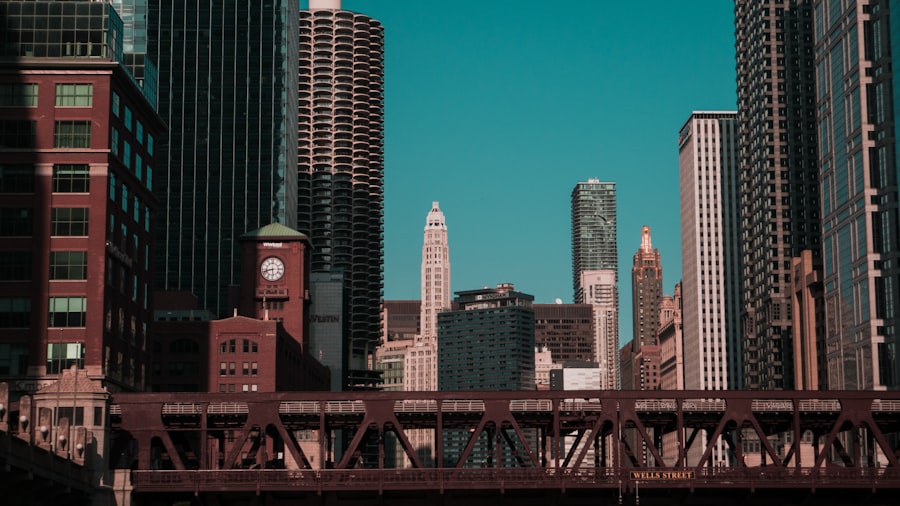
Stretching for 1.25 miles along the south bank of the Chicago River, the Riverwalk connects Lake Michigan to the city's bustling downtown core. This linear park is not just a scenic path; it is a living gallery of architectural triumphs. From the historic DuSable Bridge to the futuristic silhouette of Marina City, every section of the walkway offers a new perspective. The Riverwalk's unique position at water level allows photographers to capture reflections, leading lines, and dramatic angles that are impossible to achieve from street level. The vibe here changes throughout the day, from the soft pastels of sunrise to the electric neon of the evening skyline, making it a location you can visit again and again and never capture the same image twice.
- Flat, wheelchair-accessible paths make it easy to carry heavy camera gear.
- Multiple bridge crossings provide elevated vantage points for overhead shots.
- Public art installations and green spaces add foreground interest to wide-angle compositions.
- Boat tours, kayaks, and water taxis bring dynamic movement into your frames.
According to TripAdvisor, the Chicago Riverwalk consistently ranks as one of the top free attractions in the city, and photographers from around the world flock here to capture its evolving beauty. The key to making your images stand out is understanding the interplay of light, shadow, and reflection at each distinct location along the walk.
Morning Light on the Main Stem: Spots 1 Through 3
The early morning hours, from sunrise until about 9 a.m., offer the softest light and the smallest crowds along the Chicago Riverwalk. The eastern sun casts a warm, golden glow on the western facades of buildings, creating deep shadows and rich color saturation. This is the perfect time to shoot the following three iconic photo spots.
1. Vietnam Veterans Memorial Bridge Looking West
Begin your photography walk at the westernmost section of the Chicago Riverwalk, near the Vietnam Veterans Memorial Bridge. This spot offers a wide, sweeping view of the river as it curves gently toward the west. Position yourself on the south side of the bridge, just where the Riverwalk path meets the concrete abutment. From here, you can frame the river cutting through the urban canyon, with the Franklin Street Bridge and the Lyric Opera House in the distance. The composition here is all about leading lines: the riverbanks and the bridge railings guide the eye inward. Use a focal length of 24mm to 35mm for a balanced perspective that includes both the water and the skyline. For lighting, aim for the first hour after sunrise when the sun is at your back, casting even illumination on the scene in front of you. The vibe is calm and contemplative, with only the occasional jogger or early-morning dog walker breaking the silence.
2. DuSable Bridge at Michigan Avenue
Walk east along the Riverwalk for about 10 minutes until you reach the DuSable Bridge, which carries Michigan Avenue over the river. This is arguably the most photographed bridge in the city, and for good reason. The bridge's ornate limestone towers and bronze detailing offer a timeless foreground for shots of the Wrigley Building and the Tribune Tower. For the best angle, walk down to the lower Riverwalk level and stand directly under the bridge, looking northeast. From this low vantage point, the bridge's arches frame the Wrigley Building's clock tower perfectly. Use an aperture of f/8 to f/11 to keep both the bridge details and the distant architecture sharp. If you are shooting in spring or fall, the low angle of the morning sun creates a beautiful rim light on the bridge's edges. The vibe here is grand and historical; you can almost feel the weight of Chicago's architectural legacy in every stone.
3. Wrigley Building Reflection Pool
Just a few steps east of the DuSable Bridge, you will find a small reflecting pool at the base of the Wrigley Building. This pool is a hidden gem for symmetrical compositions. Wait for a windless morning when the water surface is perfectly still, then crouch down low to capture the building's full reflection. The Wrigley Building's white terracotta facade takes on a warm ivory tone in the early light, making it stand out beautifully against the blue sky. For this shot, use a polarizing filter to reduce glare on the water and enhance the reflection's clarity. A tripod is essential here if you want a long exposure to smooth out any ripples. The vibe is elegant and serene, with the gentle sound of water trickling from the pool's edge. This is one of those Chicago Riverwalk photo spots where patience truly pays off.
Pro Photography Tips: For morning shots along the Chicago Riverwalk, arrive at least 30 minutes before sunrise to set up your tripod and scout your composition. Use a shutter speed of 1/2 second to 2 seconds to blur any moving water while keeping architectural details sharp. A remote shutter release will prevent camera shake during these longer exposures.
Midday and Afternoon Angles: Spots 4 Through 6
As the sun climbs higher, the light becomes harsher, but the Chicago Riverwalk still offers plenty of opportunities for striking compositions. Midday light works especially well for high-contrast black-and-white photography and for capturing the deep blue shadows cast by the towering buildings. The following three spots shine during the middle of the day.
4. McCormick Bridgehouse and Chicago River Museum
Located at the northeast corner of the Michigan Avenue bridge, the McCormick Bridgehouse is a five-story limestone tower that houses the Chicago River Museum. The area around the base of the bridgehouse is perfect for architectural detail shots. Look for the massive gears and ironwork that are visible through windows at street level, then walk down to the Riverwalk and shoot upward to capture the bridgehouse's imposing scale against the sky. For framing, use the bridge's steel beams as a natural border around the tower. A wide-angle lens at 16mm to 20mm will exaggerate the perspective and make the structure feel even more monumental. The lighting at midday creates strong contrast between the bright sky and the dark ironwork, which works wonderfully in monochrome. The vibe here is industrial and historic, a reminder of Chicago's engineering roots.
5. Franklin Street Bridge Industrial Views
A short walk west from Michigan Avenue brings you to the Franklin Street Bridge, a double-leaf bascule bridge with a striking steel framework. This is the spot for lovers of industrial geometry. Position yourself on the south side of the bridge and look northwest to capture the bridge's counterweights, cables, and trusses in a single frame. The midday sun, when directly overhead, casts dramatic shadows across the steel lattice, creating a graphic, almost abstract composition. Use a telephoto lens at 70mm to 100mm to isolate specific details like a single cable or a riveted joint. The vibe here is gritty and authentic, a contrast to the polished facades of the nearby skyscrapers. Do not rush this spot; spend time walking the bridge's length to find unique angles that other photographers might miss.
6. Riverwalk East End at Lake Michigan
Walk all the way to the eastern terminus of the Chicago Riverwalk, where the river meets Lake Michigan. This spot offers a completely different atmosphere: wide-open sky, lake breezes, and a panoramic view of the lakefront. The best composition here is to include the Lake Shore Drive bridge in the foreground, with the lake and distant sailboats behind it. In the afternoon, the light from the west illuminates the bridge's underside, creating a warm, inviting glow. Use a wide-angle lens at 18mm to 24mm to capture the full sweep of the scene. If you are lucky, you might catch a boat passing through the lock system, which adds a dynamic focal point to your image. The vibe is expansive and refreshing, a perfect contrast to the urban canyon of the river's main stem.
Pro Photography Tips: When shooting at midday on the Chicago Riverwalk, switch your camera to black-and-white mode or plan to convert to monochrome in post-processing. The harsh shadows and bright highlights create excellent tonal contrast. Set your ISO to 100 for maximum dynamic range, and use a small aperture like f/11 to keep everything from foreground to background in focus.
Golden Hour and Blue Hour Magic: Spots 7 and 8
As the sun begins to dip toward the western horizon, the Chicago Riverwalk transforms into a spectacle of warm golden light and cool blue shadows. This one-hour window before sunset, followed by the 30 minutes after sunset known as blue hour, is the most magical time for photography. These two spots capture the best of both worlds.
7. Vietnam Veterans Memorial at Golden Hour
Return to the Vietnam Veterans Memorial, this time at golden hour. The western-facing view that was calm in the morning erupts with color as the setting sun paints the sky in shades of orange, pink, and purple. The memorial's black granite wall reflects the warm hues, while the river becomes a mirror for the fiery sky. Position yourself slightly upstream from the memorial, using the wall's edge as a leading line into the sunset. A graduated neutral density filter will help balance the bright sky with the darker foreground. Use a focal length of 35mm to 50mm for a natural perspective that includes both the memorial and the sky. The vibe here is solemn and beautiful, with the colors of dusk softening the hard edges of the city.
8. Marina City Towers Framed by the Riverwalk
No list of Chicago Riverwalk photo spots would be complete without the iconic Marina City towers, better known as the corncob buildings. The best framing for these cylindrical towers is from the south side of the river, just east of the State Street Bridge. As the sun sets behind you, the towers catch the last warm light on their western faces, creating a beautiful gradient from gold to shadow. For a unique composition, include the Chicago Riverwalk's railing in the foreground and use the curved lines of the walkway to echo the towers' rounded forms. A 24-70mm zoom lens is ideal here, allowing you to shoot wide for context or zoom in for a tighter architectural portrait. After sunset, the towers' windows begin to glow with interior lights, creating a starry effect against the deep blue sky. The blue-hour light lasts only about 20 minutes, so have your settings ready: ISO 400, aperture f/8, and a shutter speed around 2 seconds with a tripod.
Unique Framing and Composition: Spots 9 and 10
The final two spots on our list offer unconventional perspectives that will set your photos apart from the typical tourist snapshots. These locations require a bit of patience and creativity but reward you with truly distinctive images.
9. The Riverwalk Steps and Seating Areas
Throughout the Chicago Riverwalk, you will find stepped descents that lead directly to the water's edge. These steps are fantastic for creative framing. Have your subject (or a willing stranger) sit on the steps, and shoot from a low angle with the river and skyline behind them. The steps act as a natural leading line, drawing the eye from the foreground to the background. Alternatively, use the steps as a geometric pattern in an abstract composition; shoot straight down from above to capture the repeating lines and the water's edge. The best time for this spot is late afternoon when the sun casts long shadows across the steps. The vibe is playful and interactive, a chance to incorporate human scale into your architectural images.
10. Clark Street Bridge Looking South
The Clark Street Bridge offers one of the most dramatic views of the Chicago skyline from the Riverwalk. Walk to the south side of the bridge, near the middle, and look due south. From this angle, the Willis Tower and the Chicago Board of Trade Building line up in a striking vertical composition. The bridge's steel grid creates a natural frame for the skyscrapers beyond. Use a telephoto lens at 85mm to 135mm to compress the perspective, making the distant buildings appear closer together. The lighting here is best in the morning when the sun illuminates the eastern faces of the buildings, or at blue hour when the towers glow against a dark sky. The vibe is powerful and urban, capturing the essence of Chicago's architectural dominance.
Final Tips for Your Chicago Riverwalk Photo Walk
To make the most of your photography adventure along the Chicago Riverwalk, plan your route based on the sun's position. Start at the western end in the morning, work your way east through the day, and finish at the eastern end for sunset. Bring a wide-angle zoom for architectural shots, a telephoto for details and compression, and a sturdy tripod for low-light work. Do not forget extra batteries and memory cards, as you will likely shoot more than you expect.
- Check the weather forecast: partly cloudy days offer the most interesting sky textures for backgrounds.
- Use a circular polarizer on sunny days to cut glare from the water and boost color saturation in the buildings.
- Arrive early on weekends to avoid crowds; weekday mornings are the quietest time for photography.
- Experiment with slow shutter speeds at night to capture light trails from boats and traffic on the bridges.
According to Lonely Planet, the Chicago Riverwalk is a must-visit for any traveler to the Windy City, and for photographers, it is an absolute goldmine. The combination of historic bridges, modern skyscrapers, reflective water, and ever-changing light makes it one of the most dynamic urban photography locations in North America. Whether you capture the sunrise glow on the Wrigley Building or the neon reflections at midnight, each visit to the Chicago Riverwalk offers new discoveries and fresh photographic opportunities. So grab your camera, lace up your walking shoes, and head to these ten incredible Chicago Riverwalk photo spots. Your portfolio will thank you.
Top spots include the Vietnam Veterans Memorial, the Wabash Avenue Bridge, and the Merchandise Mart for stunning urban reflections. During the blue hour (just after sunset) is ideal, as city lights and serene reflections create magical shots. Try shooting from the lower Riverwalk level to frame bridges against the skyline, or use a long exposure from seating areas for silky water effects. Yes, fall offers colorful foliage and winter provides quiet, snowy scenes, but spring and summer bring lively boat traffic and events. A wide-angle lens is great for capturing architecture and bridges, while a telephoto lens helps zoom into details like boat details or statue textures.Frequently Asked Questions
What are the must-visit photo spots on the Chicago Riverwalk?
What time of day is best for taking photos along the Riverwalk?
Are there any unique perspectives or angles to shoot from?
Do the photo spots change based on the season?
What type of lens is suitable for Riverwalk photography?
💬 Comments (0)
No comments yet. Be the first!