Top 10 Chefchaouen Blue Streets Photo Spots
Discover the most Instagrammable blue-washed alleys of Chefchaouen. Our top 10 Chefchaouen blue streets photo spots guide for dreamy shots.
Introduction: Welcome to the Blue Pearl
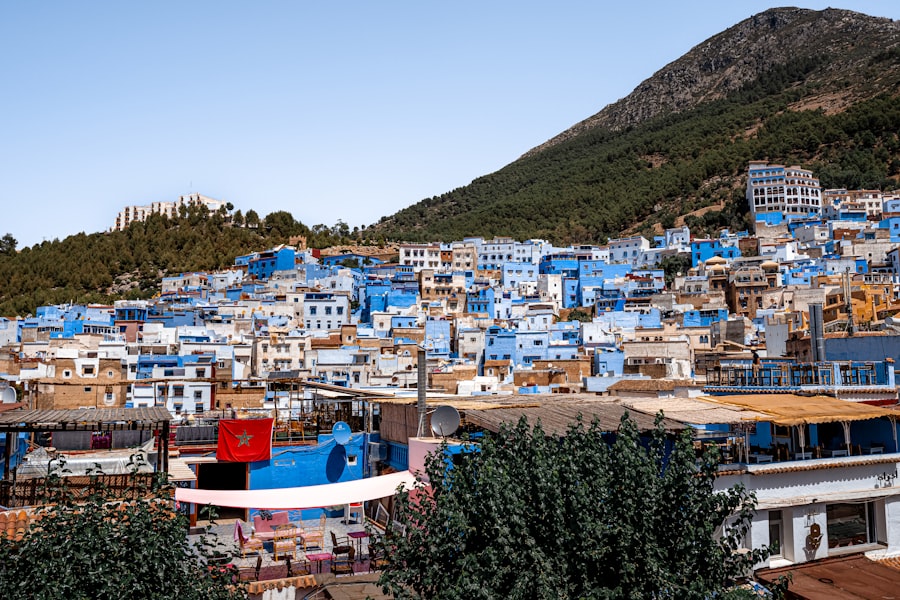
If you have ever dreamed of wandering through a city painted entirely in shades of azure and cobalt, then the Chefchaouen blue streets are exactly what your camera needs to capture. Nestled in the Rif Mountains of northern Morocco, Chefchaouen—also known as Chaouen—is a living canvas where every wall, every step, and every doorway shimmers in blue. Photographers from all over the world flock here to shoot its labyrinthine alleys, and for good reason: the light bounces off the painted surfaces in ways that feel almost surreal. In this guide, I will walk you through the top ten photo spots that define the Chefchaouen blue streets, sharing exact walking directions, ideal lighting windows, composition tricks, and a bit of local history so you can make your images truly sing. Grab your camera, slip into comfortable shoes, and let us dive into the bluest city on earth.
1. Place Outa el Hammam and the Kasbah
The Grand Entrance to the Blue Labyrinth
Your journey into the Chefchaouen blue streets should begin at Place Outa el Hammam, the main square. This is the beating heart of the medina, framed by the red walls of the Kasbah and the towering minaret of the Grand Mosque. The vibe here is energetic yet relaxed—locals sip mint tea, cats nap on blue benches, and the sky competes with the painted walls for the title of bluest element. Arrive early, around 7:30 AM, when the soft golden light spills over the mountains and warms the blue facades. Use a wide-angle lens (16-24mm) to capture the entire scene, including the Kasbah's crenellations and the blue doorways that line the square. For framing, position yourself near the central fountain and let the archway of the Kasbah gate create a natural border around your subject. The history here runs deep: the Kasbah was built in the 18th century by the Alaouite dynasty to defend against Portuguese incursions. Today, its gardens offer a quiet escape and a high vantage point for shooting the surrounding Chefchaouen blue streets from above.
Pro Photography Tips: Use a polarizing filter to cut glare on the blue paint and boost saturation. For a dreamy look, shoot at f/2.8 or wider to blur out tourists in the background while keeping the blue walls sharp.
- Best time to shoot: 7:00 AM - 9:00 AM for soft light
- Ideal lens: Wide-angle 16-24mm
- Composition hack: Include a local in traditional dress for scale
2. The Iconic Stairway on Rue Tounsi
Endless Blue Steps Leading to the Sky
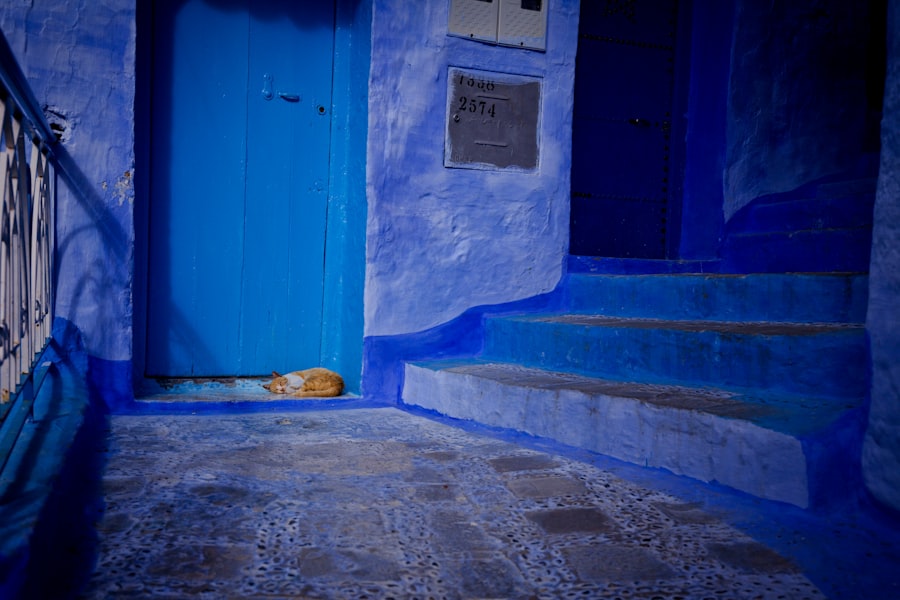
No list of Chefchaouen blue streets would be complete without the cascading stairway on Rue Tounsi. This spot is arguably the most photographed location in the entire city—and for good reason. The steps curve upward in a perfect S-shape, flanked by walls painted in three distinct shades of blue: powder, indigo, and turquoise. Small potted plants and colorful woven baskets add pops of green and red against the monochrome backdrop. To nail the composition, stand at the bottom of the stairs and look up, using the curve of the steps as a leading line that draws the eye skyward. Alternatively, climb to the top and shoot downward, capturing a local walking up with a basket on their head for a slice of authentic life. The ideal lighting window is late afternoon (4:00 PM - 5:30 PM), when the sun casts long shadows that add depth to the textures of the plaster. If you want to avoid the crowds, come at sunrise—the street is empty, and the blue looks even more vivid in the cool morning air. According to Lonely Planet's guide to Chefchaouen, this staircase is part of the old Jewish quarter, where blue was traditionally used to symbolize the sky and heaven.
- Best time to shoot: 7:00 AM - 8:30 AM or 4:00 PM - 5:30 PM
- Ideal lens: 24-70mm zoom for flexibility
- Composition hack: Use the S-curve of the steps as a leading line
3. The Blue Alley Behind the Grand Mosque
A Tunnel of Pure Azure
Tucked away behind the Grand Mosque, a narrow alley stretches for about 50 meters, its walls painted in a uniform deep cerulean. This is one of the most atmospheric Chefchaouen blue streets because it feels like you are walking through a tunnel of pure color. The alley is only about two meters wide, so the blue completely surrounds you—there is no visual escape. For photography, this creates an incredible sense of immersion. Shoot straight down the center of the alley with a medium telephoto lens (50-85mm) to compress the perspective, making the blue walls feel even more enclosing. The best time to visit is between 10:00 AM and 12:00 PM, when sunlight streams in from the open end of the alley, creating a natural spotlight on the textured plaster and iron lanterns. Notice the subtle variations in the blue—some sections are freshly painted while others have faded to a chalky pastel. These differences add visual interest and tell the story of a city that lovingly maintains its color palette by hand. History buffs will appreciate that this area was part of the original Andalusian quarter established by Muslim and Jewish refugees fleeing the Reconquista in the 15th century. The blue tradition, some say, was introduced by the Jewish community as a reminder of heaven and divine protection.
Pro Photography Tips: Use a tripod and shoot at f/8 to f/11 for maximum sharpness throughout the alley. If people walk through, use a long exposure (2-4 seconds) to blur them into ghostly silhouettes against the blue.
- Best time to shoot: 10:00 AM - 12:00 PM
- Ideal lens: 50-85mm prime
- Composition hack: Include a hanging lantern for a focal point
4. Ras el Maa Waterfall and the River Path
Blue Meets Green at the Mountain Stream
A short walk from the medina center leads you to Ras el Maa, a natural spring that spills over rocks into a shallow pool. Here, the Chefchaouen blue streets give way to a more rustic scene, but the blue palette continues on the walls of the houses that line the river path. The contrast between the vivid blue paint, the emerald green moss, and the clear rushing water is a photographer's dream. Position yourself on the small stone bridge that crosses the stream and shoot upstream, with the blue houses on either side creating a receding corridor. The best light for this spot is mid-morning (9:00 AM - 11:00 AM), when the sun is high enough to illuminate the water but not so harsh that it blows out the highlights on the whitewashed sections of the walls. For a unique angle, wade into the shallow water (wear sandals you don't mind getting wet) and shoot low, using the water's surface as a reflective foreground. The vibe here is peaceful and cool—the sound of the waterfall drowns out the medina's bustle. Locals often come here to wash carpets or simply sit by the water, adding authentic human elements to your frames. According to TripAdvisor's Chefchaouen attractions page, Ras el Maa is one of the top-rated spots for visitors seeking a break from the steep alleyways.
- Best time to shoot: 9:00 AM - 11:00 AM
- Ideal lens: 16-35mm for wide environmental shots
- Composition hack: Use the stream as a leading line toward the blue houses
5. The Ascending Lanes of Avenue Hassan II
A Vertical Blue Corridor
Avenue Hassan II climbs steeply from the medina center toward the upper neighborhoods, and its ascending lanes are a goldmine for photographers. The street is lined with shopfronts, cafes, and doorways, all painted in varying tones of blue—some bright and almost electric, others soft and washed like denim. What makes this spot special is the verticality: the road rises at a sharp angle, so you can shoot both upward and downward to capture layers of blue receding into the distance. The composition technique here is to stand at the bottom of the avenue and shoot upward with a wide-angle lens, letting the blue walls on both sides converge toward the sky. Alternatively, climb to the top and turn around to capture the rooftops of the medina below, with the blue walls of the avenue creating a dramatic foreground. The best lighting is in the late afternoon (4:30 PM - 6:00 PM), when the sun hits the western-facing walls directly, making the blue glow with a warm, saturated intensity. The vibe here is lively—vendors call out, children play, and the aroma of grilled meat and spices fills the air. For a candid portrait opportunity, ask permission to photograph shopkeepers in their blue-painted doorways; the resulting image will feel both intimate and timeless.
Pro Photography Tips: Bracket your exposures when shooting upward to preserve detail in both the bright sky and the shadowed blue walls. Merge later in post for a perfect HDR result.
6. The Rooftop Views from Dar Chaouen
Blue Cityscape from Above
For a completely different perspective on the Chefchaouen blue streets, ascend to the rooftop terrace of Dar Chaouen, a guesthouse near the Kasbah. From here, you can see the entire medina spread out below like a blue mosaic—rooftops, satellite dishes, minarets, and the surrounding Rif Mountains all bathed in the same dreamy palette. The best time to shoot is during the golden hour (just before sunset), when the warm light contrasts with the cool blue rooftops, creating a complementary color harmony that is pure visual poetry. Use a telephoto lens (70-200mm) to isolate clusters of blue buildings and compress the layers of the city into a flat, abstract pattern. For a wider shot, switch to a 24-70mm and include the mountains in the background to provide context. The vibe up here is serene and contemplative—you can hear the call to prayer mixing with the chatter of the medina below. Dar Chaouen charges a small fee for non-guests to use the terrace, but it is well worth the dirhams for the unobstructed view. If you want to capture the blue streets from above without paying, the rooftop of the Kasbah museum offers a similar vista for a modest entry ticket.
- Best time to shoot: Sunset (5:30 PM - 7:00 PM depending on season)
- Ideal lens: 70-200mm for compression, 24-70mm for context
- Composition hack: Include a minaret or mountain peak as an anchor point
7. The Secret Doorway on Rue Moulay Ali Ben Rachid
A Portal to Another World
Hidden in plain sight on Rue Moulay Ali Ben Rachid, a single blue doorway stands out even among the sea of blue that surrounds it. This is not just any door—it is framed by intricate plasterwork painted in a deep ultramarine, with a horseshoe arch that hints at the Andalusian heritage of the building. The door is almost always slightly ajar, inviting you to peek inside at a small courtyard garden filled with orange trees and flowering jasmine. For the best shot, kneel down and shoot at door-handle height, composing the frame so that the archway fills the upper half of the image and the blue paint dominates the lower half. The ideal lighting is early morning (8:00 AM - 9:30 AM), when the sun hits the door at a 45-degree angle, highlighting the carved details of the plaster. If you come later in the day, the door falls into shadow, but you can still capture a moody, low-key image by increasing your ISO to 800-1600 and letting the blue wrap around the frame in a darker, more mysterious tone. The history of this doorway is tied to the city's textile trade—the building once housed a weaving cooperative that produced the famous striped blankets of Chefchaouen. Today, it is a private residence, but the owners are accustomed to photographers and usually smile if you ask politely.
Pro Photography Tips: Use a reflector (or a white piece of paper) to bounce light into the shadowed underside of the arch. This will reveal the texture of the plaster without washing out the blue.
8. The Blue Archway Corridor near Bab el Ain
Endless Repetition of Arcs
Near the Bab el Ain gate, a long corridor is lined with a series of blue archways that recede into the distance like the nave of a cathedral. This is one of the most architecturally striking Chefchaouen blue streets because the repeating arches create a powerful sense of rhythm and depth. To capture this, stand at one end of the corridor and shoot straight down the center with a 50mm or 85mm lens. The symmetry of the arches will create a natural frame within the frame, drawing the eye deep into the image. The best time to shoot is between 11:00 AM and 1:00 PM, when the sun is directly overhead and light spills through the open archways in alternating patches of brightness and shadow. The contrast between the sunlit blue and the shaded blue creates a dynamic range that adds drama to the scene. Pay attention to the details—each archway has a slightly different shade of blue, some with faint whitewash lines, others with peeling paint that reveals the stone underneath. These imperfections are what make Chefchaouen feel alive and organic, not like a theme park. The vibe here is quiet and contemplative; few tourists venture this far from the main square, so you can often have the corridor to yourself for several minutes at a time.
- Best time to shoot: 11:00 AM - 1:00 PM
- Ideal lens: 50-85mm for symmetry
- Composition hack: Wait for a person to walk through the arches to add scale
9. The Pottery Quarter on Avenue Tarik Ibn Ziad
Blue and Terracotta Collide
The pottery quarter on Avenue Tarik Ibn Ziad offers a rare opportunity to photograph the Chefchaouen blue streets in conversation with other colors. Here, the blue walls are interspersed with shops selling handmade ceramics in warm earth tones—terracotta, ochre, and rust. The contrast is visually stunning. For composition, position yourself across the street from a pottery shop and shoot through the blue-framed doorway, with rows of painted plates and vases visible inside. The blue of the door frame will separate the warm interior from the cool exterior, creating a natural color contrast that is both harmonic and eye-catching. The best lighting is around 2:00 PM - 3:00 PM, when the sun is high but slightly angled, illuminating both the blue walls and the pottery displays without casting harsh shadows. Use a moderate aperture (f/5.6 to f/8) to keep both the blue frame and the pottery in focus. The vibe here is creative and artisan—you can watch potters shaping clay on wheels, their hands stained with blue and red slip. If you buy a small bowl or tagine, ask if you can photograph them at work; the resulting portraits will have authentic cultural depth that no posed shot can match.
Pro Photography Tips: Shoot in RAW to preserve the full color range of the blue terracotta contrast. In post, increase the luminance of the blue channel and decrease the saturation of the orange channel slightly for a cleaner split-tone effect.
10. The Silent Alley off Rue Sidi Abdelhamid
Pure Blue Solitude
Our final spot is the most tranquil of all. Tucked off Rue Sidi Abdelhamid, a dead-end alley about 30 meters long is painted in a uniform, slightly faded blue that seems to absorb sound. This is the place to go when you want to capture the Chefchaouen blue streets without any human element—just pure, unbroken color. The alley is lined with a few doors and a single window box overflowing with pink geraniums, which provide the only color accent. For the best shot, stand at the entrance of the alley and shoot straight in, using both side walls as leading lines converging on the far end. The light here is soft and diffused at most times of day because the high walls block direct sunlight, creating a beautiful, even illumination that is perfect for capturing the texture of the blue plaster. The ideal time is late afternoon (3:30 PM - 5:00 PM), when a sliver of sunlight reaches the far wall and creates a small, warm highlight against the cool blue. Use a tripod and a slow shutter speed (1/4 to 1/2 second) to capture the stillness and the subtle gradations of color that occur as the blue fades from deep at the bottom to pale near the roofline. The history of this alley is humble—it was once a passageway for water carriers who brought fresh spring water from Ras el Maa to the upper medina. Today, it is a quiet sanctuary where you can breathe, compose, and let the blue wash over you.
- Best time to shoot: 3:30 PM - 5:00 PM
- Ideal lens: 24-70mm or 35mm prime
- Composition hack: Use the window box of geraniums as a small focal point against the vast blue
Final Thoughts: Making the Blue Your Own
Shooting the Chefchaouen blue streets is not just about ticking off photo spots—it is about immersing yourself in a city where color is a way of life. Each of these ten locations offers a different mood, a different light, and a different story. Whether you are capturing the grand scale of Place Outa el Hammam or the intimate silence of the alley off Rue Sidi Abdelhamid, remember to take your time. Wait for the light to shift. Watch how the blue changes from morning to afternoon to dusk. Talk to the locals. Pet the cats. Drink the mint tea. And most importantly, let the blue fill your frame and your memory in equal measure. Happy shooting, and may your images carry the soul of Chaouen back home with you.
Frequently Asked Questions
What makes Chefchaouen's blue streets so photogenic?
The varying shades of blue washed walls create a soft, reflective backdrop that diffuses sunlight beautifully. It's also considered one of the most Instagrammable destinations in Morocco.
When is the best time to photograph the Chefchaouen blue streets?
Early morning (8-10 AM) offers soft golden light with fewer crowds. This avoids harsh shadows and gives you clean street scenes.
Which specific blue street areas are must-visits for photos?
Focus on Rue Moulay Ali ben Rachid, Place Outa el Hammam steps, and the network of stairs off Rue Tounsi. These spots offer layered blue walls, doors, and potent visuals.
Can I photograph people in Chefchaouen's blue alleys?
Yes, but always ask for permission first. Many locals appreciate a friendly wave and a request before you capture their portrait.
What camera settings work best for Chefchaouen's blue streets?
Use a low ISO (100-200) to keep blues vibrant, set aperture to f/2.8-f/4 for soft backgrounds. Add a polarizer to cut reflections and boost color in midday light.
💬 Comments (0)
No comments yet. Be the first!