Zermatt Photography: Shooting Mountains in 2026
Master Zermatt photography in 2026 with our expert guide to capturing iconic Alpine landscapes and dramatic mountain peaks.
Zermatt photography is the ultimate pursuit for mountain enthusiasts planning a trip in 2026.
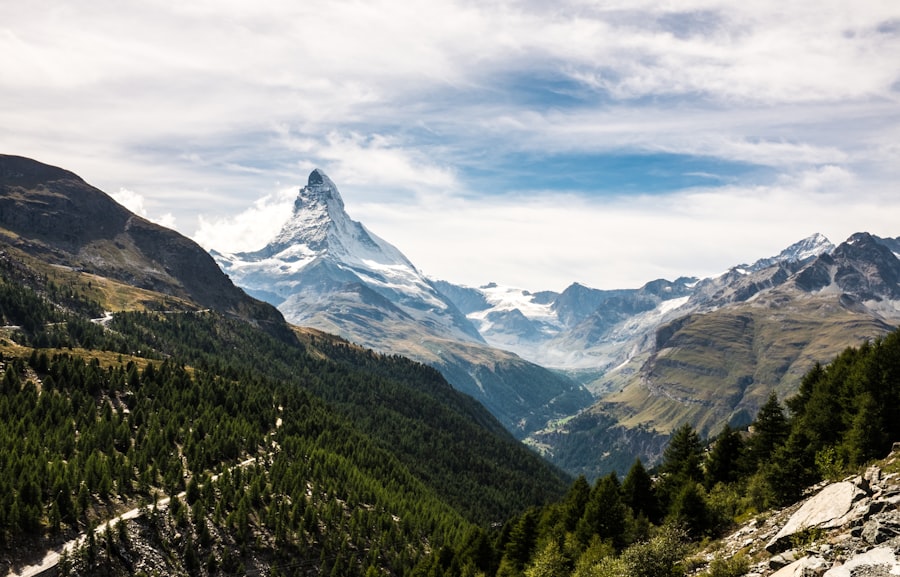
As you stand at the base of the iconic Matterhorn, you will quickly realize that capturing this pyramid-shaped peak is a rite of passage for every landscape artist. Zermatt is a place where light dances across glaciers and the village charm remains untouched by modern combustion engines. Whether you are a professional with a heavy tripod or an enthusiast with a mirrorless camera, this guide will help you navigate the best angles and logistics for your 2026 adventure.
Essential Logistics and Getting Around
Getting to Zermatt is half the fun, provided you understand the Swiss rail infrastructure. Since the village is car-free, you will leave your vehicle in Tasch. From there, the Matterhorn Gotthard Bahn provides frequent shuttle trains that whisk you into the heart of the village in about 12 minutes. Expect to pay between 16 and 20 Swiss Francs for a round-trip ticket from the parking terminal.
How to Get Around
- Electric taxis: These are the primary mode of transit for luggage transfers and short trips within the village center.
- Gornergrat Railway: This cogwheel train is essential for reaching high-altitude vantage points for your Zermatt photography projects.
- Walking: The village is compact and pedestrian-friendly, making it the best way to scout morning light.
- Sunnegga Funicular: A fast underground train that takes you to the side of the valley offering the best sunrise views of the Matterhorn.
Once you are settled in a neighborhood like Winkelmatten, known for its traditional chalets and unobstructed views, you will find that your camera never stays in your bag for long. Booking.com availability for 2026 suggests that booking at least six months in advance is wise if you want a balcony facing the mountain.
Top Vantage Points for Zermatt Photography
If you are wondering about the best composition, look no further than the Riffelsee lake. This is where you get the classic mirror reflection of the Matterhorn. To capture this, I recommend you take the first train up to Rotenboden station. Arriving before the crowds ensures you get the glassy water surface required for that perfect shot.
Now let's talk about the Findeln area. This historical hamlet features old wooden barns that look fantastic against the jagged backdrop of the mountains. It is a fantastic spot for Zermatt photography during the golden hour when the sun hits the mountain faces, turning them a deep, glowing orange.
Top Things to Do
- Hike the Five Lakes Walk to capture reflections in Stellisee and Grindjisee.
- Visit the Glacier Palace for unique ice sculpture photography under the peaks.
- Take a sunset trip to the Gornergrat viewing platform for wide-angle panoramic shots.
- Explore the Hinterdorf district to photograph the ancient, sun-darkened larch wood houses.
Traveler’s Warning: The weather in the Alps is notoriously fickle. Even if the forecast calls for clear skies, always carry extra batteries and a rain cover for your gear. Sudden mountain mists can appear in minutes, so keep your camera protected and ready at all times.
Where to Eat and Refuel
After a long morning of chasing light, you will need a hearty meal. The local cuisine is heavy on cheese and cured meats, which is perfect for recovering from a steep climb. Tripadvisor ratings consistently place the local mountain huts at the top of the list for both atmosphere and quality.
Where to Eat
- Chez Vrony: Famous for its terrace views and gourmet Alpine comfort food.
- Whymper-Stube: A cozy spot in the village center perfect for a traditional cheese fondue after a cold day of shooting.
- Restaurant Findlerhof: Offers a rustic setting with premium ingredients and spectacular mountain vistas.
- Grampi s: Great for a more relaxed, casual pizza night when you are exhausted from hiking.
Refining Your Zermatt Photography Workflow
If you want to elevate your Zermatt photography in 2026, focus on depth. Use the foreground elements, such as colorful wildflowers in the summer or snow-dusted pine branches in the winter, to create a sense of scale. The Matterhorn is massive, and without a point of reference in the foreground, your images might feel flat and disconnected.
Pro tip for you: If you find yourself struggling with the bright glare of the snow during the afternoon, use a circular polarizer. It will help you cut the reflections on the icy surfaces and saturate the blue of the sky, making the white mountain peaks pop significantly more in your final images.
Equipment and Seasonal Considerations
Moving on to equipment, a wide-angle lens is your best friend, but do not ignore a telephoto zoom. A 70-200mm lens is incredible for isolating the textures of the rock face or capturing the climbers on the Hörnli ridge. For those traveling in 2026, keep in mind that the shoulder seasons, specifically late May and October, offer unique photographic opportunities. You will encounter fewer tourists and, often, more dramatic cloud formations that add mood to your landscape shots.
Another factor to consider is the cost of living. A typical day of dining and transport can range from 100 to 250 Swiss Francs depending on your luxury preferences. If you are aiming for a budget-friendly trip, focus on the free hiking trails around the village instead of paying for every mountain lift pass. Many of the most iconic angles for Zermatt photography can be reached entirely on foot if you have the stamina for a steep ascent.
As you prepare for your journey, remember that patience is the most important tool in your kit. The mountains do not rush, and neither should you. Spend a full day in one spot if the light is not quite right. Observe how the shadows change as the sun traverses the sky, and you will eventually be rewarded with a frame that truly captures the spirit of this majestic region.
Finally, keep your gear organized. With the amount of moving around you will be doing, a sturdy, weather-resistant camera bag is essential. Whether you are trekking up to the Gornergrat or wandering the narrow alleys of the village center, Zermatt photography provides endless inspiration for those willing to brave the elements and seek out the perfect light.
Frequently Asked Questions
What is the best time of year for Zermatt photography in 2026?
The best time is June through September for lush landscapes and clearer skies, though winter offers stunning snow-covered peaks.
Which lens is ideal for capturing the Matterhorn?
A telephoto lens (70-200mm or longer) works best to compress the mountain and isolate it, especially from popular viewpoints like Riffelsee.
What photography permits or restrictions apply in Zermatt?
Most outdoor photography is freely allowed, but drones are banned in Zermatt, and commercial shoots require a permit from the local tourism office.
How do I handle tricky lighting on snowy peaks?
Bracket exposures for HDR or use a polarizing filter to reduce glare and enhance snow texture, and shoot during golden hours for softer light.
What are some hidden photo spots away from crowds?
Try the remote Triftbach Gorge in autumn for foliage, or Hörnlihütte at dawn for a dramatic, uncrowded close-up of the Matterhorn's north face.

Lars Lindgren puts together detailed guides to cities and regions, drawing on his own travels to flag the things worth your time. He focuses on clear, honest advice that holds up once you are actually on the ground.
💬 Comments (0)
No comments yet. Be the first!