Nice Travel Guide 2026: Ultimate Tips
Our expert Nice Travel Guide 2026 helps you plan the ultimate trip to the French Riviera, from top beaches to hidden local spots.
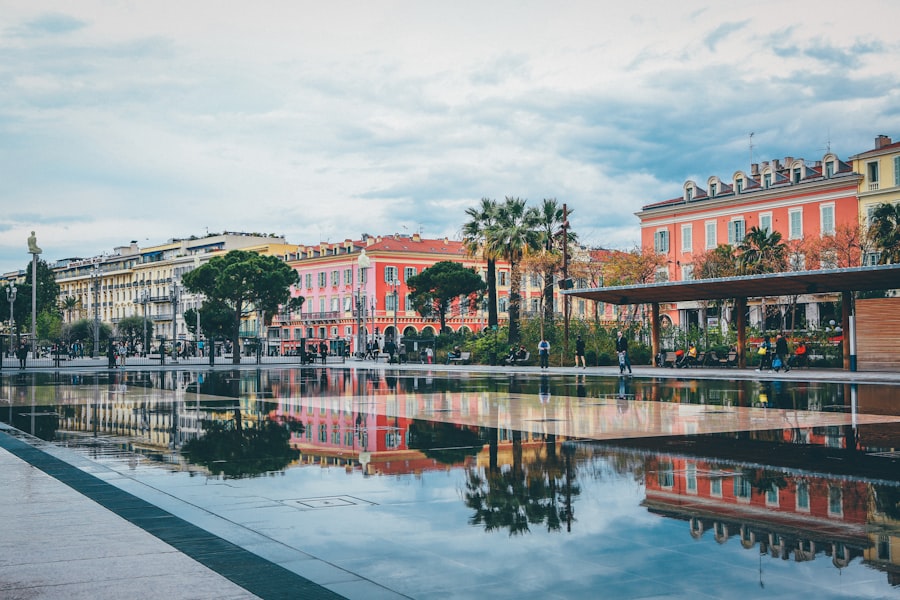
Welcome to your ultimate Nice Travel Guide 2026, where we will unlock the secrets of the dazzling capital of the French Riviera. Whether you are dreaming of strolling along the azure waters of the Baie des Anges, tasting authentic Nicoise cuisine, or exploring ancient hilltop villages, this Mediterranean gem promises an unforgettable getaway. As a seasoned travel expert, I have gathered the most up-to-date, practical advice to help you navigate this sun-drenched paradise like a local. From the winding alleys of the old town to the sleek tramways, let us dive into everything you need to know for your 2026 adventure.
Why Nice Should Be Your Top Destination in 2026
Nice has always captured the imagination of artists, writers, and travelers, but in 2026, the city is more vibrant than ever. Following its recent recognition as a UNESCO World Heritage Site, the city has invested heavily in green spaces, pedestrian-friendly streets, and cultural preservation. When you visit, you will find a perfect blend of Italian charm and French sophistication, wrapped in 300 days of annual sunshine.
According to the Nice Tourism Board official data, visitor satisfaction has reached an all-time high thanks to newly expanded pedestrian zones and upgraded public transit options. Planning your trip early is highly recommended, as Booking.com availability for central hotels during the peak summer months of June to August fills up quickly, often six to eight months in advance. If you prefer a quieter experience with milder weather, I recommend you take your trip during the shoulder seasons of April to May or September to October.
How to Get Around the City Effortlessly
Navigating this coastal city is remarkably easy, budget-friendly, and efficient. The city has designed its infrastructure to keep cars out of the historic center, meaning you will rely mostly on your feet and the fantastic public transit system. Here is a breakdown of how to get around during your stay as outlined in this Nice Travel Guide 2026.
The Modern Tramway System
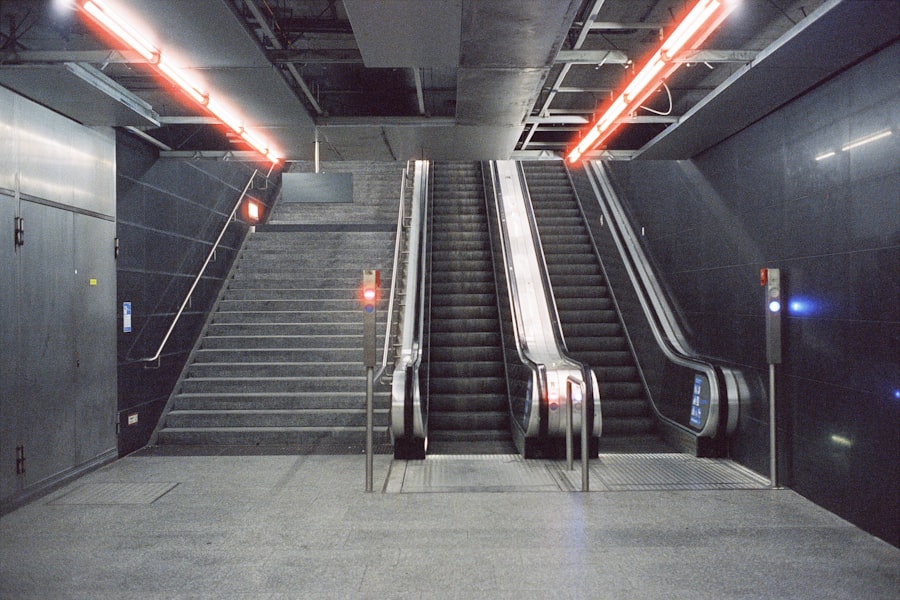
The Lignes d Azur tramway is the crown jewel of local transport. Line 2 connects the Nice Cote d Azur Airport directly to the Port Lympia harbor in the city center in just 30 minutes. A single ticket costs 1.70 Euros, but you must purchase a reloadable Lignes d Azur card for 2.00 Euros first. Remember to validate your ticket every time you board.
Public Buses and Regional Trains
For destinations outside the city, the SNCF TER trains are your best option. The main station, Nice-Ville, connects you to Monaco, Cannes, and Antibes in under 40 minutes for less than 10 Euros each way. Local buses also cover areas not reached by the tram, though traffic can sometimes cause delays during rush hour.
How to Get Around Summary
- Tram Line 1: Connects the northern suburbs to the city center and the main train station (Nice-Ville).
- Tram Line 2: Runs east-west, connecting the airport directly to Port Lympia.
- TER Trains: Ideal for day trips along the coast to Villefranche-sur-Mer, Monaco, and Menton.
- Self-Service Bikes (Velobleu): Great for riding along the flat Promenade des Anglais, with rental stations scattered everywhere.
Traveler’s Warning: Beware of pickpockets on Tram Line 1 and around the Nice-Ville train station, especially during peak tourist hours. Keep your bags zipped, never put your phone in your back pocket, and ignore scammers offering to "help" you buy tickets at the automated machines.
Where to Stay: The Best Neighborhoods
Choosing the right neighborhood can make or break your holiday. Moving on to accommodation, Nice offers distinct districts, each with its own unique personality and price range. Here are the three best areas to book your stay based on your travel style.
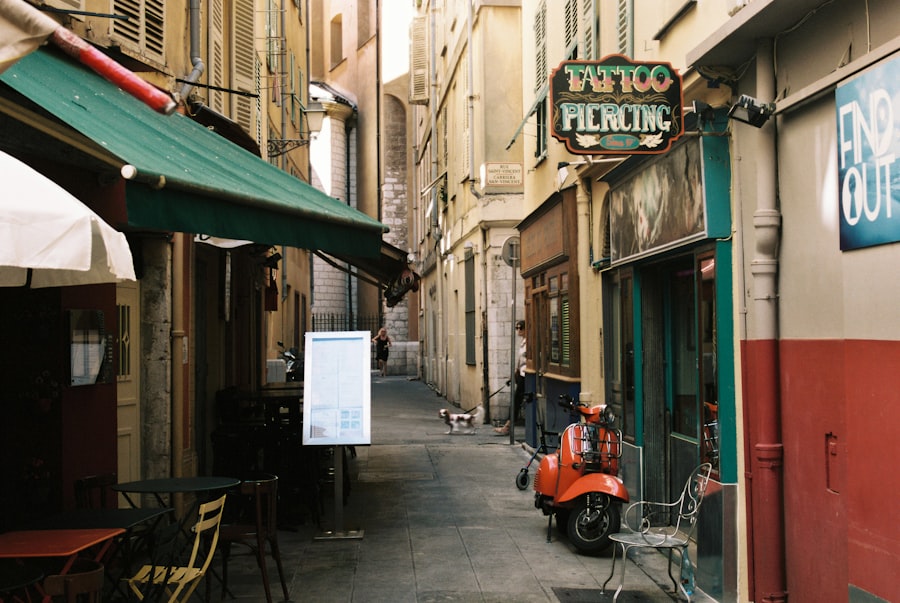
If you want to be in the heart of the action, Vieux Nice (the Old Town) is unbeatable. You will step out of your door directly into a maze of pastel-colored buildings, lively bars, and morning markets. However, keep in mind that these historic buildings rarely have elevators, and the streets can remain noisy well into the night. For a more upscale, relaxed vibe, look for hotels in the Carre d Or (Golden Square) or along the Promenade des Anglais, where you will find iconic luxury properties. If you are on a budget, the area around the Libération neighborhood offers a more authentic local feel, excellent food markets, and cheaper rental options, all while being just a short tram ride from the beach.
Top Things to Do in Nice
Whether you are a history buff, an art lover, or a beach lounger, this city offers a diverse array of activities. To help you plan your itinerary, this Nice Travel Guide 2026 highlights the absolute essentials you cannot miss.
Stroll the Promenade des Anglais
This world-famous seaside boulevard stretches for seven kilometers along the Mediterranean coast. Rent one of the iconic blue chairs, watch the rollerbladers, or simply enjoy the sea breeze. It is the perfect place to start your morning with a fresh croissant and a cafe au lait.
Climb Castle Hill (Colline du Chateau)
For the best panoramic views of the red-tiled roofs of the Old Town and the sparkling sea, head up Castle Hill. You can climb the stairs from the end of the Promenade or take the free historic elevator. At the top, you will find a lush park, a dramatic artificial waterfall, and ancient ruins.
Explore the Cours Saleya Flower Market
Located in the heart of the Old Town, this vibrant market is a sensory explosion. From Tuesday to Sunday, the square is packed with stalls selling fresh flowers, local lavender, spices, and regional produce. On Mondays, the space transforms into a fascinating antiques and flea market.
Top Things to Do Checklist
- Visit the Musee Matisse: Located in the elegant Cimiez neighborhood, housing a magnificent collection of Henri Matisse works.
- Explore Vieux Nice: Wander the narrow streets, visit the Saint-Reparate Cathedral, and grab a gelato at Fenocchio.
- Walk the Coastal Path (Sentier Littoral): A stunning walking path that hugs the rocky coast from Nice to Villefranche-sur-Mer.
- Take a Day Trip to Eze Village: A medieval hilltop village offering breathtaking views of the French Riviera.
Pro tip for you: If you are planning to visit multiple museums, buy the 24-hour or 48-hour French Riviera Pass. This pass grants you free access to top attractions, including the Marc Chagall National Museum and the Musee Matisse, saving you significant money on admission fees.
Where to Eat: A Culinary Journey
Now let's talk about the food. Nicoise cuisine is a delicious fusion of French culinary sophistication and rustic Italian flavors. The city takes its culinary heritage seriously, even awarding a special label, "Cuisine Nissarde," to restaurants that preserve traditional recipes.
When dining out, do not just stick to touristy spots right on the Promenade. Venture a few streets back into the Old Town or head toward the Port Lympia area, where local chefs are redefining the culinary scene. Many of these hidden gems boast excellent TripAdvisor ratings for their authenticity and fair pricing.
Where to Eat Local Specialties
- Chez Rene Socca: Located in the Old Town, this is the ultimate spot to try Socca, a hot, savory chickpea pancake baked in a wood-fired oven.
- La Merenda: A tiny, legendary bistro run by a former Michelin-starred chef where you must try the Daube Nicoise (beef stew) and stuffed vegetables.
- Le Plongeoir: Suspended on a rock over the sea, this restaurant offers breathtaking views and high-end Mediterranean dishes. Book weeks in advance!
- Chez Pipo: Near the port, famous for serving some of the best Socca and Pissaladiere (onion and anchovy tart) in the city.
Essential Practical Tips for Your 2026 Trip
If you're wondering about the logistics, a little preparation goes a long way. To ensure your trip runs smoothly, keep these practical tips from our Nice Travel Guide 2026 in mind. Credit cards are widely accepted everywhere, but it is always smart to carry a few small Euro coins for public restrooms and small market purchases. Tipping is not mandatory in France as a service charge is included in your bill, but leaving a few extra Euros for exceptional service is always appreciated.
Language-wise, while most people in the tourism industry speak excellent English, learning a few basic French phrases will instantly warm up the locals. Always start your interactions with a polite "Bonjour" (during the day) or "Bonsoir" (in the evening) before asking a question. It is considered basic etiquette here and will make your dining and shopping experiences much more pleasant.
In conclusion, this beautiful coastal city is waiting to welcome you with its unique charm, rich history, and stunning coastal vistas. By using this Nice Travel Guide 2026 to plan your transit, accommodation, and dining, you are fully equipped to experience the very best that the French Riviera has to offer. Pack your sunglasses, bring your walking shoes, and get ready for the trip of a lifetime!
Frequently Asked Questions
What is the best time to visit Nice in 2026?
The best time is from June to September for warm beach weather, but May and October offer fewer crowds and pleasant conditions.
How do I get around Nice on a budget?
Use the cheap and efficient tram system, or rent a bike through the Vélobleu scheme for a fun, eco-friendly option.
What are the must-see attractions?
Don't miss the Promenade des Anglais, Castle Hill for panoramic views, and the vibrant Old Town (Vieux Nice).
What local dishes should I try in Nice?
Taste Socca (chickpea pancake), Salade Niçoise, and Pissaladière (onion tart) for authentic flavors.
Are there any day trips from Nice worth taking in 2026?
Absolutely, visit Monaco, Antibes, or the hilltop village of Èze for stunning views and cultural experiences.

Isabella Conti writes in-depth travel guides that turn a new destination into familiar ground. She covers what to see, when to go and how to make the most of your time, with practical detail you can actually use.
💬 Comments (0)
No comments yet. Be the first!