Kyoto Travel Guide 2026: Complete Tips
Discover Japan's cultural capital with our Kyoto Travel Guide 2026, featuring expert tips on temples, dining, and transit.
If you are planning a trip to Japan, this comprehensive Kyoto Travel Guide 2026 will help you navigate one of the most culturally rich cities in the world. As the cultural heart of Japan, Kyoto blends ancient history, stunning wooden temples, and vibrant seasonal colors. In 2026, the city is focusing heavily on sustainable tourism, introducing new transport options and crowd-management systems to make your visit smoother than ever. Let us dive into everything you need to know for an unforgettable journey.
Why You Need a Kyoto Travel Guide 2026 Edition
Kyoto is a city where old meets new, but navigating its historical streets requires some preparation. Over the last few years, the local municipality has updated transit routes, introduced digital ticketing systems, and created new guidelines for travelers to protect local neighborhoods like Gion. This updated Kyoto Travel Guide 2026 ensures you have the most current information, from transit prices to booking windows, so you do not miss out on any magical moments.
According to the official Kyoto City Tourism Association data, visiting during the shoulder seasons of early winter or late spring offers a much quieter experience while still delivering spectacular views. Whether you want to see the cherry blossoms or the fiery autumn leaves, planning ahead is your golden ticket.
How to Get Around the City
If you are wondering about the best ways to traverse this sprawling city, the answer lies in its highly efficient public transit system. Kyoto is incredibly well-connected by trains, subways, and buses, though you will want to choose your transport method based on the specific neighborhood you are visiting.
Now lets talk about the specific transit lines you will use. To help you navigate like a local, I have compiled the essential transport options you should rely on during your stay:
- The Karasuma and Tozai Subway Lines: These two underground lines intersect at Karasuma Oike Station. They are perfect for avoiding road traffic and cost between 220 to 360 yen per ride.
- JR Nara Line: This train line is your direct ticket from Kyoto Station to the famous Fushimi Inari Shrine (Inari Station) and the historic town of Uji. It is fully covered by the JR Pass.
- Keihan Main Line: Ideal for traveling along the eastern side of the city, connecting you easily to Gion, Kiyomizu-gojo, and Fushimi Inari.
- Hankyu Kyoto Line: This line connects central Kyoto (Kawaramachi Station) directly to Arashiyama in the west and Osaka in the south.
- Kyoto City Buses: While buses reach almost every major temple, they can get crowded. I recommend using them primarily for northern destinations like Kinkaku-ji (The Golden Pavilion). A flat-fare ride costs 230 yen.
Money-Saving Secret: Do not buy individual paper tickets for every ride. Instead, purchase a Kansai One Pass or load money onto an IC Card like ICOCA or Suica. Additionally, the Subway-Bus One-Day Pass costs 1100 yen and gives you unlimited rides on both systems, which will save you a lot of money if you plan to visit three or more spots in a single day.
Top Things to Do in Kyoto
No Kyoto Travel Guide 2026 would be complete without highlighting the absolute must-see destinations. Kyoto is home to 17 UNESCO World Heritage sites, and while it is tempting to try and see them all, focusing on a few key areas will give you a much deeper appreciation of the local culture.
The Majestic Temples of Eastern Kyoto
The eastern hills of Higashiyama are packed with historic treasures. You should start your day early at Kiyomizu-dera, a stunning wooden temple that offers panoramic views of the city from its massive veranda. Walking down from the temple, you will wind through the beautifully preserved streets of Sannenzaka and Ninenzaka. These stone-paved paths are lined with traditional wooden townhouses, tea shops, and local craft boutiques.
The Bamboo Groves of Arashiyama
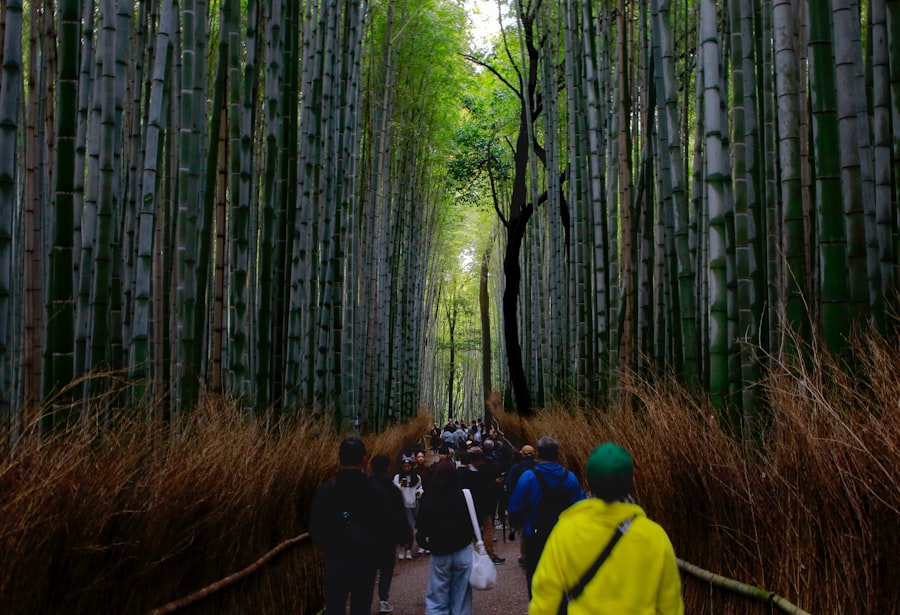
On the western edge of the city lies Arashiyama, a scenic district famous for its towering bamboo forest. To experience the tranquil atmosphere, I recommend you arrive by 7:30 AM before the tour buses start rolling in. After walking through the grove, visit Tenryu-ji Temple to view its magnificent 14th-century Zen garden, which remains perfectly preserved to this day.
The Torii Gates of Fushimi Inari
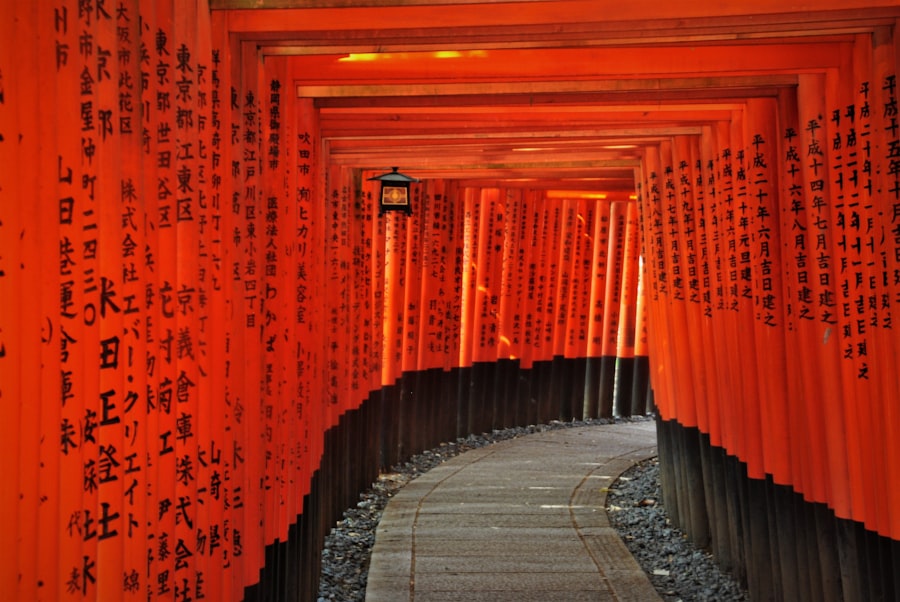
Fushimi Inari Shrine is dedicated to the Shinto god of rice and agriculture. It is famous for its path of over 10,000 vibrant orange torii gates that wind up Mount Inari. The entire hike takes about two to three hours, but you do not have to climb to the top to enjoy the experience. The lower loops offer plenty of fantastic photo opportunities.
Moving on to your itinerary planning, here is a quick checklist of the top experiences you must include:
- Fushimi Inari Shrine: Hike through the thousands of vermilion torii gates. Admission is free, and the shrine is open 24 hours.
- Kinkaku-ji (The Golden Pavilion): Marvel at the top two floors completely covered in gold leaf, reflecting beautifully over the surrounding pond.
- Gion District Walk: Stroll through the historic geisha district in the evening, keeping an eye out for traditional wooden structures and exclusive teahouses.
- Nishiki Market: Explore this narrow five-block shopping street packed with over a hundred food stalls offering local delicacies.
- Kiyomizu-dera: Visit this iconic temple without using a single nail in its main hall construction.
Where to Eat: Kyoto Culinary Highlights
If you are wondering about the food scene, Kyoto is a paradise for gastronomes. From multi-course Kaiseki dining to casual street food, the city offers a diverse range of flavors that respect seasonal ingredients. According to high TripAdvisor ratings, local tofu restaurants and traditional tea houses continue to be top-rated experiences for international travelers in 2026.
To help you navigate the food landscape, here are the top dining experiences and dishes you should try:
- Kaiseki Ryori: This is the ultimate Japanese multi-course dinner. It is a beautiful art form where each dish is meticulously prepared to reflect the current season. I recommend booking a table in the Pontocho Alley area.
- Yofu (Kyoto-style Tofu): Because of Kyotos exceptionally clean spring water, the local tofu is incredibly silky and flavorful. Try Yudofu (hot tofu simmered in broth) in the Nanzen-ji temple district.
- Matcha Treats in Uji: Just a short train ride south of the city, Uji produces some of the finest green tea in the world. Enjoy authentic matcha parfaits, soft-serve ice cream, and traditional tea ceremonies.
- Nishiki Market Street Food: Head here for lunch to sample soy milk donuts, octopus skewers, wagyu beef sliders, and fresh sushi on the go. Budget around 1500 to 3000 yen for a full self-guided food tour.
- Kyoto Ramen: For a hearty meal, try the thick, rich chicken broth ramen at local shops near Kyoto Station, which usually costs between 900 and 1300 yen per bowl.
Pro tip for you: If you want to dine alongside the Kamogawa River during the summer months, look for restaurants offering Kawayuka. These are elevated wooden platforms built over the water, providing a cool, breezy dining experience that you will remember forever.
Where to Stay: Neighborhood Guide
Choosing the right neighborhood to base yourself in is crucial for a successful trip. This Kyoto Travel Guide 2026 breaks down the best areas depending on your travel style and budget. Checking Booking.com availability early is highly recommended, as the best boutique hotels and traditional ryokans in prime areas tend to book out six months in advance.
Downtown (Kawaramachi and Karasuma)
For first-time visitors, Downtown Kyoto is the most convenient area. You will be within walking distance of Nishiki Market, excellent shopping malls, and a massive variety of restaurants. It also offers superb subway and bus connections, making your daily sightseeing incredibly efficient.
Gion and Higashiyama
If you want to experience the atmospheric, historic Kyoto you see in postcards, this is the place to stay. Walking out of your hotel onto lantern-lit streets is magical. However, keep in mind that accommodations here, especially traditional ryokans, carry a premium price tag.
Kyoto Station Area
For travelers planning day trips to Nara, Osaka, or Hiroshima, staying near the main transport hub is highly practical. The area features modern high-rise hotels, excellent department store dining options, and easy access to the Shinkansen (bullet trains).
Essential Tips for Your 2026 Visit
To wrap up this Kyoto Travel Guide 2026, let us cover some practical etiquette and planning tips. Kyoto is a city that deeply values its traditions, and showing respect for local customs will ensure you have a warm welcome throughout your stay.
First, always be mindful of photography rules. In 2026, many private alleys in the Gion district have strict photography bans to protect the privacy of geisha and local residents. Look out for signposts and always ask for permission before taking photos of people. Second, carry a small trash bag with you. Public trash cans are rare in Japan, and you are expected to carry your litter back to your hotel or dispose of it at convenience stores.
Finally, make sure to pack comfortable walking shoes. Even with the excellent transit system, you will easily log 15,000 to 20,000 steps a day exploring temple grounds and historic streets. With proper planning, this Kyoto Travel Guide 2026 will help you unlock the very best of this timeless Japanese gem. Enjoy your journey!
Frequently Asked Questions
What is the best time to visit Kyoto in 2026?
Spring (March to May) for cherry blossoms and autumn (October to November) for vibrant foliage are the best times, though expect crowds.
Do I need a visa to travel to Kyoto in 2026?
Visa requirements depend on your nationality; many countries have visa-free access for short stays, but check with the Japanese embassy.
What are the must-see attractions in Kyoto?
Key sites include Kinkaku-ji, Fushimi Inari Shrine, Arashiyama Bamboo Grove, and historic Gion district.
How can I get around Kyoto efficiently?
Use the extensive bus network, subway, or rent a bicycle; consider a prepaid IC card like Suica for convenience.
What should I pack for a trip to Kyoto in 2026?
Pack comfortable walking shoes, seasonal clothing (light layers in spring/autumn), and a reusable water bottle for hydration.

Isabella Conti writes in-depth travel guides that turn a new destination into familiar ground. She covers what to see, when to go and how to make the most of your time, with practical detail you can actually use.
💬 Comments (0)
No comments yet. Be the first!