Wildlife Photography in Costa Rica: 2026 Guide
Capture exotic species with our expert Wildlife Photography in Costa Rica 2026 guide, featuring essential gear and locations.
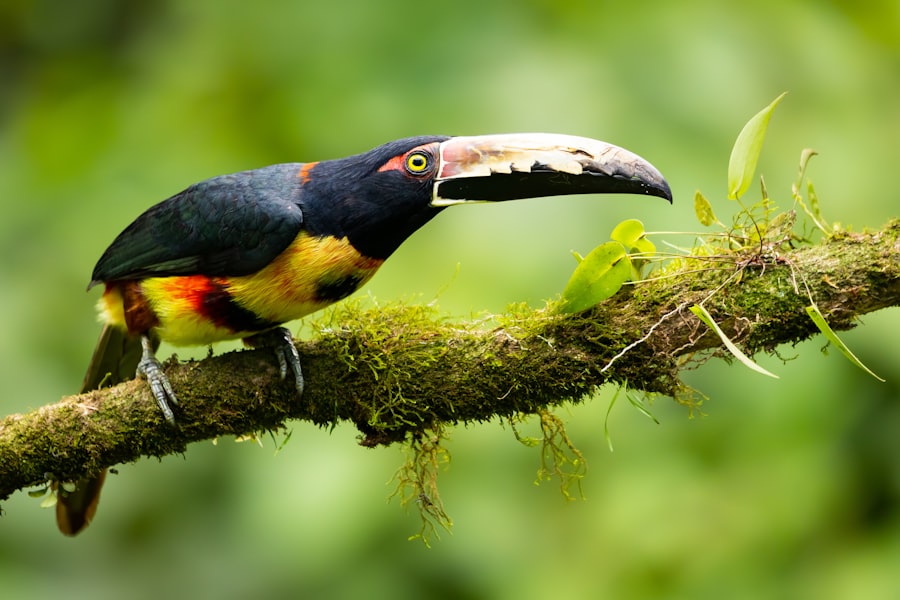
Wildlife Photography in Costa Rica is an experience that will stay with you long after you return home, provided you plan your 2026 expedition with precision.
As you stand in the dense, misty canopy of the cloud forests or wait patiently on the humid shores of the Pacific, you realize that Costa Rica is a playground for nature enthusiasts. Whether you are a professional with a heavy telephoto lens or an amateur with a mirrorless camera, Wildlife Photography in Costa Rica offers endless opportunities to capture toucans, sloths, and iridescent hummingbirds in their natural habitats. This guide will walk you through the logistics, the best shooting locations, and the gear you need to bring for a successful 2026 trip.
Choosing the Best Locations for Wildlife Photography in Costa Rica
If you want the best portfolio, you must choose your base wisely. The Osa Peninsula, specifically Corcovado National Park, is the crown jewel of the country. With more than 2 percent of the world's biodiversity packed into one park, you are almost guaranteed a shot of a tapir, a scarlet macaw, or four species of monkeys in a single day. Another fantastic option is the Tortuguero National Park on the Caribbean coast, which is world-famous for nesting sea turtles between July and October of 2026.
Now let's talk about the cloud forests of Monteverde. This is where you go if you want to capture the elusive Resplendent Quetzal. The light here is moody and soft, perfect for portrait-style animal photography. For those who prefer coastal shots, Manuel Antonio remains a popular choice, though it can get crowded, so arriving at dawn is essential for clear shots without tourists in your frame.
How to Get Around
Navigating the terrain requires careful planning, as the roads can be winding and unpaved in remote zones. Here are the most reliable methods for 2026:
- Interbus: A shared shuttle service that offers door-to-door transportation between major parks. Expect to pay between $50 and $75 per person.
- 4x4 Rental: Essential if you are venturing into the Osa Peninsula or the Nicoya Peninsula. Daily rates range from $60 to $120 depending on the season.
- Domestic Flights: Use Sansa Airlines to hop between San Jose and smaller hubs like Drake Bay or Tambor. Prices start at $150 one-way.
- Private Transfers: The most expensive option but offers the most flexibility for photographers with heavy gear bags. Budget around $200 per long-distance trip.
Essential Gear and Technical Settings
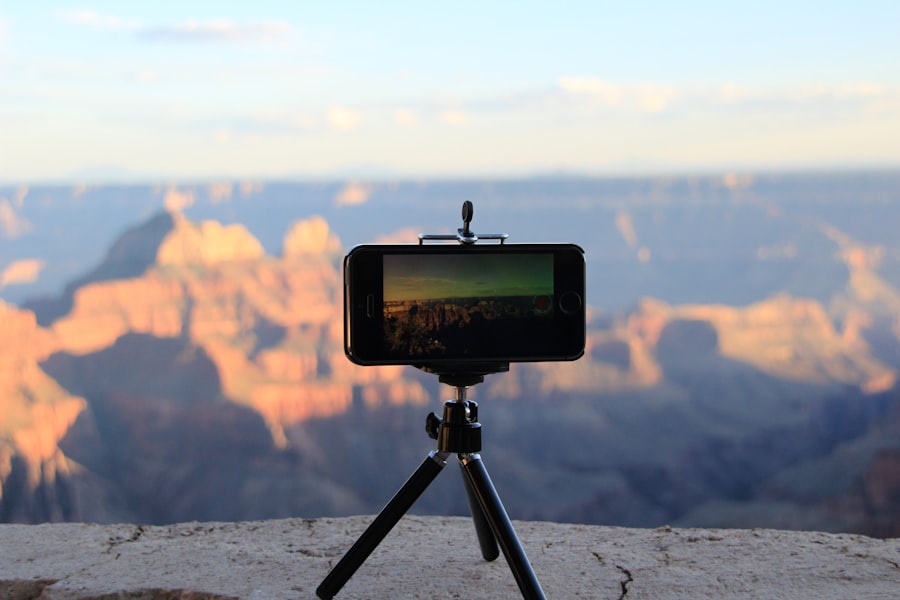
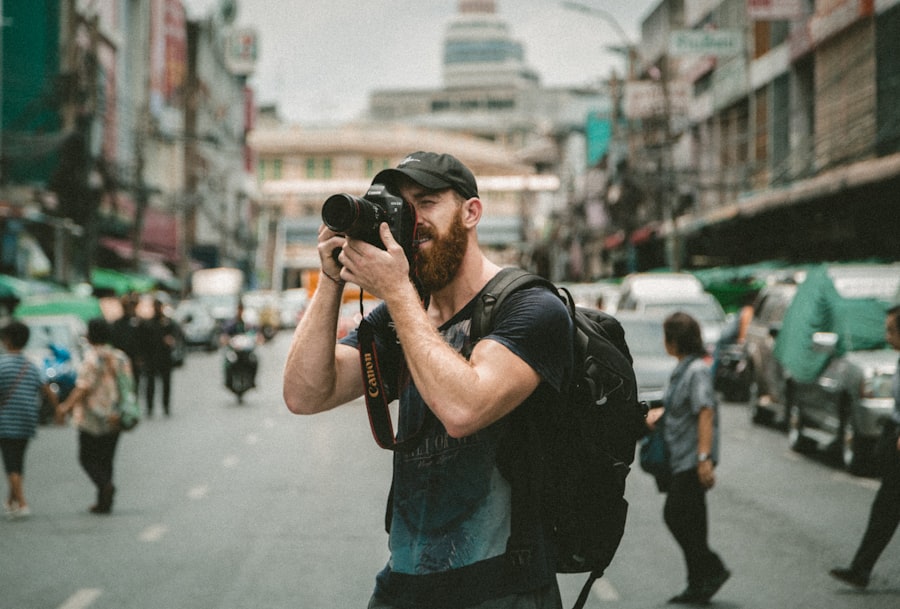
Wildlife Photography in Costa Rica requires specific equipment to handle the rapidly changing weather conditions. You should definitely pack a high-quality weather-sealed body and at least two lenses: a 100-400mm zoom for those distant canopy dwellers and a 24-70mm for landscape shots of the rainforest. Because the jungle canopy blocks out so much sunlight, a tripod is your best friend. A lightweight carbon fiber model will save your back during long hikes.
Traveler’s Warning: Humidity is the silent killer of camera sensors and lenses. Always store your equipment in a dry bag with silica gel packets during the night. Never leave your gear in a hot rental car, as the condensation when you take the camera out can cause irreversible fogging inside your lens elements.
If you are wondering about settings, keep your ISO manageable but be prepared to push it up to 3200 in the deep shade. Aperture priority is usually the best mode for 2026 photographers, as it allows you to control depth of field quickly when a creature suddenly appears on a branch.
Where to Eat During Your Expedition
Eating well is part of the joy of traveling. In the smaller towns near national parks, you will find traditional sodas that serve hearty, affordable meals.
- Casado: A balanced plate of rice, beans, plantains, salad, and meat. Usually costs $7-$10.
- Gallo Pinto: The quintessential breakfast dish served with eggs and coffee. Cost: $5-$8.
- Fresh Fruit Bowls: Look for street vendors near park entrances for cheap, organic snacks. Cost: $3-$5.
- Local Seafood: In coastal areas like Quepos, daily catches are fresh and prepared with local spices. Cost: $15-$25.
Top Things to Do Between Shoots
When you need a break from behind the lens, engage in activities that immerse you further in the culture. Wildlife Photography in Costa Rica is exhausting, so balancing your schedule is key.
- Night Hikes: Join a guided night tour in the Arenal area to photograph snakes, spiders, and nocturnal mammals.
- Coffee Plantation Tours: A relaxing way to spend a morning learning about local agriculture.
- Thermal Hot Springs: Perfect for relaxing tired muscles after a week of lugging a heavy tripod through the jungle.
- Mangrove Kayaking: A silent way to get closer to crocodiles and coastal birds without disturbing them.
Pro tip for you: If you find yourself in the Monteverde area, hire a local private guide who specializes in photography. They know exactly where the birds nest and can spot camouflaged sloths that you would walk right past. According to recent listings on major travel platforms, private guides in 2026 are highly rated, with many averaging 4.8 out of 5 stars for their ability to find wildlife.
Planning for the 2026 Season
Booking your accommodations early is the most important step for 2026. Data from top booking sites indicates that properties located within walking distance of park entrances, such as the areas around Manuel Antonio, reach full occupancy months in advance. If you are budget-conscious, look for hostels or eco-lodges in the outskirts of the towns, such as the neighborhoods surrounding Santa Elena, where you can often save 30 percent on nightly rates.
If you prefer luxury, the boutique eco-hotels in the Osa Peninsula provide excellent vantage points for sunrise photography right from your balcony. These spots are highly sought after, so I recommend you take action at least six months before your departure date. Remember that Wildlife Photography in Costa Rica is most rewarding when you are patient. Do not rush from one spot to another. Spend three or four days in one location to truly understand the behavior of the animals you want to capture.
Moving on to your final preparations, ensure you have travel insurance that covers photography gear. Accidents happen on muddy trails, and having your equipment insured will take the stress out of your 2026 journey. Check the entry requirements for your specific nationality, as regulations for international visitors can change annually. Most importantly, respect the environment. Always follow the 'leave no trace' philosophy, stay on marked trails, and never use flash photography around animals that are sensitive to bright lights.
By following these guidelines, you will be well-prepared for your next big adventure. Wildlife Photography in Costa Rica offers more than just stunning images; it provides a profound connection with nature that will inspire your work for years to come. Pack your lenses, charge your batteries, and get ready for the trip of a lifetime in 2026.
Frequently Asked Questions
What is the best time of year for wildlife photography in Costa Rica?
The dry season from December to April offers the most consistent weather and wildlife activity, but the wet season provides lush landscapes and unique sightings.
Which camera equipment is recommended for Costa Rica wildlife photography?
A DSLR or mirrorless camera with a telephoto lens (100-400mm) is ideal for capturing distant animals, plus a fast prime lens for low light conditions.
What are the top national parks for photographing wildlife in Costa Rica?
Corcovado National Park and Manuel Antonio National Park are top choices due to their high biodiversity and accessibility.
How can I photograph elusive animals like jaguars?
Use motion-sensor camera traps placed along game trails, and consider visiting remote areas like the Osa Peninsula for higher chances.
Are there any ethical guidelines for wildlife photography in Costa Rica?
Yes, always respect animals' space, avoid using flash near sensitive species, and never disturb nesting or feeding wildlife.

Lars Lindgren puts together detailed guides to cities and regions, drawing on his own travels to flag the things worth your time. He focuses on clear, honest advice that holds up once you are actually on the ground.
💬 Comments (0)
No comments yet. Be the first!