Lofoten Landscape Photography Guide 2026
Plan your 2026 arctic shoot with our complete Lofoten Landscape Photography guide, featuring top locations and settings.
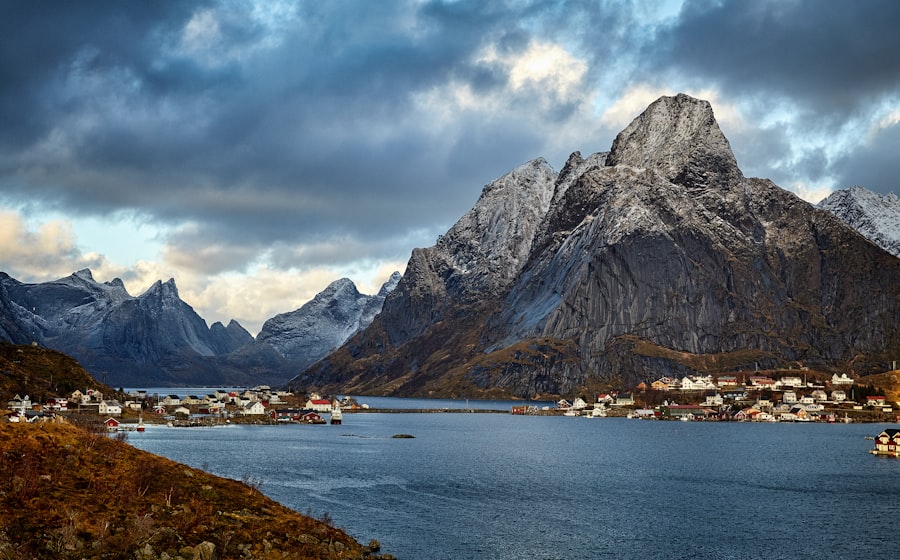
If you want to capture the ultimate arctic wilderness, this Lofoten Landscape Photography guide for 2026 will help you navigate the jagged peaks, deep fjords, and dramatic coastal light of Norway's most beautiful archipelago.
Why 2026 is the Ultimate Year for Lofoten Landscape Photography
There has never been a better time to plan a photography trip to Northern Norway. The year 2026 coincides with the peak of the solar cycle, which means your chances of capturing the aurora borealis dancing over iconic peak formations like Segla and Reinebringen are at an all-time high. The dramatic contrast between the dark sea and the snow-dusted granite mountains makes this region a paradise for anyone holding a camera.
To make the most of your Lofoten Landscape Photography expedition, you must understand the light. In the winter and shoulder seasons of 2026, the golden hour does not just last for forty minutes; it can stretch for several hours as the sun skims low along the horizon. This extended twilight gives you ample time to compose your shots, experiment with neutral density filters, and capture the perfect reflection in the still waters of the fjords.
Top Photography Locations in the Archipelago
Let's look at the absolute must-visit locations that should be on your camera sensor. The archipelago is connected by the E10 road, which serves as your main artery for exploring these dramatic vistas.
Reinefjorden and Hamnoy
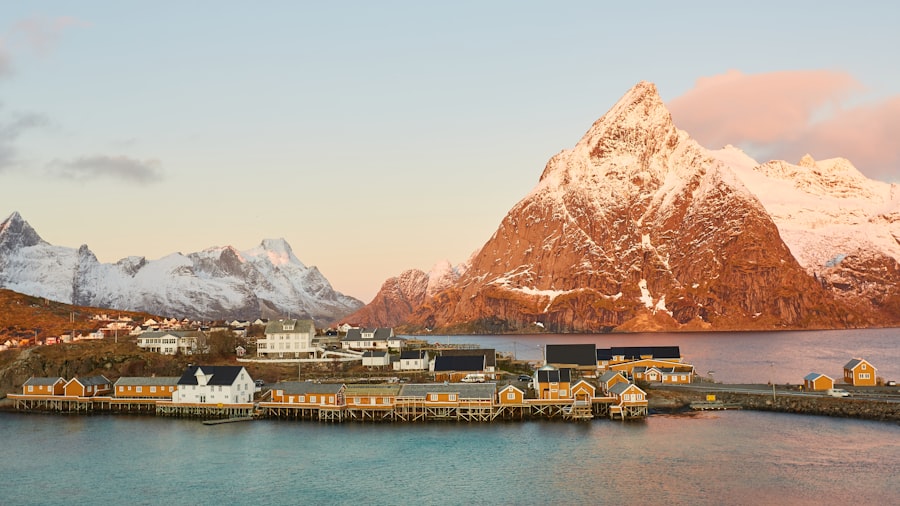
You have likely seen the classic shot of red fishing huts (known locally as rorbuer) nestled at the foot of a towering, snow-capped mountain. This is Hamnoy. For the best composition, stand on the main road bridge looking south. If you want to capture the classic Reinefjorden shot, hike up the sherpa stairs of Reinebringen. In 2026, the local municipality has maintained these stairs beautifully, but be prepared for a steep climb of over 1,500 steps.
Uttakleiv and Haukland Beaches
If you're wondering about seascape photography, these two neighboring beaches offer completely different vibes. Haukland features pristine white sand and turquoise water that looks almost tropical, while Uttakleiv is famous for its dark, rocky shoreline and the famous "eye of Lofoten" rock formation. It is a prime spot for long-exposure photography as the tide rushes over the smooth, black boulders.
The Dramatic Bridge of Fredvang
The curving bridges connecting Fredvang are a dream for drone photographers and wide-angle enthusiasts alike. The way the concrete structures sweep across the turbulent blue water creates a powerful leading line that directs the eye straight toward the distant, jagged mountains.
Traveler’s Warning: Many of the iconic photography spots in Lofoten are located near fragile coastal vegetation or private property. Always stay on marked paths, especially at Reinebringen and Uttakleiv Beach. Local land owners have initiated strict conservation rules for 2026 to protect the delicate arctic tundra from erosion caused by off-path foot traffic.
How to Get Around the Islands
Now let's talk about the logistics of moving between these spectacular photo spots. While the archipelago looks compact on a map, the winding roads, narrow tunnels, and winter weather conditions can make travel times much longer than you expect.
- Car Rental: Renting a car is essential for Lofoten Landscape Photography. You can pick up a vehicle at Harstad/Narvik Airport (EVE) or Svolvaer Airport (SVJ). For 2026, expect car rental prices to range from 700 NOK to 1,500 NOK per day depending on the vehicle size. A four-wheel-drive vehicle is highly recommended if you visit during the snowy months of January through April.
- Public Buses: The Reis Nordland bus line 300 runs along the spine of the E10 from Narvik down to A. While cheap (around 80 NOK to 150 NOK per journey), the schedules are infrequent, making it difficult to chase the best morning or evening light.
- The Express Boat: You can take the passenger ferry from Bodo to Svolvaer or Moskenes. This is a fantastic way to experience the "Lofoten Wall" rising from the ocean as you approach, offering great deck-side shooting opportunities.
Where to Stay and Eat on Your Photography Expedition
To maximize your time behind the lens, you want to base yourself in areas that offer quick access to the best locations. Booking your accommodation early is vital. According to current Booking.com availability trends for the 2026 season, the traditional red rorbuer cabins in Reine and Hamnoy book out up to six months in advance.
For a central base, look at the town of Leknes or the historic fishing village of Henningsvaer. Henningsvaer, often called the "Venice of the North," offers a vibrant cultural scene alongside its famous seaside football pitch, which is a favorite target for aerial photography.
Recommended Places to Eat
- Underhuset (Reine): Located in the heart of Reine, this cozy spot serves traditional Norwegian stockfish and hearty fish soups that will warm you up after a long sunset shoot. Expect to pay around 250 NOK to 400 NOK for a main course.
- Borsen Spiseri (Svolvaer): Housed in a renovated 1800s warehouse on the waterfront, this restaurant is highly rated on TripAdvisor for its authentic arctic cuisine, including slow-roasted local lamb and fresh cod.
- Klatrekafeen (Henningsvaer): A rustic, climber-themed cafe offering excellent coffee, local pastries, and light lunch options. It is the perfect place to edit your morning photos while enjoying a warm atmosphere.
Essential Gear and Settings for Lofoten Landscape Photography
Moving on to the technical side of your trip, the arctic environment demands robust gear. You do not need the most expensive camera on the market, but you do need gear that can withstand cold temperatures, high winds, and moisture.
A sturdy tripod is non-negotiable. The coastal winds in Lofoten can be fierce, easily shaking a flimsy travel tripod. I recommend you take a carbon fiber tripod with spiked feet that can grip into ice or wet sand. For lenses, a wide-angle lens (16-35mm equivalent) is perfect for capturing the vastness of the beaches, while a telephoto lens (70-200mm) will help you isolate the dramatic mountain peaks and compress the layers of distant fjords.
Pro tip for you: Keep your camera batteries in an inside pocket close to your body heat when you are not actively shooting. The cold arctic air can drain battery life in half the normal time. During my 2026 winter shoot near Ramberg, my battery indicator dropped from eighty percent to zero in just thirty minutes of exposure to the freezing wind. Keeping a spare warm battery in my wool jacket saved the shoot.
Top Things to Do Between Golden Hours
While your primary focus is Lofoten Landscape Photography, you will want to experience the rich culture and outdoor activities that the islands offer during the midday hours when the light can be flat.
- Explore the Lofotr Viking Museum: Located in Borg, this interactive museum features a full-scale reconstruction of the largest Viking longhouse ever discovered, providing excellent indoor documentary photography opportunities.
- Take a Sea Eagle Safari: Book a RIB boat tour from Svolvaer into the narrow Trollfjord. You will get incredibly close to the majestic white-tailed sea eagles, offering a thrilling challenge for your action and wildlife photography skills.
- Visit the Fishing Village of A: Located at the very end of the E10 highway, this preserved museum village offers a glimpse into the traditional cod fishing industry that has sustained this region for centuries.
Fulfilling Your Creative Vision in the Arctic
As you prepare for your journey, remember that the key to successful Lofoten Landscape Photography is patience and adaptability. The weather in Northern Norway is notoriously unpredictable; you can experience rain, snow, sunshine, and thick fog all within a single hour. According to the official Visit Norway tourism board data, spring and autumn offer the most dramatic weather transitions, which often yield the most unique and moody landscape images.
Embrace the storms, dress in layers of merino wool and windproof outerwear, and keep your lens cloth handy. When the clouds part and the arctic light hits the jagged peaks of Reine or the golden sands of Haukland, you will realize that every cold hour spent waiting was absolutely worth it.
Frequently Asked Questions
What is the best time of year for Lofoten landscape photography?
Late autumn to early spring (September to March) offers dramatic light, snow-covered peaks, and potential Northern Lights.
What camera settings are recommended for capturing the Lofoten landscapes?
Use a tripod with apertures around f/8 to f/11, and adjust ISO and shutter speed for sharpness and exposure.
Which are the must-visit photography locations in Lofoten?
Key spots include Reine, Hamnøy, Svolvær, and the beaches of Uttakleiv and Haukland.
Do I need a permit to photograph in Lofoten?
Generally no permits needed for public areas, but always respect private property and protected sites.
What photography gear is essential for Lofoten?
Pack a wide-angle lens, sturdy tripod, polarizing filter, and weather protection for unpredictable conditions.

Lars Lindgren puts together detailed guides to cities and regions, drawing on his own travels to flag the things worth your time. He focuses on clear, honest advice that holds up once you are actually on the ground.
💬 Comments (0)
No comments yet. Be the first!