Bergen Travel Guide 2026: Ultimate Tips
Master your trip to Norway with our complete Bergen Travel Guide 2026, featuring expert local tips and budget secrets.
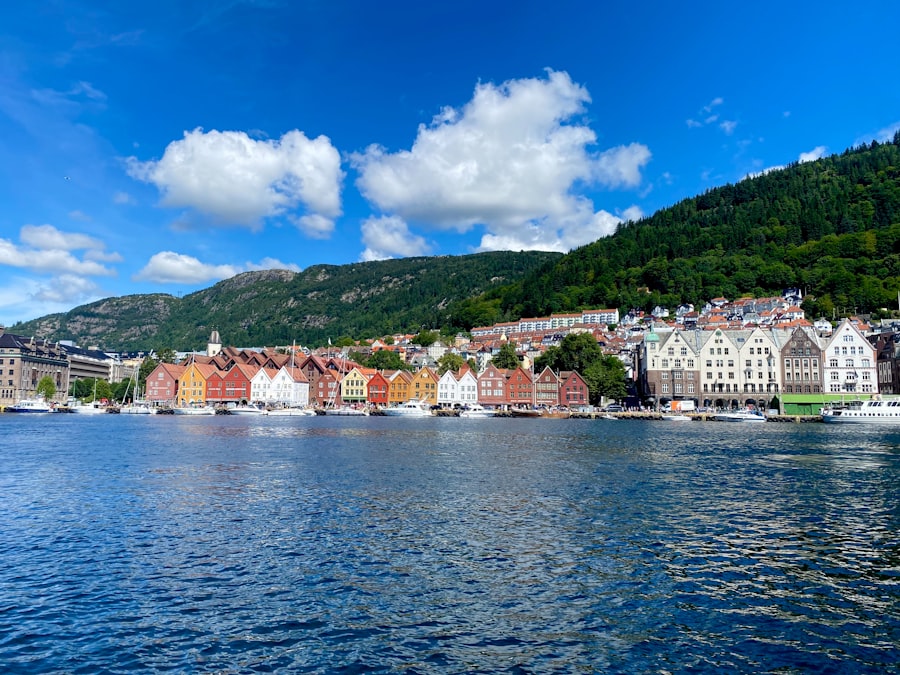
Welcome to your ultimate Bergen Travel Guide 2026, your essential companion for planning the perfect trip to Norway's stunning coastal jewel. Nestled between towering fjords and seven majestic mountains, Bergen is a city where colorful wooden wharves meet cutting-edge Nordic gastronomy. Whether you are planning to chase the midnight sun in June or catch the cozy winter lights in December, this comprehensive guide will help you navigate this historic port city like an absolute expert.
As we look ahead to travel in 2026, Bergen continues to lead the way in sustainable tourism and seamless digital travel experiences. According to the official Bergen tourism board, Visit Bergen, the city has expanded its pedestrian-only zones and green transit networks, making it easier than ever to explore. I recommend you take at least three full days to truly absorb the culture, history, and natural beauty of this coastal paradise.
Choosing the Perfect Neighborhood: Where to Stay in Bergen
If you are wondering about where to base yourself, Bergen offers distinct neighborhoods that cater to different travel styles. Booking.com availability data for 2026 shows that booking at least four months in advance is crucial, especially if you want to secure a room with a fjord view during the peak summer season.
Sentrum (City Center)
For first-time visitors, staying in Sentrum is highly convenient. You will find yourself within walking distance of the main railway station, the bustling Fish Market, and dozens of excellent restaurants. It is the lively heart of the city, perfect if you want to step out of your hotel and immediately be in the middle of the action.
Bryggen and Sandviken
If you prefer historic charm and quieter evenings, look for accommodations in the historic Bryggen area or the adjacent neighborhood of Sandviken. Sandviken is famous for its narrow cobblestone alleys and white wooden houses clinging to the mountainside. It offers a peaceful, local atmosphere while remaining just a 15-minute walk from the city center.
Nygard
This is the trendy, student-friendly district of Bergen. Located near the university, Nygard is filled with hip coffee shops, craft beer bars, and budget-friendly eateries. It is an excellent choice for younger travelers or those who want to experience the local, non-touristy side of Bergen life.
Money-Saving Secret: Do not buy individual museum and transport tickets if you plan to see multiple sights. The Bergen Card, available via the official Visit Bergen app, offers free public transport and massive discounts of up to 50% on major attractions. In 2026, a 48-hour Bergen Card costs approximately 480 NOK (around 45 USD) and pays for itself after visiting just three major sites.
Top Things to Do: Your Ultimate Bergen Itinerary
Now let's talk about the experiences you simply cannot miss. This Bergen Travel Guide 2026 highlights both the iconic landmarks and a few hidden gems that will make your trip unforgettable. From historic alleys to mountain peaks, the city offers a diverse playground for every traveler.
To help you plan your days efficiently, here is a curated list of the absolute best activities to add to your itinerary:
- Explore Bryggen Hanseatic Wharf: Walk through the narrow, crooked wooden passages of this UNESCO World Heritage site. The historic wooden buildings date back to the Hanseatic League era and now house cozy artist workshops and boutique shops.
- Ride the Floibanen Funicular: This electric cable railway takes you from the city center to the top of Mount Floyen in just six minutes. At the top, you will find panoramic views of the city, hiking trails, and even a few friendly local mountain goats.
- Take the Ulriken603 Cable Car: For a higher, more dramatic view, take the cable car to the summit of Mount Ulriken, the highest of Bergen's seven mountains. Tickets in 2026 cost around 395 NOK for a round trip.
- Cruise the Mostraumen Fjord: No trip is complete without seeing the fjords. I recommend you take a three-hour boat tour from the Zachariasbryggen wharf through the narrow Osterfjord to the stunning Mostraumen channel.
- Visit the KODE Art Museums: Located along the central lake, Lille Lungegardsvannet, this massive museum complex houses one of the largest collections of Edvard Munch paintings in the world.
How to Get Around: Master Bergen Public Transit
Moving on to logistics, getting around Bergen is incredibly simple, clean, and efficient. The city has heavily invested in its green public transit network, meaning you do not need to rent a car unless you plan to drive deep into the Western Fjords.
Pro tip for you: always download the Skyss Billett app before you arrive. This app allows you to buy tickets for all local buses and light rail lines instantly. Here is a quick breakdown of how to navigate the city transport system:
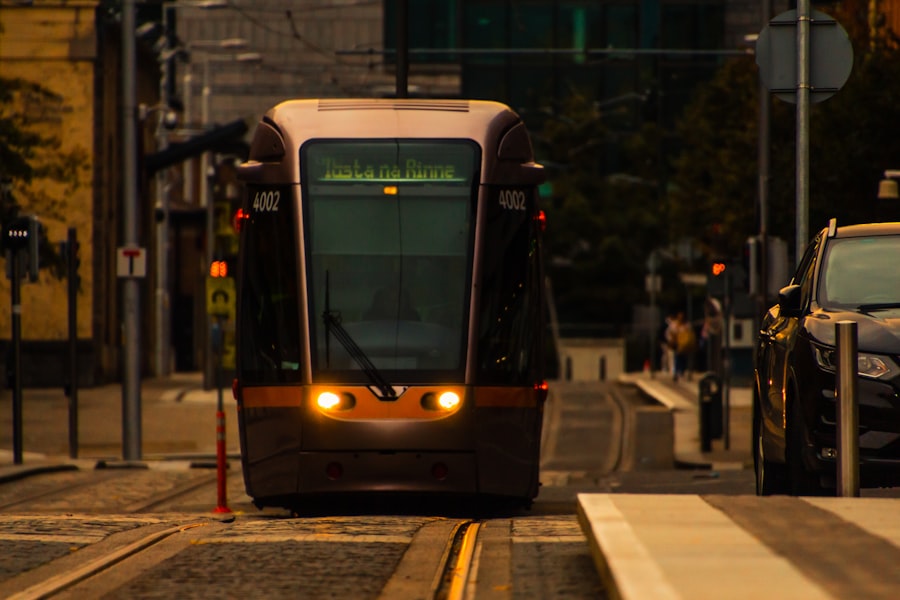
- The Bybanen (Light Rail): Line 1 runs directly from Bergen Airport (Flesland) to the city center (Byparken) in about 45 minutes. A single ticket costs 47 NOK in 2026, making it an incredibly affordable airport transfer option. Line 2 connects the city center to Fyllingsdalen.
- Local Buses: The orange Skyss buses cover the entire metropolitan area. They are frequent, punctual, and use the same ticketing system as the Bybanen light rail.
- Beffen Ferry: This historic little wooden ferry has been crossing the Bergen harbor for over a century. It is a charming and quick way to travel between Bryggen and the Nordnes peninsula for just 45 NOK.
- Walking: Bergen is highly compact. You will find that most major attractions, restaurants, and hotels are within a 20-minute walk of each other. Just make sure to pack comfortable, waterproof shoes.
Where to Eat: From Seafood to Nordic Gastronomy
If you're wondering about the local food scene, you are in for a treat. Bergen is a designated UNESCO City of Gastronomy. This Bergen Travel Guide 2026 recommends balancing your budget between casual seafood markets and traditional Norwegian dining experiences. TripAdvisor ratings for Bergen restaurants highlight a massive surge in sustainable, ocean-to-table dining concepts over the last year.
Here are the top places to eat during your 2026 visit:
- Fisketorget (The Fish Market): Located right on the harbor, this historic market offers fresh shrimp, crab claws, and whale steak. While the outdoor market is great in summer, the indoor Mathallen market is open year-round and offers heated seating. Expect to pay 250 to 450 NOK for a fresh seafood platter.
- Enhjorningen (The Unicorn): Located inside one of the crooked wooden buildings of Bryggen, this traditional seafood restaurant makes you feel like you have stepped back into the 18th century. Try the classic Bergen fish soup or the baked halibut.
- Trekroneren: For a quick and legendary budget bite, visit this famous hot dog stand near the harbor. They serve massive wild game sausages, including reindeer sausage topped with lingonberry sauce and crispy onions, for around 95 NOK.
- Marg & Bein: Located in the trendy Nygard neighborhood, this restaurant focuses on nose-to-tail dining and local, organic Norwegian ingredients. It is a favorite among Bergen locals who want high-quality food away from the tourist crowds.
Weather and Packing: Surviving the Bergen Rain
It is no secret that Bergen is one of the wettest cities in Europe, averaging over 200 rainy days a year. However, the locals have a famous saying: "There is no bad weather, only bad clothing." To make the most of your Bergen Travel Guide 2026 experience, you must pack smart.
I recommend you take a high-quality, windproof, and waterproof jacket. Do not rely on cheap umbrellas, as the coastal winds will easily break them. Instead, invest in a good pair of waterproof boots and a rain cover for your backpack. Layering is key, even in July, as temperatures can quickly drop from a sunny 22 degrees Celsius to a breezy 12 degrees Celsius when the coastal fog rolls in.
Pro Tip: During my last trip to Bergen, I decided to hike the Vidden Trail from Mount Ulriken to Mount Floyen. The forecast predicted clear skies, but halfway through the 5-hour trek, a thick fog rolled in and it started pouring. Because I had packed high-quality waterproof layers and downloaded an offline map on my phone, the hike turned into a cozy, mystical adventure rather than a cold disaster. Always prepare for four seasons in a single day!
Final Thoughts for Your 2026 Adventure
As you plan your journey using this Bergen Travel Guide 2026, remember that the true magic of this city lies in its slow pace of life. Take your time wandering through the cobblestone streets, sit by the harbor with a warm cinnamon bun (skillingsbolle), and watch the clouds float over the fjords. By booking your accommodation early, utilizing the efficient Bybanen light rail, and embracing the occasional rain shower, you are guaranteed to fall in love with this beautiful Norwegian gateway. Safe travels, and enjoy every moment of your Bergen adventure!
Frequently Asked Questions
What is the best time to visit Bergen in 2026?
The best time is from May to September when the weather is mild and the days are long, perfect for exploring fjords and outdoor attractions.
How can I get from Bergen Airport to the city center?
Take the Light Rail (Bybanen) from the airport to the city center in about 40 minutes, or a taxi for a quicker 20-minute ride.
What are must-see attractions in Bergen?
Don't miss the colorful Bryggen wharf, Fløibanen funicular for panoramic views, and the Fish Market for local seafood.
Is it necessary to book fjord tours in advance?
Yes, especially in peak season, booking your fjord tour a few days ahead ensures availability and better rates.
What is the best way to get around Bergen?
Bergen is walkable, but the Light Rail and frequent buses cover most areas; consider the Bergen Card for unlimited travel and discounts.

Lars Lindgren puts together detailed guides to cities and regions, drawing on his own travels to flag the things worth your time. He focuses on clear, honest advice that holds up once you are actually on the ground.
💬 Comments (0)
No comments yet. Be the first!